Fontana del Bacchino – A Hidden Jewel in the Heart of Prato, Tuscany
Discover the charm of a tiny marble masterpiece that captures the spirit of Tuscan artistry, history, and everyday life.
Introduction
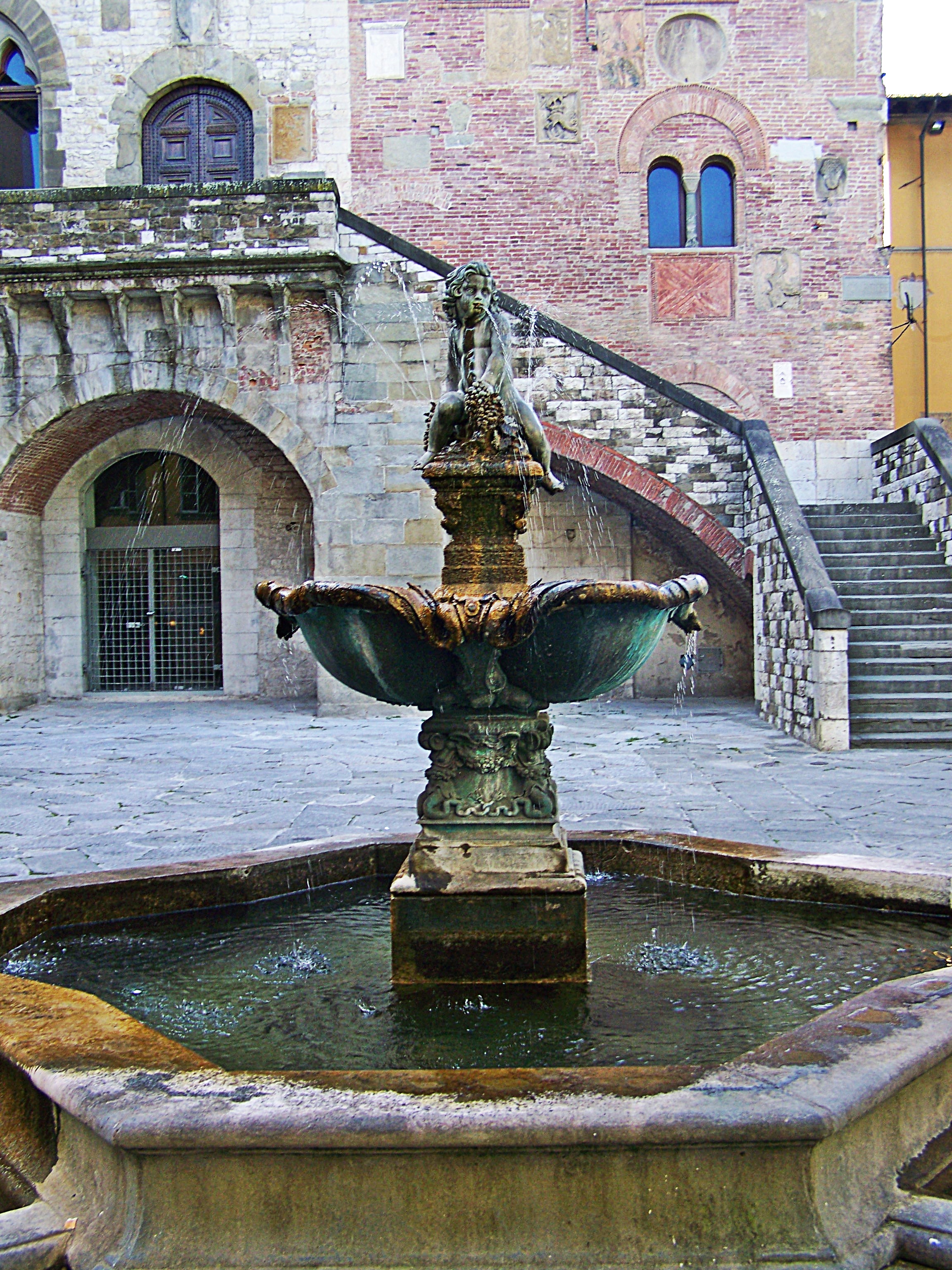
If you think the iconic Tuscan landscape is limited to rolling vineyards, medieval towers, and bustling piazzas, think again. Tucked away in the historic centre of Prato, just a short stroll from the city’s main train station, lies the Fontana del Bacchino – a modest yet captivating fountain that has been quietly delighting locals and travelers for centuries. Its playful bronze figure of a young Bacchus (the Roman god of wine) spilling wine into a stone basin is a perfect snapshot of the region’s love for art, wine, and conviviality. Whether you’re a seasoned Italy wanderer or a first‑time visitor to Tuscany, this fountain offers a photogenic pause that enriches any itinerary.
About Fontana del Bacchino
A Brief Description
The Fontana del Bacchino (literally “Fountain of the Little Bacchus”) is a small marble fountain situated at coordinates 43.880472, 11.096880 in the historic centre of Prato, Tuscany. The centerpiece is a youthful Bacchus, rendered in bronze, holding a wine‑filled goblet that appears to pour into the basin below. Water gently streams from the goblet, creating a soothing sound that blends with the hum of the surrounding streets.
Historical Roots
While the exact date of construction remains undocumented, the fountain reflects the Renaissance tradition of integrating mythological figures into public spaces. In the 16th and 17th centuries, Tuscan towns often commissioned fountains to celebrate civic pride, provide clean drinking water, and showcase local artisanship. The Bacchus motif underscores Prato’s historic connection to the wine trade and its reputation as a centre for textile production and culinary culture.
Cultural Significance
- Symbol of conviviality – Bacchus, the god of wine, represents celebration and community, mirroring the social role of Prato’s piazzas where locals gather for coffee, aperitivo, and conversation.
- Artistic heritage – The fountain is a testament to the skilled marble carving and bronze casting techniques that flourished in Tuscany during the Renaissance.
- Urban landmark – Though modest in size, the Fontana del Bacchino serves as a reference point for navigation within the historic centre and appears on many local walking tours.
How to Get There
By Train
- From Florence: Take a regional train (Trenitalia) from Firenze Santa Maria Novella to Prato Porta al Serraglio (≈ 15 minutes).
- From Milan: Direct high‑speed services (Frecciarossa) stop at Prato; the journey takes about 1 hour 45 minutes.
Upon arrival, exit the station onto Via dei Cimiteri and follow signs toward the city centre.
By Car
- From the A1 Autostrada: Exit at Prato Nord (km 8). Follow the SS67 toward the historic centre; parking is limited, but several paid parking lots (e.g., Parcheggio Stazione) are within a 5‑minute walk.
By Bus or On Foot
- The ATAF bus line 1 connects the train station with the city centre; alight at Piazza del Duomo and walk north‑west for about 300 m.
- If you’re staying in the historic centre, the fountain is within a 5‑minute walk from most hotels, cafés, and the Prato Cathedral.
GPS Navigation
Enter the coordinates 43.880472, 11.096880 into your navigation app for the most direct route.
Best Time to Visit
| Season | Why Visit | Tips |
|---|---|---|
| Spring (March–May) | Mild temperatures (15‑22 °C) and blooming gardens make the surrounding streets vibrant. | Arrive early to avoid the midday tourist rush. |
| Summer (June–August) | Long daylight hours let you linger at nearby cafés after admiring the fountain. | Carry a water bottle; the city can get warm (up to 35 °C). |
| Autumn (September–November) | Golden light enhances the marble’s texture; harvest festivals add a festive atmosphere. | Ideal for photography – soft shadows and warm tones. |
| Winter (December–February) | Fewer crowds; the fountain’s water is still flowing, creating a serene contrast against crisp air. | Dress warmly; some nearby shops may close early. |
Overall, late spring and early autumn provide the perfect blend of pleasant weather, lively street life, and optimal lighting for photos.
What to Expect
When you step onto the cobblestones in front of the Fontana del Bacchino, you’ll be greeted by a quiet, intimate setting that feels worlds away from the bustling tourist hubs of Florence or Siena. The fountain’s water is continuous, producing a gentle, rhythmic splash that masks city noises.
- Photographic moments: Capture the Bacchus figure from low angles to emphasize the flowing wine, or frame the fountain against the backdrop of the historic Piazza del Duomo for a classic Tuscan composition.
- Sensory experience: The cool mist from the water, the faint scent of nearby espresso cafés, and the occasional clink of coins tossed into the basin create a multi‑sensory snapshot of daily life.
- Local interaction: Residents often sit on the stone benches surrounding the fountain, reading newspapers or chatting with friends. Feel free to join them – a friendly “Buongiorno” goes a long way.
Nearby Attractions
While you’re in the area, make the most of the short walk to these other charming fountains and historic sites:
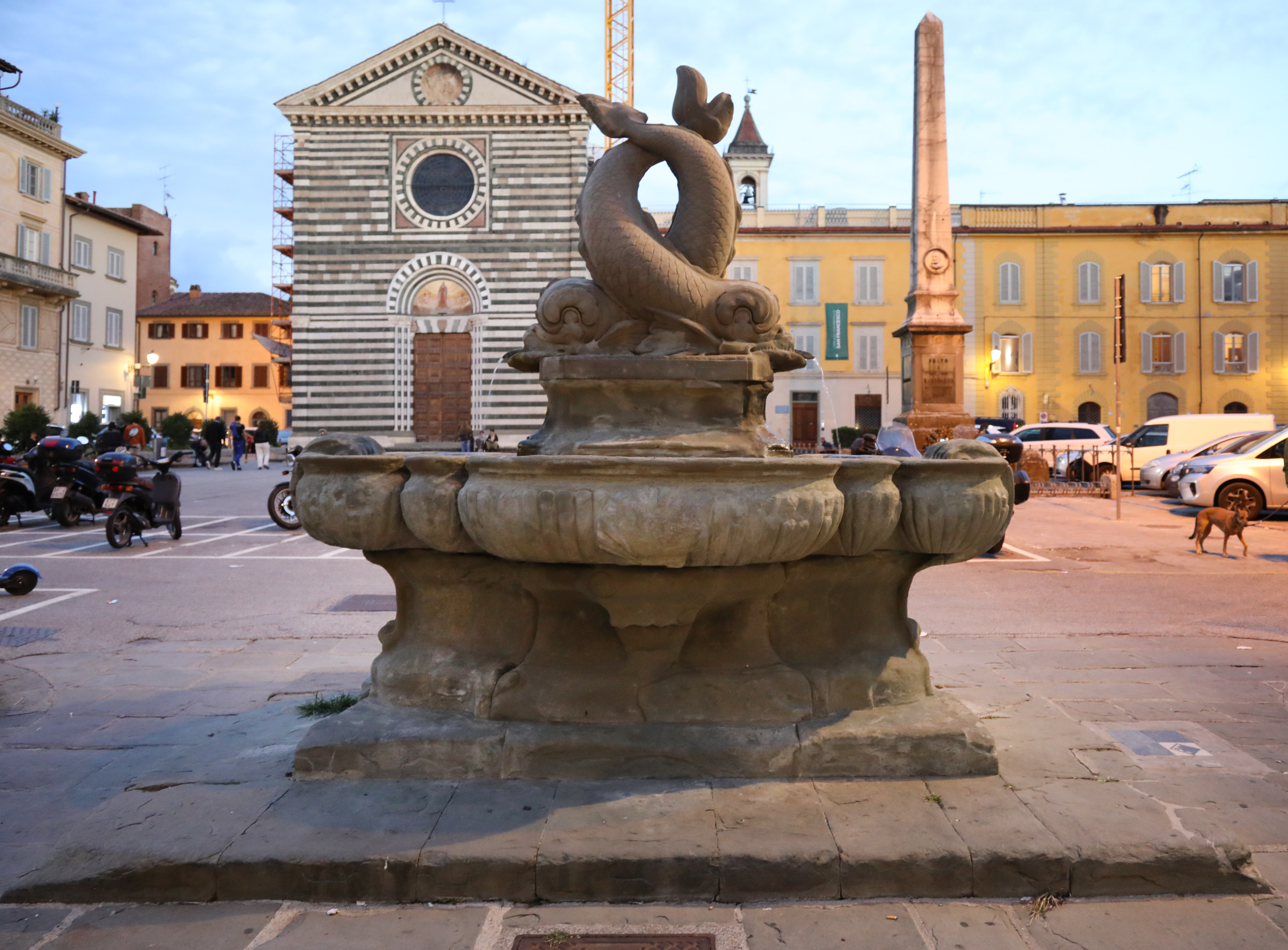
- Fontana dei Delfini – Only 0.1 km away, this dolphin‑themed fountain adds a playful marine touch to the cityscape.
- Fontana del Pescatorello – Situated 0.2 km from the Bacchino, it features a fisherman motif that celebrates Prato’s historic market trade. (Note: there are two listings for this fountain; both refer to the same site.)
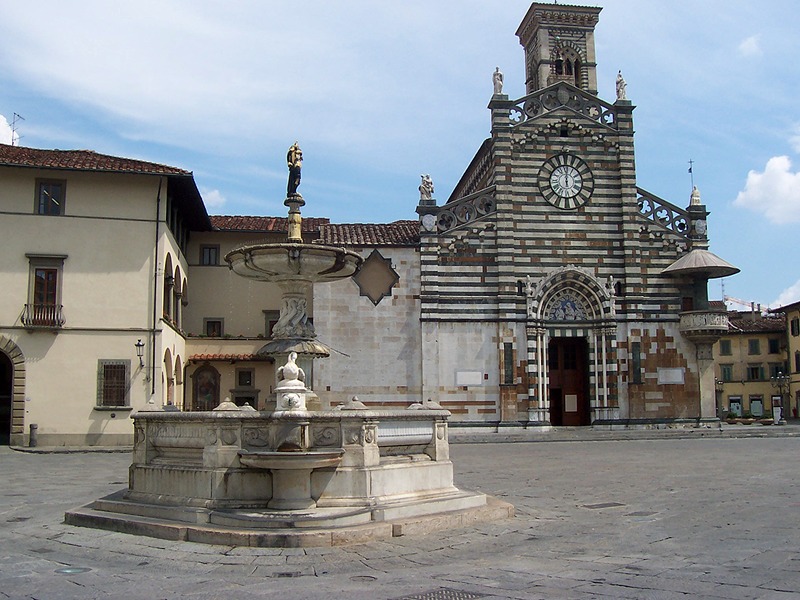
- Piazza del Duomo – The main square, home to the Cathedral of Saint Stephen, is a 5‑minute walk and offers stunning frescoes, a bustling market, and numerous cafés.
- Museo del Tessuto (Textile Museum) – Explore Prato’s renowned textile heritage just a few blocks away.
- Palazzo Pretorio – The historic town hall, with its elegant façade and occasional art exhibitions.
These attractions are all within a 10‑minute walking radius, allowing you to craft a relaxed, culture‑rich afternoon without hopping on public transport.
Travel Tips
| Tip | Details |
|---|---|
| Dress comfortably | Cobblestone streets can be uneven; wear supportive shoes. |
| Carry cash | Small donations to the fountain’s basin are traditional, and many cafés still prefer cash. |
| Timing for photos | Early morning (7‑9 am) offers soft light and fewer people; sunset (6‑8 pm) creates a warm glow on the marble. |
| Stay hydrated | Especially in summer; the nearest café, Caffè del Borgo, serves excellent iced espresso. |
| Language | While Italian is the norm, most locals in the tourist centre understand basic English. |
| Respect the site | Do not climb on the fountain or throw objects (except coins) into the basin. |
| Connectivity | Free Wi‑Fi is available at the Prato City Hall and many public libraries nearby. |
| Safety | Prato is a safe city; however, keep an eye on personal belongings in crowded areas. |
| Local events | Check the Comune di Prato website for festivals (e.g., Festa del Vino in September) that may feature special performances near the fountain. |
Final Thought
The Fontana del Bacchino may be small, but it encapsulates the essence of Tuscan life: art, community, and a love for the simple pleasures of water and wine. A quick stop here enriches any Prato itinerary, offering a quiet moment of reflection amid the city’s vibrant streets. So, next time you find yourself wandering through Tuscany’s lesser‑known towns, let the cheerful Bacchus guide you to a hidden oasis of history and charm.
Buon viaggio!