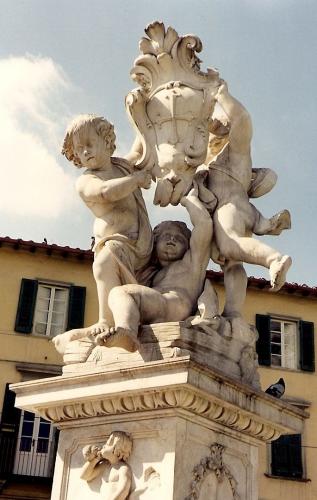
Fontana dei Putti – Pisa’s Hidden Fountain Gem
Discover the charm of a tiny masterpiece tucked away in the heart of Tuscany’s most iconic city.
Introduction
When you picture Pisa, the Leaning Tower instantly dominates the mental image. Yet, beyond the tower’s famous tilt, Pisa is a city brimming with quiet corners, elegant piazzas, and historic fountains that whisper stories of Renaissance artisans. One such whisper comes from the Fontana dei Putti, a modest yet enchanting fountain that invites travelers to pause, sip the atmosphere, and snap a photo that feels like a secret shared between you and the city. If you’re mapping a travel guide to Pisa or hunting for “things to do in Pisa off the beaten path,” this fountain should earn a spot on your itinerary.
About Fontana dei Putti
A Brief Description
Located at coordinates 43.722505, 10.396327, the Fontana dei Putti (literally “Fountain of the Little Angels”) is a stone basin crowned by playful cherubic figures—putti—that seem to splash water with child‑like delight. The fountain’s design is simple yet elegant, embodying the Tuscan love for proportion and harmony. Though the exact height and altitude remain undocumented, its presence feels perfectly scaled to the surrounding cobblestones and nearby historic buildings.
History & Significance
The fountain’s origins are rooted in Pisa’s medieval‑Renaissance urban renewal, a period when civic authorities commissioned water features to provide clean drinking water and to showcase artistic talent. While specific archival records are scarce, the Fontana dei Putti is mentioned in local historical references (see the Italian Wikipedia entry: Fontana dei Putti (Pisa)). Its cherubs reflect a common motif of the era—symbolizing innocence, protection, and the divine blessing of water, a vital resource for any thriving city.
Beyond its functional role, the fountain has become a cultural landmark for locals. Residents often gather here for a quick chat, and children love to toss coins, hoping for a wish. For travelers, the fountain offers a quiet moment of reflection amid the bustle of Pisa’s main tourist routes.
How to Get There
By Air
- Pisa International Airport (PSA) is the closest gateway, just 5 km from the city center. From the airport, hop on the PisaMover (a rapid rail link) to Pisa Centrale train station, then walk or take a short bus ride.
By Train
- Pisa Centrale is a major hub on the Trenitalia and Italo high‑speed lines. From Florence, Rome, or Milan, you’ll arrive in under two hours. The station sits within a comfortable walking distance (≈ 15 minutes) to the fountain’s neighborhood.
By Bus & Tram
- The ATAF city bus network covers the historic centre. Lines 1, 4, and 6 stop at “Piazza dei Cavalieri,” a stone’s throw from the fountain.
- Pisa’s tram line also connects the airport and the city centre; alight at “San Francesco” and walk northward.
On Foot
- Pisa’s compact historic centre is best explored on foot. From the Leaning Tower or Piazza dei Miracoli, head west toward Via della Libertà and then turn onto the narrow lanes that lead to the fountain. The entire walk is under 10 minutes, allowing you to soak up the city’s medieval atmosphere en route.
Best Time to Visit
| Season | Why It Works | Tips |
|---|---|---|
| Spring (March‑May) | Mild temperatures, blooming gardens, fewer crowds than summer. | Wear a light jacket; early morning light is perfect for photos. |
| Early Autumn (September‑October) | Pleasant weather, golden light, and the city’s harvest festivals add extra charm. | Bring a reusable water bottle; many cafés offer seasonal treats. |
| Winter (December‑February) | Very quiet; the fountain’s stone glistens against a crisp, clear sky. | Dress warmly; shorter daylight hours mean you may need a flashlight for evening strolls. |
Avoid the peak tourist rush of July‑August if you prefer a tranquil experience. The fountain’s subtle beauty is best appreciated when the surrounding piazza isn’t overwhelmed by tour groups.
What to Expect
Arriving at Fontana dei Putti, you’ll notice a small, cobbled square framed by historic facades. The water gently cascades from the cherubs’ outstretched hands into a shallow basin, creating a soothing soundscape that drowns out city traffic.
- Atmosphere: A blend of quiet contemplation and lively local chatter.
- Photography: The fountain’s low height makes it ideal for low‑angle shots that capture the playful putti against the Tuscan sky. Early morning or late afternoon light adds a warm glow.
- Interaction: Feel free to toss a coin—an age‑old Italian tradition for good luck. Locals often leave small flower petals nearby, adding a touch of color.
- Amenities: A nearby café offers espresso and pastries, perfect for a quick break. Public restrooms are located a few blocks away at Piazza dei Cavalieri.
Nearby Attractions
While you’re in the area, consider extending your walk to these fountains and historic sites within a short radius:
- Unnamed Fountain – 0.3 km – A small decorative water feature tucked behind a boutique shop.
- Fontana del Gobbo – 0.5 km away, famous for its “hunchback” stone sculpture that adds a whimsical twist to Pisa’s fountain map.
- Unnamed Fountain – 0.7 km – Situated near the Arno River promenade, perfect for a riverside stroll.
- Unnamed Fountain – 0.8 km – Located close to the historic Borgo Stretto market, ideal for a quick snack after admiring the water.
- Unnamed Fountain – 1.3 km – A larger baroque fountain in the Piazza delle Vettovaglie area, surrounded by artisan workshops.
All of these spots are easily reachable on foot, allowing you to craft a fountain‑hopping itinerary that showcases Pisa’s love for water as an artistic and civic element.
Travel Tips
| Tip | Why It Matters |
|---|---|
| Wear comfortable shoes | Pisa’s historic centre is cobblestoned; a good pair of walking shoes prevents fatigue. |
| Carry a reusable water bottle | Many fountains (including Fontana dei Putti) have clean drinking water—stay hydrated and reduce plastic waste. |
| Respect local customs | Avoid climbing on the fountain; it’s a protected heritage piece. |
| Timing for photos | Aim for the “golden hour” (first hour after sunrise or last hour before sunset) for soft lighting. |
| Language basics | While many locals speak English, a friendly “Buongiorno” or “Grazie” goes a long way. |
| Cash for small purchases | Some nearby cafés prefer cash; keep a few euros handy for a quick espresso. |
| Check opening hours of nearby attractions | Some museums and churches close for a midday break (riposo). Plan accordingly. |
| Stay aware of traffic | Although the area is pedestrian‑friendly, occasional delivery trucks use the narrow streets. |
Wrap‑Up
The Fontana dei Putti may not dominate travel guide headlines, but it embodies the quiet elegance that makes Pisa more than just a leaning tower. Its cherubic water‑spouts, historic aura, and central location create a perfect pause in a day of sightseeing. Pair it with a stroll to the Fontana del Gobbo, a coffee at a nearby café, and you’ve captured a slice of authentic Tuscan life.
So next time you find yourself wandering the winding lanes of Pisa, let the soft splash of the Fontana dei Putti guide you to a moment of stillness—and perhaps, a wish on a coin that carries the spirit of Tuscany back home with you.
Keywords: Fontana dei Putti, Pisa fountain, Tuscany attractions, things to do in Pisa, historic fountains Italy, travel guide Pisa, hidden gems Pisa, Italian fountains, Pisa travel tips.