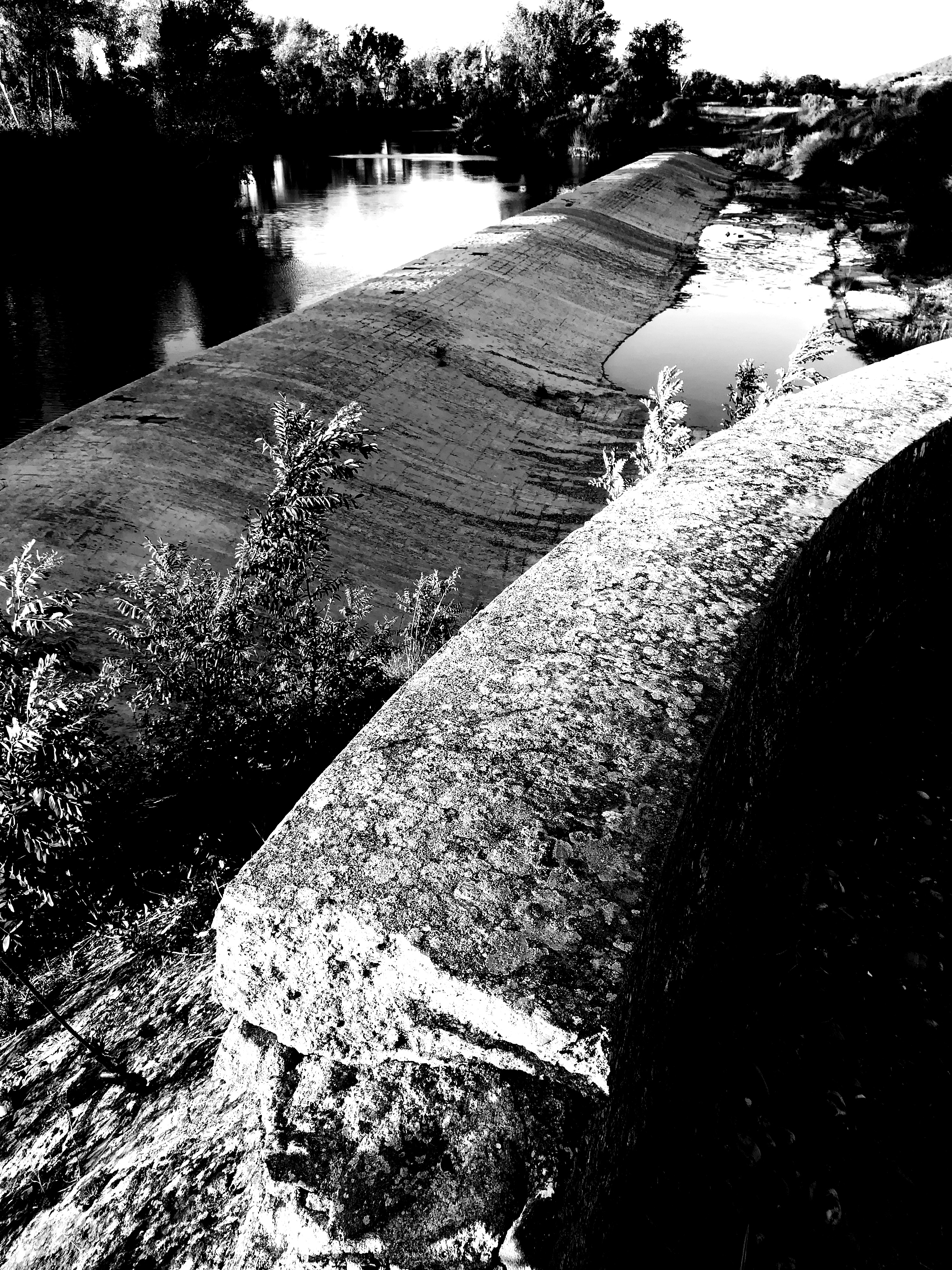
Diga della Steccaia – A Hidden Gem in the Tuscan Landscape
Discover the quiet charm of one of Tuscany’s lesser‑known engineering marvels, set against rolling hills, crystal‑clear waters, and a handful of historic fountains just a stone’s throw away.
Introduction
When you think of Tuscany, images of sun‑kissed vineyards, medieval towns, and world‑renowned art usually spring to mind. Yet the region is also home to a network of impressive waterworks that have shaped its agriculture and way of life for centuries. Among these, Diga della Steccaia (the Steccaia Dam) stands out as a tranquil oasis for travelers seeking a blend of nature, history, and off‑the‑beaten‑path exploration. Nestled near the small hamlet of Istia D'Ombrone‑Le Stiacciole, this modest dam offers a peaceful spot to pause, reflect, and soak up authentic Tuscan scenery—far from the crowds of Florence or Siena.
In this guide we’ll dive into the dam’s background, how to reach it, the best time to visit, what you’ll experience on site, and the charming nearby attractions that make a day‑trip here truly rewarding.
About Diga della Steccaia
A Brief Description
Diga della Steccaia is a concrete dam located at latitude 42.766691 and longitude 11.168335 in the heart of the Tuscan province of Grosseto. While its exact height and altitude are not publicly listed, the structure serves as a vital water retention facility for the surrounding agricultural lands, helping to irrigate the fertile valleys that produce some of Italy’s finest olives and grapes.
The dam creates a modest reservoir that mirrors the soft pastel tones of the Tuscan sky, framed by gently sloping hills dotted with olive groves and vineyards. Its simple, functional design blends seamlessly into the landscape, allowing visitors to enjoy a natural setting rather than an industrial spectacle.
Historical Context
The dam’s origins trace back to the mid‑20th century, a period when Italy invested heavily in water management infrastructure to support post‑war agricultural revitalization. Though specific construction dates are scarce, the Diga della Steccaia was part of a broader initiative to regulate the flow of the Ombrone River and its tributaries, ensuring a reliable water supply for both crops and local communities.
Over the decades, the dam has become more than a utilitarian structure; it now serves as a quiet gathering place for locals who fish, picnic, or simply admire the view. Its presence underscores Tuscany’s long‑standing relationship with water—an element that has shaped everything from ancient Roman aqueducts to modern hydro‑electric projects.
Significance for Travelers
For the adventurous traveler, Diga della Steccaia offers:
- Scenic Photography – The reservoir’s reflective surface provides ideal conditions for sunrise and sunset shots, especially when the hills are brushed with mist.
- Bird‑watching – The calm waters attract a variety of migratory birds, making it a subtle hotspot for nature enthusiasts.
- Cultural Insight – Visiting the dam offers a glimpse into the practical side of Tuscan life, complementing the region’s artistic and culinary attractions.
How to Get There
By Car
The most convenient way to reach Diga della Steccaia is by renting a car in Grosseto (approximately 30 km north) or Siena (about 70 km east). From either city, follow the SS223 south toward Istia d'Ombrone, then take the local road signs for Le Stiacciole. The drive is scenic, winding through vineyards and olive orchards, with ample opportunities to stop for a coffee in a traditional trattoria.
- From Grosseto: 30 km, ~35 minutes via SS223 and SP‑14.
- From Siena: 70 km, ~1 hour 10 minutes via Raccordo Autostradale Siena‑Grosseto (RA 23) and SS223.
Parking is available in a small lot near the dam’s entrance; the area is modest but sufficient for a few cars.
By Public Transport
Public transportation options are limited, reflecting the dam’s rural setting. The nearest train station is Grosseto on the Firenze–Roma line. From there, you can catch a regional bus (line P1 or P2) toward Istia d'Ombrone. The bus drops you off at the village center, after which a short 10‑minute walk (or a brief taxi ride) will bring you to the dam.
By Bike or Hiking
For the eco‑conscious traveler, the Tuscan countryside offers a network of cycling paths that connect Grosseto to the smaller villages. The route to Diga della Steccaia is moderately challenging due to gentle hills, but the reward is an intimate view of the landscape away from traffic.
Best Time to Visit
Spring (March–May)
Spring is arguably the most photogenic season. The hills burst into a kaleidoscope of green, wildflowers dot the fields, and the reservoir’s water level is typically high from winter rains. Temperatures range from 15‑22 °C (59‑72 °F), perfect for leisurely walks.
Summer (June–August)
Summers in Tuscany can be hot, with temperatures often exceeding 30 °C (86 °F). However, early mornings and evenings remain pleasant, and the dam’s cool waters provide a refreshing backdrop. This is also the peak tourist season, so expect more visitors at nearby towns.
Autumn (September–November)
Autumn brings a golden hue to the landscape, and the harvest season adds a festive atmosphere. The weather is mild (18‑24 °C / 64‑75 °F), and the reservoir’s water level may begin to recede, revealing interesting rock formations along the shore.
Winter (December–February)
Winter is quiet, with fewer tourists and a serene, mist‑filled ambiance. While some facilities in nearby villages may have limited hours, the dam itself remains accessible, offering dramatic, fog‑laden vistas for photographers.
Overall recommendation: Aim for late spring (April–May) or early autumn (September) for optimal weather, fewer crowds, and vibrant scenery.
What to Expect
The Atmosphere
Upon arrival, you’ll notice a gentle hush broken only by the occasional splash of a fish or the rustle of olive trees. The dam’s concrete walls are low enough to keep the view unobstructed, allowing the surrounding hills to dominate the horizon.
Activities
- Walking Trails: A short, well‑marked path circles the reservoir, offering multiple viewpoints. The trail is suitable for all ages and fitness levels.
- Picnicking: Benches and grassy patches near the water make ideal spots for a Tuscan picnic. Pack some local cheese, cured meats, and a bottle of Chianti for a truly regional experience.
- Fishing: Local anglers often cast lines for trout and carp. If you’re interested, bring your own gear; there are no formal permits required for casual fishing, but it’s courteous to respect local customs.
- Photography: Sunrise over the dam creates a soft orange glow, while sunset paints the water in deep purples. The nearby fountains (see next section) add interesting foreground elements.
Facilities
The site is modestly equipped: a small information kiosk (with brochures in Italian and English), public restrooms, and a parking area. There are no cafés or restaurants directly at the dam, so plan to bring refreshments or stop in Istia d'Ombrone beforehand.
Nearby Attractions
A short drive or walk from Diga della Steccaia brings you to several historic fountains—perfect for a leisurely exploration of Tuscan rural heritage.
| Attraction | Distance from Dam | Highlights |
|---|---|---|
| Fountain 1 | 4.4 km | A stone basin dating back to the 16th century, surrounded by ancient olive trees. |
| Fountain 2 | 4.6 km | Known locally as Fonte di San Giovanni, this fountain feeds a small irrigation channel still used by nearby farms. |
| Fountain 3 | 4.6 km | Features a decorative marble plaque commemorating a 19th‑century water reform. |
| Fountain 4 | 4.6 km | A charming limestone spring that creates a tiny cascade—great for a cool foot dip on hot days. |
| Il Puledro | 4.8 km | A historic stone fountain named after a local legend of a stray horse (puledro) that discovered the water source. |
While specific URLs for each fountain are not available, you can learn more about Tuscan fountains and their cultural importance on the Wikipedia page for fountains in Italy.
These fountains are scattered across the gentle valleys surrounding the dam, each offering a glimpse into the centuries‑old relationship between Tuscan communities and their water sources. They make for a delightful walking circuit—especially if you enjoy discovering hidden historical gems.
Travel Tips
| Tip | Details |
|---|---|
| Bring Cash | Small villages may not accept cards at all establishments. |
| Dress in Layers | Even in summer, evenings near the water can be cool. |
| Stay Hydrated | The Tuscan sun can be intense; carry a reusable water bottle. |
| Respect Private Property | Some sections of the surrounding farmland are privately owned; stay on marked paths. |
| Check Road Conditions | Rural roads can be narrow and winding; a GPS or offline map is handy. |
| Timing for Photography | Arrive 30 minutes before sunrise or sunset for the best light and fewer crowds. |
| Local Cuisine | Stop in Istia d'Ombrone for a quick bite—try the pappa al pomodoro or a fresh crostino with locally produced olive oil. |
| Language | Basic Italian phrases (“Buongiorno”, “Grazie”, “Dove è il bagno?”) go a long way with locals. |
| Leave No Trace | Pack out all litter and avoid feeding wildlife to preserve the natural environment. |
Final Thoughts
Diga della Steccaia may not appear on the typical Tuscan itinerary, but that’s precisely why it’s a treasure for the curious traveler. Its serene reservoir, modest yet functional design, and proximity to historic fountains create a unique blend of nature, engineering, and cultural heritage. Whether you’re a photographer chasing golden light, a history buff tracing the evolution of water management in Italy, or simply someone looking for a peaceful spot to unwind, the dam offers an unforgettable slice of authentic Tuscany.
Pack your camera, your appetite for local flavors, and a sense of adventure—the Steccaia Dam awaits. Safe travels!