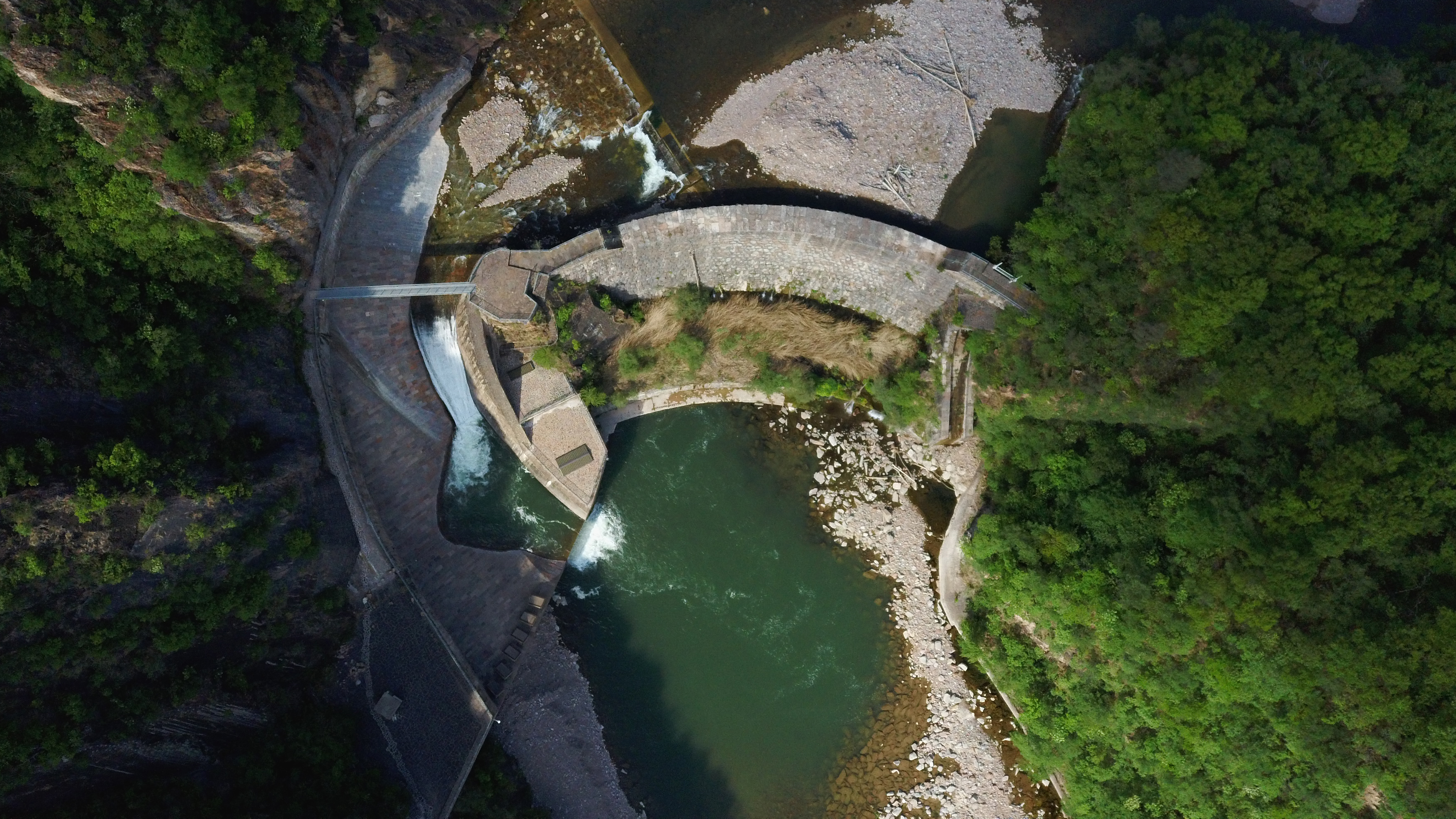
Serra di San Giorgio – The Hidden Weir Gem of Lavis, Trentino‑Alto Adige
Discover the quiet charm of a historic hydraulic structure tucked into the Alpine foothills of northern Italy.
Introduction
If you think the Dolomites are only about soaring peaks and winding mountain roads, think again. Just a few kilometres north of the bustling town of Trento lies a modest yet captivating piece of engineering history: Serra di San Giorgio, a small weir perched on the banks of the River Adige in the municipality of Lavis, Trentino‑Alto Adige. While it may not have the fame of a medieval castle or a glacial lake, this unassuming structure offers a unique glimpse into the region’s water‑management legacy, spectacular photo opportunities, and a peaceful spot to unwind away from the typical tourist trail.
In this guide we’ll dive into the story behind the weir, how to reach it, the best seasons to visit, what you’ll see on site, nearby attractions, and practical tips to make your trip smooth and memorable.
About Serra di San Giorgio
What is a weir?
A weir is a low barrier built across a river to control water flow, raise the water level, or divert water for irrigation, hydro‑electric power, or flood protection. Unlike large dams, weirs are usually modest in size, allowing water to spill over the top while still influencing the river’s behavior.
History and significance
Serra di San Giorgio dates back to a period when the Adige Valley needed reliable water regulation for agriculture and early industry. Although the exact construction date isn’t recorded in public sources, the weir’s stone masonry and traditional design echo the 19th‑century wave of hydraulic projects that transformed the Trentino landscape.
Its name—Serra meaning “ridge” or “dam” in the local dialect, and San Giorgio referencing the patron saint of the nearby parish—highlights the close bond between the community and the river. Over the decades, the weir has helped protect Lavis’s low‑lying fields from flooding, supported local irrigation, and contributed to the modest hydro‑electric generation that powers many Alpine villages today.
Why it matters today
Beyond its functional role, Serra di San Giorgio is a living museum of Italian hydraulic engineering. Visitors can appreciate the blend of stone craftsmanship and natural scenery, observe how the weir subtly shapes the river’s flow, and reflect on centuries of human‑nature interaction in the Alpine foothills. For photographers, birdwatchers, and anyone who loves quiet riverbanks, the weir offers a serene backdrop framed by the dramatic mountains of Trentino‑Alto Adige.
For more background, check the Italian Wikipedia entry: Serra di San Giorgio (it.wikipedia.org).
How to Get There
By car
- From Trento: Take the SS12 (Strada Statale 12) heading north toward Lavis. After about 6 km, follow the signs for Lavis Centro and look for the local road that leads to the riverbank near Via Roma. Parking is available in a small municipal lot just a few minutes’ walk from the weir.
- From Verona or Bolzano: Both cities connect to the A22 Autostrada del Brennero. Exit at Trento Nord (A22, exit 25) and follow the same SS12 route northward.
By public transport
- Train: The regional Trenitalia line stops at Lavis station (about 2 km from the weir). Trains run hourly from Trento, Verona, and Bolzano.
- Bus: Local bus line #12 (Trento – Lavis – Rovereto) stops at Piazza della Repubblica in Lavis. From there, it’s a pleasant 15‑minute walk along the river trail to the weir.
By bike or on foot
The Adige River trail (Sentiero del Fiume Adige) is a well‑marked, mostly flat path that follows the river for dozens of kilometres. Cyclists can ride the EuroVelo 5 route, which passes right by Serra di San Giorgio. The trail is suitable for families and offers numerous rest spots and signage.
Best Time to Visit
| Season | Weather | Why visit? |
|---|---|---|
| Spring (April‑June) | Mild temperatures (12‑20 °C), river flow increasing with snowmelt. | Lush vegetation, blooming wildflowers, and vibrant water levels make for spectacular photos. |
| Summer (July‑August) | Warm (20‑28 °C), occasional thunderstorms. | Longer daylight hours for leisurely walks; perfect for picnics on the riverbank. |
| Autumn (September‑October) | Cool (10‑18 °C), golden foliage. | The river’s turquoise hue contrasts beautifully with amber leaves; fewer crowds. |
| Winter (November‑March) | Cold (0‑5 °C), occasional frost. | A quiet, almost mystical atmosphere; the weir may be partially iced—great for atmospheric shots. |
Tip: The best water flow for observing the weir’s spill‑over action is late spring to early autumn, when the Adige is at its fullest but still safe for walking along the banks.
What to Expect
The scenery
Approaching Serra di San Giorgio, you’ll first notice the gentle curve of the Adige River, its crystal‑clear water gliding over the stone crest of the weir. The structure itself is built from locally quarried limestone, weathered to a warm, honey‑tone that blends seamlessly with the surrounding Alpine flora. On either side, you’ll find a mix of cultivated fields, scattered poplar trees, and, in the distance, the dramatic silhouette of the Dolomiti di Brenta.
Activities
- Photography: Capture the water cascading over the weir, especially during golden hour. The juxtaposition of historic stonework and modern mountain backdrop is a favorite among Instagrammers.
- Birdwatching: The river corridor attracts species such as the Eurasian kingfisher, grey heron, and various ducks. Bring binoculars for a closer look.
- Picnicking: Small wooden benches and grassy patches near the weir make ideal spots for a snack. Local bakeries in Lavis sell fresh focaccia and regional cheeses—perfect for a riverside lunch.
- Educational walk: If you’re interested in engineering, follow the short interpretive signs (available in Italian and English) that explain how the weir regulates water flow and its role in regional flood management.
Facilities
- Restrooms: Public toilets are located at the nearby municipal park, about 300 m away.
- Accessibility: The path to the weir is mostly level and suitable for wheelchairs, though a few sections near the water edge can be slippery after rain.
- Safety: The river can be swift during high‑water periods. Stay on marked trails and keep a safe distance from the spill‑over edge.
Nearby Attractions
While Serra di San Giorgio is the star of the day, the surrounding area offers several other points of interest that are just a short walk or bike ride away:
| Distance | Attraction | Type | Quick Link |
|---|---|---|---|
| 0.1 km | Weir A | Small weir | Map |
| 0.4 km | Weir B | Historic weir | Map |
| 0.5 km | Weir C | Modern hydraulic structure | Map |
| 0.5 km | Weir D | Scenic weir with viewing platform | Map |
| 0.7 km | Weir E | Small cascade weir | Map |
Note: The nearby weirs are part of the same river‑management network and each offers its own perspective on the Adige’s flow. They’re perfect for a short “weir‑hopping” tour.
Other attractions within a 10‑km radius include:
- Lavis Historical Center – charming streets, the Church of San Giorgio, and a small museum on local agriculture.
- Parco delle Terme di Lavis – a green park with walking trails, perfect for a post‑visit stroll.
- Museo della Scienza e della Tecnologia di Trento – a short drive to Trento for science enthusiasts.
Travel Tips
| Tip | Details |
|---|---|
| Bring layered clothing | Alpine weather can shift quickly, especially near the river. A light waterproof jacket is advisable even in summer. |
| Carry cash | Small local vendors in Lavis often prefer cash, especially for fresh pastries and regional wines. |
| Use a reusable water bottle | Tap water in Trentino‑Alto Adige is safe and delicious—stay hydrated while reducing plastic waste. |
| Check river conditions | After heavy rain, the Adige can rise fast. Verify local alerts (available on the Trentino regional website) before walking close to the water. |
| Timing for photos | Early morning (sunrise) and late afternoon (golden hour) provide the softest light and fewer visitors. |
| Bike rentals | Several shops in Trento and Lavis rent city bikes and e‑bikes. An e‑bike makes the short climb to the weir effortless. |
| Respect the environment | Stay on marked paths, avoid littering, and keep a respectful distance from wildlife. The area is part of a protected river corridor. |
| Language | Italian is the official language; however, many locals speak German and English, especially in tourism offices. A few Italian phrases (e.g., “Buongiorno” and “Grazie”) go a long way. |
Final Thoughts
Serra di San Giorgio may not be on the typical itinerary of the Dolomites, but that’s exactly why it shines. It offers a quiet, authentic slice of Trentino‑Alto Adige’s cultural and engineering heritage, framed by the timeless beauty of the Adige River. Whether you’re a history buff, a nature lover, or simply a traveler looking for an off‑the‑beaten‑path spot, the weir invites you to pause, listen to the water’s murmur, and appreciate the subtle ways humans have shaped—and been shaped by—the Alpine landscape.
Pack your camera, slip on comfortable shoes, and set out for Lavis. Serra di San Giorgio awaits, ready to add a gentle ripple to your Italian adventure.
Keywords used: Serra di San Giorgio, weir in Trentino-Alto Adige, Lavis Italy travel, Adige River, hydraulic engineering Italy, Alpine river weir, things to do near Trento, off the beaten path Italy, travel tips Trentino.