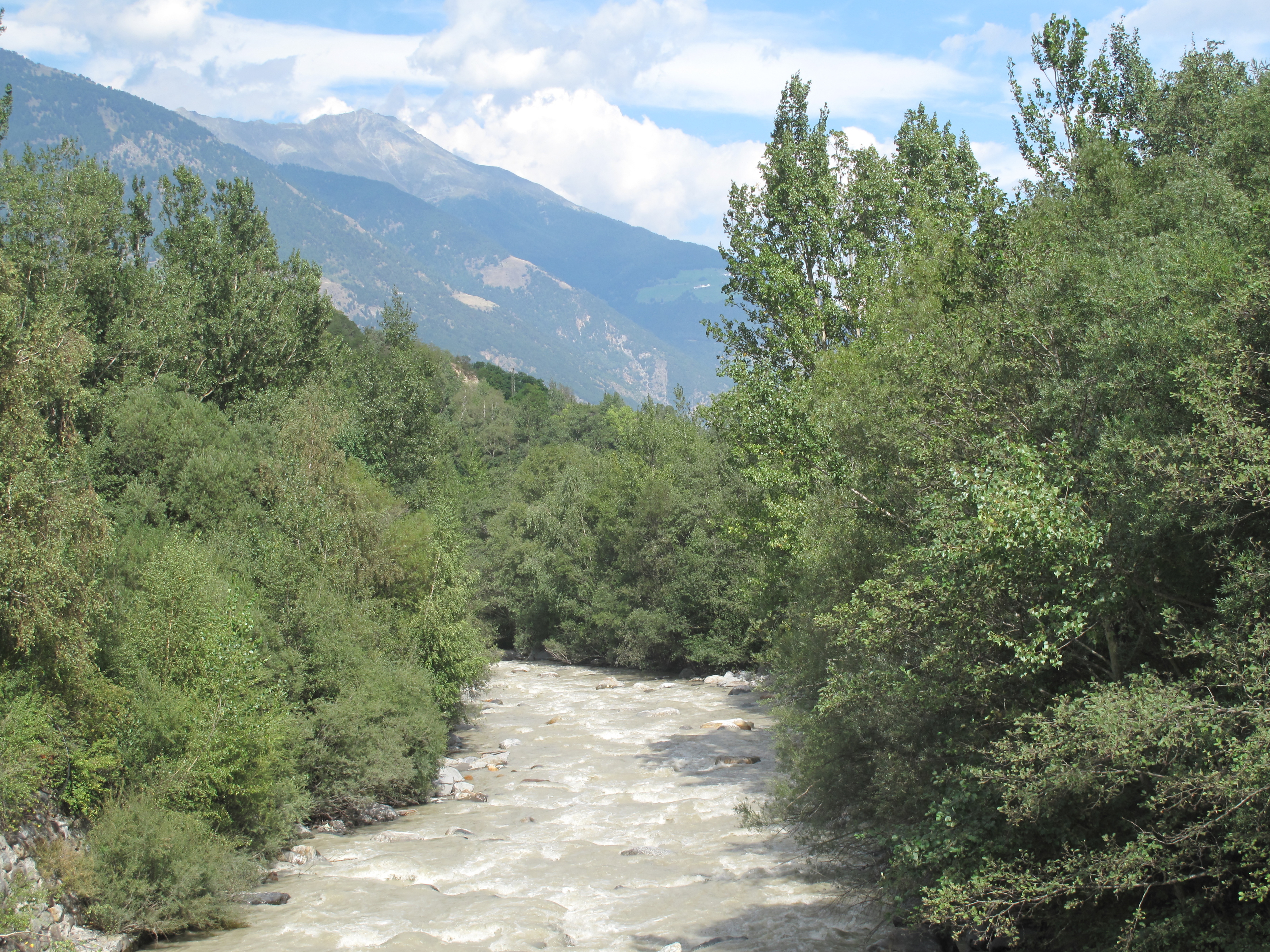
Etschquelle – Sorgente dell’Adige: Italy’s Alpine Spring Hidden in Trentino‑Alto Adige
Discover the crystal‑clear source of the Adige River, nestled at 1,550 m above sea level in the breathtaking Dolomites.
Introduction
Imagine standing at the very spot where one of Italy’s longest rivers begins its journey through valleys, vineyards, and historic cities. The Etschquelle – Sorgente dell’Adige (the source of the Adige, known in German as the Etsch) offers exactly that experience—a pristine alpine spring set against rugged peaks, fragrant pine forests, and the quiet charm of the South Tyrolean village of Curon Venosta. Whether you’re a seasoned hiker, a photography enthusiast, or simply a traveler craving a touch of natural wonder, this hidden gem in Trentino‑Alto Adige deserves a place on your Italian itinerary.
About Etschquelle – Sorgente dell’Adige
What is it?
Etschquelle is a natural spring where the Adige River (Italian: Adige, German: Etsch) emerges from the ground. Located at 46.835329 N, 10.515128 E, the spring sits at an altitude of 1,550 m above sea level, feeding the river that eventually flows through the cities of Bolzano, Trento, and Verona before emptying into the Adriatic Sea.
Historical and Cultural Significance
The Adige is Italy’s second‑longest river, and its source has long been a point of fascination for geographers, historians, and poets. While the exact date of the spring’s “discovery” is undocumented, the river itself has shaped the cultural landscape of the Alpine region for millennia—providing water for agriculture, routes for trade, and inspiration for countless works of art. The spring is referenced in the German‑language Wikipedia article for the Etsch (see de:Etsch), underscoring its importance in both Italian and Austrian contexts.
Why It Matters
- Ecological hub: The spring feeds a river that supports diverse alpine flora and fauna.
- Geographical landmark: It marks the watershed that separates the Mediterranean basin from the Alpine interior.
- Photographic treasure: The crystal‑clear water, set against jagged peaks, creates a picture‑perfect tableau for travelers.
How to Get There
By Air
- Innsbruck Airport (INN) – 90 km north, the closest international gateway.
- Verona Villafranca Airport (VRN) – 180 km south, with more flight options.
From either airport, rent a car or take a combination of train and bus to reach Curon Venosta (the nearest village).
By Train
- Bolzano/Bozen – Main railway hub in South Tyrol. From Bolzano, catch a regional train to Mals (Malles), then a local bus to Curon Venosta.
- Trento – Connects via regional services to Mals as well.
By Car
- From Bolzano: Follow the SS38 (Strada Statale 38) north toward Mals, then take the SS44 (Passo del Rombo) road to Curon Venosta.
- From Innsbruck: Drive south on the A12/E60, cross the Brenner Pass, then continue on the A22/E45 to Bolzano and follow the same route.
Parking is available in Curon Venosta’s small lot; from there, the trailhead to the spring begins just a short walk away.
By Foot / Hiking
The most rewarding way to reach the spring is on foot. The Etschquelle Trail starts at the edge of Curon Venosta and ascends gently through alpine meadows. The hike is moderately easy, covering roughly 3 km round‑trip with an elevation gain of about 300 m. Well‑marked signposts (white “E” for Etsch) guide you to the exact spot where the water bubbles up.
Best Time to Visit
| Season | Conditions | Why Visit |
|---|---|---|
| Late Spring (May‑June) | Snow melt swells the spring; wildflowers bloom. | Fresh, vibrant scenery; fewer crowds. |
| Summer (July‑August) | Warm days, stable weather, fully open trails. | Ideal for photography and longer hikes. |
| Early Autumn (September‑October) | Golden foliage, cooler temperatures. | Dramatic color contrast with the blue water. |
| Winter (December‑April) | Snow-covered landscape, trail may be icy. | For adventurous snowshoeers; limited access. |
Tip: The optimal window for most travelers is late May through early October when the trail is clear, the water is at its clearest, and daylight hours are generous.
What to Expect
Arriving at Etschquelle, you’ll first notice the gentle, melodic sound of water emerging from a rocky fissure. The spring’s pool is a striking turquoise, reflecting the surrounding peaks of the Dolomiti di Brenta range. The air is crisp, scented with pine and alpine herbs, and the silence is punctuated only by the occasional bird call.
- Scenic Views: Panoramic vistas of the Mals valley and distant snow‑capped summits.
- Water Quality: The water is pure, cold (around 5‑7 °C), and safe to taste—though many visitors simply sip a quick mouthful to feel the river’s “origin”.
- Trail Experience: A well‑maintained path with wooden boardwalk sections over wetter ground, suitable for families and casual walkers.
- Photography: Early morning light creates a soft glow on the water; late afternoon offers dramatic shadows and vibrant colors.
Because the spring is a protected natural site, visitors are asked to stay on the designated path, avoid litter, and respect any signage regarding wildlife.
Nearby Attractions
While the spring is the star attraction, the surrounding area offers several other points of interest within a short drive or hike. Click the links for more details (placeholder URLs – replace with actual pages when publishing).
- Spring in Tyrol, Austria – 2.6 km – A small alpine spring just across the border, perfect for a quick photo stop. Learn more →
- Fountain in Trentino‑Alto Adige – 3.3 km – A historic stone fountain nestled in a meadow. Learn more →
- Fountain in Trentino‑Alto Adige – 4.9 km – Another charming water feature surrounded by traditional Tyrolean architecture. Learn more →
- Dam in Trentino‑Alto Adige – 5.1 km – A modern hydro‑electric dam offering guided tours on sustainable energy. Learn more →
- Fountain in Tyrol, Austria – 5.1 km – A picturesque mountain fountain with a backdrop of alpine pastures. Learn more →
These spots can be combined into a half‑day itinerary, giving you a broader taste of the cross‑border Alpine culture.
Travel Tips
| Tip | Details |
|---|---|
| Dress in layers | Weather can shift quickly at 1,550 m; bring a waterproof jacket and sturdy hiking shoes. |
| Carry water & snacks | While the spring water is drinkable, there are no vending facilities nearby. |
| Start early | To avoid the occasional afternoon crowd and capture the best light for photos. |
| Respect the environment | Pack out all trash, stay on marked trails, and refrain from picking alpine plants. |
| Check trail conditions | In early spring, some sections may be icy; local tourism offices in Curon Venosta provide up‑to‑date info. |
| Currency | South Tyrol uses the Euro; ATMs are available in Bolzano and larger towns. |
| Language | Both Italian and German are official; most locals speak both fluently. |
| Connectivity | Mobile signal is limited on the trail; download offline maps (e.g., Komoot, AllTrails) beforehand. |
| Photography | Bring a polarizing filter to reduce glare on the water and enhance sky contrast. |
| Nearby food | After your hike, try a traditional Speck platter or Canederli (bread dumplings) in Curon Venosta’s cozy tavern. |
Final Thoughts
The Etschquelle – Sorgente dell’Adige is more than just a spring; it’s the birthplace of a river that has shaped centuries of history, culture, and landscapes across northern Italy. Its crystal waters, alpine backdrop, and tranquil atmosphere make it a must‑visit for anyone traveling through Trentino‑Alto Adige. Pair the visit with nearby Austrian and Italian attractions for a truly cross‑border adventure, and you’ll leave with memories of the pure, untouched beauty that only the Alps can offer.
Pack your boots, charge your camera, and set out to discover where the Adige begins its legendary flow.
Keywords: Etschquelle, Sorgente dell’Adige, Adige River source, Trentino‑Alto Adige spring, Curon Venosta travel, Alpine spring Italy, Dolomites hiking, Italy natural attractions, South Tyrol travel guide.