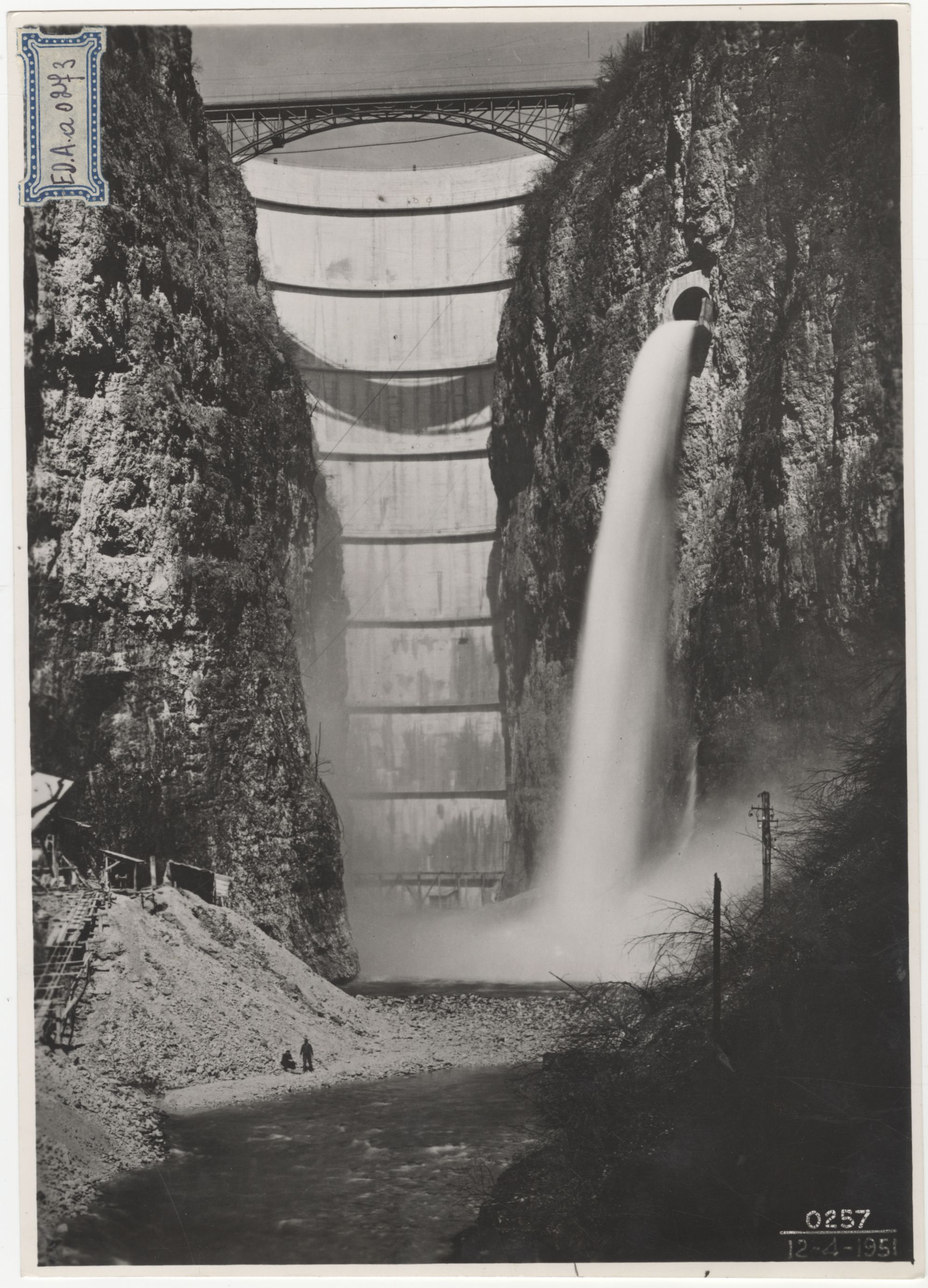
Diga di Santa Giustina – A Hidden Alpine Marvel in Trentino‑Alto Adige
If you think the Dolomites are only about towering peaks and winding ski runs, think again. Nestled in the valley of Tassullo, the Diga di Santa Giustina (Santa Giustina Dam) offers a striking blend of engineering prowess and Alpine scenery that makes it a must‑see stop for any traveler exploring northern Italy.
1. Introduction
Imagine standing on a stone‑capped ridge, the wind whispering through pine‑laden slopes, and below you a massive concrete wall holding back crystal‑clear water that shimmers like a mirror of the sky. That’s the experience at Diga di Santa Giustina, a 102.5‑metre‑high dam that quietly dominates the landscape of Trentino‑Alto Adige. While the dam itself is a functional piece of hydroelectric infrastructure, its dramatic setting, easy accessibility, and proximity to natural wonders make it an unexpected highlight on any Italian road‑trip itinerary.
2. About Diga di Santa Giustina
A Brief Overview
- Location: Tassullo, Trentino‑Alto Adige, Italy
- Coordinates: 46.345848 N, 11.061276 E
- Height: 102.5 m
- Type: Concrete dam (hydroelectric)
The Santa Giustina Dam was built to capture the power of the region’s mountain streams and turn it into clean electricity for the surrounding valleys. Although the exact year of construction isn’t widely publicised, the dam has become an integral part of the local energy network and a symbol of post‑war engineering ambition in the Italian Alps.
Why It Matters
Beyond its practical role, the dam is a striking visual landmark. Its massive concrete face contrasts with the soft, verdant slopes that rise behind it, creating a photogenic tableau that changes with the seasons. The reservoir created by the dam offers a tranquil surface for reflection—both literal and metaphorical—while the surrounding forests provide habitat for alpine wildlife. For hikers, cyclists, and photographers, Diga di Santa Giustina is a perfect spot to pause and soak in the grandeur of Trentino‑Alto Adige’s natural and industrial heritage.
3. How to Get There
By Car
The most convenient way to reach the dam is by car. From Bolzano, follow the A22/E45 highway south toward Trento, then take the SS42 exit for Tassullo. The drive from Trento to Tassullo takes roughly 45 minutes, and the dam is sign‑posted once you enter the town limits. Parking is available in a small lot near the dam’s visitor area—just follow the white signs that read “Parcheggio Diga Santa Giustina.”
By Public Transport
- Train: The nearest major railway station is Trento (about 30 km away). From Trento, regional trains run to Caldaro (Kaltenmarkt), where you can catch a local bus toward Tassullo.
- Bus: The SAD (Società Adriatica Trasporti) bus line 310 connects Trento and Tassullo several times a day. The bus stop is a short walk from the dam’s entrance.
From the Airport
The closest international airports are Verona Villafranca (VRN) (≈150 km) and Innsbruck (INN) (≈130 km). Both airports have car‑rental services and shuttle connections to the A22, making the drive to Tassullo straightforward.
GPS Navigation
Enter the coordinates 46.345848, 11.061276 into your navigation system for a direct route to the dam’s viewpoint.
4. Best Time to Visit
| Season | What to Expect | Why It’s Ideal |
|---|---|---|
| Spring (April‑June) | Snow‑melt swells the reservoir, waterfalls nearby are at peak flow, wildflowers begin to bloom. | Mild temperatures and vibrant colors make for excellent photography. |
| Summer (July‑September) | Warm, sunny days perfect for picnics and long walks along the dam’s perimeter. | Longer daylight hours allow for extended exploration of nearby attractions. |
| Autumn (October‑November) | Golden foliage frames the dam, and the water takes on a deep, reflective hue. | Fewer crowds and crisp air enhance the hiking experience. |
| Winter (December‑March) | The dam and surrounding landscape are often dusted with snow, creating a dramatic, almost surreal scene. | Ideal for winter photography; however, some trails may be icy, so proper gear is essential. |
Overall, late spring to early autumn offers the most comfortable conditions for most travelers, but the dam’s stark winter beauty is a rewarding sight for those prepared for colder weather.
5. What to Expect
The View
Approaching the dam, you’ll first notice the sheer scale of the concrete wall, rising over 100 metres above the valley floor. The reservoir stretches back into the mountains, its surface sometimes a mirror, other times a rippling sheet of turquoise, depending on the weather and season. From the designated viewpoint, you can walk right up to the dam’s base, feeling the raw power of engineering against the gentle hush of alpine nature.
Activities
- Photography: Sunrise and sunset cast dramatic shadows on the dam’s façade. Bring a wide‑angle lens to capture both the structure and the surrounding peaks.
- Walking & Hiking: A marked trail circles the reservoir, offering several lookout points. The path is mostly flat, suitable for casual walkers and families.
- Picnicking: Benches and a small picnic area near the visitor centre provide a perfect spot to enjoy a packed lunch while admiring the scenery.
- Birdwatching: The reservoir attracts waterfowl and alpine birds; binoculars are handy for spotting species like the Eurasian wryneck or golden eagle on distant cliffs.
Facilities
- Visitor Centre: Open during the high season (April‑October) with informational panels in Italian and English.
- Restrooms: Available near the parking lot.
- Café: A modest kiosk serves coffee, pastries, and cold drinks during the summer months.
6. Nearby Attractions
The dam sits in a pocket of natural beauty, and a short stroll will bring you to several charming spots:
| Distance | Attraction | Type | Approx. Travel |
|---|---|---|---|
| 0.9 km | Local Waterfall | Waterfall | 10‑minute walk |
| 1.1 km | Mountain Fountain | Fountain | 12‑minute walk |
| 2.2 km | Highland Fountain | Fountain | 25‑minute walk / bike |
| 2.3 km | Valley Fountain | Fountain | 25‑minute walk / bike |
| 2.4 km | Hidden Waterfall | Waterfall | 30‑minute walk / bike |
These natural features are perfect for a quick detour after you’ve explored the dam. The waterfalls cascade over rocky ledges, creating misty rainbows on sunny days, while the fountains are historic stone structures that add a touch of rustic charm to the alpine landscape.
7. Travel Tips
- Check Opening Hours – The visitor centre and café operate seasonally. Arrive early in the morning during shoulder seasons to avoid any surprise closures.
- Dress in Layers – Alpine weather can shift quickly; a windproof jacket and sturdy walking shoes are advisable year‑round.
- Parking – The lot near the dam fills up fast in summer weekends. Arriving before 10 am secures a spot and lets you beat the crowds.
- Bring a Camera and a Tripod – The dam’s geometry and surrounding reflections reward both wide‑angle shots and long‑exposure night photography.
- Respect the Environment – Stay on marked paths, especially near the waterfalls, to protect fragile alpine flora.
- Stay Hydrated – Even on mild days, altitude and walking can be dehydrating. Carry a water bottle.
- Public Transport Pass – If you’re traveling by bus or train, consider purchasing a regional travel pass (e.g., Trentino Card) for unlimited rides and discounts at local attractions.
- Local Cuisine – After your visit, head into Tassullo’s town centre for a plate of canederli (bread dumplings) or a glass of Trentino Pinot Grigio—the perfect way to end a day of exploration.
Final Thoughts
Whether you’re an engineering enthusiast, a nature lover, or simply a traveler seeking off‑the‑beaten‑path experiences, Diga di Santa Giustina offers a unique blend of both worlds. Its towering presence against the backdrop of the Dolomites, the tranquil reservoir, and the nearby waterfalls and fountains make it a compact yet unforgettable destination. Add it to your Trentino‑Alto Adige itinerary, and you’ll discover why this dam is more than just a piece of infrastructure—it’s a gateway to the heart of Italy’s Alpine charm.
Happy travels, and may your journey be as steady and inspiring as the waters held by Santa Giustina!