Fontana dei Cavalli – Ancona’s Hidden Marble Marvel
Discover the charm of the Fontana dei Cavalli, a lesser‑known fountain that captures the spirit of The Marches and offers a perfect pause in the bustling streets of Ancona.
1. Introduction
If you think you’ve seen every fountain Italy has to offer, think again. Tucked away in the historic Le Grazie district of Ancona, the Fontana dei Cavalli (literally “Fountain of the Horses”) is a quiet oasis that blends Baroque elegance with maritime folklore. Its sculpted horses—still glistening after centuries of rain and sunshine—invite travelers to linger, snap a photo, and soak up a slice of local life far from the usual tourist crowds. Whether you’re a seasoned wanderer of The Marches or a first‑time visitor to the Adriatic coast, this fountain deserves a spot on your itinerary.
2. About Fontana dei Cavalli
A Brief Description
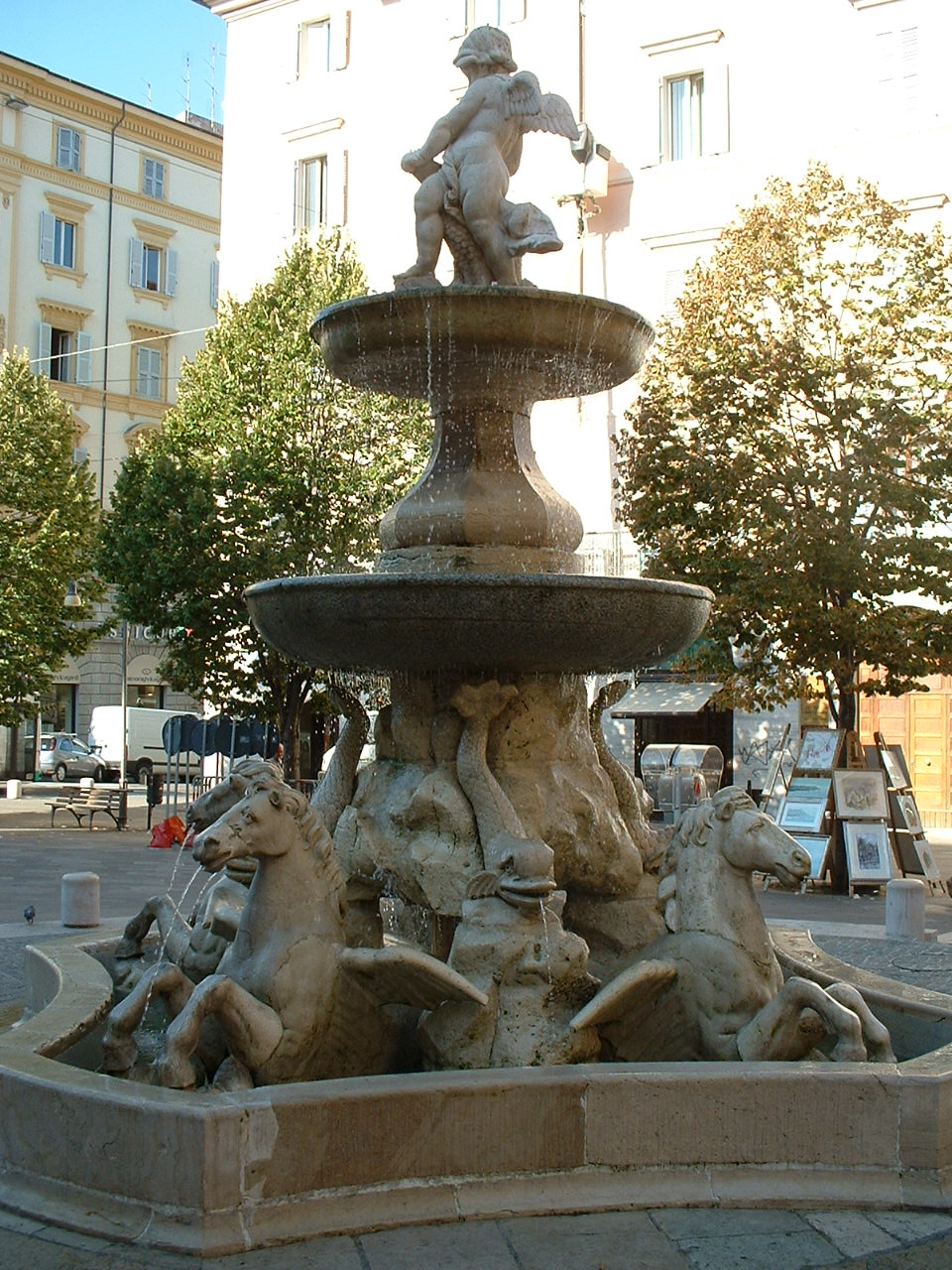
The Fontana dei Cavalli is a marble fountain featuring two life‑size horses that appear to gallop out of the water. Set against a modest stone basin, the sculpture is a striking example of Marble Marine (Cavalli Marini) artistry that was popular in the 18th‑century coastal towns of Italy. While the exact height of the fountain remains undocumented, its presence is unmistakable at the intersection of Via Le Grazie and the surrounding alleyways.
Historical Roots
According to the Italian Wikipedia entry [Fontana dei Cavalli Marini](https://it.wikipedia.org/wiki/Fontana%20dei%20Cavalli%20Marini), the fountain was commissioned during a period when Ancona sought to celebrate its maritime heritage. The horses symbolize the city’s historic connection to the sea—guardians of sailors and merchants who once set sail from the nearby port. Over time, the fountain became a communal meeting point, a place where locals gathered to exchange news, enjoy a cool drink, and admire the flowing water that once supplied the neighborhood’s wells.
Cultural Significance
Beyond its aesthetic appeal, the Fontana dei Cavalli reflects The Marches’ love for public art and water features. In a region dotted with fountains—from the ornate Fontana del Calamo to the whimsical Fontana dei due soli—each structure tells a story of civic pride, religious devotion, or local legend. The horses at this fountain, in particular, echo the mythic “Cavalli Marini” (sea horses) that appear in Adriatic folklore, representing both strength and the ever‑changing tides of life.
3. How to Get There
By Air
The nearest gateway is Ancona Falconara Airport (AOI), located about 30 km north of the city centre. From the airport, you can catch a regional train to Ancona Central Station (approx. 30 min) or hop on a local bus (Lines 1, 2, or 6) that drops you within walking distance of Le Grazie.
By Train
Ancona is a major stop on Italy’s high‑speed rail network (Frecciarossa, Italo) and on regional Trenitalia services. Arriving at Ancona Centrale, exit toward Piazza del Plebiscito and follow the signs to the historic centre. The Fontana dei Cavalli sits just a short 10‑minute walk from the station—head west on Via Gabriele D’Annunzio, turn left onto Via Le Grazie, and you’ll spot the fountain at the intersection of the narrow lanes.
By Bus & Public Transport
Local ATC (Ancona Trasporti) buses serve the Le Grazie neighbourhood. Routes 1, 2, 6, and 7 stop at Le Grazie (stop name: “Le Grazie – Fontana dei Cavalli”). Tickets can be purchased at kiosks, tabaccherie, or via the ATC mobile app.
By Car
If you’re driving, park in one of the municipal parking lots near Piazza del Plebiscito or the underground garage at Via Cavour. From there, the fountain is a pleasant walk through pedestrian‑friendly streets—just be mindful of limited traffic zones (ZTL) in the historic centre.
Coordinates
- Latitude: 43.618173
- Longitude: 13.513202
Plug these into your GPS for precise navigation.
4. Best Time to Visit
| Season | Why Visit | Tips |
|---|---|---|
| Spring (Mar–May) | Mild temperatures, blooming bougainvillea, and fewer tourists. | Bring a light jacket; early morning light is perfect for photography. |
| Summer (Jun–Aug) | Vibrant street life, open‑air cafés, and evening “passeggiata” (stroll). | Arrive early or late afternoon to avoid midday heat; carry water. |
| Autumn (Sep–Nov) | Golden light, harvest festivals in nearby markets, and comfortable weather. | Ideal for a relaxed visit; the fountain’s stone glows in the soft sun. |
| Winter (Dec–Feb) | Quiet streets, festive decorations, and a chance to see the fountain without crowds. | Dress warmly; some nearby attractions may have reduced hours. |
Overall, late spring and early autumn provide the optimal blend of pleasant weather, lively ambience, and manageable crowds.
5. What to Expect
Stepping onto the cobblestones surrounding the Fontana dei Cavalli, you’ll be greeted by the gentle murmur of water cascading over marble. The horses, rendered in crisp detail, seem to leap from the basin, their muscular bodies catching the sunlight and casting playful shadows. The fountain’s modest size makes it an intimate spot—perfect for a quiet pause, a quick sketch, or a selfie with the iconic horses.
Surrounding the fountain are narrow alleys lined with pastel‑colored stone houses, tiny artisan workshops, and family‑run trattorias serving fresh Adriatic seafood. The scent of espresso drifts from nearby cafés, while locals often gather on the stone steps to chat, play cards, or simply enjoy the view. In the evenings, the fountain is softly illuminated, turning the scene into a romantic tableau that feels straight out of a classic Italian film.
6. Nearby Attractions
While you’re in the Le Grazie district, make the most of your visit by exploring these nearby fountains and landmarks, each within a short walk:
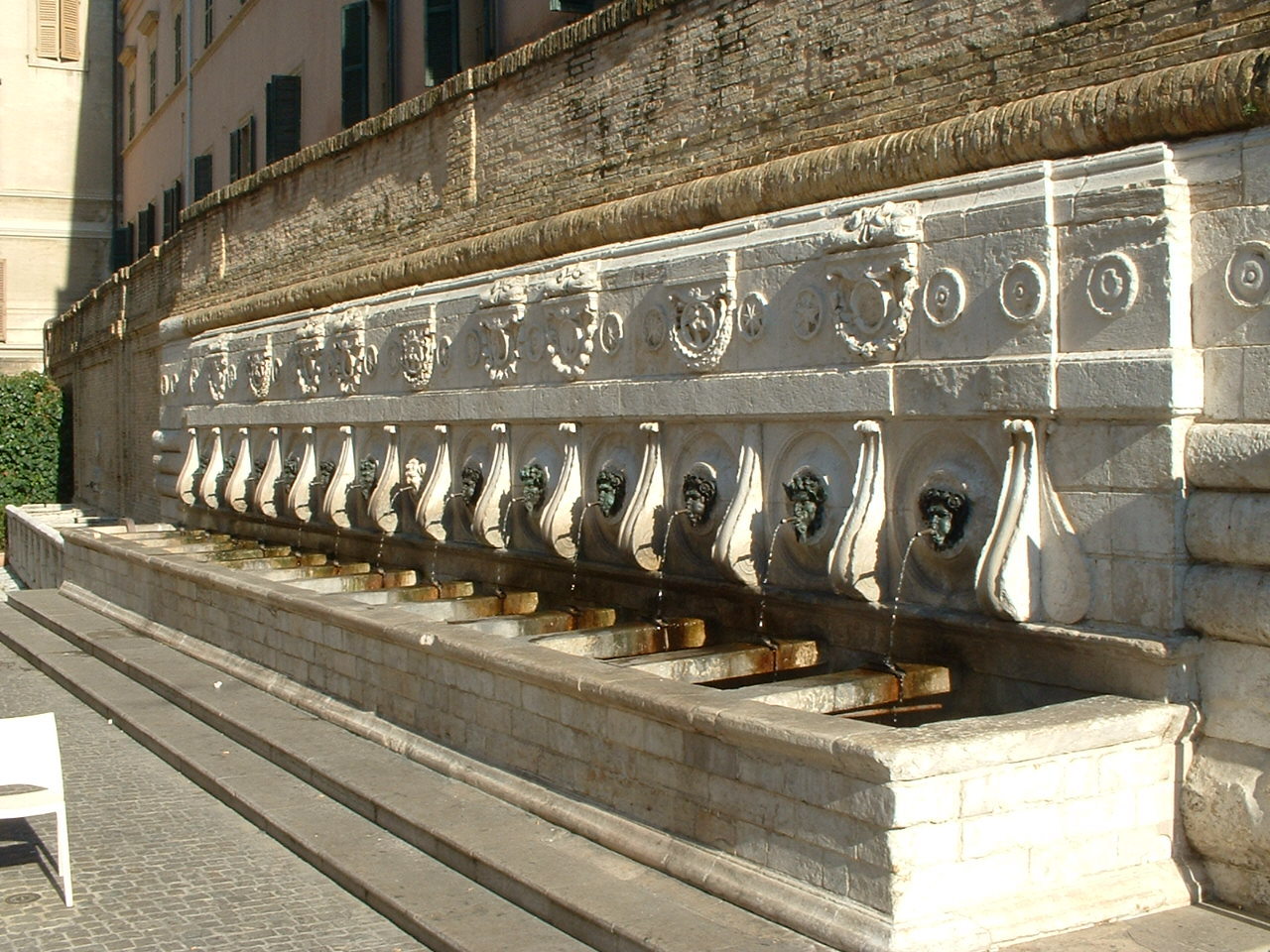
- Fontana del Calamo – Just steps away, this elegant fountain features a stylized reed (calamo) motif and is a favorite spot for local photographers.
- Fontana di Piazza – Located 0.2 km away, this historic fountain anchors the bustling Piazza del Plebiscito and offers a lively backdrop of street performers.
- Unnamed Fountain (0.2 km) – A charming, lesser‑known water feature tucked in a quiet courtyard; perfect for a brief respite.
- Unnamed Fountain (1.0 km) – Slightly farther out, this fountain marks the entrance to the historic port area, where you can watch fishing boats glide by.
- Fontana dei due soli – About 1.1 km away, this whimsical fountain showcases twin sun motifs and is surrounded by a small garden of Mediterranean herbs.
Tip: Most of these attractions are within a 10‑minute walk, so you can easily create a self‑guided “Fountain Trail” that showcases Ancona’s love for water art.
7. Travel Tips
| Tip | Details |
|---|---|
| Wear comfortable shoes | The historic centre’s cobblestones can be uneven. |
| Stay hydrated | Especially in summer; refill your bottle at nearby cafés. |
| Respect local customs | Keep noise levels low near residential buildings and avoid stepping on the fountain’s stone base. |
| Photography | Early morning or late afternoon provides the best natural light; a wide‑angle lens captures the full composition of the horses and basin. |
| Combine with food | After admiring the fountain, try a plate of brodetto all’anconitana (local fish stew) at a trattoria on Via Le Grazie. |
| Check opening hours | While the fountain is public, nearby museums or indoor attractions may close earlier in winter. |
| Use a local map app | Apps like Google Maps or HERE WeGo show real‑time bus schedules and ZTL boundaries. |
| Learn a phrase | A simple “Buongiorno” (Good morning) or “Grazie” (Thank you) goes a long way with shop owners. |
Final Thoughts
The Fontana dei Cavalli may not dominate travel guide headlines, but its quiet elegance and deep-rooted connection to Ancona’s maritime past make it a must‑see for anyone exploring The Marches. Whether you’re strolling through the historic streets, hunting for Instagram‑worthy shots, or simply seeking a peaceful corner to enjoy a gelato, this fountain offers a genuine slice of Italian life—where art, water, and community flow together in perfect harmony.
Pack your camera, follow the sound of water, and let the horses guide you to one of Ancona’s best‑kept secrets.