Fontana delle Conchiglie – The Hidden Shell Fountain of Catania, Sicily
Discover the charm of Catania’s lesser‑known Baroque gem, a perfect stop for history lovers, photographers, and anyone craving an authentic Sicilian experience.
1. Introduction
If you think you’ve seen every fountain in Catania, think again. Nestled amid the bustling streets of the historic centre, Fontana delle Conchiglie (literally “Fountain of the Shells”) offers a quiet moment of elegance that feels like stepping back into a 17th‑century courtyard. While the city is famous for its towering Elephant Fountain and the dramatic volcanic backdrop of Mount Etna, this modest yet beautifully sculpted fountain provides a unique glimpse into the everyday artistry that shaped Sicily’s urban landscape.
Whether you’re strolling through Piazza del Duomo, hunting for Instagram‑worthy spots, or simply seeking a cool splash of water on a warm Mediterranean afternoon, Fontana delle Conchiglie is a must‑visit waypoint on any Catania itinerary.
2. About Fontana delle Conchiglie
Description
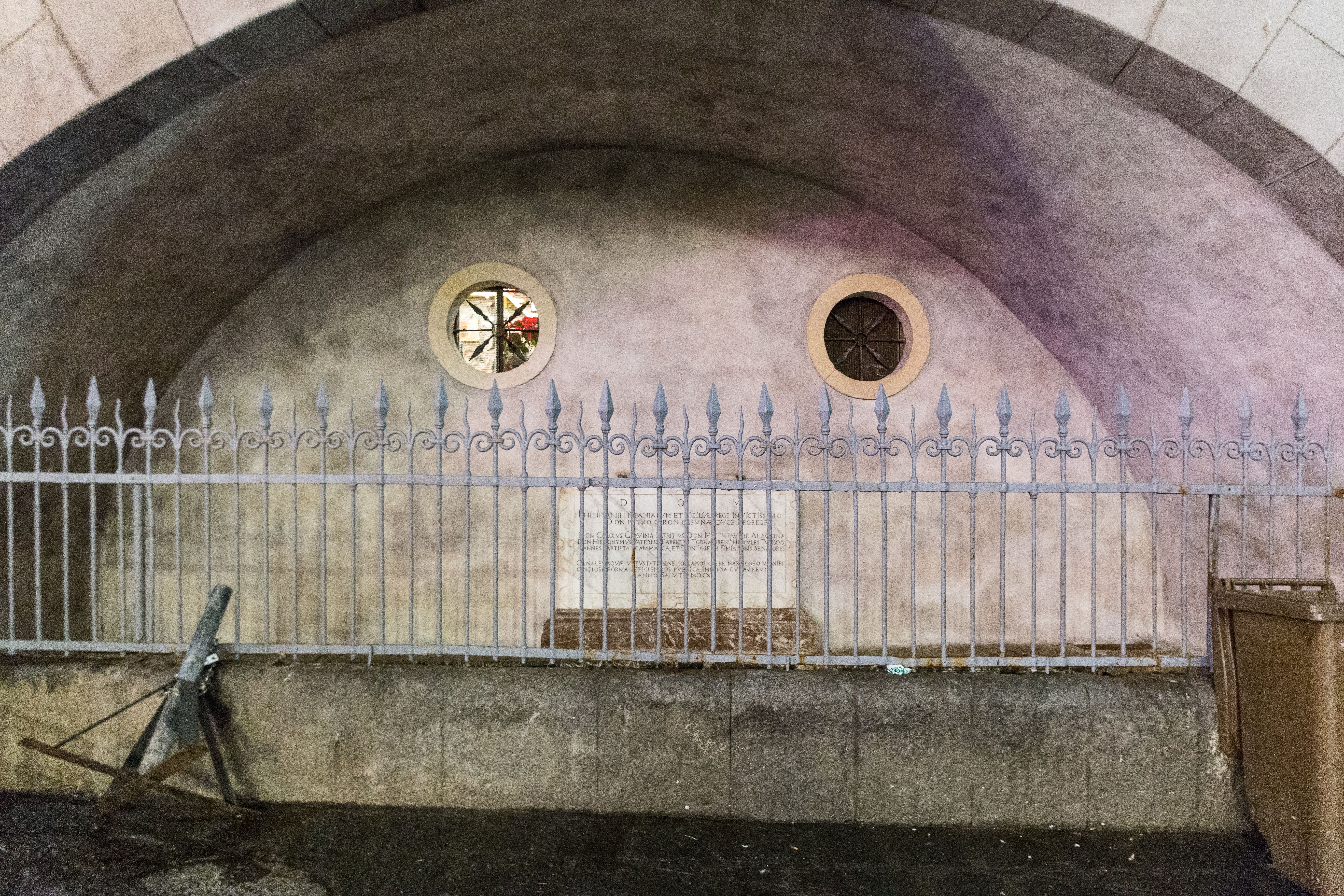
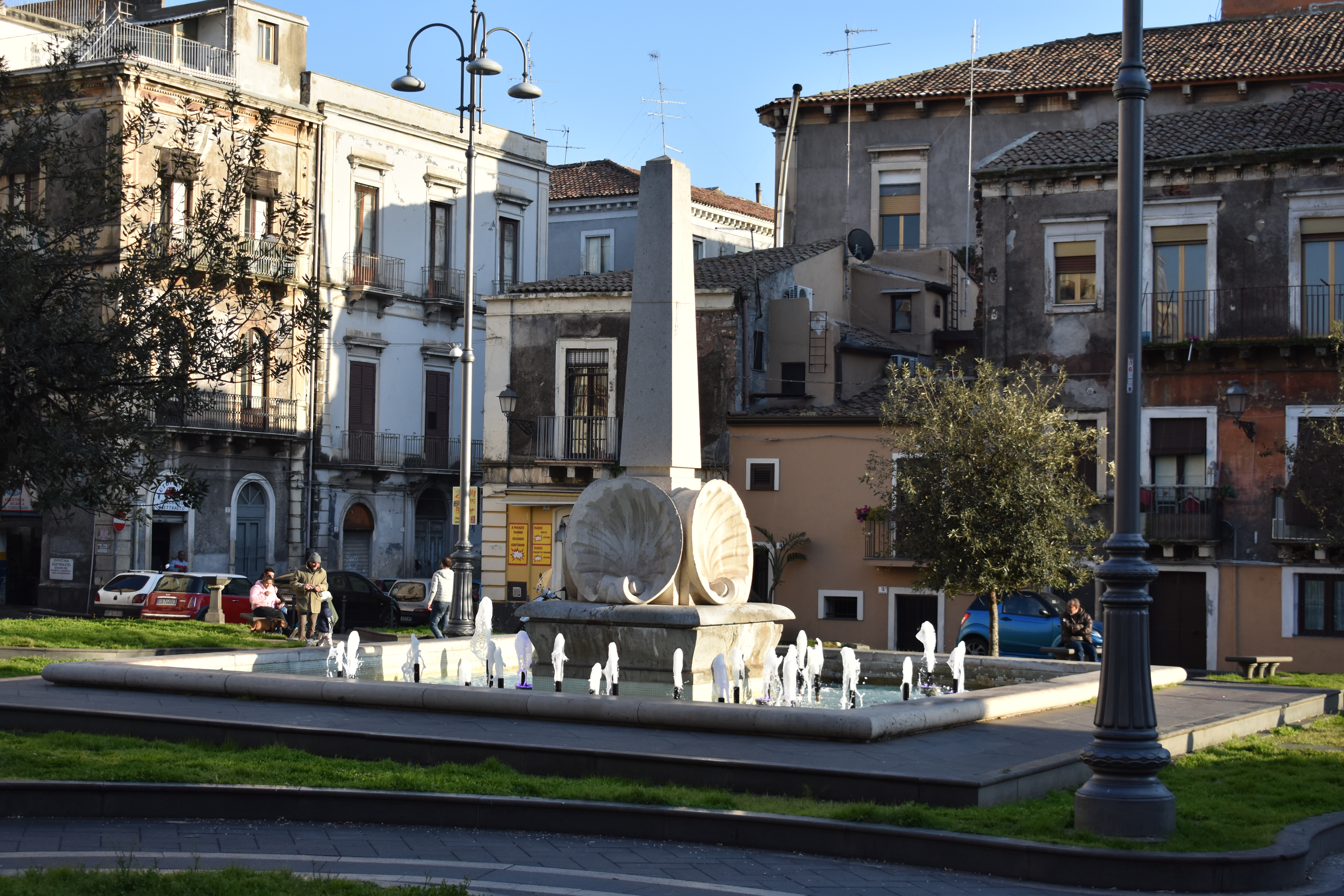
Fontana delle Conchiglie is a stone fountain distinguished by its delicate shell motifs—hence the name. The basin is rimmed with a series of stylised conch shells that cascade water in a gentle, rhythmic flow. The design reflects the Baroque love for natural forms, turning ordinary marine shells into an ornamental language that celebrates Sicily’s long relationship with the sea.
Although the exact height and altitude of the fountain are not recorded, its modest scale makes it approachable: you can walk right up to the edge, feel the cool mist, and hear the soft splash of water echoing off the surrounding stone façades.
History & Significance
The fountain’s origins are tied to Catania’s post‑earthquake reconstruction in the late 1600s. After the catastrophic 1669 eruption of Mount Etna, the city was rebuilt under Spanish rule, and public waterworks became essential for both practical and aesthetic reasons. Fontana delle Conchiglie was installed as part of this urban renewal, providing fresh water to residents while also serving as a decorative focal point for the neighbourhood.
Its shell motif is more than decorative flair; it references the Mediterranean marine heritage that has shaped Sicilian cuisine, trade, and culture for millennia. In local folklore, shells symbolize protection and good fortune—an apt sentiment for a fountain that has supplied life‑giving water for centuries.
Today, the fountain stands as a quiet testimony to Catania’s resilience, artistic sensibility, and the everyday beauty that thrives in the city’s public spaces.
3. How to Get There
| Mode of transport | Details |
|---|---|
| Walking | The fountain sits in the historic centre of Catania, just a 5‑minute walk from the main train station (Catania Centrale) and the vibrant Via Etnea. Use the coordinates 37.503178, 15.093165 in any map app to pinpoint the exact location. |
| Public Bus | Bus lines #101, #102, and #103 stop at “Piazza Stesicoro,” a short stroll away. From the stop, head east on Via Umberto I until you see the fountain’s distinctive shell‑rimmed basin. |
| Taxi / Ride‑share | A quick 2‑minute ride from the city centre will drop you at the fountain’s doorstep. Tell the driver “Fontana delle Conchiglie, piazza del Duomo.” |
| Car | Parking in the historic centre can be limited. Use the Parcheggio Piazza Stesicoro (underground) and walk the remaining distance. Remember that many streets are pedestrian‑only during peak hours. |
Pro tip: If you’re staying in a hotel along Via Etnea, the fountain is just a short, scenic walk down the main shopping boulevard—perfect for a midday break.
4. Best Time to Visit
- Spring (March‑May) – Temperatures hover between 15‑22 °C (59‑72 °F), and the city’s orange blossoms fill the air. The fountain’s water glistens under the soft spring sun, creating ideal lighting for photos.
- Early Autumn (September‑October) – After the summer heat, evenings become pleasant, and crowds thin out. The surrounding piazza is lively with locals enjoying a gelato, offering an authentic slice of Sicilian life.
While summer (June‑August) brings scorching temperatures, the fountain’s cool mist can be a refreshing oasis—just arrive early to avoid the midday tourist rush. Winter visits are possible, but the water flow may be reduced during colder months.
5. What to Expect
Arriving at Fontana delle Conchiglie feels like stepping into a living museum. The stone basin, adorned with intricate shell carvings, is set against a backdrop of pastel‑coloured Baroque façades. As water cascades over the shells, a gentle, rhythmic sound fills the square—perfect for a moment of contemplation or a quick selfie.
You’ll often see locals gathering nearby for a quick chat, children playing in the shallow splash zone, and tourists pausing to admire the craftsmanship. The surrounding area is dotted with cafés and gelaterias, so you can sip a cold espresso or indulge in a pistachio gelato while watching the fountain’s water dance.
Because the fountain is relatively small, it never feels crowded, even during peak travel seasons. The ambience is relaxed, making it an excellent spot for a brief rest during a day of sightseeing or as a tranquil start to a morning walking tour of Catania’s historic centre.
6. Nearby Attractions
Fontana delle Conchiglie sits in a cluster of historic fountains and landmarks—perfect for a self‑guided “fountain trail.” Here are the top spots within a 0.5 km radius:
| Attraction | Distance | Why Visit |
|---|---|---|
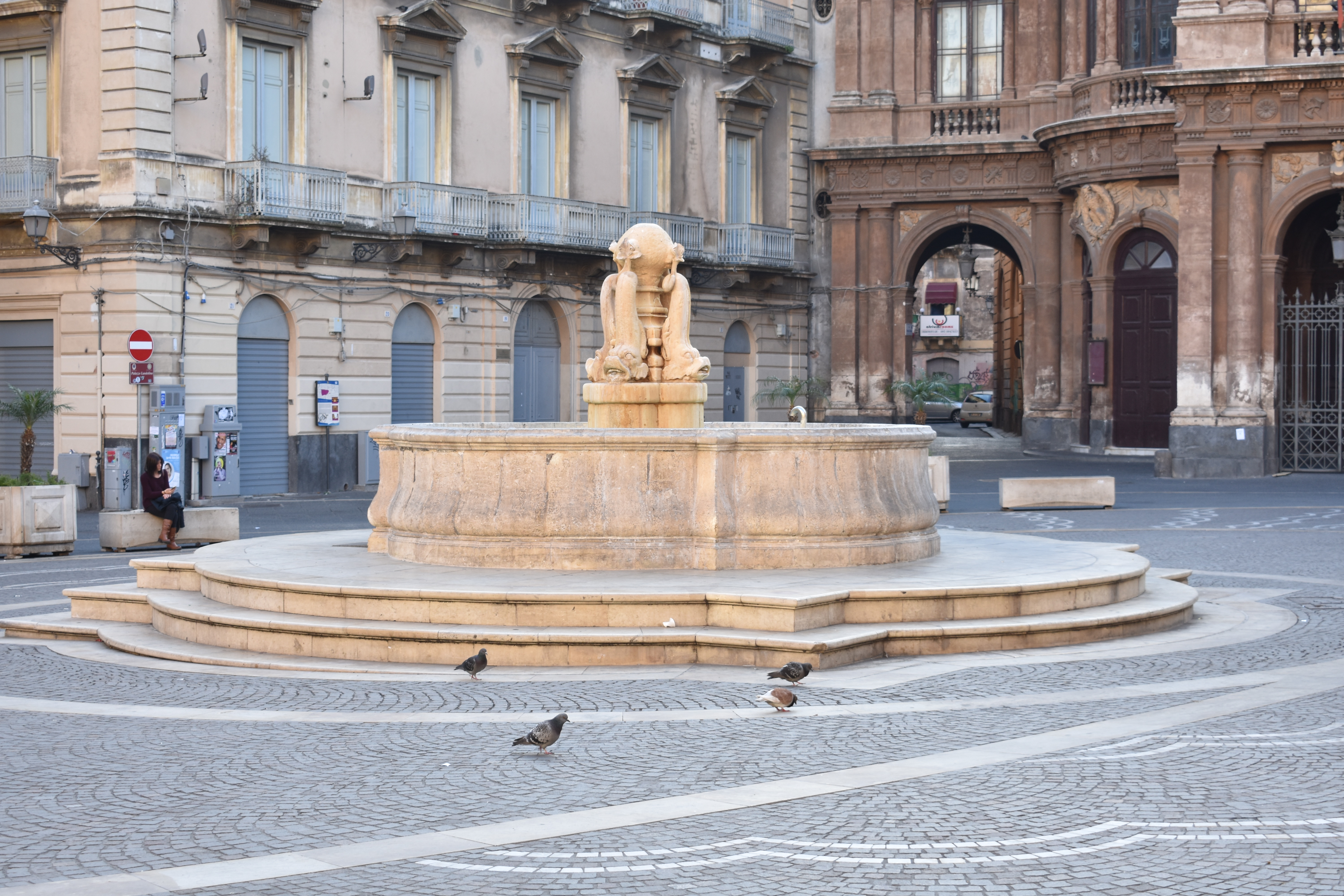
| Fontana dei Delfini | 0.2 km | A playful dolphin fountain that showcases Catania’s maritime heritage. |
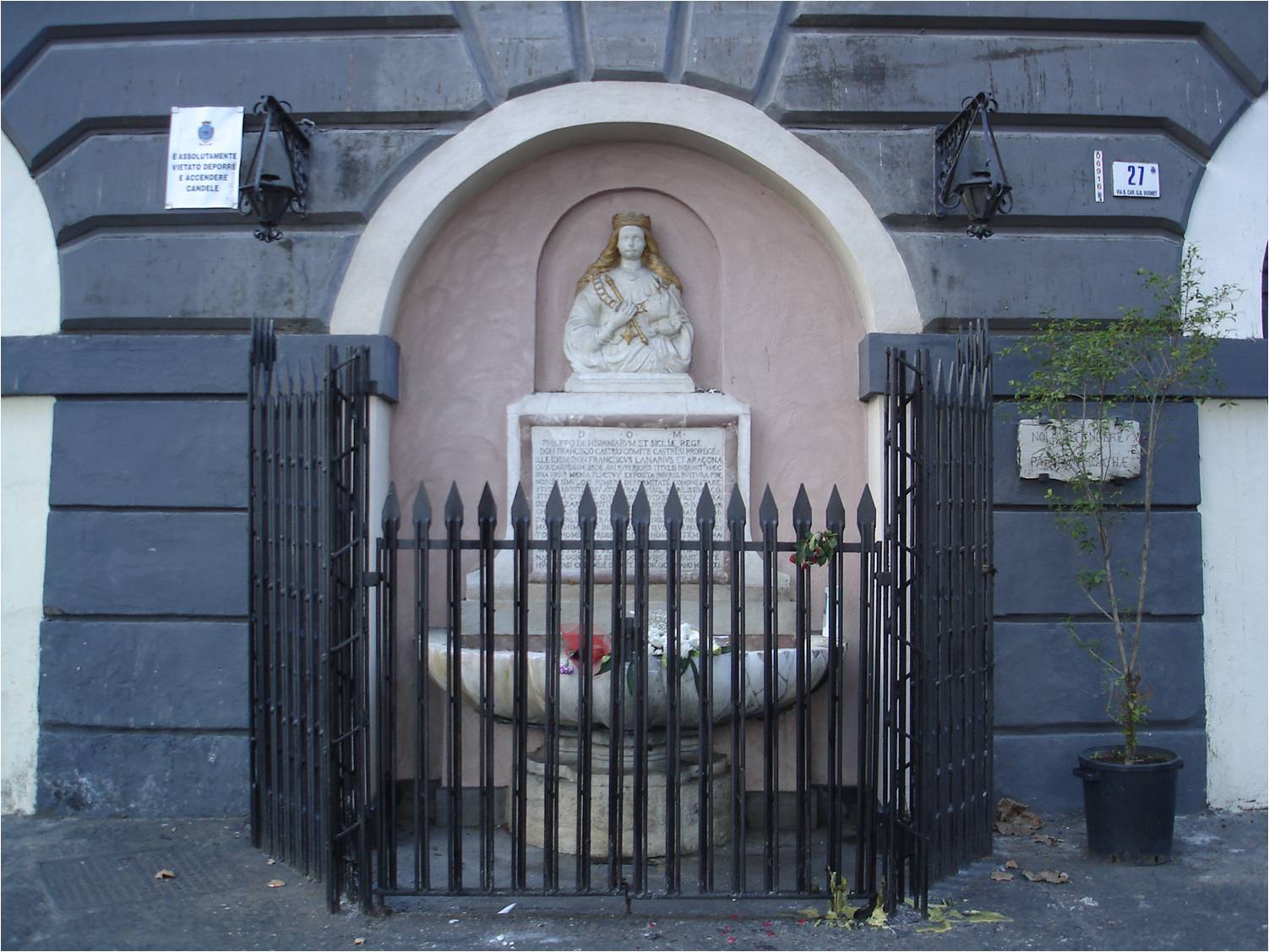
| Fontana di Sant'Agata | 0.5 km | Dedicated to the city’s patron saint, featuring ornate stonework and a serene atmosphere. |
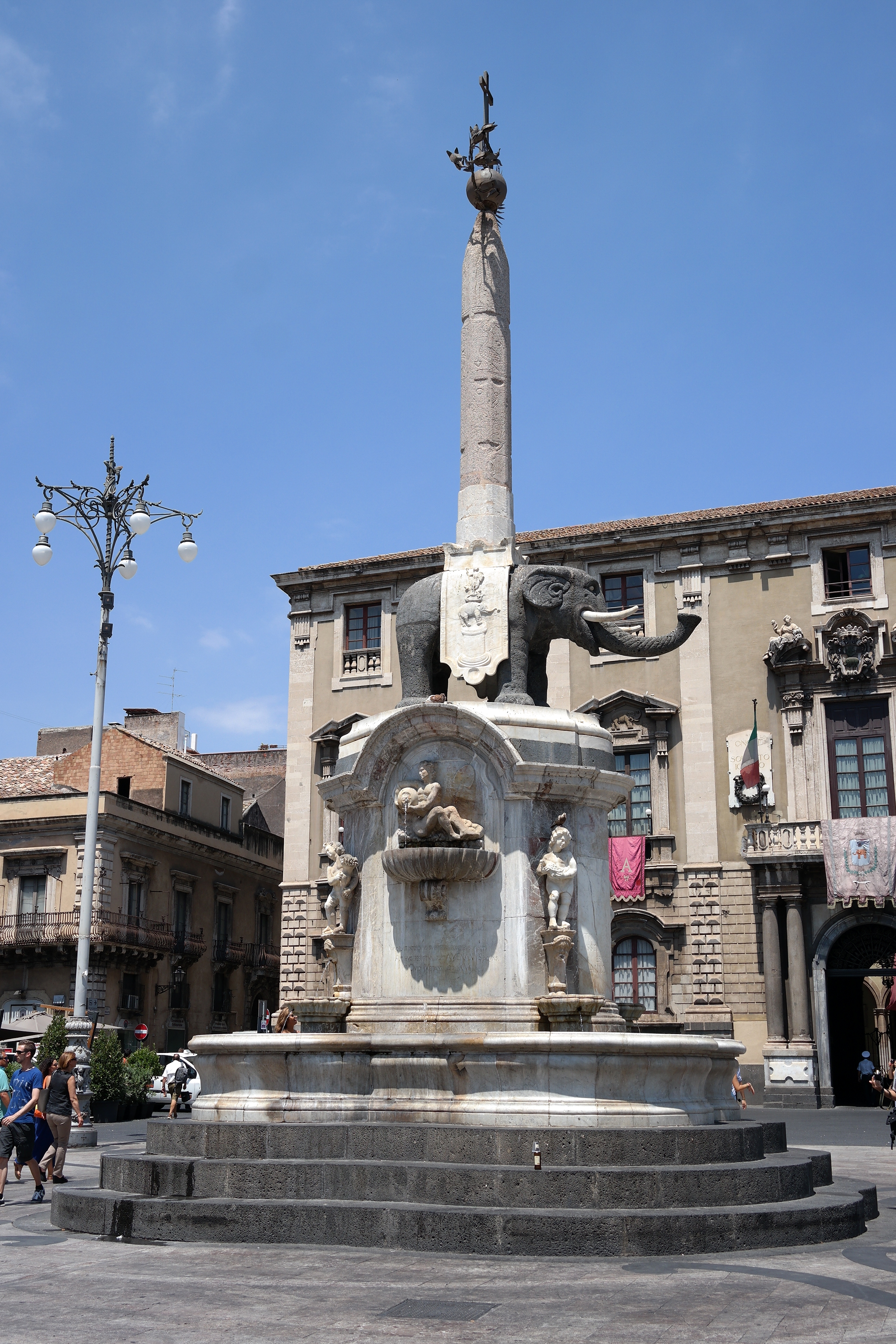
| Fontana dell'Elefante | 0.5 km | The iconic elephant statue (symbol of Catania) holding an obelisk—an essential photo stop. |
| Piazza del Duomo | 0.3 km | Home to the magnificent Catania Cathedral and the bustling heart of the city. |
| Via Etnea | 0.4 km | The main shopping street, lined with historic buildings, boutiques, and cafés. |
Each of these attractions is easily reachable on foot, allowing you to weave a relaxed itinerary that showcases the artistic and cultural richness of Catania’s public spaces.
7. Travel Tips
| Tip | Details |
|---|---|
| Bring a reusable water bottle | While the fountain’s water is not meant for drinking, staying hydrated in Sicily’s warm climate is essential. |
| Dress comfortably | Cobblestone streets can be uneven; wear supportive shoes for walking and a light scarf for sun protection. |
| Timing for photos | Early morning (7‑9 am) offers soft natural light and fewer crowds—ideal for capturing the shells’ details. |
| Respect the space | The fountain is a functional public water source; avoid stepping directly into the deeper basin and keep the area clean. |
| Combine with local food | After visiting, treat yourself to a slice of cannolo or a granita at a nearby café—Catania’s culinary scene is as vibrant as its fountains. |
| Check seasonal schedules | Some nearby attractions may have limited opening hours in winter; verify before you go, especially if you plan to visit the cathedral or museums. |
| Use a local map app | Italian apps like Moovit or Google Maps (set to Italian language) provide real‑time public transport updates and pedestrian routes. |
Wrap‑up
Fontana delle Conchiglie may not dominate travel guide headlines, but its quiet elegance, historic roots, and central location make it a standout highlight for anyone exploring Catania, Sicily. By weaving this charming fountain into a broader walking tour of the city’s Baroque fountains, you’ll experience a side of Catania that blends everyday life with centuries‑old artistry.
So lace up your walking shoes, follow the coordinates 37.503178, 15.093165, and let the gentle splash of the shell‑rimmed water guide you through one of Sicily’s most authentic urban landscapes. Happy travels!