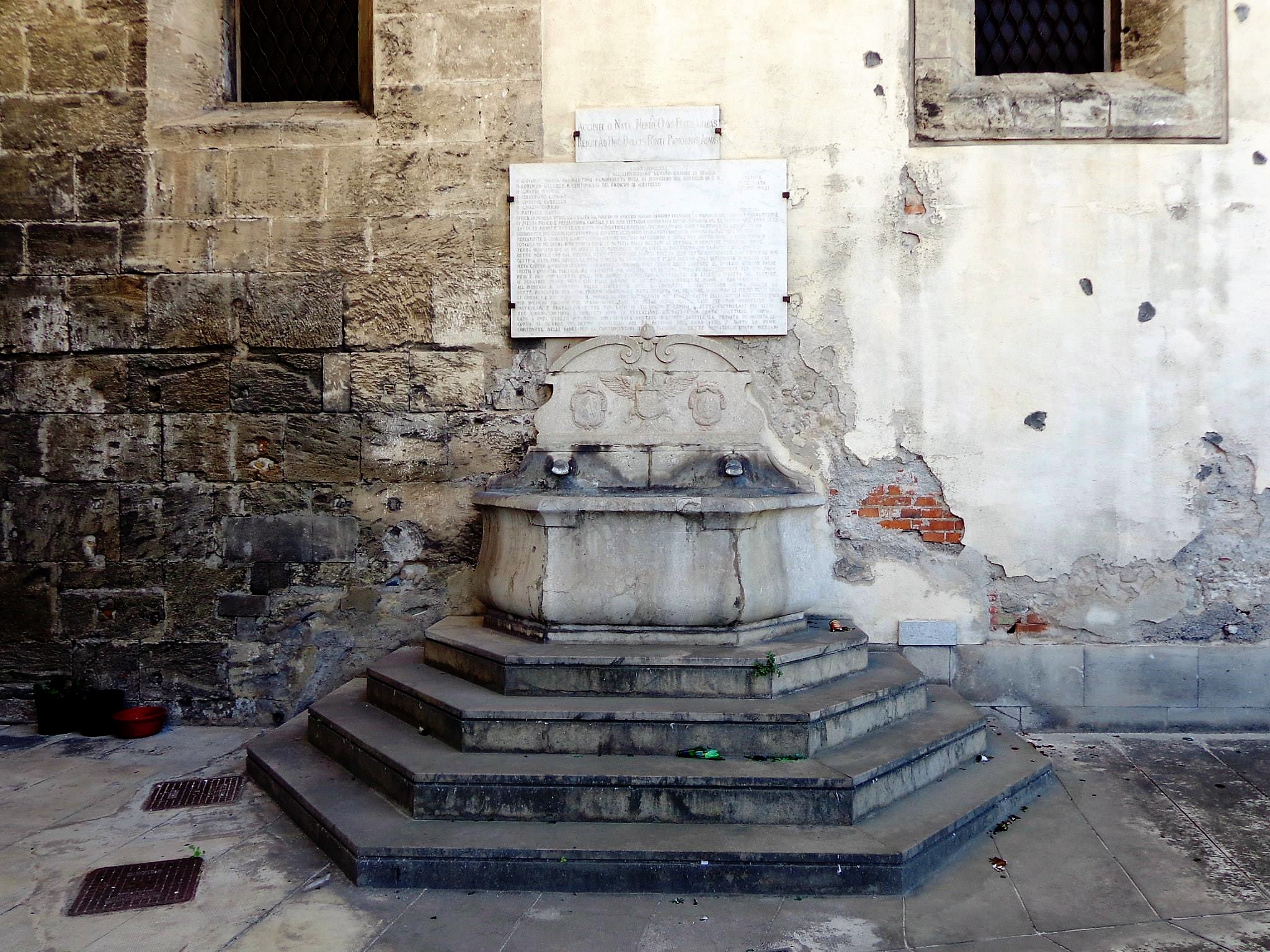
Fontana della Doganella – Palermo’s Hidden Baroque Jewel
Discover the charm of one of Sicily’s most photogenic fountains, tucked away in the bustling historic heart of Palermo.
Introduction
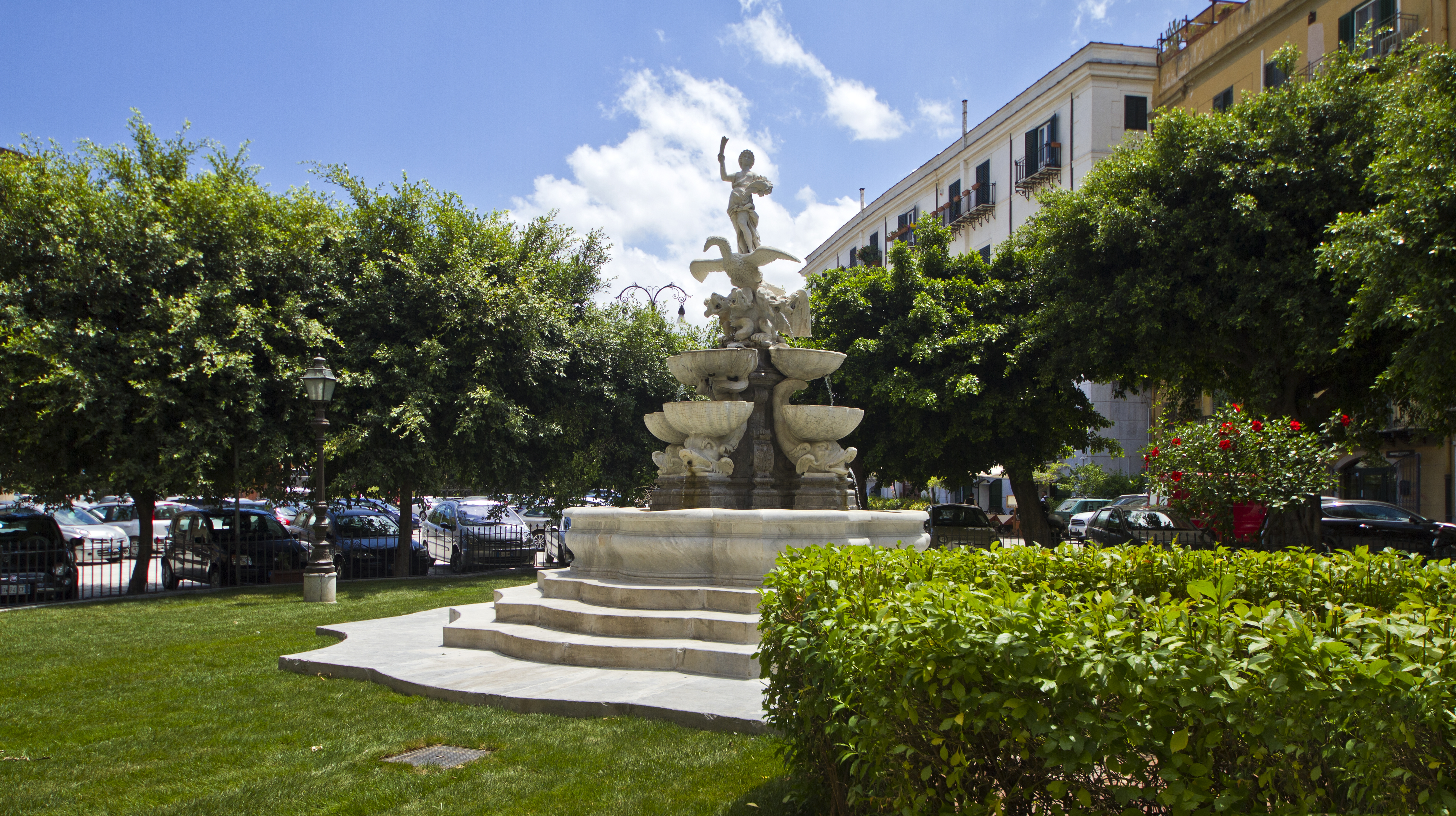
If you’re wandering the winding streets of Palermo’s old town, you’ll soon hear the soft murmur of water echoing from a modest stone basin. That’s the Fontana della Doganella, a petite yet striking fountain that has been quenching the thirst of locals and travelers alike for centuries. Though it doesn’t boast the grand scale of the famous Fontana del Garraffo, the Doganella’s intimate setting, Baroque details, and lively surroundings make it a must‑see stop on any Sicily itinerary. In this guide, we’ll dive into the fountain’s story, show you how to reach it, and reveal the best ways to soak up its atmosphere – all while sprinkling in a few insider tips for a flawless Palermo adventure.
About Fontana della Doganella
A brief description
- Type: Historic fountain ⛲
- Location: Palermo, Sicily, Italy
- Coordinates: 38.118530 N, 13.367877 E
- Height & altitude: Not documented (the fountain sits at street level, inviting passersby to pause).
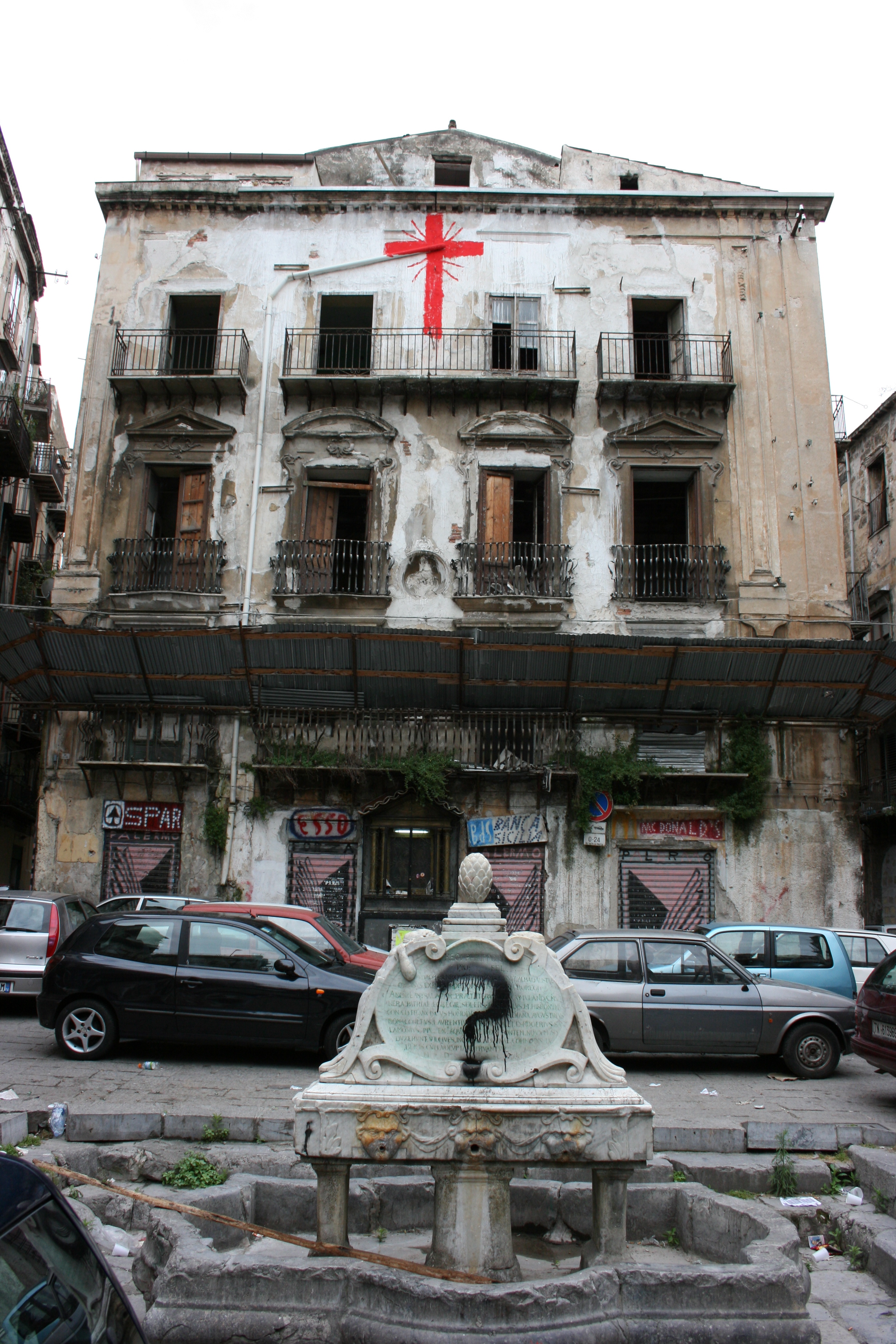
The Fontana della Doganella sits at the intersection of Via Cavour and Via della Dogana, right where the old customs house (“dogana”) once regulated trade coming into the city’s bustling port. Its name literally means “the little customs fountain,” a nod to the commercial activity that once surrounded it.
History & significance
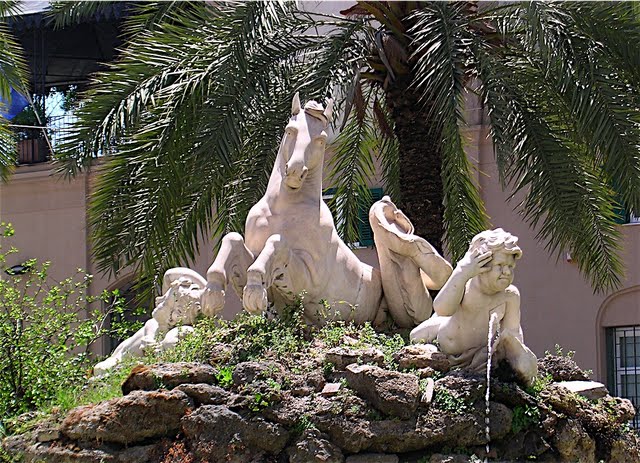
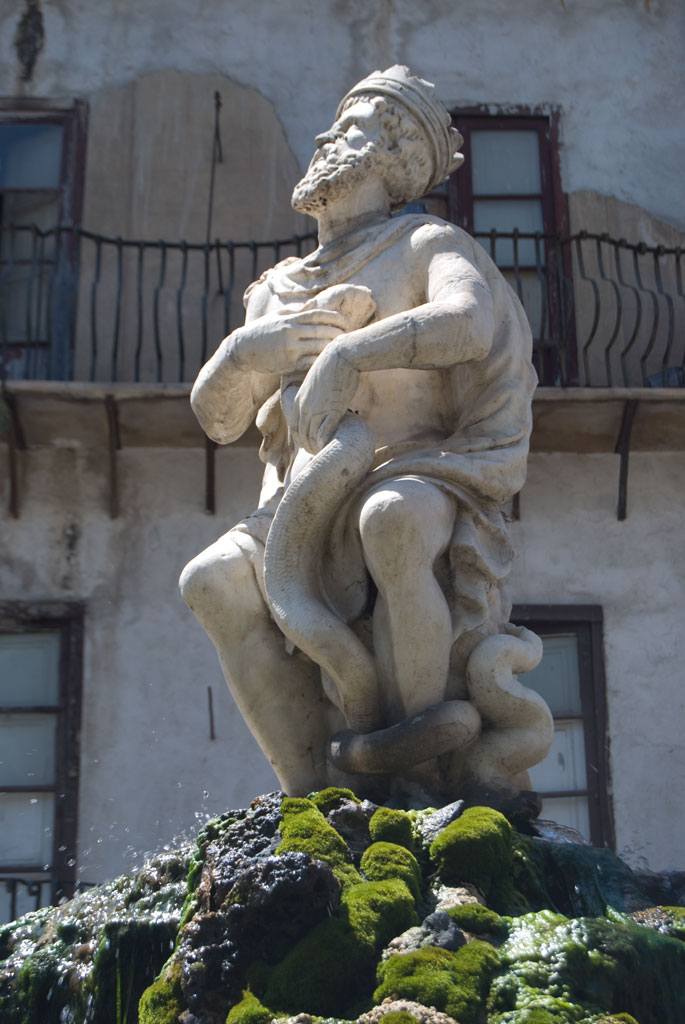
While the exact year of construction remains unclear, the fountain is a product of Palermo’s Baroque renaissance, a period when the city invested heavily in public works to showcase its prosperity. Crafted from local stone, the basin is crowned with a modest sculptural element—often a cherubic figure or a simple water spout—that reflects the artistic sensibilities of the era.
Over the centuries, the Doganella has served more than a practical purpose; it has been a gathering point for market vendors, a meeting place for locals, and a backdrop for countless photographs. Its modest size makes it feel like a secret shared among those who wander off the main tourist arteries, offering an authentic slice of Palermo life.
How to Get There
By foot
If you’re staying in Palermo’s historic centre (the Quattro Canti, Piazza Pretoria, or La Kalsa districts), the fountain is a comfortable 5‑10 minute walk. Head toward the waterfront, follow signs for Via Cavour, and you’ll spot the stone basin nestled between historic storefronts.
By public transport
- Bus: Several city buses stop at the Piazza Indipendenza or Via Cavour stops, just a stone’s throw from the fountain.
- Metro: The nearest Metropolitana stop is Politeama (Line B). From there, exit onto Via Roma and walk south toward Via Cavour.
By car / taxi
Parking in the historic centre can be tricky. If you’re driving, aim for the Parcheggio Villa Giulia or Parking Piazza Giulio Cesare and enjoy a short stroll. Taxis and rideshare services (Uber, FreeNow) are readily available and will drop you off right at the fountain’s doorstep.
Practical details
- Opening hours: The fountain is an open‑air monument, accessible 24/7.
- Accessibility: The surrounding cobblestones can be uneven; comfortable shoes are recommended.
Best Time to Visit
Seasons
- Spring (March–May): Pleasant temperatures (15‑22 °C) and blooming street flowers make the area especially photogenic.
- Autumn (September–November): Mild weather and fewer tourists provide a relaxed vibe.
Time of day
- Early morning (7 am–9 am): Capture the fountain bathed in soft sunrise light before the crowds arrive.
- Late afternoon (4 pm–6 pm): The golden hour adds a warm glow to the stone, perfect for Instagram stories.
Avoid the peak midday heat of July and August if you prefer a cooler stroll, though the fountain’s shade can offer a pleasant respite.
What to Expect
When you arrive, you’ll be greeted by a lively tableau of Palermo life. Street vendors selling arancini, fresh citrus, and handmade ceramics line the adjacent sidewalks. Locals pause to chat, sip espresso, or simply admire the gentle cascade of water.
The fountain’s water is continuously refreshed, creating a soothing soundscape that contrasts beautifully with the city’s bustling chatter. The surrounding architecture—Baroque façades, pastel‑colored doors, and wrought‑iron balconies—provides a rich visual backdrop, making the Doganella an ideal spot for both candid street photography and composed portrait shots.
If you’re lucky, you might catch a local musician or a small troupe performing nearby, adding an extra layer of cultural flavor to your visit.
Nearby Attractions
While you’re in the vicinity, make sure to explore these fellow fountains and historic sites, all within a short walk:
| Attraction | Distance | Why Visit | Link |
|---|---|---|---|
| Fontana del Garraffo | 0.1 km | A larger, ornate Baroque fountain famed for its dramatic lion sculpture. | Wikipedia – Fontana del Garraffo |
| Fontana del Garraffello | 0.3 km | A lesser‑known sister fountain offering a quieter atmosphere. | (no dedicated page – explore on foot) |
| Fontana del Cavalluccio Marino | 0.3 km | Features a whimsical horse‑headed spout, perfect for family photos. | Wikipedia – Fontana del Cavalluccio Marino |
| Other nearby fountains | 0.2 km each | Small historic waterworks that pepper the old market district. | (discover by wandering the alleys) |
Beyond the fountains, the Mercato del Capo and Mercato di Ballarò markets are just a few minutes away, offering a sensory overload of Sicilian street food, fresh produce, and vibrant local culture.
Travel Tips
- Stay hydrated – While the fountain is beautiful, you can’t drink the water. Carry a refillable bottle and enjoy the many nearby cafés.
- Mind your belongings – The area can get busy, especially during market hours. Keep wallets and phones secure.
- Dress for cobblestones – Comfortable shoes with good grip will make navigating the historic streets easier.
- Respect the site – Avoid climbing on the fountain or littering. Palermo’s locals take pride in preserving these historic water features.
- Combine with a food tour – Pair your visit with a guided street‑food walk to sample panelle, sfincione, and cannoli while learning about Palermo’s culinary heritage.
- Check local events – The Doganella area often hosts pop‑up art installations or small concerts; a quick glance at the Palermo tourism website can reveal special happenings during your stay.
Final Thought
The Fontana della Doganella may be modest in size, but it packs a punch of history, charm, and authentic Palermo atmosphere. Whether you’re a seasoned traveler hunting hidden gems or a first‑time visitor eager to capture the soul of Sicily, a stop at this fountain will enrich your Sicilian story. So lace up your walking shoes, follow the sound of water, and let the Doganella’s gentle splash guide you into the heart of Palermo’s vibrant past.
Keywords: Fontana della Doganella, Palermo fountain, things to do in Palermo, historic fountains Sicily, travel guide Palermo, Sicily attractions, Baroque fountain Italy, Palermo travel tips.