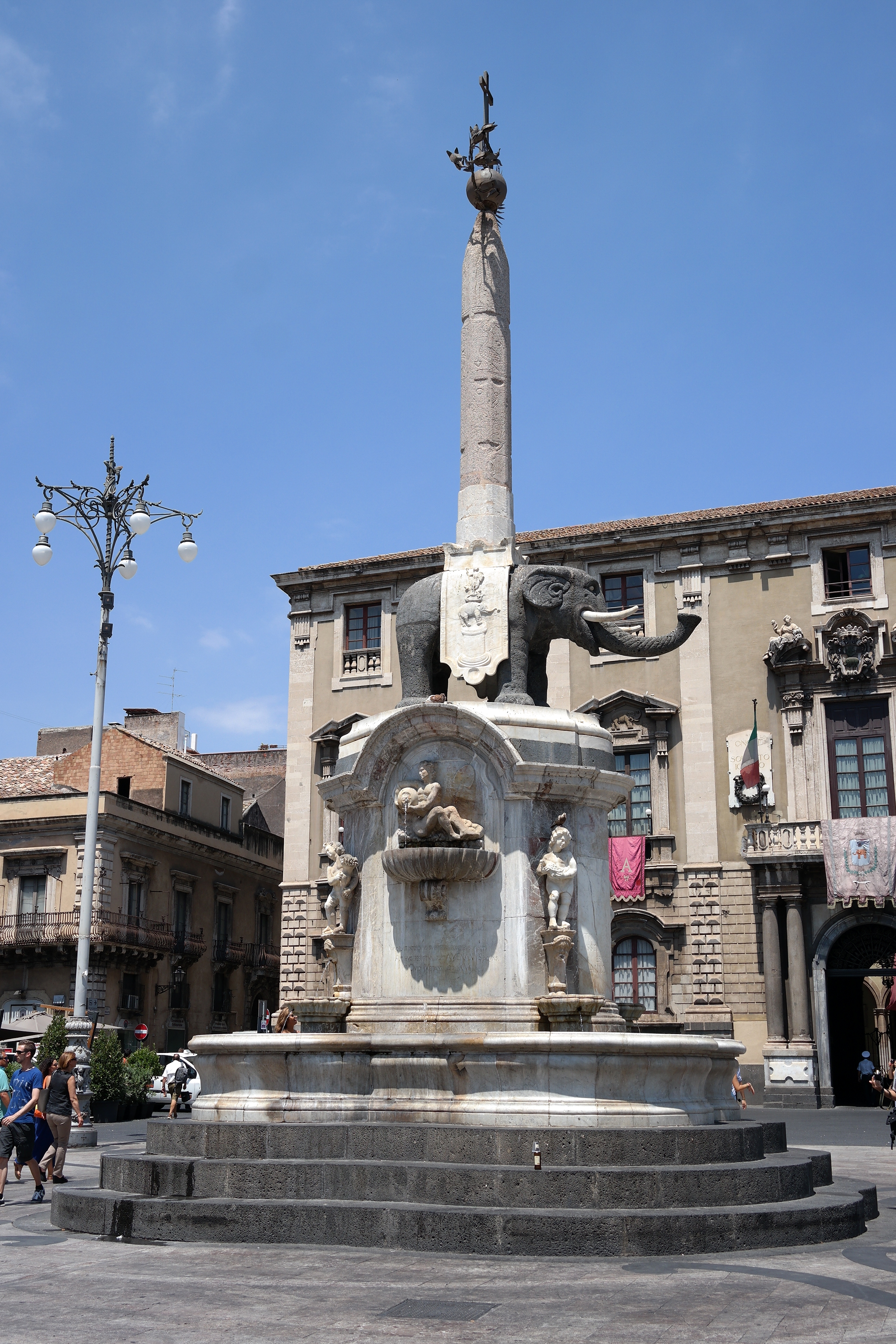
Fontana dell'Elefante – Catania’s Iconic Elephant Fountain
If you wander the historic streets of Catania, Sicily, one landmark will instantly capture your imagination: a massive stone elephant supporting a towering red marble obelisk. This striking sculpture is the Fontana dell'Elefante, the city’s most photographed fountain and an unforgettable stop on any Sicilian itinerary.
1. Introduction
Imagine strolling through a sun‑kissed piazza, the scent of citrus trees mingling with the distant hum of Vespas, when a majestic elephant made of ancient lava stone emerges from the cobblestones. Its sturdy trunk holds a gleaming marble obelisk, and a gentle cascade of water laps at its base. That’s the Fontana dell'Elefante, a symbol of Catania’s resilience, creativity, and deep connection to the volcanic landscape of Mount Etna.
Travelers to Sicily often focus on the island’s beaches, ancient ruins, and culinary delights, but the elephant fountain offers a perfect blend of art, history, and local charm—all within a few steps of the city’s bustling center. Whether you’re a first‑time visitor or a seasoned explorer of the Mediterranean, this fountain deserves a spot on your travel list.
2. About Fontana dell'Elephante
A Brief Description
- Type: Fountain ⛲
- Location: Catania, Sicily, Italy
- Coordinates: 37.502492, 15.087091
- Height & Altitude: Not officially recorded (the sculpture itself rises impressively above the surrounding stone base)
The Fontana dell'Elefante is built around a massive basalt elephant, a material sourced from the lava flows of nearby Mount Etna. The elephant’s back supports a slender red marble obelisk, a gift that reflects the city’s historic ties to the ancient Roman world. Water gently streams from the elephant’s trunk, creating a soothing soundscape that contrasts with the lively market chatter around the piazza.
Historical Roots
The fountain’s origins are intertwined with Catania’s Baroque rebirth after the devastating 1693 earthquake. While exact construction dates are not publicly documented, the monument emerged during the city’s reconstruction era, when local artisans and architects infused the streets with dramatic stonework and ornate sculptures. Over the centuries, the elephant has become more than a decorative piece—it’s a civic emblem, appearing on Catania’s coat of arms and countless souvenirs.
Cultural Significance
- Symbol of Strength: The elephant, fashioned from volcanic stone, represents the city’s ability to stand firm against natural forces.
- Civic Identity: You’ll find the elephant motif on municipal buildings, sports jerseys, and even local pastries.
- Meeting Point: Locals and tourists alike use the fountain as a natural gathering spot, making it an ideal place to people‑watch or start a guided walking tour.
3. How to Get There
By Air
- Catania–Fontanarossa Airport (CTA): The main international gateway to Sicily, located about 7 km (4.3 mi) south of the city center. From the airport, you can catch a direct bus (Aerobus) to the central train station (Catania Centrale) and then walk or take a short taxi ride to the fountain.
By Train
- Catania Centrale: The city’s primary railway hub connects to major Italian cities such as Rome, Naples, and Palermo. From the station, the fountain is a 10‑minute walk (≈800 m) along Via Etnea, Catania’s main shopping boulevard.
By Car
- Parking: Downtown Catania has several paid parking garages (e.g., Parcheggio Piazza Stesicoro). Street parking can be limited, so using a garage is recommended, especially during peak tourist season.
By Public Transport
- Urban Bus: Bus lines #1, #3, #4, and #5 stop at Piazza del Duomo, the square that houses the Fontana dell'Elefante. Check the AMT Catania website for up‑to‑date timetables.
Walking & Biking
Catania’s historic center is compact and pedestrian‑friendly. If you’re staying in a nearby hotel or Airbnb, a leisurely stroll is often the most enjoyable way to reach the fountain, allowing you to soak up the vibrant street life en route.
4. Best Time to Visit
| Season | Why It Works | Tips |
|---|---|---|
| Spring (March–May) | Mild temperatures (15‑22 °C) and blooming orange trees create a photogenic backdrop. | Arrive early in the morning to avoid the midday crowd. |
| Summer (June–August) | Long daylight hours let you explore the piazza after sunset, when the fountain is illuminated. | Bring a hat and water; midday can be hot (30 °C+). |
| Autumn (September–November) | Pleasant weather and the harvest festivals add local flavor. | Check for cultural events—often the fountain is a stage for live music. |
| Winter (December–February) | Fewer tourists, giving you a more intimate experience. The fountain’s water remains flowing year‑round. | Dress warmly; evenings can be chilly (10‑12 °C). |
Overall, early morning or late afternoon are the sweet spots for optimal lighting and fewer crowds, regardless of the season.
5. What to Expect
Visual & Sensory Experience
- Architecture: The fountain sits in a spacious, paved square framed by historic buildings, including the stunning Catania Cathedral just a few steps away.
- Water Feature: A gentle stream emerges from the elephant’s trunk, creating a calming murmur that balances the bustling city sounds.
- Lighting: After dusk, subtle uplighting highlights the elephant’s rough texture, while the obelisk glows with a warm amber hue—perfect for evening photography.
Atmosphere
- Local Life: Street vendors sell fresh arancini (fried rice balls), granita, and citrus juices.
- Live Performances: Musicians, especially during festivals, often set up nearby, adding a melodic soundtrack to your visit.
- Photo Opportunities: The elephant’s massive size and unique shape make it a favorite backdrop for selfies, family portraits, and Instagram reels.
Accessibility
- The piazza is flat and wheelchair‑friendly, with smooth stone surfaces and ramps leading to surrounding streets.
- The fountain’s water flow is shallow, making it safe for children to sit nearby (though swimming is not permitted).
6. Nearby Attractions
While you’re in the vicinity of the Fontana dell'Elefante, make the most of the surrounding historic gems—each just a short walk away:
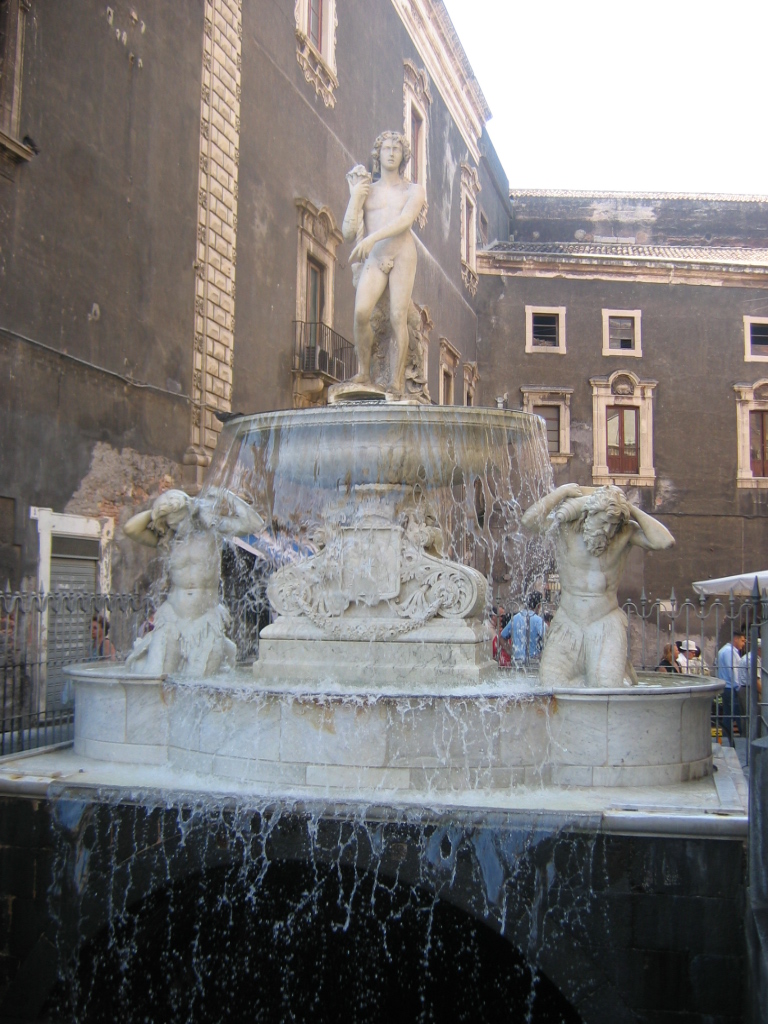
- Fontana dell'Amenano – A modest yet charming fountain located only 0.1 km from the elephant, showcasing classic Sicilian stonework.
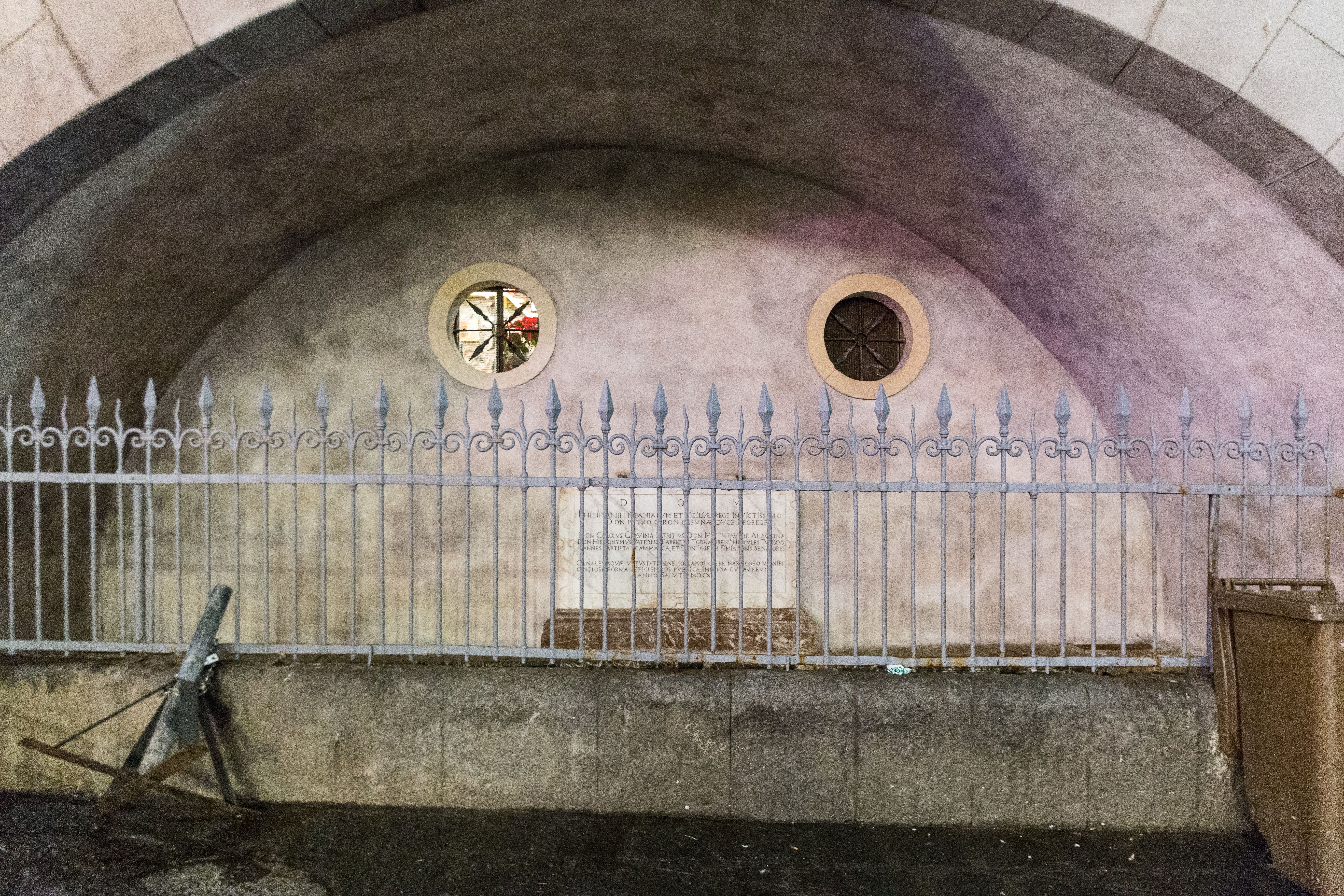
- Fontana dei Sette Canali – Situated 0.1 km away, this fountain features seven water channels that create a rhythmic cascade, perfect for a quick photo stop.
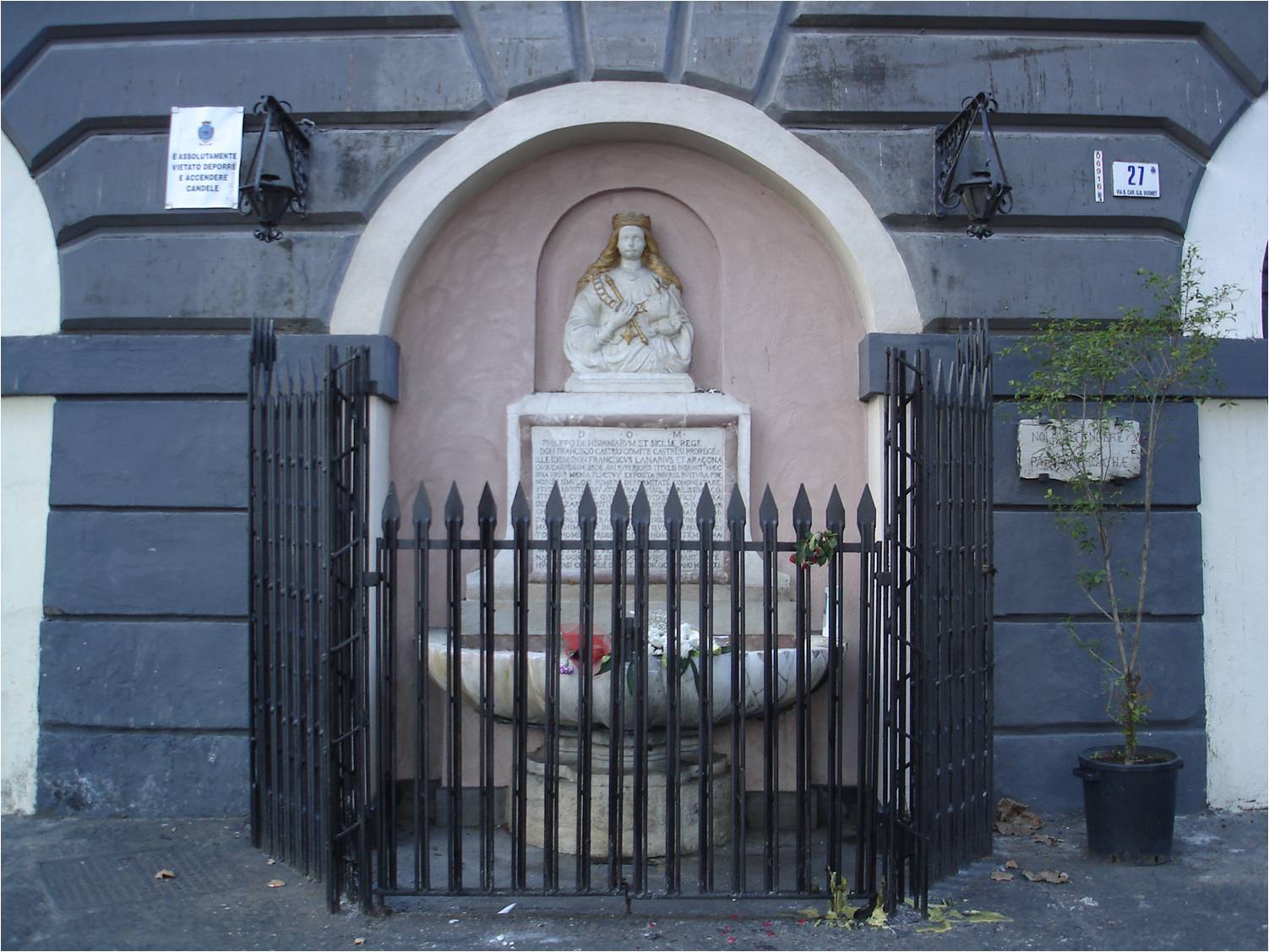
- Fontana di Sant'Agata – Also 0.1 km from the elephant, this fountain honors Catania’s patron saint and offers a peaceful spot to rest.
All three fountains are part of a historic “fountain trail” that illustrates how water shaped the city’s urban design. Combine them with a visit to the Catania Cathedral, Piazza Stesicoro, and the bustling Via Etnea for a full day of cultural immersion.
7. Travel Tips
- Timing is Everything – Arrive at sunrise for the soft golden light that makes the elephant’s basalt surface glow.
- Stay Hydrated – Even in the shade, Sicilian sun can be intense. Grab a fresh granita from a nearby kiosk.
- Mind the Foot Traffic – The piazza can become crowded during lunch hours (12:30‑14:30). Use this time to explore the surrounding shops rather than waiting at the fountain.
- Respect the Monument – While the water is shallow, avoid climbing on the elephant or the obelisk to preserve the historic stone.
- Combine with a Food Tour – Many local tour operators offer “Sicilian Street Food” walks that start at the fountain and guide you to the best arancini, cannoli, and seafood stalls.
- Check Local Events – Catania hosts the Festival of Saint Agatha in February and a summer “Jazz in the Square” series—both use the fountain’s plaza as a stage.
- Currency & Payments – Italy uses the Euro (€). Most shops accept credit cards, but keep some cash for small vendors.
- Language – While many locals speak English, learning a few Italian phrases (“Buongiorno”, “Grazie”) goes a long way.
Final Thought
The Fontana dell'Elefante is more than a decorative water feature; it’s a living emblem of Catania’s spirit, a meeting place for locals, and a must‑see stop for anyone exploring Sicily’s rich tapestry of history, art, and gastronomy. Capture its grandeur, sip a citrus‑infused drink nearby, and let the gentle splash of water remind you that every great journey is a blend of the timeless and the present.
Pack your camera, bring an appetite for adventure, and let the elephant guide you through the heart of Catania.