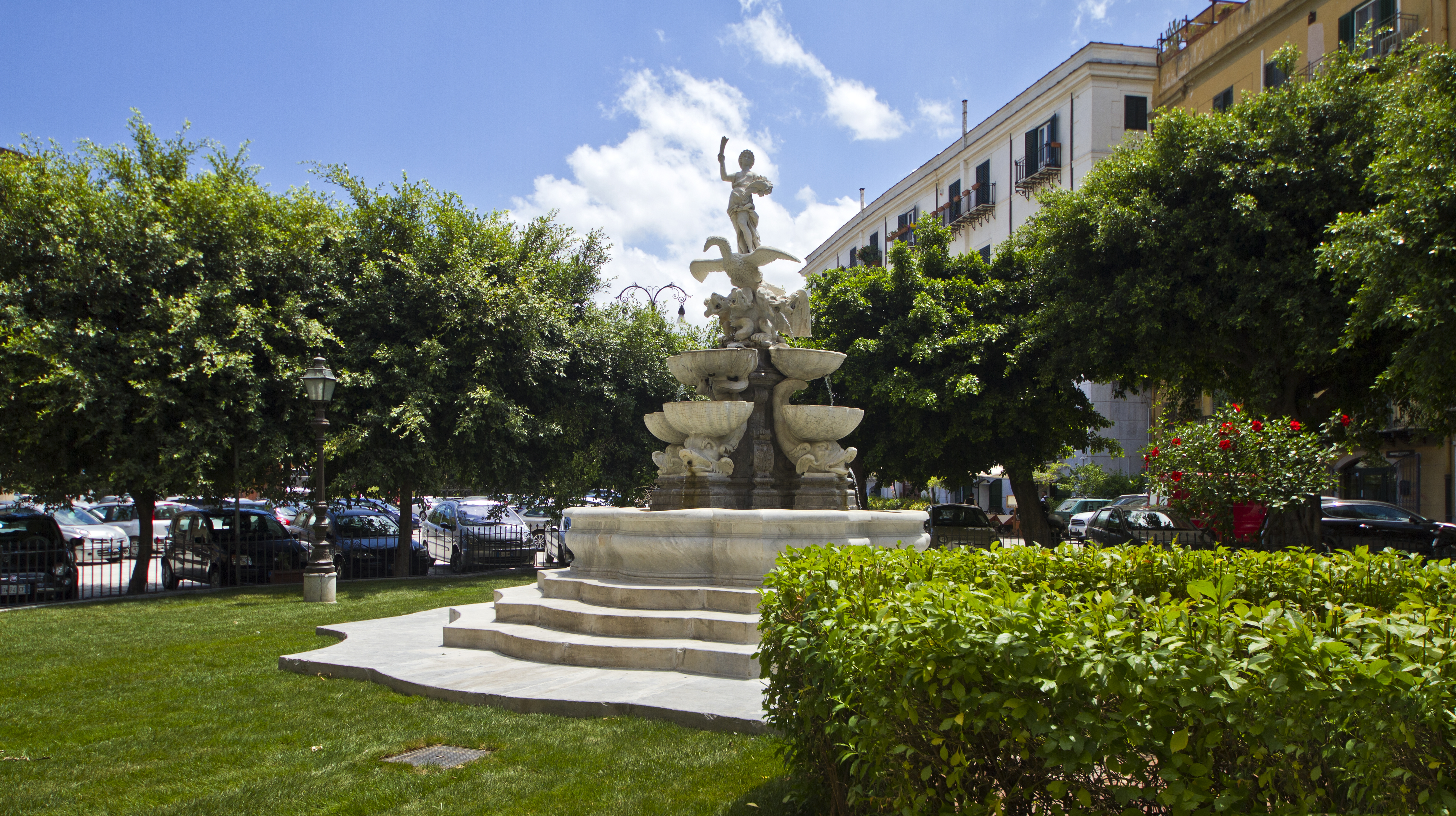
Fontana del Garraffo – Palermo’s Hidden Baroque Gem
If you wander the bustling streets of Palermo and stumble upon a marble masterpiece that seems to whisper centuries‑old stories, you’ve just met the Fontana del Garraffo. This elegant fountain, tucked in the historic heart of Sicily’s capital, is a must‑see for anyone craving authentic culture, stunning architecture, and a perfect photo op.
1. Introduction
Palermo is a city of contrasts – vibrant markets, Arab‑Norman cathedrals, and a coastline that dazzles the eye. Yet, among its grand monuments, the Fontana del Garraffo stands out as a quieter, more intimate attraction that captures the spirit of Baroque Sicily. Located at 38.117961, 13.367459, this 17th‑century fountain has become a beloved meeting point for locals and an Instagram favorite for travelers. Whether you’re a history buff, a photography enthusiast, or simply looking for a peaceful spot to sip an espresso, the Garraffo fountain offers a slice of Palermo’s rich heritage in a single, beautifully sculpted basin.
2. About Fontana del Garraffo
A Brief Description
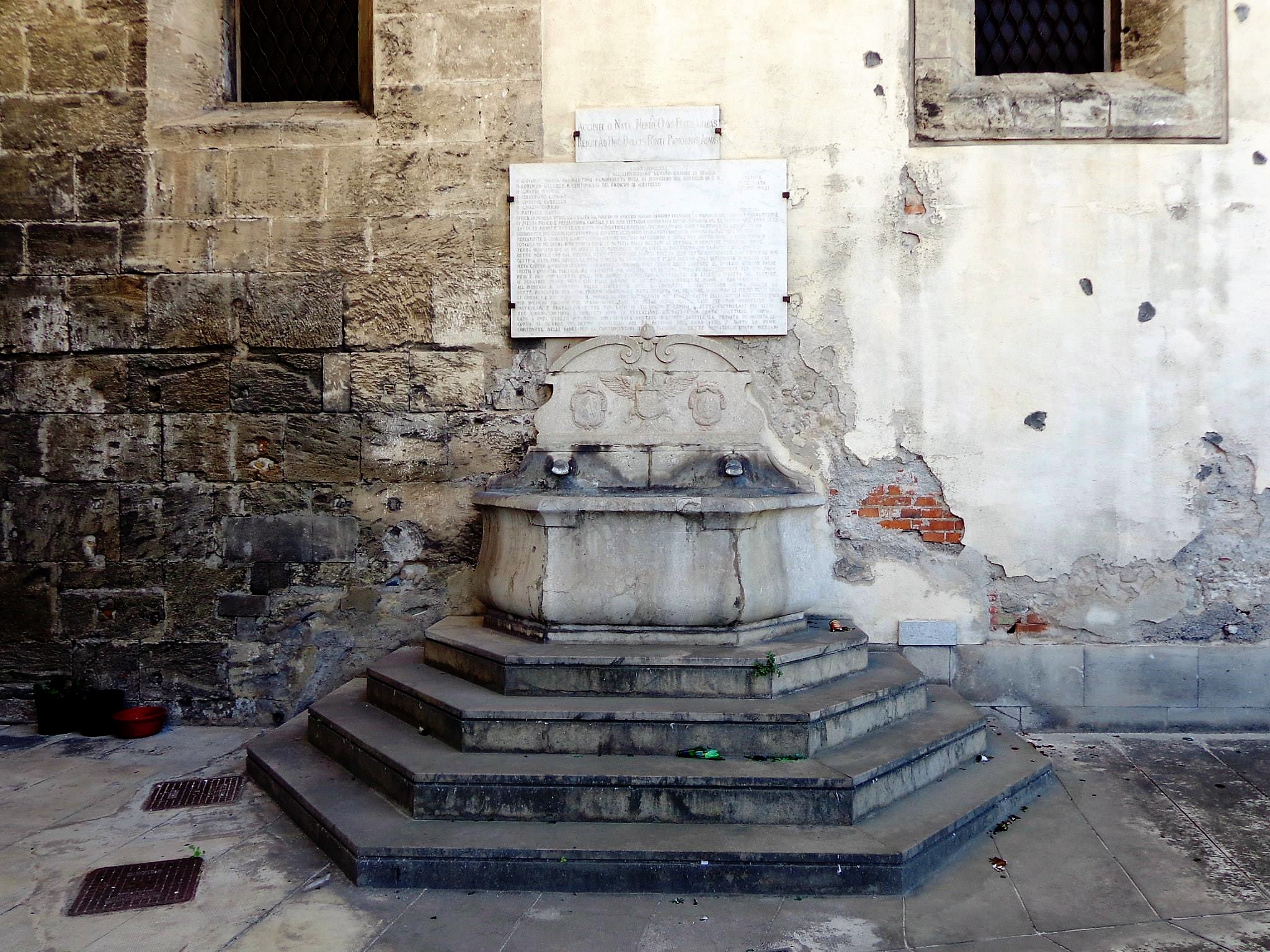
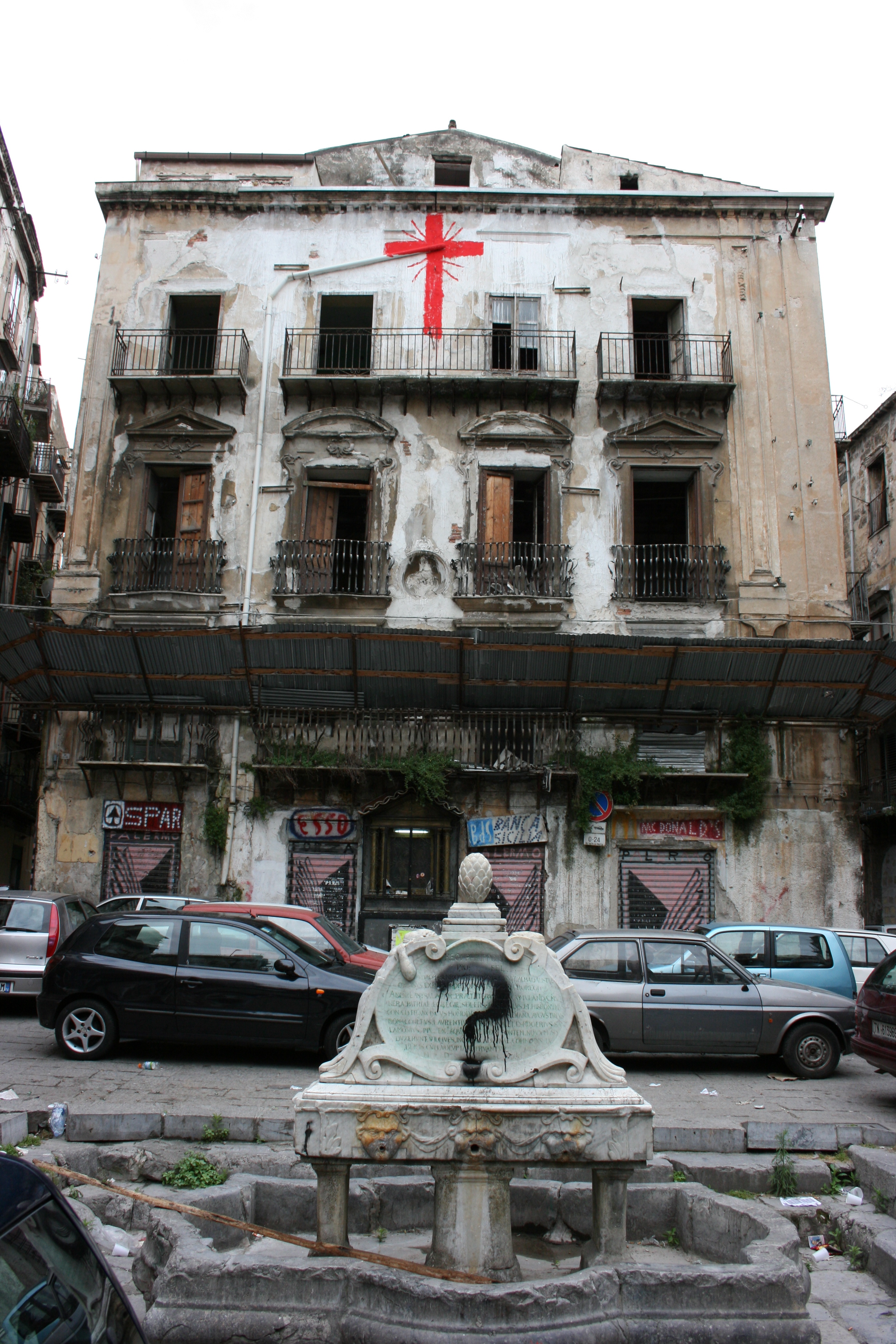
The Fontana del Garraffo (also known as Fontana del Garraffello) is a marble fountain set against the façade of a historic building in Palermo’s old town. Its name derives from the Arabic word “garraf” meaning “water tank,” a nod to the island’s multicultural past. The fountain’s design showcases graceful cherubs, flowing water, and intricate stonework typical of the Sicilian Baroque style. Though the exact height remains undocumented, the fountain’s presence is unmistakable, drawing the eye with its polished surface that reflects the Mediterranean sun.
Historical Roots
Commissioned in the early 1600s, the fountain was part of a broader urban renewal program aimed at beautifying Palermo’s streets and providing public water sources. Over the centuries, the Garraffo has survived earthquakes, wars, and the ebb and flow of city life, retaining its original marble splendor. Its location near the former Porta di S. Maria (a medieval gate) hints at its role as a welcoming landmark for travelers entering the city from the harbor.
Cultural Significance
Beyond its aesthetic appeal, the Fontana del Garraffo symbolizes Palermo’s layered identity. The fountain blends Arab, Norman, and Spanish influences—mirroring the island’s history of conquest and cultural exchange. Locals often gather here for casual chats, street performances, and seasonal festivals, making the fountain a living piece of the city’s social fabric.
3. How to Get There
By Public Transport
- Bus: Several city buses stop within a 5‑minute walk of the fountain. Look for lines #101, #102, and #106, which run along Via Roma and Via Vittorio Emanuele.
- Tram: The Tram Line 1 (Pianobarbera – Cattafi) has a stop at Piazza Politeama, just a short stroll to the Garraffo.
By Metro
Palermo’s metro line (currently under expansion) has a “Centro Storico” station a few blocks away. From there, follow the signs toward Via della Libertà and turn left onto Via Garraffo.
On Foot
If you’re staying in the historic centre (e.g., near the Quattro Canti or Cattedrale di Palermo), the fountain is a pleasant 10‑minute walk. Wander through narrow alleys, soak up the aroma of fresh pastries, and you’ll spot the marble basin shimmering at the end of Via Garraffo.
By Car / Taxi
Parking in Palermo’s old town can be challenging. Opt for a taxi or a ride‑share service, and ask the driver to drop you off at Via Garraffo near the intersection with Via dei Calzolari.
4. Best Time to Visit
| Season | Why It Works | Tips |
|---|---|---|
| Spring (Mar‑May) | Mild temperatures, blooming citrus trees, fewer crowds. | Arrive early (8–9 am) to enjoy soft light for photography. |
| Summer (Jun‑Aug) | Long daylight hours; vibrant street life. | Visit late afternoon to avoid the midday heat; bring a bottle of water. |
| Autumn (Sep‑Nov) | Pleasant weather, golden light, local festivals. | Check the city’s event calendar for “Festa di San Martino” celebrations near the fountain. |
| Winter (Dec‑Feb) | Quiet streets, festive decorations. | The fountain is beautifully illuminated during Christmas; perfect for night shots. |
Overall, early morning or late afternoon offers the best lighting and a more relaxed atmosphere, regardless of the season.
5. What to Expect
Visual Experience
Approaching the Fontana del Garraffo, you’ll first notice the smooth marble basin framed by delicate stucco cherubs. Water gently cascades from a central spout, creating a soothing soundscape that contrasts with the city’s bustling backdrop. The surrounding stone façade, often adorned with climbing vines, adds a romantic, slightly weathered charm.
Sensory Highlights
- Sound: The subtle murmur of water provides a calming soundtrack, especially pleasant after navigating Palermo’s lively markets.
- Smell: Depending on the time of day, you may catch hints of fresh espresso from nearby cafés or the citrus perfume of orange trees lining the streets.
- Touch: The marble is cool to the hand—feel free to run your fingers along the basin’s edge for a tactile connection to history.
Photographic Opportunities
- Golden Hour: Capture the fountain’s reflections on the marble as the sun sets behind the historic buildings.
- Nighttime: The fountain is often lit with soft amber lighting, creating a magical ambience for evening shots.
- Details: Zoom in on the sculpted cherubs, the intricate water channels, and the surrounding stonework for close‑up Instagram reels.
6. Nearby Attractions
While you’re in the area, make the most of Palermo’s compact historic district. All of these sites are within a 5‑minute walk from the Garraffo fountain:
- Fontana della Doganella – 0.1 km away. A smaller but equally charming fountain that once marked the city’s customs gate.
- Fontana del Garraffello – 0.2 km away. Often confused with the Garraffo, this nearby fountain offers a different sculptural style.
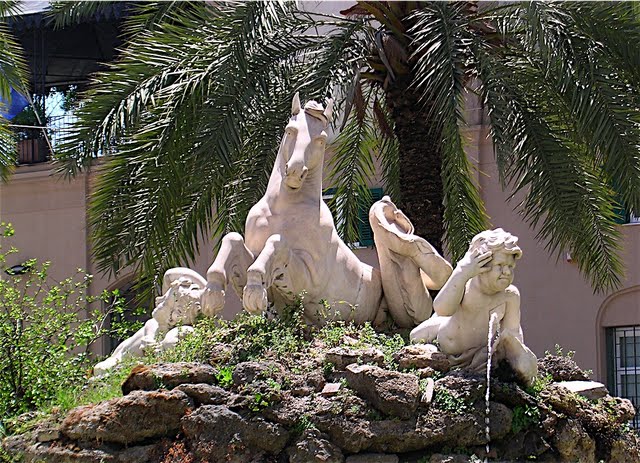
- Fontana del Cavalluccio Marino – 0.3 km away. Known for its whimsical horse motif, it’s a favorite spot for families.
Additional hidden gems (unnamed fountains) are scattered within a 0.1‑0.2 km radius; keep your eyes peeled as you wander the cobblestones.
Beyond fountains, consider adding these classic Palermo highlights to your itinerary:
- Quattro Canti – The iconic Baroque square at the intersection of Via Vittorio Emanuele and Via Maqueda.
- Cattedrale di Palermo – A stunning cathedral blending Norman, Arab, and Gothic elements.
- Mercato di Ballarò – One of the city’s oldest street markets, perfect for tasting street food like arancini and panelle.
7. Travel Tips
- Dress Comfortably – Palermo’s historic centre features uneven cobblestones; wear sturdy shoes.
- Stay Hydrated – Even in cooler months, the Mediterranean sun can be strong. Carry a reusable water bottle.
- Mind the Water – While the fountain is beautiful, the water is not intended for drinking or bathing.
- Respect Local Customs – The area can be a gathering spot for locals; keep noise levels moderate, especially during early mornings.
- Timing for Photos – For the clearest water and minimal reflections, visit right after the fountain’s water circulation system restarts (usually at the top of each hour).
- Combine with a Coffee Break – The nearby Caffè del Garraffo (just a few steps away) serves excellent espresso and cannoli—ideal for a quick recharge.
- Check Event Calendars – Palermo hosts numerous festivals (e.g., Festa di Santa Rosalia in July). The fountain often becomes a stage for live music or cultural performances.
Bottom Line
The Fontana del Garraffo may not be as massive as some of Italy’s grandiose fountains, but its intimate scale, rich history, and prime location in Palermo’s vibrant old town make it a standout attraction for any traveler. By planning your visit with the tips above, you’ll experience not only a beautiful piece of Baroque art but also a genuine slice of Sicilian life.
Ready to add the Garraffo fountain to your Palermo itinerary? Pack your camera, bring a sense of curiosity, and let the gentle flow of water guide you through the heart of Sicily’s most charismatic city.