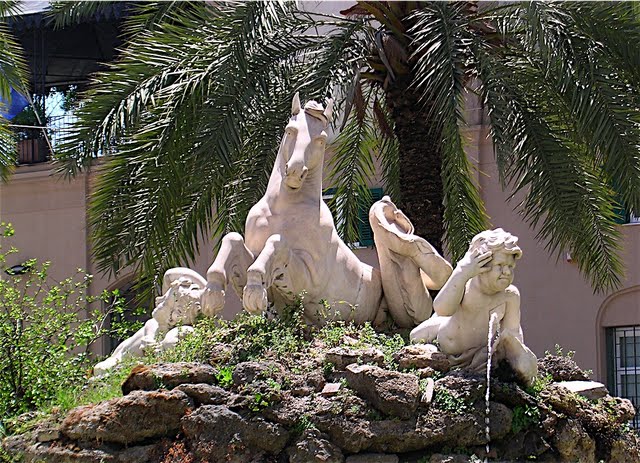
Fontana del Cavalluccio Marino – Palermo’s Hidden Fountain Gem
If you think you’ve seen every corner of Palermo, think again. Tucked away in the bustling historic centre lies the Fontana del Cavalluccio Marino, a modest yet enchanting fountain that captures the spirit of Sicily’s baroque heritage. Whether you’re a seasoned traveler, a photography enthusiast, or simply wandering the streets of Palermo for the first time, this little water feature is worth a pause.
1. About Fontana del Cavalluccio Marino
The Fontana del Cavalluccio Marino (literally “Fountain of the Little Sea Horse”) is one of Palermo’s many historic fountains that once supplied fresh water to the city’s residents. Situated at the coordinates 38.119298, 13.370783, the fountain sits at the crossroads of daily life and centuries‑old artistry.
History & Significance
- Origins – The fountain dates back to the late Renaissance/early Baroque period (exact year unknown), a time when Palermo was flourishing under Spanish rule. Public fountains were not merely decorative; they were essential infrastructure, delivering water from the city’s aqueducts to the populace.
- Design – The centerpiece is a sculpted cavalluccio marino (a small sea horse) that spouts water into a shallow basin. The marine motif reflects Sicily’s deep connection to the Mediterranean Sea and the island’s maritime trade routes.
- Cultural Role – Over the centuries, the fountain has served as a meeting point for locals, a backdrop for market stalls, and a quiet spot for tourists to rest. Its modest size makes it a perfect illustration of how everyday utility can blend seamlessly with artistic expression.
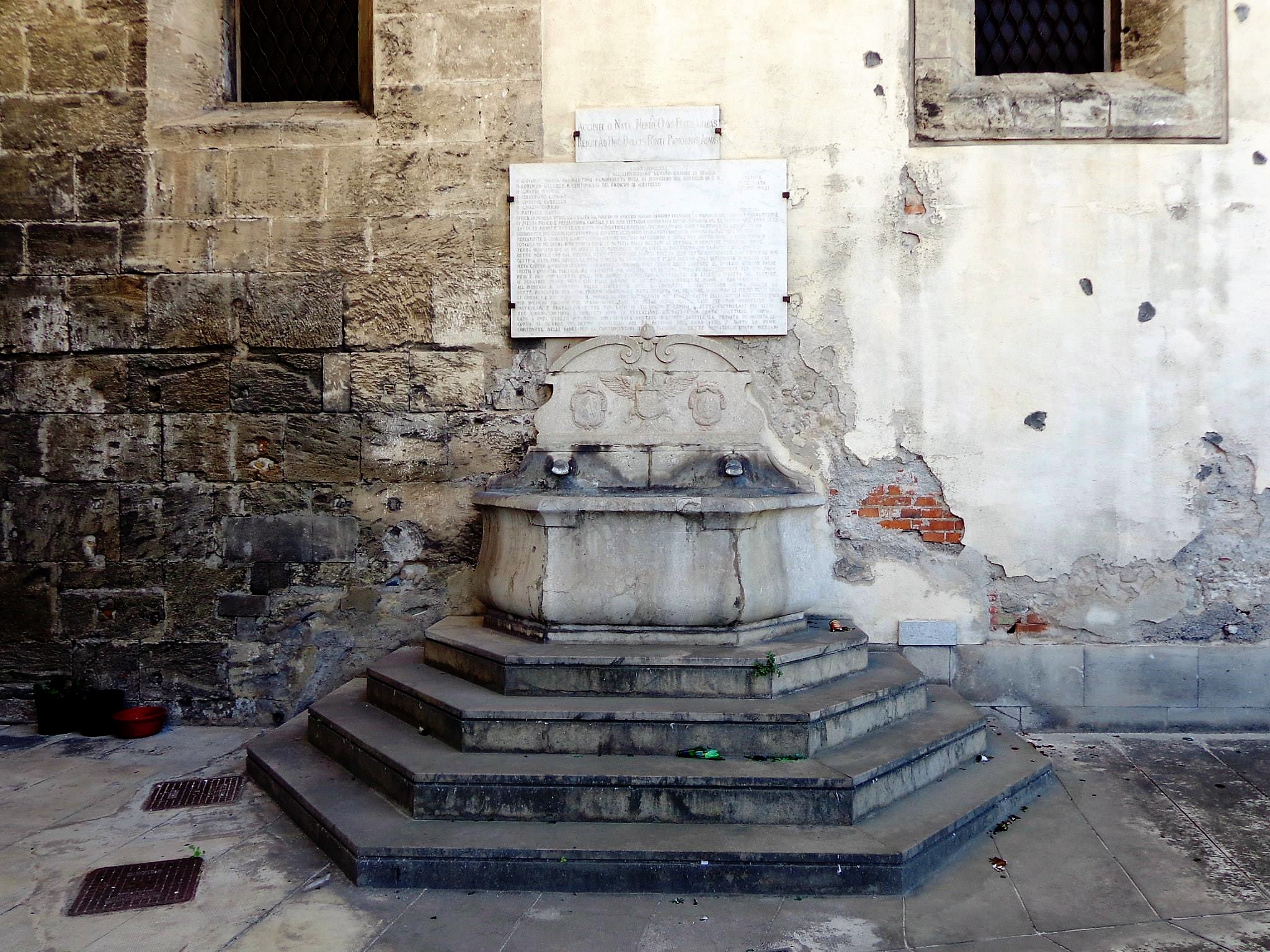
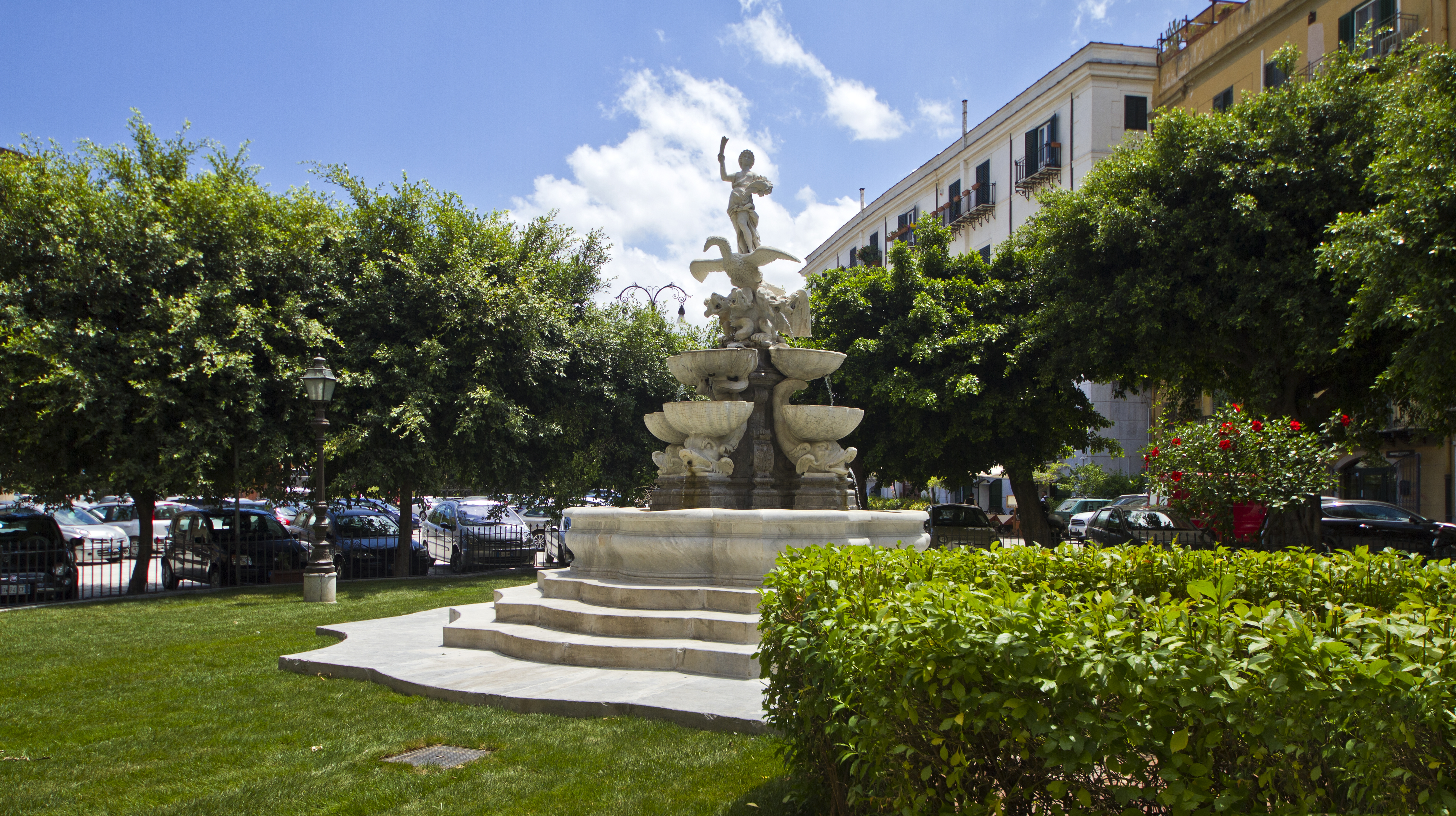
Although the exact height of the fountain remains undocumented, its presence is unmistakable: a stone or marble base, the graceful sea‑horse figure, and a gentle cascade of water that glistens under Palermo’s warm sun.
2. How to Get There
By Air
- Palermo Falcone‑Borsellino Airport (PMO) is the nearest international gateway, located about 35 km from the city centre. From the airport, you can take a Aerobus (line 101) or a taxi to Piazza Castelnuovo, then walk or use public transport to reach the fountain.
By Train
- Trenitalia and Sicily’s regional trains stop at Palermo Centrale. From the station, hop on ATM bus line 101 (direction “Piazza Castelnuovo”) and alight at the stop closest to the historic centre. The walk to the fountain takes roughly 10 minutes.
By Public Transport (Within Palermo)
- Bus – Lines 101, 102, 103, and 504 pass near the historic centre. Check the latest schedules on the ATM Palermo website or mobile app.
- Metro – The Palermo Metro (Line A) stops at Mazzini and Quattro Canti, both within a short stroll to the fountain.
By Foot or Bike
Palermo’s historic centre is compact and pedestrian‑friendly. If you’re staying in neighborhoods like Kalsa, La Albergheria, or Monte di Pietà, the Fontana del Cavalluccio Marino is easily reachable on foot (5–15 minutes). City‑shared bikes (e.g., Bicincittà) are also a fun way to explore the narrow alleys and piazzas.
3. Best Time to Visit
| Season | Why It Works | Tips |
|---|---|---|
| Spring (March‑May) | Pleasant temperatures (15‑22 °C) and blooming street flora create a photogenic backdrop. | Arrive early (8–9 am) to avoid crowds and capture soft morning light. |
| Summer (June‑August) | Long daylight hours let you linger longer; evenings buzz with street performers. | Bring a bottle of water and a hat—Palermo can get hot (30 °C+). |
| Autumn (September‑November) | Golden light and milder weather; the city’s harvest festivals add extra flavor. | Ideal for sunset shots; the fountain reflects the amber sky beautifully. |
| Winter (December‑February) | Fewer tourists, quieter streets, and the fountain’s water still flows, offering a serene scene. | Dress in layers; occasional rain may create reflective puddles that enhance photography. |
Overall, late spring and early autumn provide the most comfortable climate and vibrant atmosphere for a relaxed visit.
4. What to Expect
When you step onto the cobblestones surrounding the Fontana del Cavalluccio Marino, you’ll notice:
- A Quiet Oasis – Unlike the bustling markets nearby, the fountain area feels like a small pocket of calm. The gentle murmur of water provides a soothing soundtrack.
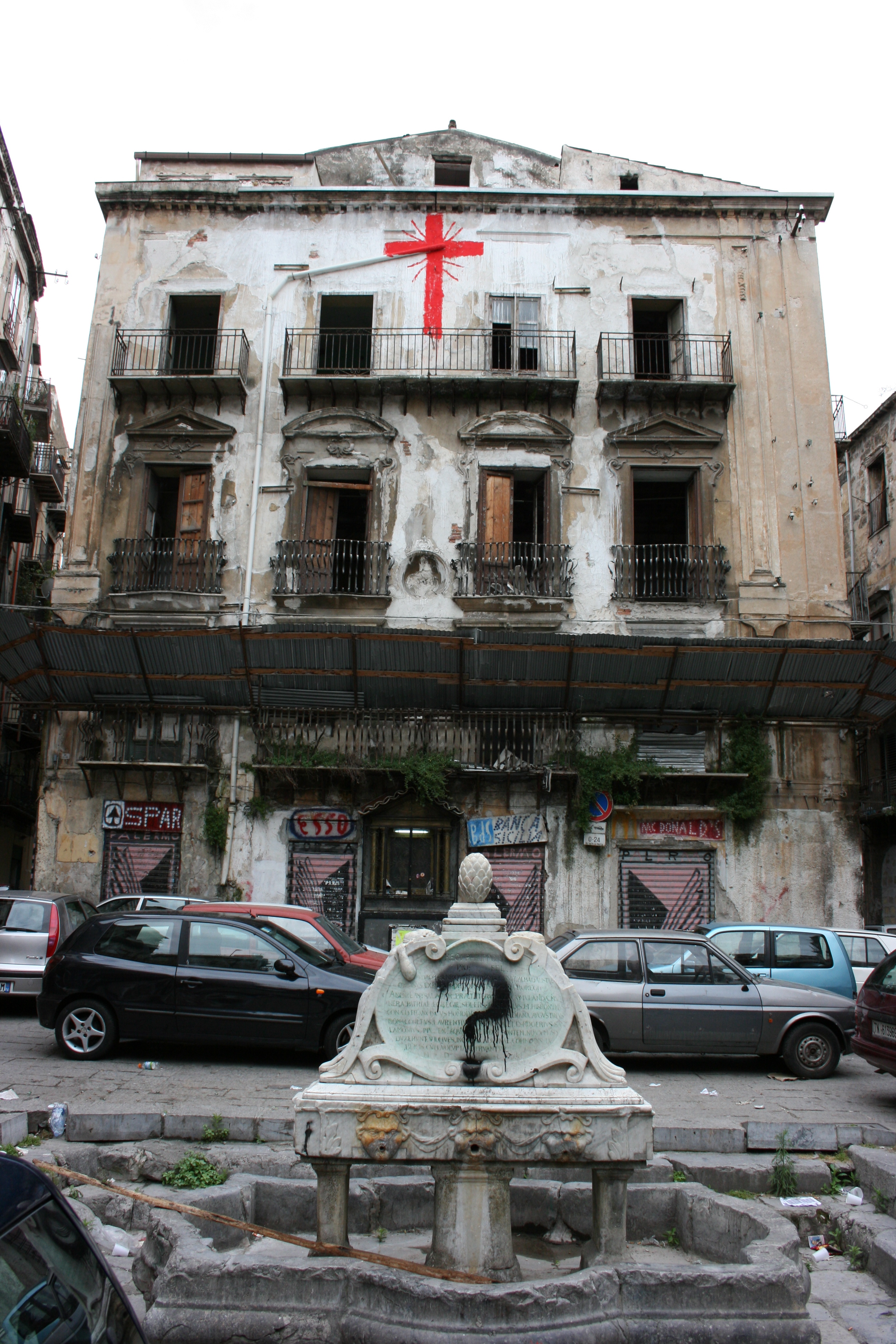
- Historical Ambiance – The stonework shows signs of age—soft patina, occasional moss, and subtle wear that tell a story of centuries of use.
- Local Life – Expect to see locals pausing for a quick drink, children playing nearby, and occasional street vendors offering fresh arancini or granita.
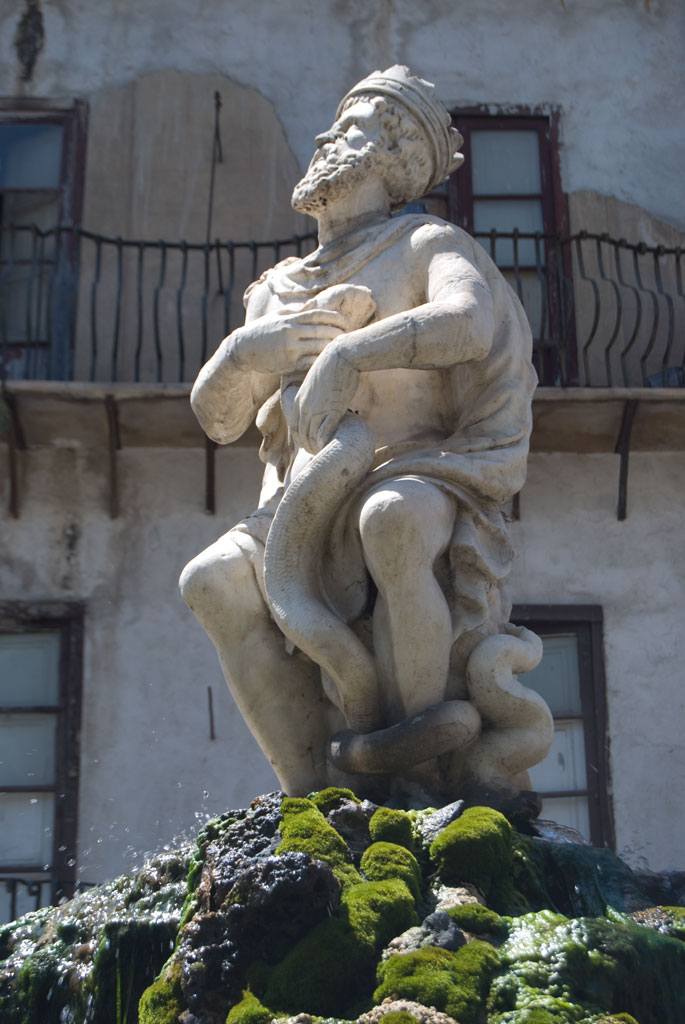
- Photography Opportunities – The sea‑horse sculpture makes a striking focal point. Capture it from low angles to emphasize its curve, or frame it against the surrounding baroque façades for a classic Palermo shot.
Because the fountain is public and free, you can linger as long as you like, sit on the nearby steps, or simply enjoy a moment of contemplation amidst the city’s lively rhythm.
5. Nearby Attractions
Palermo is a treasure trove of fountains, churches, and piazzas—all within a short walk from the Fontana del Cavalluccio Marino. Here are the top spots you can explore on the same itinerary:
- Fontana della Doganella – 0.3 km away. A small marble fountain dating to the 16th century, famous for its ornate basins.
- Fontana del Garraffo – 0.3 km away. One of Palermo’s most photographed fountains, featuring a bronze sea‑horse and a mythological scene.
- Marina Fountain (Fontana Marina) – 0.5 km away. Set near the historic Piazza Marina, this fountain offers a lively backdrop of cafés and street musicians.
- [Other Nearby Fountain 1] – 0.2 km away (exact name not listed). A hidden gem perfect for a quick photo stop.
- [Other Nearby Fountain 2] – 0.4 km away (exact name not listed). Often overlooked, it provides a tranquil corner away from the main tourist routes.
While you’re in the area, don’t miss the Quattro Canti, Palazzo dei Normanni, and the Cattedrale di Palermo—all within a 10‑minute walk and rich with Sicilian history.
6. Travel Tips
| Tip | Why It Matters |
|---|---|
| Wear Comfortable Shoes | Palermo’s historic centre is paved with uneven cobblestones; sturdy footwear prevents sore feet. |
| Stay Hydrated | Even in shade, the Mediterranean climate can be dehydrating, especially in summer. |
| Mind Your Belongings | Pickpocketing can occur in crowded markets and near popular fountains; keep wallets in front pockets. |
| Respect Local Customs | When the fountain is in use, avoid stepping directly into the water; locals treat it as a functional source. |
| Capture Light | Early morning or late afternoon provides the best natural light for photography. |
| Try Local Snacks | Street vendors near the fountain often sell granita, cannoli, or panelle—perfect for a quick bite. |
| Check Opening Hours | While the fountain is always accessible, nearby attractions (e.g., museums) may have seasonal hours. |
| Use a Small Backpack | A compact bag is easier to manage on narrow streets and lets you keep hands free for photos. |
| Learn a Few Italian Phrases | Simple greetings like “Buongiorno” or “Grazie” go a long way with locals and vendors. |
| Plan for the Weather | Carry a lightweight rain jacket in autumn; sudden showers can create beautiful reflections for photos. |
Final Thought
The Fontana del Cavalluccio Marino may not be the grandest monument in Palermo, but its charm lies in the quiet moments it offers travelers willing to stray from the main tourist trail. A sip of cool water, a glance at the graceful sea‑horse, and the surrounding hum of Sicilian life create an authentic slice of Palermo that stays with you long after you leave.
So, next time you find yourself wandering the historic streets of Palermo, Sicily, make sure to pause at this hidden fountain. It’s a small, free‑of‑charge experience that adds a splash of culture, history, and serenity to any Sicilian adventure.
Happy travels, and may your journey be as refreshing as the waters of the Fontana del Cavalluccio Marino!