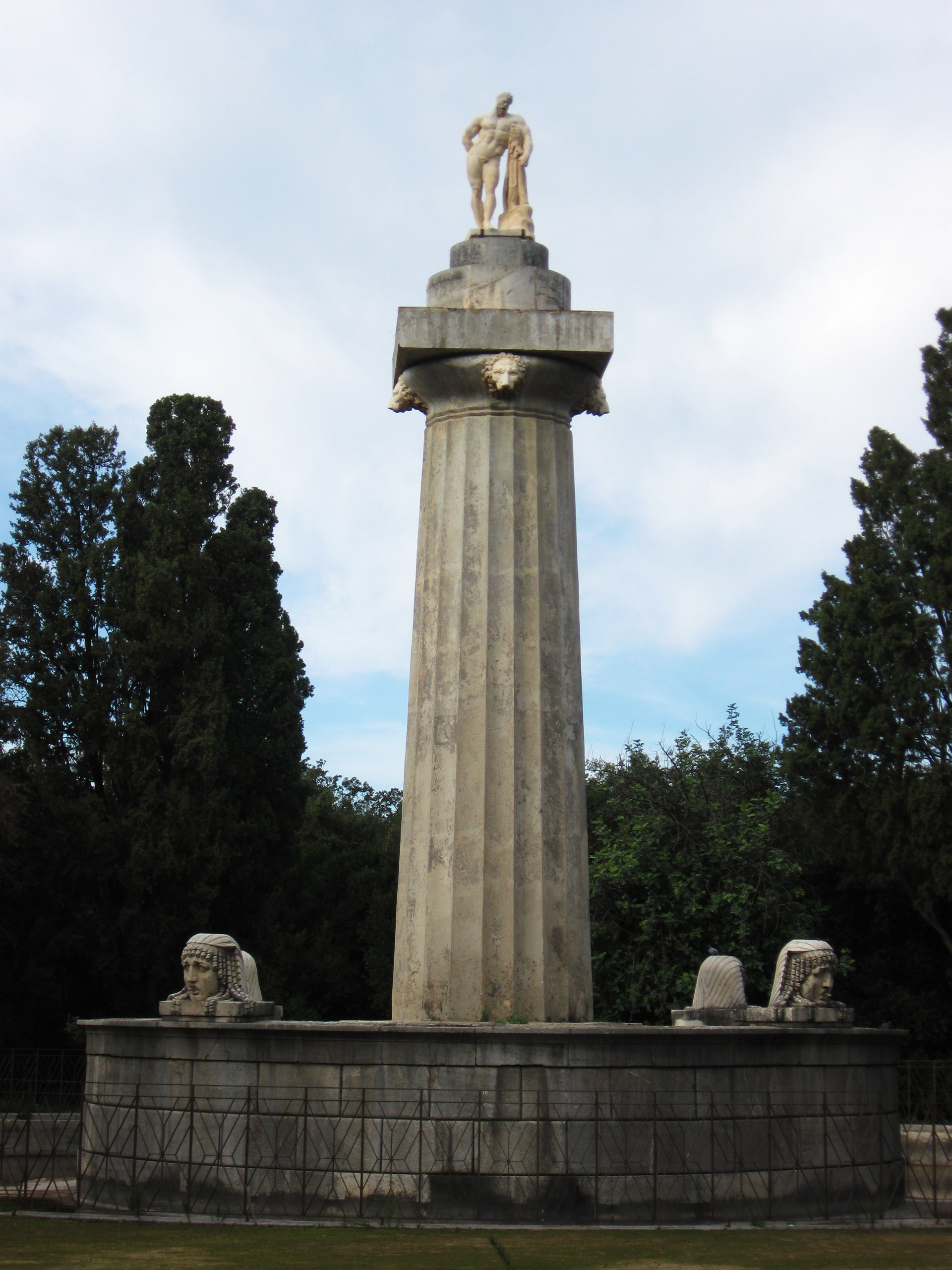
Fontana d'Ercole – Palermo’s Hidden Fountain Gem
If you think you’ve seen every corner of Palermo, think again. Nestled in the historic heart of Sicily’s capital, the Fontana d'Ercole (Hercules Fountain) is a quiet yet striking reminder of the city’s baroque charm and its centuries‑old love affair with water, art, and mythology. Whether you’re a history buff, a photography enthusiast, or simply wandering the winding streets of Palermo, this fountain deserves a spot on your itinerary.
1. About Fontana d'Ercole
Located at 38.168710 N, 13.335154 E, the Fontana d'Ercole sits in a modest piazza that feels like a secret garden amidst Palermo’s bustling streets. While the exact height and altitude of the fountain are not recorded, its presence is unmistakable: a marble basin crowned by a sculptural figure that evokes the legendary strength of Hercules.
A Brief History
The fountain’s name hints at its mythological inspiration. In classical lore, Hercules (Ercole in Italian) symbolizes power, endurance, and the triumph over adversity—qualities that resonate with Palermo’s resilient spirit. Though detailed archival records are scarce, the fountain is believed to date back to the 18th‑century baroque period, a time when Palermo’s aristocracy commissioned numerous public works to celebrate civic pride and religious devotion.
Why It Matters
- Cultural Symbolism – The Hercules motif connects Palermo to a broader Mediterranean tradition of celebrating mythic heroes in public art.
- Urban Oasis – In a city where narrow alleys meet sun‑baked squares, the fountain offers a refreshing splash of cool water and a place to pause.
- Architectural Harmony – Its simple yet elegant design complements the surrounding baroque façades, creating a cohesive visual narrative that tells the story of Palermo’s artistic evolution.
For more in‑depth background, you can explore the Italian Wikipedia entry: Fontana d'Ercole (Palermo).
2. How to Get There
By Public Transport
- Bus – Several city buses (e.g., lines 101, 102, and 115) stop within a 5‑minute walk of the fountain. Look for the “Piazza Indipendenza” stop, then head east toward Via Vittorio Emanuele.
- Tram – The historic tram line 1 (Via Roma–Piazza San Francesco) has a stop at Piazza San Domenico, just a short stroll away.
By Foot
If you’re staying in Palermo’s historic center (Kalsa, La Albergheria, or the Quattro Canti area), the Fontana d'Ercole is easily reachable on foot. From the Quattro Canti, walk north on Via Maqueda for about 300 meters; the fountain will appear on your right, framed by stone arches and blooming bougainvillea.
By Car / Taxi
Parking in the immediate vicinity is limited due to narrow cobblestone streets. We recommend using a park-and-ride facility on Via Cavour and taking a short taxi ride (approximately 3 minutes) to the fountain.
GPS Coordinates
- Latitude: 38.168710
- Longitude: 13.335154
Enter these into your navigation app for precise guidance.
3. Best Time to Visit
Spring (March–May)
- Why: Mild temperatures (15‑22 °C) make strolling through Palermo’s historic streets a pleasure. The surrounding gardens burst into color, providing a perfect backdrop for photos of the fountain.
- Tip: Visit early in the morning to catch the sunrise light reflecting off the water.
Autumn (September–November)
- Why: The summer crowds thin out, yet the weather remains pleasant (20‑25 °C). The occasional drizzle adds a romantic sheen to the marble basin.
Summer (June–August)
- Considerations: Palermo can get hot (up to 35 °C). If you’re a night‑owl, plan a late‑evening visit when the fountain is illuminated and the temperature drops.
Winter (December–February)
- Pros: Fewer tourists and a quieter atmosphere. The fountain’s stonework takes on a soft, muted tone under the winter sky.
Overall, April and October are the sweet spots for optimal weather, lighting, and a relaxed vibe.
4. What to Expect
When you arrive at the Fontana d'Ercole, you’ll be greeted by a serene marble basin that gently ripples with fresh water. The central sculptural element—a stylized representation of Hercules—stands proudly, his muscular form carved in a classical pose that captures both strength and grace.
- Soundscape: The subtle murmur of water creates a calming soundtrack that drowns out the city’s occasional hustle.
- Photographic Appeal: The fountain’s clean lines and reflective surface are ideal for both wide‑angle city shots and intimate close‑ups. Try shooting from a low angle to emphasize the heroic figure against the sky.
- Social Atmosphere: Locals often gather here for a quick chat, a coffee break, or to cool off on hot afternoons. Expect a relaxed, friendly vibe—feel free to join in!
Because the fountain is uncommercialized, there are no souvenir stalls or loud music, allowing you to fully absorb the historic ambiance.
5. Nearby Attractions
Palermo is a treasure trove of sights, and the Fontana d'Ercole sits within walking distance of several other noteworthy spots—many of which are also charming fountains that pepper the city’s landscape.
| Attraction | Distance | Highlights |
|---|---|---|
| Unnamed Fountain 1 | 0.3 km | A small stone fountain tucked behind a historic convent. |
| Unnamed Fountain 2 | 0.5 km | Features intricate wrought‑iron railings and a tiled basin. |
| Unnamed Fountain 3 | 0.5 km | Located near a bustling market, perfect for people‑watching. |
| Unnamed Fountain 4 | 0.5 km | Surrounded by lush potted plants, ideal for a quiet pause. |
| Fontana Niscemi | 0.6 km | A larger, more elaborate fountain with sculpted cherubs. |
Tip: Combine your visit to Fontana d'Ercole with a walking tour of Palermo’s historic fountains. Each water feature tells its own story, and together they map a centuries‑old route of public art and civic pride.
6. Travel Tips
| Tip | Details |
|---|---|
| Dress Comfortably | Cobblestone streets can be uneven. Wear sturdy shoes and bring a light jacket for evenings. |
| Stay Hydrated | Even though the fountain offers a cool visual, you’ll still need water—especially in summer. Carry a reusable bottle. |
| Respect the Space | The fountain is a public heritage site. Avoid climbing on the marble and keep noise levels low. |
| Timing for Photos | Early morning (sunrise) and late afternoon (golden hour) provide the best natural lighting. |
| Combine with Food | Just a few blocks away, you’ll find traditional Sicilian trattorias serving arancini, panelle, and fresh granita. |
| Safety | Palermo is generally safe for tourists, but keep an eye on personal belongings in crowded areas. |
| Language | While many locals speak basic English, learning a few Italian phrases (e.g., “Buongiorno,” “Grazie”) goes a long way. |
| Currency | Italy uses the Euro (€). Credit cards are widely accepted, but carry some cash for small vendors. |
7. Wrap‑Up: Why Fontana d'Ercole Should Be on Your Palermo Bucket List
The Fontana d'Ercole may not appear in the typical “must‑see” guides, but that’s precisely what makes it a hidden gem for the discerning traveler. Its mythic name, baroque roots, and tranquil setting encapsulate the soul of Palermo—an island city where ancient legends mingle with everyday life.
By adding this modest fountain to your itinerary, you’ll experience:
- Authentic local ambiance away from tourist crowds.
- A photographic haven that captures the interplay of water, stone, and light.
- A gateway to explore nearby historic fountains and the vibrant streets that surround them.
So, the next time you find yourself wandering the sun‑kissed alleys of Sicily, let the sound of gently flowing water guide you to the Fontana d'Ercole—and discover a slice of Palermo that most visitors never see.
Happy travels, and may the spirit of Hercules inspire your own adventures across the enchanting island of Sicily!