Discover Diga San Giovanni – Sicily’s Hidden Waterway Gem
If you think Sicily is only about ancient ruins, sun‑kissed beaches, and fiery cuisine, think again. Tucked in the rolling hills of Naro lies Diga San Giovanni, a modest yet captivating dam that offers travelers a quiet glimpse into the island’s engineering heritage and natural beauty.
1. Introduction
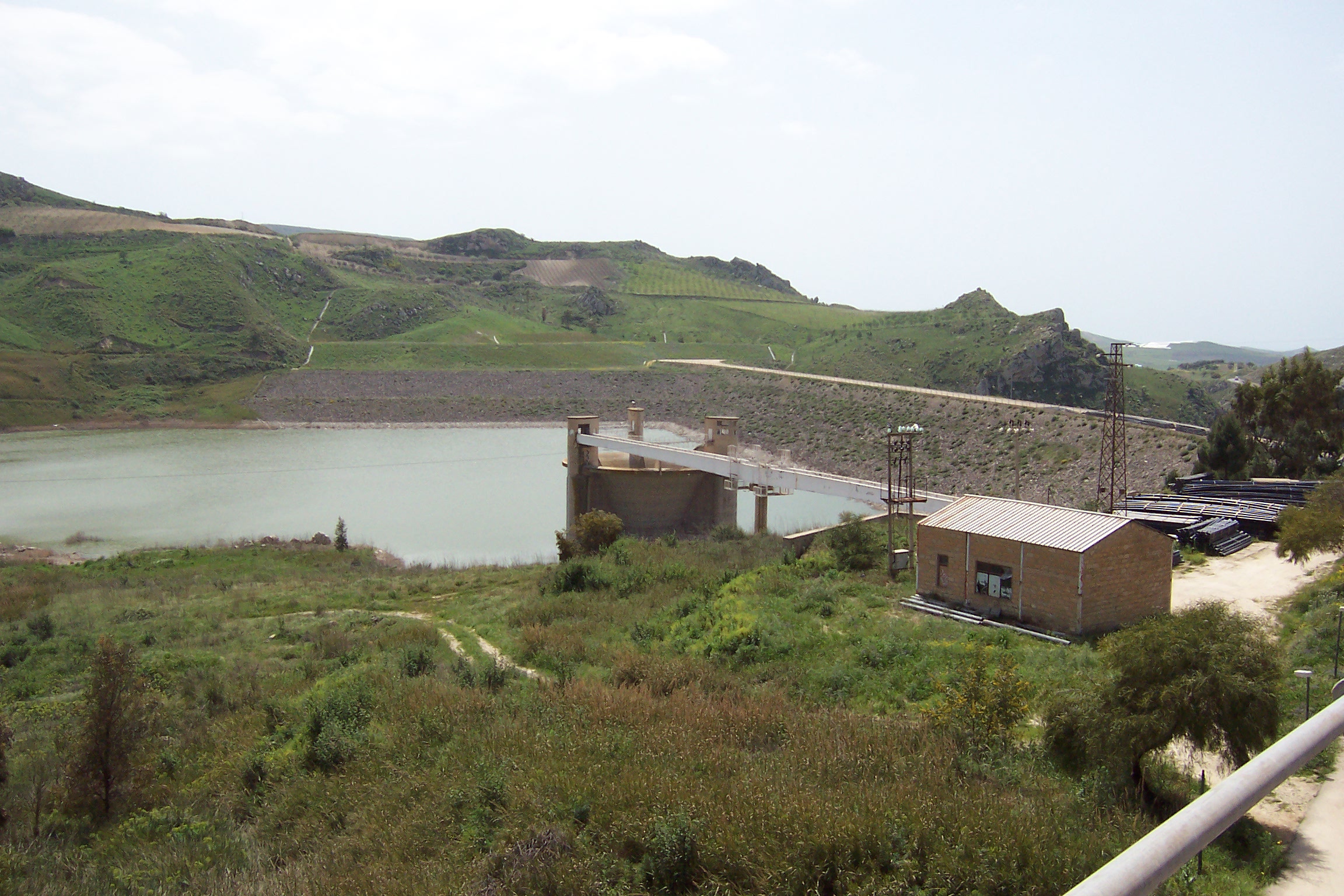
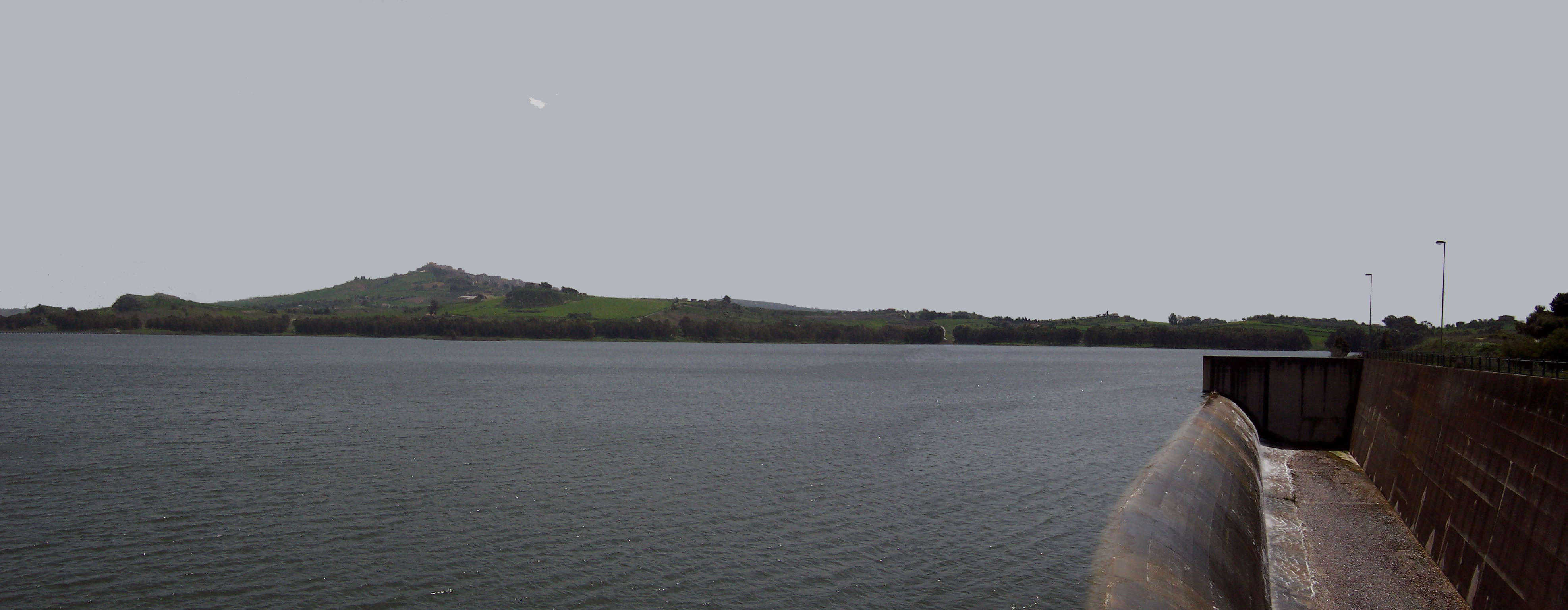
A short drive from the historic town of Naro, Diga San Giovanni (Italian for “Saint John Dam”) may not appear on the typical tourist map of Sicily, but it’s exactly the kind of off‑the‑beaten‑path destination that makes a trip unforgettable. With its tranquil reservoir reflecting the sky and surrounding olive groves, the dam provides a perfect spot for photography, gentle walks, and a moment of serenity away from the bustling coastal resorts. Whether you’re an avid road‑tripper, a history buff, or simply looking for a peaceful place to pause, Diga San Giovanni invites you to explore a lesser‑known facet of Sicilian life.
2. About Diga San Giovanni
Description & Setting
- Location: Naro, Province of Agrigento, Sicily, Italy
- Coordinates: 37.309377 N, 13.757251 E
- Type: Dam (civil engineering structure)
The dam sits amid a patchwork of vineyards, almond trees, and low‑lying hills that characterize the interior of western Sicily. While the exact height and altitude of the structure are not publicly documented, the reservoir created by Diga San Giovanni plays a vital role in local irrigation, supporting agriculture in the surrounding valleys.
Historical Context
Diga San Giovanni is part of a broader network of water‑management projects that were developed throughout Sicily during the 20th century to address the island’s Mediterranean climate, characterized by dry summers and occasional heavy rains. Though specific construction dates are scarce, the dam reflects the post‑World‑War era’s push for modernizing rural infrastructure, ensuring reliable water supply for farms and small communities.
Significance
- Agricultural Lifeline: The reservoir supplies water to nearby farms, helping sustain the region’s famous olive oil and citrus production.
- Cultural Landscape: The dam blends seamlessly with the agrarian scenery, offering a glimpse into how Sicilians have harnessed natural resources while preserving the pastoral charm.
- Eco‑Tourism Potential: Birdwatchers and nature lovers can spot local species around the water’s edge, making it a quiet spot for wildlife observation.
For a concise overview, see the Italian Wikipedia entry: Diga San Giovanni (it.wikipedia.org).
3. How to Get There
By Car
The most convenient way to reach Diga San Giovanni is by rental car or a private vehicle. From Palermo Airport (Falcone‑Borsellino), follow the A29 motorway southbound toward Agrigento, then take the SS115 exit for Naro. After passing through Naro’s historic center, follow local signs toward the “Diga San Giovanni” area—approximately 4 km from the town center. The drive takes roughly 1 hour 30 minutes (about 130 km).
By Public Transport
- Train: Take a Trenitalia regional train to Naro (the nearest station). Trains from Caltanissetta or Agrigento run several times daily.
- Bus: From Naro’s bus terminal, local ASI (Azienda Siciliana Trasporti) routes head toward the outskirts. Ask the driver for a stop near “Diga San Giovanni” or request a short taxi ride (about 5 minutes).
From the Nearest Airport
If you land at Catania–Fontanarossa Airport, the drive is longer (≈2 h 30 min, 190 km). The A19 motorway connects Catania to the A29, after which you follow the same directions as from Palermo.
Parking
A modest, free parking area lies adjacent to the dam’s access road, making it easy to unload bikes, scooters, or picnic gear.
4. Best Time to Visit
| Season | Weather | Why Visit |
|---|---|---|
| Spring (Mar‑May) | Mild temperatures (15‑22 °C), occasional rain | The surrounding fields burst into green, perfect for photography and gentle hikes. |
| Summer (Jun‑Aug) | Hot, dry (28‑35 °C) | Early mornings are pleasant; the reservoir offers a cool backdrop for sunrise shots. |
| Autumn (Sep‑Nov) | Warm days, cooler evenings (20‑26 °C) | Harvest season brings olive groves and vineyards to life; ideal for tasting local produce. |
| Winter (Dec‑Feb) | Cool, occasional rain (10‑15 °C) | Fewer visitors, tranquil atmosphere—great for contemplative walks. |
Recommendation: Late spring (mid‑April to early May) provides the best combination of comfortable weather, vibrant scenery, and manageable crowds.
5. What to Expect
Scenic Views
Approach the dam via a short, paved path that leads to a modest viewing platform. From here, you can admire the calm water surface mirroring the sky, framed by gentle hills dotted with stone farmhouses. The scene changes dramatically with the light—golden hour sunsets paint the water in amber hues, while early morning mist adds a dreamy quality.
Walking & Photography
A 2‑kilometer loop trail circles the reservoir, suitable for casual walkers, families, and photographers. Along the route, you’ll encounter rustic stone walls, small chapels, and occasional wildflowers. Bring a wide‑angle lens to capture the expansive landscape and a telephoto for distant wildlife.
Picnic Spots
Scattered benches and grassy patches near the water’s edge make for pleasant picnic spots. Pack local specialties such as panelle (chickpea fritters), caponata, and a bottle of Nero d'Avola wine from nearby vineyards for an authentic Sicilian experience.
Quiet Reflection
Unlike the crowded tourist magnets of the coast, Diga San Giovanni offers a serene environment where you can unwind, read a book, or simply listen to the gentle lapping of water against the dam’s stonework.
6. Nearby Attractions
While Diga San Giovanni is a rewarding destination on its own, the surrounding area offers several charming spots worth adding to your itinerary:
| Attraction | Distance | Type | Quick Link |
|---|---|---|---|
| Fountain (unnamed) | 4.1 km | Fountain | Map |
| Diga Furore | 6.2 km | Dam | Diga Furore (Wikipedia) |
| Fountain (unnamed) | 7.3 km | Fountain | Map |
| Fountain (unnamed) | 7.9 km | Fountain | Map |
| Fonte Canali | 8.5 km | Fountain | Fonte Canali (Google Maps) |
Tip: Combine a visit to Diga San Giovanni with a short drive to Diga Furore, another historic dam that offers a slightly larger reservoir and a picnic area equipped with tables. The series of small fountains scattered around the region reflect the traditional Sicilian practice of placing water sources near agricultural lands—perfect for a leisurely exploration of rural life.
7. Travel Tips
| Tip | Details |
|---|---|
| Bring Cash | Small rural establishments may not accept cards. |
| Dress Comfortably | Light layers work best; a hat and sunscreen are essential in summer. |
| Stay Hydrated | Even on cooler days, the Sicilian sun can be intense. |
| Respect Private Land | Some sections around the dam are owned by local farms; stick to marked paths. |
| Check Opening Hours | The viewing platform is open year‑round, but nearby facilities (e.g., cafés) may have seasonal hours. |
| Local Cuisine | Try the arancini from a nearby trattoria in Naro, and pair it with a glass of Marsala or Cerasuolo di Vittoria. |
| Photography Etiquette | Avoid using flash near wildlife; keep a respectful distance from any grazing animals. |
| Language | Basic Italian phrases (e.g., “Buongiorno,” “Grazie”) go a long way in rural Sicily. |
| Safety | The trail is generally flat, but some sections can be slippery after rain— wear sturdy shoes. |
| Timing | Arrive early (before 10 am) to enjoy cooler temperatures and fewer visitors. |
Final Thought
Diga San Giovanni may not boast towering walls or dramatic waterfalls, but its understated charm captures the essence of Sicily’s interior—a place where water, land, and human ingenuity coexist in quiet harmony. Add this hidden dam to your Sicilian road trip, and you’ll discover a slice of the island that most travelers overlook, yet one that leaves a lasting impression of peace, history, and natural beauty.
Pack your camera, hit the road, and let Diga San Giovanni surprise you.