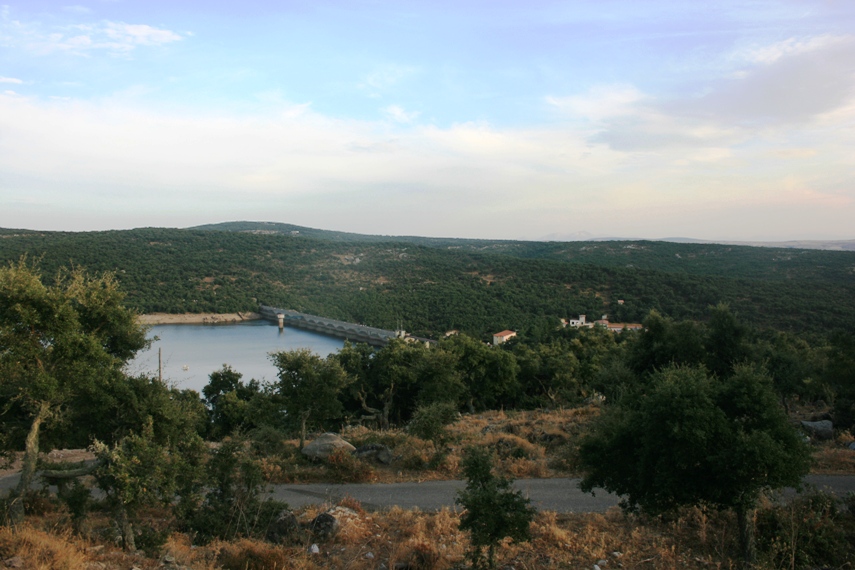
Diga di Sos Canales – Sardinia’s Hidden Water‑Works Oasis
Discover the tranquil charm of the Diga di Sos Canales dam, a lesser‑known gem tucked into the rolling hills of Budduso, Sardinia. Whether you’re a road‑trip enthusiast, a nature photographer, or a traveler hunting off‑the‑beaten‑path sites, this Sardinian dam offers a peaceful escape and a perfect base for exploring nearby waterfalls, springs, and rustic villages.
1. Introduction
Imagine a place where the gentle hum of water meets the rugged beauty of Sardinia’s interior. The Diga di Sos Canales (Sos Canales Dam) sits quietly at the coordinates 40.553534 N, 9.313793 E, perched in the modest town of Budduso. While the island is famed for its sun‑kissed beaches, dramatic cliffs, and ancient nuraghi, this inland dam provides a refreshing contrast—a serene lakeside setting framed by pine‑covered hills and the distant silhouette of the Gennargentu mountains.
For travelers craving authentic Sardinian experiences away from the crowded Costa Smeralda, the Diga di Sos Canales is an ideal stop. It offers photo‑worthy vistas, opportunities for gentle walks, and easy access to a cluster of natural attractions that showcase the island’s rich water heritage.
2. About Diga di Sos Canales
A Brief History
The Diga di Sos Canales is a functional dam built to regulate the flow of the nearby Tirso River tributaries and to support local agricultural irrigation. While official records do not disclose its exact height or reservoir capacity, the structure plays a vital role in sustaining the surrounding farmland and preserving the delicate ecosystems of the region.
Constructed in the latter half of the 20th century, the dam reflects Sardinia’s broader push toward modern water management while respecting the island’s rugged landscape. Its concrete spillways blend seamlessly with the natural stone outcrops, allowing visitors to appreciate both engineering and environment in harmony.
Why It Matters
- Water Management: The dam helps balance water supply for the agricultural plains of Budduso, ensuring that olive groves, vineyards, and pastures receive enough irrigation during dry summer months.
- Ecological Buffer: By controlling river flow, the dam mitigates flood risks downstream and creates a stable habitat for fish, amphibians, and migratory birds.
- Cultural Landscape: The reservoir has become a quiet gathering spot for locals, who often picnick, fish, or simply enjoy the cool breezes that sweep across the water’s surface.
Even though the Diga di Sos Canales isn’t a towering monument, its understated presence adds a layer of depth to Sardinia’s interior tourism narrative—one that values sustainability, community, and natural beauty.
3. How to Get There
By Air
- Cagliari Elmas Airport (CAG) – The main international gateway to Sardinia, located about 80 km (≈ 1 hour drive) south of Budduso.
- Alghero‑Fertilia Airport (AHO) – A smaller regional airport roughly 120 km north‑west, ideal if you’re already touring the north‑west coast.
By Car
Renting a car is the most flexible way to reach the dam. From Cagliari:
- Head north on SS131 (the island’s primary highway).
- Take the exit for SS131‑SS131b toward Oristano/Budduso.
- Follow the signs for Budduso, then look for local road SP 13 that leads directly to the dam area.
The drive is scenic, winding through olive groves, limestone hills, and small villages where you can stop for a quick espresso.
By Public Transport
- Bus: The regional bus line ARST offers services from Cagliari and Oristano to Budduso. Check the latest timetables on the ARST website, as frequencies are limited (usually 2‑3 trips per day).
- Taxi/Shuttle: Once in Budduso, a short taxi ride (≈ 5 minutes) will drop you at the dam’s parking area.
Parking & Accessibility
A modest, free parking lot sits just a few meters from the reservoir’s edge. The site is wheelchair‑friendly, with a flat, gravel‑covered path that circles the water, allowing easy access for all visitors.
4. Best Time to Visit
| Season | Weather | Why Visit |
|---|---|---|
| Spring (March‑May) | Mild temperatures (15‑22 °C), blooming wildflowers | Ideal for photography; water levels are still high from winter rains. |
| Summer (June‑August) | Warm to hot (25‑33 °C), occasional thunderstorms | Early mornings are pleasant; perfect for a cool dip or a shaded picnic. |
| Autumn (September‑November) | Comfortable (18‑26 °C), golden foliage | Harvest festivals in nearby villages; fewer tourists. |
| Winter (December‑February) | Cool, occasional rain (10‑16 °C) | Tranquil atmosphere; great for bird‑watching and reflective landscape shots. |
Tip: The dam’s reservoir reaches its fullest in late spring, creating striking reflections of the surrounding hills—an excellent time for landscape photography. However, if you prefer a quieter experience, aim for late autumn when the crowds thin out.
5. What to Expect
Scenic Walks
A short, well‑marked trail loops around the reservoir, offering panoramic viewpoints at every turn. You’ll encounter:
- Stone benches carved into the hillside, perfect for a coffee break.
- Interpretive panels (in Italian) that explain the dam’s role in local water management.
The path is relatively flat, making it suitable for families, seniors, and casual walkers.
Wildlife & Birdwatching
The calm waters attract kingfishers, mallards, and occasionally European otters. Bring binoculars for a chance to spot raptors soaring above the hills during the early morning.
Picnic & Relaxation
A shaded picnic area equipped with tables and trash bins sits near the dam’s western shore. Pack a panino with local pecorino cheese, a bottle of Cannonau wine, and enjoy the gentle lake breeze.
Photography Opportunities
- Golden hour reflections: The water mirrors the sky and surrounding pine forests, creating a painterly effect.
- Night sky: With minimal light pollution, the dam area is an excellent spot for astrophotography—especially during a new moon.
Limited Facilities
There are no on‑site cafés or souvenir shops, so plan to bring water, snacks, and any personal items you might need. Restrooms are available at the nearby municipal parking lot in Budduso (a short 5‑minute walk).
6. Nearby Attractions
The Diga di Sos Canales serves as a convenient hub for exploring a cluster of natural wonders within a 10 km radius. All distances are approximate straight‑line measurements from the dam.
| Attraction | Type | Distance | Why Go? |
|---|---|---|---|
| Sorgente del Tirso | Spring | 4.5 km | The source of the Tirso River, Sardinia’s longest river, offers crystal‑clear water and a peaceful forest setting. |
| Sas Lapias | Waterfall | 5.3 km | A cascading waterfall hidden in a limestone gorge; perfect for a short hike and a cooling splash. |
| [Unnamed Waterfall] | Waterfall | 5.4 km | A lesser‑known cascade that locals refer to as “Cascata di Bosco.” Ideal for quiet contemplation. |
| [Unnamed Dam] | Dam | 6.5 km | Another small hydro‑structure that illustrates Sardinia’s network of water management projects. |
| s'abba e s'alinu | Waterfall | 8.6 km | A twin‑fall system surrounded by aromatic rosemary and thyme; great for photo‑ops and a short picnic. |
All attractions are reachable by car or local hiking trails. For detailed directions, use the coordinates provided or ask locals in Budduso—they’re always happy to point you toward hidden spots.
7. Travel Tips
- Bring Cash – Small villages and roadside stalls often accept only cash (euros).
- Dress in Layers – Even in summer, mornings by the water can be cool; a light jacket is advisable.
- Stay Hydrated – Sardinian summer heat can be intense; carry a reusable water bottle.
- Respect the Environment – The area is a protected water catchment; avoid littering and stay on marked paths.
- Check Road Conditions – In winter, occasional fog or rain can make rural roads slippery.
- Local Cuisine – While near the dam there are no restaurants, the nearby town of Budduso offers “culurgiones” (Sardinian stuffed pasta) and fresh “porceddu” (roast suckling pig).
- Timing for Waterfalls – After a rainstorm, the nearby waterfalls (Sas Lapias, s'abba e s'alinu) are at their most spectacular. Check local weather forecasts before heading out.
- Photography Gear – A wide‑angle lens captures the expansive lake view; a polarizing filter reduces glare on the water surface.
Conclusion
The Diga di Sos Canales may not dominate travel guide headlines, but its quiet allure offers a genuine slice of Sardinian life that many visitors miss. From reflective waters and easy lakeside walks to a gateway for exploring hidden springs and waterfalls, this modest dam invites you to slow down, breathe in the pine‑scented air, and discover the softer side of Sardinia’s interior.
Add the dam to your itinerary, pair it with a road trip through Budduso’s charming villages, and you’ll uncover a side of the island that feels both timeless and refreshingly untouched. Happy travels! 🌿🚗📸