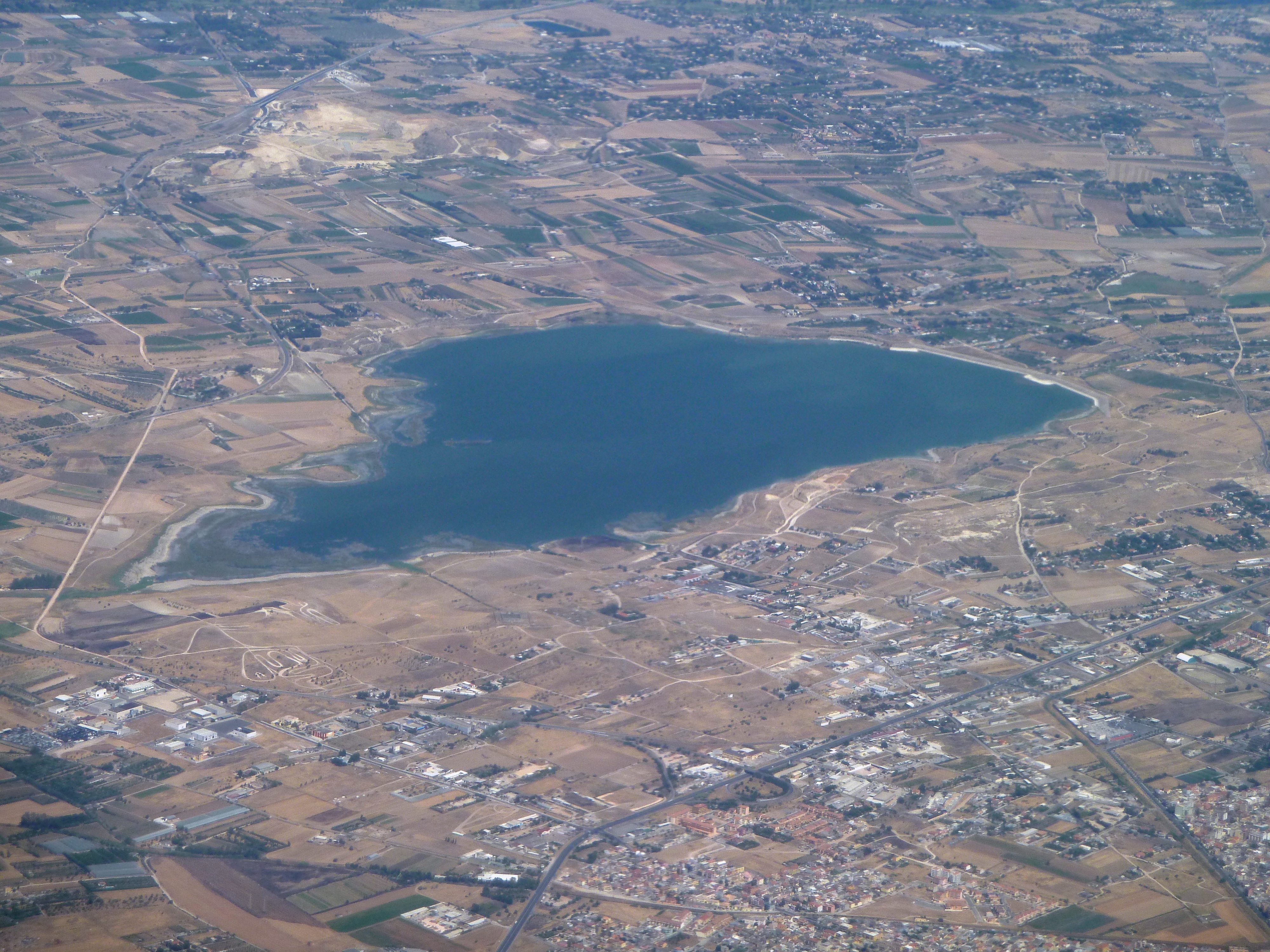
Discover Diga di Simbirizzi – Sardinia’s Hidden Engineering Gem
If you think Sardinia is only about turquoise beaches and ancient nuraghi, think again. Tucked in the rolling hills of Quartucciu, the Diga di Simbirizzi offers a surprising blend of modern engineering, tranquil nature, and off‑the‑beaten‑path charm. Whether you’re a road‑trip enthusiast, a photography lover, or simply curious about Italy’s lesser‑known landmarks, this dam is a must‑see stop on your Sardinian itinerary.
1. Introduction
Imagine standing on a sturdy concrete wall, the gentle hum of water flowing behind you, while the Cagliari countryside stretches out in a patchwork of olive groves and Mediterranean scrub. That’s the feeling you get at Diga di Simbirizzi, a modest yet striking dam located just a few kilometres from the bustling city of Cagliari. It’s the perfect spot to pause, snap a few photos, and soak up a slice of Sardinian life that most tourists miss.
In this guide, we’ll dive into the dam’s history, show you how to get there, tell you the best season to visit, and highlight nearby attractions—so you can plan a smooth, unforgettable day in Quartucciu and its surroundings.
2. About Diga di Simbirizzi
A Brief Description
- Name: Diga di Simbirizzi
- Type: Dam (🏗️)
- Location: Quartucciu, Sardinia, Italy
- Coordinates: 39.254938 N, 9.208490 E
The dam sits on a small watercourse that feeds the Simbirizzi Reservoir, a reservoir primarily used for local water management and irrigation. While the exact height and altitude of the structure remain undocumented, its presence is unmistakable: a sleek concrete barrier that blends into the gentle hills, framed by native vegetation and occasional grazing goats.
Historical Context
Built in the mid‑20th century as part of Sardinia’s post‑war infrastructure push, Diga di Simbirizzi played a crucial role in stabilising water supplies for the agricultural lands surrounding Cagliari. The project reflected the broader Italian effort to modernise rural regions, ensuring that even the island’s more remote communities could thrive.
Over the decades, the dam has transitioned from a purely utilitarian facility to a quiet point of interest for locals and adventurous travelers alike. Its modest scale makes it approachable—no towering gates or industrial noise—just a calm water body that mirrors the sky and surrounding landscape.
Why It Matters
- Cultural Significance: The dam is a reminder of Sardinia’s resilience and adaptability, showcasing how modern engineering can coexist with traditional land use.
- Environmental Role: By regulating water flow, it supports local agriculture and helps maintain the delicate ecosystems of the surrounding hills.
- Photographic Appeal: The clean lines of the concrete against the soft, sun‑kissed terrain create striking compositions, especially at sunrise or golden hour.
For a deeper dive, you can check the Italian Wikipedia entry: Diga di Simbirizzi (it.wikipedia.org).
3. How to Get There
By Car
The most convenient way to reach the dam is by car or scooter. From Cagliari’s city centre, follow these steps:
- Head east on SS131 toward Quartucciu.
- Take the Uscita “Quartucciu” (exit 9).
- Continue on Via della Stazione and then turn right onto Via Simbirizzi.
- Follow the road signs for “Diga di Simbirizzi”—the dam is clearly marked and there’s a small parking area near the viewpoint.
The drive takes roughly 20–25 minutes, covering about 15 km of scenic Sardinian countryside.
By Public Transport
- Bus: The ARST bus line 30 runs from Cagliari to Quartucciu. Get off at the “Quartucciu Centro” stop and then either walk (≈1 km uphill) or take a short local taxi ride to the dam.
- Train: The nearest train station is Quartucciu on the Cagliari‑Sassari line. From the station, you’ll need a taxi or a bike rental to cover the final 3 km.
By Bike or Hiking
If you love active travel, the area offers gentle cycling routes and marked hiking trails. The Ciclabile del Campidano bike path runs close to the dam, providing a pleasant, low‑traffic ride with plenty of opportunities to stop for photos.
4. Best Time to Visit
| Season | Weather | Why Visit |
|---|---|---|
| Spring (March‑May) | Mild temperatures (15‑22 °C), blooming wildflowers | Ideal for photography; water levels are high after winter rains. |
| Summer (June‑August) | Warm to hot (25‑33 °C), occasional heatwaves | Early mornings are pleasant; later in the day the dam offers a cool shade spot. |
| Autumn (September‑November) | Comfortable (18‑26 °C), golden light | Perfect for sunset shots; fewer tourists. |
| Winter (December‑February) | Cooler (10‑15 °C), occasional rain | Quietest period; the reservoir may be lower, revealing more of the dam’s structure. |
Recommendation: Aim for late spring (April‑May) or early autumn (September). The light is soft, the landscape is vibrant, and you’ll avoid the peak tourist crowds that flock to Cagliari’s beaches.
5. What to Expect
When you arrive, you’ll find a modest parking lot followed by a short, well‑maintained path leading to a viewing platform. From there:
- Panoramic Views: Look out over the tranquil reservoir, framed by low hills and dotted with olive trees. On clear days, you can see the distant silhouette of Monte Arcuentu.
- Quiet Atmosphere: Unlike bustling tourist sites, the dam is a peaceful spot where locals sometimes gather for a quick walk or a family picnic.
- Birdwatching: The water attracts various bird species, especially during migration periods. Keep an eye out for mallards, herons, and occasionally small raptors.
- Photography Opportunities: The concrete dam wall offers geometric contrast, while the water reflects the sky’s ever‑changing colors. Sunrise and sunset are especially magical, casting a warm glow over the entire scene.
There are no formal visitor facilities (cafés, restrooms) on site, so it’s wise to bring water, snacks, and a hat for sun protection.
6. Nearby Attractions
While Diga di Simbirizzi is the star of the day, the surrounding area boasts several charming spots—most of them modest fountains that serve as historic gathering points for locals. They’re perfect for a quick stop, a photo, or a moment of contemplation.
| Attraction | Distance from Dam | Highlights |
|---|---|---|
| Fountain A | 2.4 km | A stone‑built water source dating back to the early 1900s; surrounded by native rosemary. |
| Fountain B | 2.5 km | Set in a small piazza, often used for local festivals; great for people‑watching. |
| Fountain C | 2.5 km | Features a decorative ceramic basin; a quiet spot for a short rest. |
| Fountain D | 2.5 km | Near a traditional Sardinian bakery; perfect for a quick espresso. |
| Fountain E | 2.6 km | Overlooks a modest vineyard; ideal for a scenic selfie. |
(All fountains are within a short drive or bike ride from the dam; you can easily combine them into a leisurely loop.)
If you have extra time, consider visiting Quartucciu’s historic centre, just 5 km away, where you’ll find the Church of San Giovanni Battista and a handful of artisan shops selling local ceramics and textiles.
7. Travel Tips
- Arrive Early: Parking fills up quickly during weekend mornings, especially in summer. Getting there before 9 am guarantees a spot and the best light for photos.
- Dress for the Weather: Even in summer, the shade can be limited. Wear breathable clothing, a wide‑brimmed hat, and sunscreen.
- Bring a Picnic: There are no cafés on site. Pack a light lunch or some local snacks (like pane carasau and pecorino sardo) to enjoy by the water.
- Respect the Environment: The dam and surrounding reservoir are functional infrastructure. Stick to marked paths, avoid littering, and do not attempt to swim or cross the water barrier.
- Use a Map App: While the road signs are clear, a GPS app (Google Maps or Waze) will help you navigate the small rural lanes, especially if you decide to explore the nearby fountains on foot or bike.
- Check Water Levels: After a dry summer, the reservoir may be lower, exposing more of the dam’s concrete wall—great for close‑up shots. Conversely, after heavy rain, the water may be higher, creating reflective surfaces.
- Combine with Cagliari: Since the dam is only a short drive from Cagliari, you can easily spend a morning at the dam, then head to the city for lunch at a seaside restaurant or a stroll through the historic Castello district.
Wrap‑Up
Diga di Simbirizzi may not have the fame of Sardinia’s iconic beaches, but it offers a genuine slice of island life that combines engineering, nature, and quiet charm. Whether you’re ticking off a list of “unique Italian dams” or simply looking for a peaceful spot away from the tourist crowds, this hidden gem delivers. Pack your camera, hop in the car, and discover why this modest dam deserves a place on your Sardinian travel map.
Happy travels, and may your Sardinian adventures be as refreshing as the waters of Simbirizzi!