Diga di Santa Lucia – Sardinia’s Hidden Water‑Works Wonder
If you think Sardinia is only about sun‑kissed beaches and ancient nuraghi, think again. Tucked in the gentle hills of Girasole, the Diga di Santa Lucia (Santa Lucia Dam) offers a surprising blend of engineering elegance, tranquil scenery, and off‑the‑beaten‑path charm. Whether you’re a road‑trip enthusiast, a photography lover, or simply craving a peaceful spot away from the crowds, this modest 34.5‑metre dam is a must‑see on any Sardinian itinerary.
About Diga di Santa Lucia
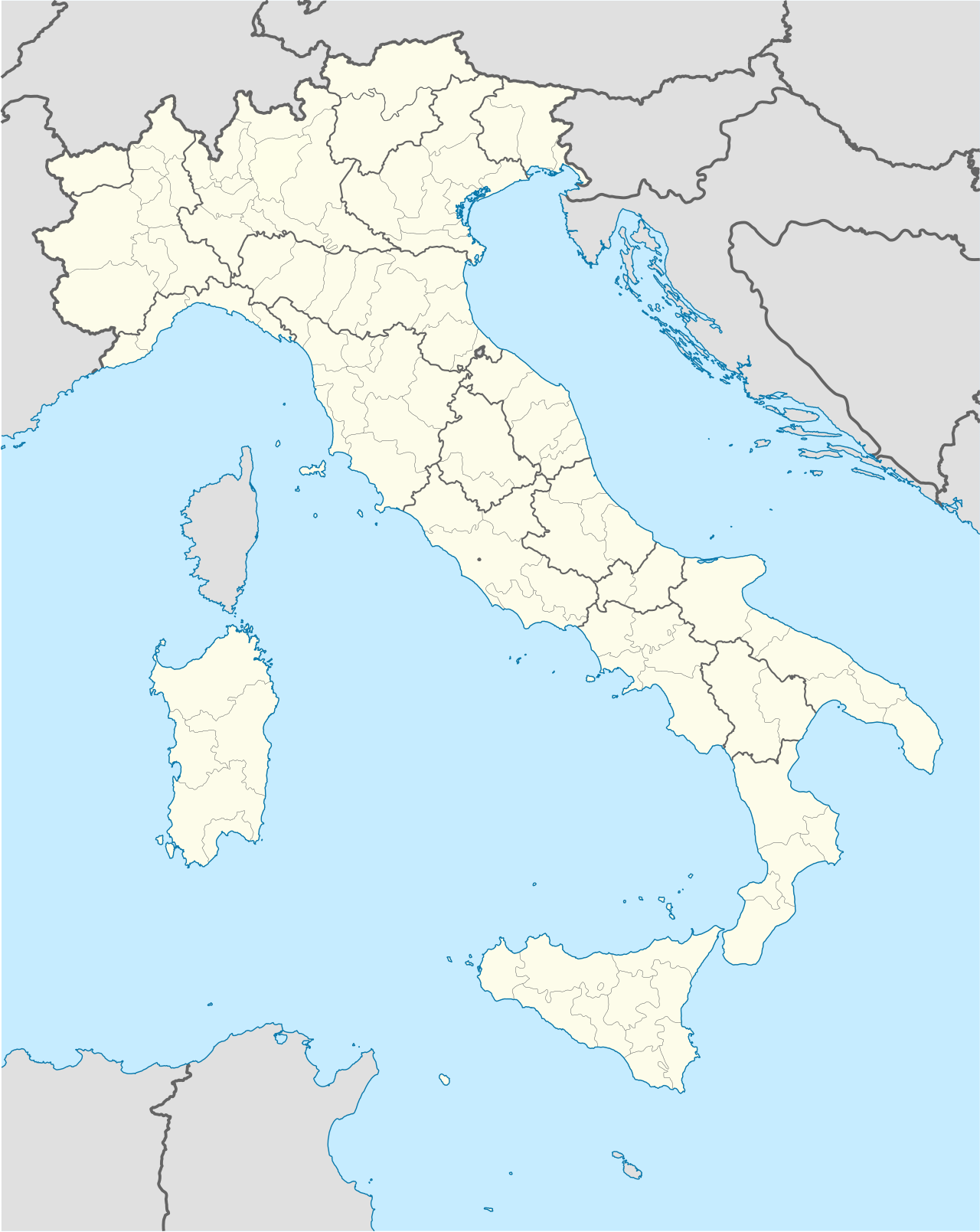
Located at 39.963103 N, 9.603669 E in the municipality of Girasole, the Diga di Santa Lucia is a concrete gravity dam that was built to regulate water flow for agricultural irrigation and local water supply. Though it doesn’t tower like the massive dams of the mainland, its 34.5 m height makes it a striking landmark against the rolling Sardinian landscape.
The dam’s construction dates back to the mid‑20th century, a period when Sardinia was modernising its rural infrastructure. While detailed historical records are limited, the structure reflects the pragmatic engineering style of its era—solid, functional, and designed to blend with the surrounding countryside. Today, the dam remains an essential part of the local water management system and a quiet gathering place for residents and visitors alike.
Beyond its utilitarian role, Diga di Santa Lucia has quietly become a photographer’s favorite. The calm reservoir mirrors the sky at sunrise, while the surrounding olive groves and Mediterranean scrub provide a rustic backdrop that changes with the seasons. Its location in Girasole also places it within easy reach of several lesser‑known natural attractions, making it a perfect base for exploring the heart of Sardinia’s interior.
For a quick factual overview, you can check the Italian Wikipedia entry: Diga di Santa Lucia.
How to Get There
By Car
The most straightforward way to reach Diga di Santa Lucia is by car. From Cagliari Elmas Airport (the island’s main international gateway), follow the SS131 northward toward the town of Girasole. After passing the town centre, look for local signage directing you to the dam and the nearby reservoir. The drive is scenic, with stretches of typical Sardinian countryside—olive trees, vineyards, and occasional limestone outcrops.
By Public Transport
If you prefer not to drive, regional trains run regularly between Cagliari and Girasole. Disembark at the Girasole railway station, then take a short taxi ride (or a local bus, if available) to the dam site. The journey is only a few kilometres, so you’ll be there in minutes.
Parking & Accessibility
A small, free parking area sits close to the dam’s viewpoint. The site is flat and wheelchair‑friendly, though the surrounding paths can be uneven in places—wear sturdy shoes if you plan to explore the edges of the reservoir.
Best Time to Visit
Sardinia enjoys a Mediterranean climate, so the dam can be visited year‑round. However, certain seasons enhance the experience:
| Season | What to Expect | Why It’s Ideal |
|---|---|---|
| Spring (March‑May) | Lush greenery, blooming wildflowers, and moderate temperatures (15‑22 °C). | The reservoir reflects vibrant colors, and the nearby fountains and waterfalls are at their fullest. |
| Early Summer (June) | Long daylight hours, warm but not scorching weather (22‑27 °C). | Perfect for sunrise photography and a leisurely picnic by the water. |
| Autumn (September‑October) | Golden light, cooler evenings (18‑24 °C). | The surrounding hills turn amber, and the water level remains high after summer rains. |
| Winter (November‑February) | Quiet, misty mornings, occasional rain. | Ideal for contemplative walks and avoiding any crowds—just bring a warm jacket. |
Avoid the peak heat of late July and August if you’re sensitive to high temperatures, as the exposed concrete can become quite warm.
What to Expect
Arriving at Diga di Santa Lucia, you’ll first notice the stillness. The reservoir’s surface often lies glass‑smooth, reflecting the sky in a way that feels almost surreal. A modest walkway runs along the dam’s edge, offering several viewpoints:
- Panoramic Lookout – A short stretch of railing provides a sweeping view of the water, the surrounding olive groves, and the distant hills of the Sarrabus region.
- Interpretive Signage – Small plaques explain the dam’s purpose, construction date, and its role in local agriculture.
- Picnic Spot – Benches and a few shaded tables invite you to enjoy a packed lunch while listening to the gentle lapping of water against the concrete.
Birdwatchers will be delighted by the occasional presence of European kingfishers, mallards, and migratory waders that stop by the reservoir during their seasonal journeys. The area is also popular with locals who jog, walk their dogs, or simply sit and chat, giving you a genuine taste of Sardinian everyday life.
If you’re a photographer, aim for the golden hour (just after sunrise or before sunset). The low sun casts a warm glow over the dam, and the water’s reflection creates striking symmetry. For a more dramatic shot, visit after a light rain when the sky is overcast—this contrast highlights the dam’s robust silhouette.
Nearby Attractions
The dam’s central location makes it an excellent hub for exploring other natural gems within a 5‑7 km radius. All distances are approximate and measured from the dam’s centre.
| Attraction | Type | Distance | Why Visit |
|---|---|---|---|
| Fountain (unnamed) | Fountain | 5.1 km | A charming stone fountain nestled in a small rural square—perfect for a quick coffee break. |
| Sa Pompa | Fountain | 5.3 km | Known for its crystal‑clear water and shaded benches, ideal for a refreshing pause. |
| Diga Sa Teula | Dam | 6.0 km | Another small dam offering a similar serene atmosphere; compare the two for a mini “dam tour.” |
| Unnamed Spring | Spring | 6.2 km | A natural spring that feeds a tiny stream—great for a short nature walk. |
| Cascata Sotzai | Waterfall | 6.4 km | A modest waterfall surrounded by native vegetation; the sound of cascading water adds a soothing soundtrack to your hike. |
Tip: All these sites are reachable by a short drive or even a leisurely bike ride. If you’re renting a bicycle in Girasole, the flat terrain makes for an easy, eco‑friendly adventure.
Travel Tips
- Bring Cash – Small rural cafés and vending machines may not accept cards. A few euros will cover a coffee, a snack, or a bottle of local water.
- Stay Hydrated – Even in spring, Sardinian sunshine can be strong. Carry a reusable water bottle—refill it at the nearby fountains.
- Respect the Environment – The dam and its surroundings are part of a working water‑management system. Stick to marked paths, avoid littering, and do not swim in the reservoir (it’s not designated for recreation).
- Timing for Photography – Arrive at least 30 minutes before sunrise or sunset to secure the best spot and set up your gear.
- Combine with Local Cuisine – After exploring, head to the town of Girasole for a traditional Sardinian lunch. Try malloreddus (Sardinian gnocchi) with a glass of Cannonau wine.
- Check Road Conditions – Rural roads can be narrow and occasionally unpaved. If you’re driving a large vehicle, allow extra time for cautious navigation.
- Seasonal Festivals – Girasole hosts a small summer fair (usually in June) that includes folk music and local crafts. Visiting during the fair adds a cultural layer to your dam tour.
Final Thoughts
The Diga di Santa Lucia may not appear on the typical Sardinia travel brochure, but that’s precisely why it’s worth the detour. It offers a quiet, reflective space where engineering meets nature, and where you can experience the authentic rhythm of rural Sardinia. Pair it with nearby fountains, a second dam, and a waterfall, and you have a compact day‑trip itinerary that satisfies both the explorer and the soul‑searcher.
So load up your camera, grab a map (or GPS), and set your compass for Girasole. The dam awaits, ready to share its calm waters and timeless views with every traveler willing to wander off the usual tourist path. Safe travels!