Diga di Punta Gennarta – Sardinia’s Hidden Water‑Works Gem
If you think Sardinia is only about sun‑kissed beaches and ancient stone villages, think again. Tucked in the rugged interior near the historic town of Iglesias lies Diga di Punta Gennarta, a modest yet captivating dam that offers a glimpse into the island’s engineering heritage and a tranquil escape for nature lovers.
1. Introduction
Sardinia is famous for its turquoise coasts, wild interior, and culinary delights, but the island’s water infrastructure tells an equally fascinating story. Among the lesser‑known landmarks, Diga di Punta Gennarta stands out as a quiet oasis where the gentle hum of the reservoir meets the rustle of Mediterranean scrub. Whether you’re a road‑trip enthusiast, a photography buff, or a traveler seeking off‑the‑beaten‑path experiences, this dam provides a perfect backdrop for a day of exploration, reflection, and local culture.
2. About Diga di Punta Gennarta
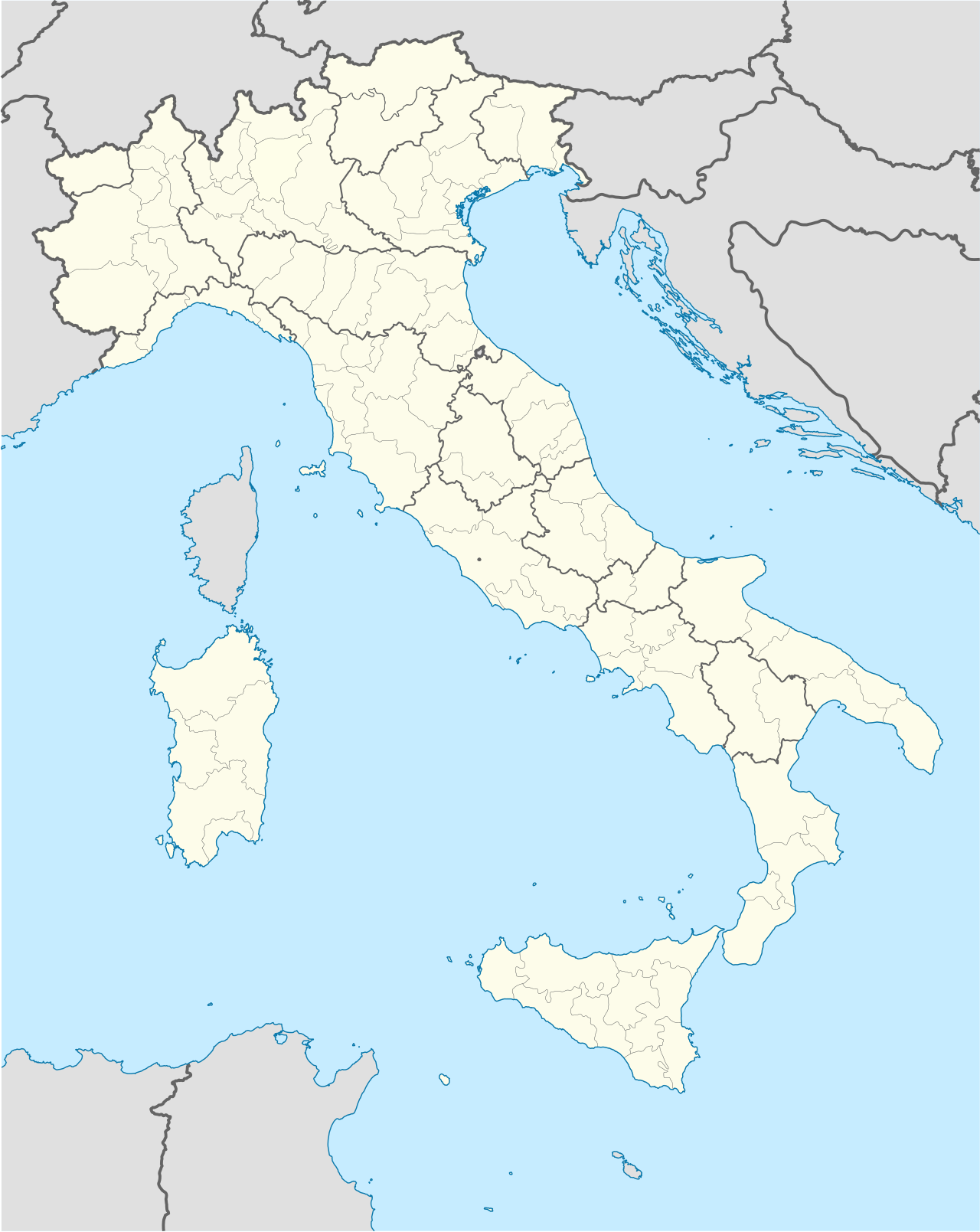
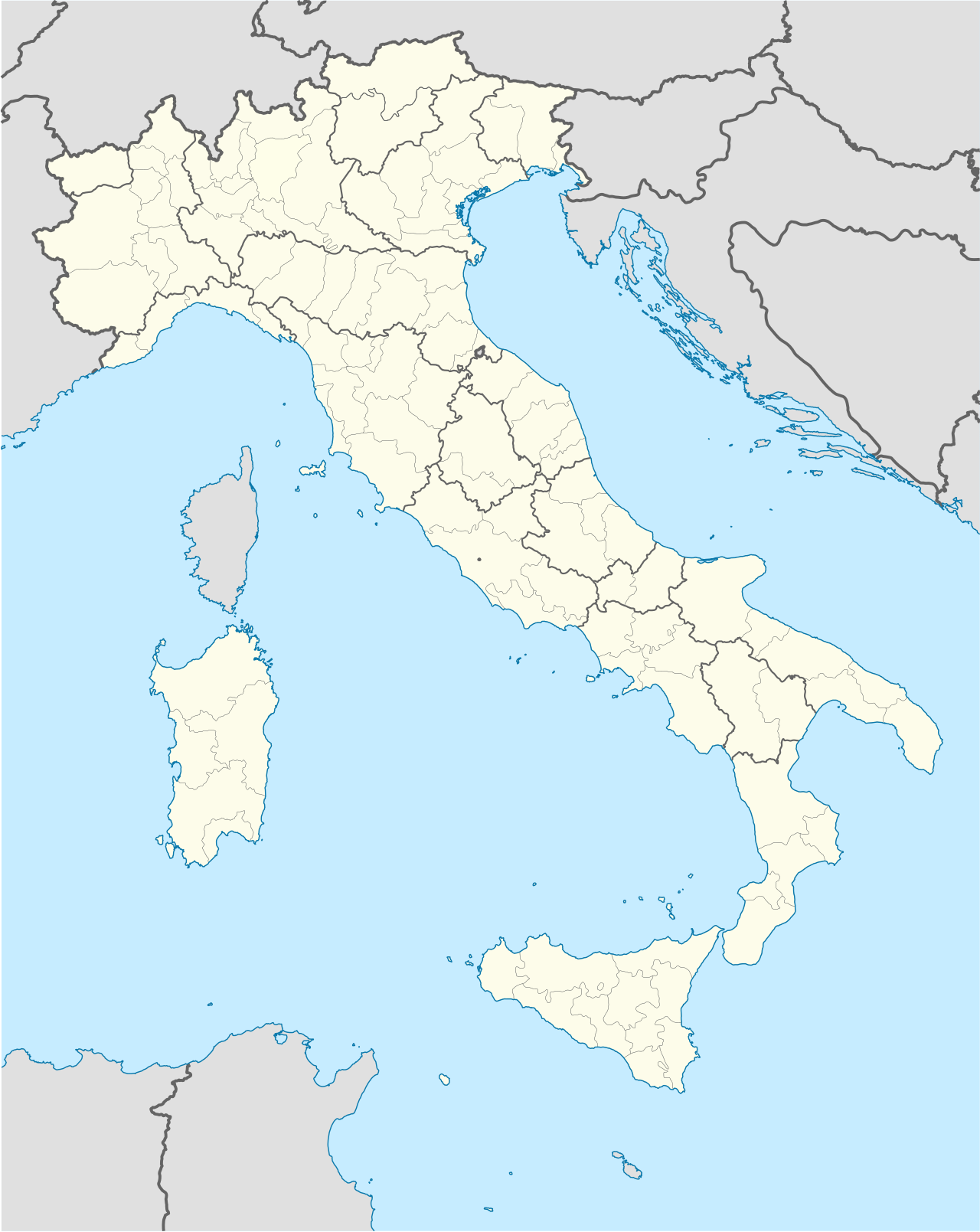
- Location: 39.333285 N, 8.547216 E, just outside the municipality of Iglesias, in the southwestern part of Sardinia.
- Type: Civil engineering dam (concrete or earth‑fill – specific construction details are not publicly disclosed).
- Purpose: Primarily serves local water management, irrigation, and flood control for the surrounding agricultural lands.
History & Significance
While the exact construction date and technical specifications of Diga di Punta Gennarta remain undocumented in public sources, the dam is part of a broader network of water‑works that were developed throughout the 20th century to support Sardinia’s mining and farming sectors. The region around Iglesias was historically a mining hub, and dams like Punta Gennarta helped regulate water supply for both industrial processes and the local communities that sprang up around them.
The reservoir created by the dam today is a quiet refuge for birds, amphibians, and occasional hikers. Its modest size makes it an ideal spot for those who prefer serenity over the crowds that flock to larger lakes or coastal beaches. Moreover, the dam’s location offers panoramic views of the Sulcis Iglesiente landscape—an area dotted with limestone hills, Mediterranean maquis, and remnants of ancient mining infrastructure.
3. How to Get There
By Air
- Cagliari Elmas Airport (CAG) is the closest international gateway, about 80 km (≈ 1‑hour drive) from the dam.
- From the airport, rent a car—this is the most flexible way to explore the interior of Sardinia.
By Car
- Head north on SS130 (the main coastal highway) toward Iglesias.
- Take the exit for SS126 toward Carbonia/Iglesias and follow the signs for Sardara.
- After passing through Sardara, look for the local road SP 48 that leads directly toward Punta Gennarta.
- The dam sits just off the main road, marked by a small parking area and a modest information sign.
Travel tip: The roads are well‑maintained, but some sections are narrow and winding. A compact or midsize vehicle is ideal for navigating the Sardinian countryside.
Public Transport
- Bus: Regional bus lines (ARST) connect Cagliari to Iglesias and then to smaller villages like Sardara. From there, you’ll need a short taxi ride or a local minibus (if available) to reach the dam.
- Train: The Cagliari‑Carbonia railway line stops at Iglesias, but the station is still a few kilometers from Punta Gennarta, so a car or taxi remains the most convenient option.
4. Best Time to Visit
| Season | Weather | Why Visit |
|---|---|---|
| Spring (March‑May) | Mild temperatures (15‑22 °C), blooming maquis | Ideal for photography; water levels are often high after winter rains. |
| Summer (June‑August) | Warm to hot (25‑33 °C), dry | Perfect for a cool dip in the reservoir, but bring sun protection. |
| Autumn (September‑November) | Pleasant (18‑26 °C), occasional rain | Fewer tourists, vibrant autumn colors, and comfortable hiking conditions. |
| Winter (December‑February) | Cool, occasional rain (10‑16 °C) | Quietest time; great for bird‑watching, though some access roads may be slick. |
Overall recommendation: Late spring (April‑May) and early autumn (September‑October) provide the best balance of comfortable weather, vibrant scenery, and moderate visitor numbers.
5. What to Expect
- Scenic Views: The reservoir mirrors the surrounding hills, creating postcard‑perfect reflections. Sunrise over the water is especially striking, with the soft golden light illuminating the dam’s concrete façade.
- Quiet Atmosphere: Unlike popular beach resorts, Punta Gennarta offers a tranquil setting—ideal for picnics, sketching, or simply unwinding with a good book.
- Wildlife Spotting: Look out for European hoopoes, goldfinches, and occasional waterfowl that frequent the shallow edges. The surrounding scrubland is home to wild boar and roe deer, often seen at dusk.
- Photographic Opportunities: Capture the contrast between the engineered dam structure and the raw, rugged landscape. Close‑up shots of the spillway, wide‑angle panoramas of the reservoir, and macro images of local flora are all possible.
- Minimal Facilities: There is a small parking lot, a basic information board, and a few benches. Bring your own water, snacks, and waste bags to keep the area pristine.
6. Nearby Attractions
While Diga di Punta Gennarta is the star of the day, the surrounding area brims with additional points of interest—all within a short drive:
| Attraction | Distance | What to See | Link |
|---|---|---|---|
| Diga di Monteponi (another dam) | 4.5 km | A larger reservoir with hiking trails and panoramic viewpoints. | Diga di Monteponi |
| Fontana Su Maimoni (historic fountain) | 2.5 km | A charming stone fountain used by locals for centuries. | — |
| Sorgente S. Benedetto (natural spring) | 3.4 km | Crystal‑clear spring water emerging from limestone, perfect for a short nature walk. | — |
| s'Acqua Frida (spring) | 4.3 km | A secluded spring surrounded by olive groves, ideal for a quiet pause. | — |
| Iglesias Historic Center | 12 km | Medieval walls, the Cattedrale di Santa Chiara, and vibrant local markets. | — |
Pro tip: Combine a visit to Punta Gennarta with a circuit of the nearby dams and springs. This creates a full‑day itinerary that showcases Sardinia’s water heritage while allowing you to explore diverse landscapes—from engineered reservoirs to pristine natural springs.
7. Travel Tips
| Tip | Details |
|---|---|
| Bring a map or GPS | Cellular coverage can be spotty in the interior; offline maps (e.g., Maps.me) are a lifesaver. |
| Dress in layers | Temperatures can shift quickly, especially in spring and autumn. |
| Pack a picnic | There are no cafés at the dam; local delicacies like pane carasau, pecorino, and Sardinian olives make for a delicious outdoor meal. |
| Respect the environment | The area is part of a protected water catchment—avoid littering and stay on marked paths. |
| Check water levels | During extreme droughts, the reservoir may be lower than usual, affecting the visual impact. |
| Timing for photos | Early morning (sunrise) and late afternoon (golden hour) provide the most flattering light. |
| Safety | The dam’s spillway can be slippery; keep children supervised and avoid standing too close to the water’s edge. |
| Local festivals | If you’re in the region during Sant’Antonio Abate (January) or the Festa di San Benedetto (June), you’ll experience traditional Sardinian celebrations nearby. |
Final Thoughts
Diga di Punta Gennarta may not headline Sardinia’s travel brochures, but it embodies the island’s quieter, more contemplative side. A short drive from the bustling streets of Iglesias, this modest dam offers stunning natural scenery, rich local history, and a peaceful retreat for any traveler willing to venture inland. Pair it with the neighboring springs, the larger Monteponi dam, and the historic towns scattered across the Sulcis Iglesiente, and you’ve discovered a slice of Sardinia that few tourists ever see—yet one that will linger in your memory long after the sea breeze fades.
Pack your camera, fuel up the car, and set your GPS for 39.333285 N, 8.547216 E. The hidden waters of Punta Gennarta await.