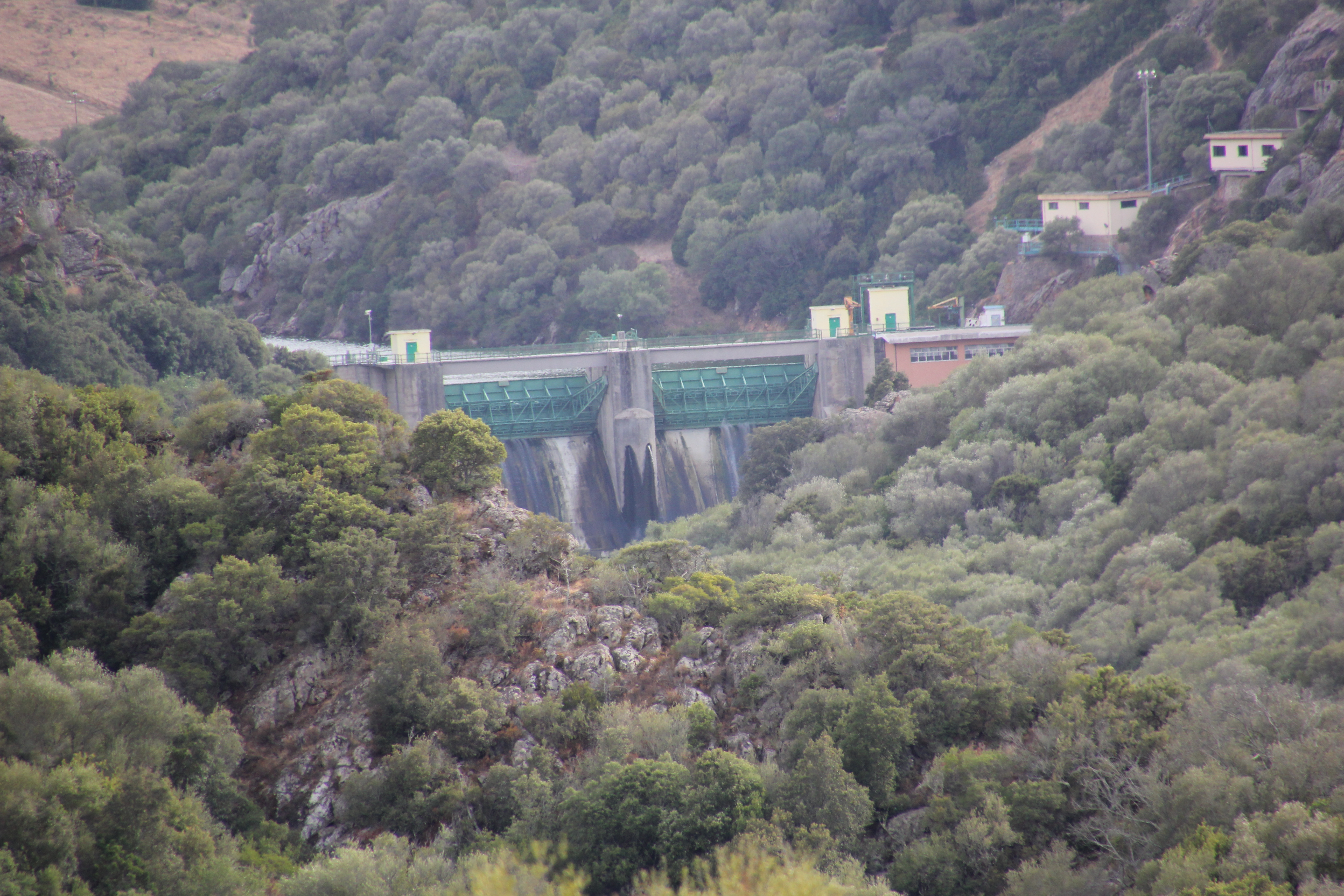
Diga di Casteldoria – Sardinia’s Hidden Engineering Gem
If you think Sardinia is only about turquoise seas and ancient nuraghi, think again. Tucked in the rolling hills of Viddalba, the Diga di Casteldoria offers a surprising blend of industrial heritage, breathtaking panoramas, and easy access to some of the island’s most enchanting waterfalls. Whether you’re a road‑trip enthusiast, a photography lover, or simply craving a quieter side of Sardinia, this modest dam deserves a spot on your itinerary.
1. Introduction
Imagine standing on a concrete balcony 35.5 metres above a tranquil reservoir, the scent of pine and wild rosemary drifting on the breeze, while the distant silhouette of the Sardinian countryside stretches to the horizon. That’s the experience at Diga di Casteldoria, a functional dam that doubles as a scenic overlook and a gateway to hidden natural treasures.
Located at latitude 40.889863 and longitude 8.895872, the dam sits just a few minutes’ drive from the charming town of Viddalba in the province of Sassari. Though it doesn’t boast the fame of the island’s beaches, the dam’s modest height and strategic position make it a perfect stop for travelers seeking authentic, off‑the‑beaten‑path moments in Sardinia.
2. About Diga di Casteldoria
A Brief Description
- Type: Concrete dam (weir)
- Height: 35.5 m
- Location: Viddalba, Sardinia, Italy
- Coordinates: 40.889863 N, 8.895872 E
The Diga di Casteldoria was constructed to regulate water flow in the surrounding low‑lying plains, supporting local agriculture and preventing seasonal flooding. While the exact year of completion isn’t widely documented, the structure reflects mid‑20th‑century engineering practices common throughout the Italian peninsula.
Historical Significance
Even though the dam is not a UNESCO heritage site, it plays a vital role in the everyday life of the Viddalba community. By providing a reliable water source, it helped transform the once‑arid fields into productive farmland, contributing to the region’s modest but steady economic growth. The dam also serves as a reminder of Sardinia’s ongoing relationship with water management—a crucial factor on an island where Mediterranean climate swings between dry summers and sudden winter rains.
Why It Matters to Travelers
- Scenic Views: The reservoir offers reflective water surfaces that mirror the surrounding hills, making sunrise and sunset photography a treat.
- Quiet Spot: Unlike crowded coastal attractions, the dam’s remote location ensures a peaceful environment for contemplation or a picnic.
- Gateway to Waterfalls: Within a 3‑kilometre radius, you’ll find two of Sardinia’s most picturesque waterfalls—Cascata Lu Tuvu and Funtana Lu Cantaru—perfect for a short hike after admiring the dam.
3. How to Get There
By Air
The nearest major airport is Olbia Costa Smeralda Airport (OLB), roughly 70 km north‑east of the dam. From Olbia, you can rent a car (highly recommended) or arrange a private transfer.
By Car
Driving is the most convenient way to reach Diga di Casteldoria:
-
From Olbia:
- Take the SS131 (Carlo Felice) heading west toward Sassari.
- Exit onto SS299 toward Viddalba.
- Follow the signs for Viddalba – Casteldoria; the dam is signposted a few kilometres after the town centre. -
From Cagliari (South):
- Follow the SS131 north, then connect to SS299 near Sassari.
The drive offers rolling landscapes, olive groves, and occasional glimpses of the Mediterranean Sea in the distance—perfect for a road‑trip playlist.
Public Transport
While Sardinia’s bus network reaches Viddalba, service frequency is limited, especially on weekends. If you rely on public transport, plan to arrive in Viddalba early and consider a short taxi ride (approximately 5 minutes) to the dam’s parking area.
Parking & Access
A modest, free parking lot sits just a few metres from the dam’s viewing platform. The site is wheelchair‑accessible, with a short, well‑maintained path leading to the edge of the reservoir.
4. Best Time to Visit
| Season | Weather | Why Visit |
|---|---|---|
| Spring (April‑June) | Mild temperatures (15‑22 °C), occasional rain | Water levels are high, waterfalls are at their fullest, and wildflowers bloom around the reservoir. |
| Summer (July‑August) | Warm to hot (25‑33 °C), dry | Ideal for early‑morning visits before the sun climbs; the reservoir reflects brilliant blue skies. |
| Autumn (September‑October) | Pleasant (18‑24 °C), occasional showers | Light crowds, golden light for photography, and the surrounding hills turn amber. |
| Winter (November‑March) | Cool (10‑15 °C), wetter | Less ideal for waterfall hikes, but the dam’s structure looks striking against a misty backdrop. |
Pro tip: Aim for sunrise or late afternoon to capture the dam bathed in soft, golden light—perfect for Instagram‑ready shots.
5. What to Expect
The Landscape
Approaching the dam, you’ll notice a gentle rise in terrain dotted with maquis shrubland—a typical Mediterranean mix of rosemary, thyme, and mastic trees. The reservoir itself is a calm, mirror‑like body of water that reflects the sky and surrounding hills, creating a sense of spaciousness despite the dam’s modest size.
The Experience
- Scenic Walks: A short loop trail circles the reservoir, offering varied viewpoints. Stop at the wooden railing for a close‑up of the concrete spillway and the engineering details.
- Photography: The contrast between the industrial concrete and the soft, natural surroundings makes for striking compositions. Use a polarizing filter to reduce glare on the water’s surface.
- Picnic Spots: Benches and grassy patches near the parking area provide ideal spots for a light lunch—don’t forget local Sardinian cheese and a bottle of Vermentino!
Soundscape
During the day, you’ll hear a gentle hum of water flowing through the spillway, interspersed with the occasional chirp of Sardinian warblers. In spring, the nearby spring (1.2 km away) adds a subtle bubbling sound to the ambiance.
6. Nearby Attractions
After soaking in the views at Diga di Casteldoria, venture a short distance to discover more of Sardinia’s natural charm:
| Attraction | Distance | Type | Quick Details |
|---|---|---|---|
| Weir (Unnamed) | 0 km | Weir | Two small weirs sit adjacent to the dam, illustrating local water‑management techniques. |
| Spring (Unnamed) | 1.2 km | Spring | A clear freshwater spring that feeds the surrounding vegetation—great for a short nature walk. |
| Cascata Lu Tuvu | 2.9 km | Waterfall | A picturesque cascade hidden in a pine‑covered ravine; perfect for a refreshing dip in summer. |
| Funtana Lu Cantaru | 3.2 km | Waterfall | Known for its tiered drops and moss‑covered rocks, this waterfall offers excellent photo opportunities. |
Links:
(If the Wikipedia pages are not yet available, a quick web search will reveal local tourism sites featuring these spots.)
7. Travel Tips
- Bring a Light Jacket: Even in summer, evenings can be breezy near the water.
- Stay Hydrated: Sardinian sun can be intense; carry water, especially if you plan to hike to the waterfalls.
- Footwear: Sturdy walking shoes are recommended for the uneven paths around the spring and waterfalls.
- Timing: Arrive early (before 9 am) during peak summer months to avoid the midday heat and secure a good parking spot.
- Respect the Environment: The area is a working dam and a natural habitat—avoid littering and stay on marked trails.
- Local Cuisine: Stop in Viddalba for culurgiones (Sardinian ravioli) or fresh seafood—the town’s trattorias serve dishes made with locally sourced ingredients.
- Photography Gear: A wide‑angle lens captures the dam’s full height, while a macro lens can highlight the texture of the concrete and surrounding flora.
- Connectivity: Mobile signal can be spotty near the dam; download offline maps (Google Maps or Maps.me) beforehand.
Final Thought
The Diga di Casteldoria may not appear on the usual tourist brochures, but it offers a unique blend of engineering intrigue, natural beauty, and authentic Sardinian life. Pair it with a short hike to nearby waterfalls, and you’ll have a compact yet unforgettable day that showcases a different side of the island—one that’s quiet, reflective, and deeply rooted in the land’s relationship with water.
Pack your camera, hit the road, and let this hidden dam become a highlight of your Sardinian adventure. Safe travels!