Discover Diga del Mogoro – Sardinia’s Hidden Dam Gem
If you think Sardinia is only about sun‑kissed beaches and ancient nuraghes, think again. Tucked in the rolling countryside of Mogoro lies a quiet, yet captivating piece of engineering – Diga del Mogoro. This modest dam offers a refreshing slice of rural Italy, perfect for travelers who crave off‑the‑beaten‑path experiences.
1. Introduction
Imagine a tranquil reservoir framed by gentle hills, the soft murmur of water against concrete, and the scent of pine drifting on the breeze. That’s Diga del Mogoro – a low‑key dam that feels more like a natural oasis than a massive infrastructure project. While it doesn’t boast the towering heights of the world’s famous dams, its charm lies in the serene landscape, the authentic Sardinian atmosphere, and the chance to explore a slice of the island that many tourists overlook.
Whether you’re a photography enthusiast hunting for reflective water scenes, a history buff curious about Italy’s mid‑20th‑century water management, or simply a traveler looking for a peaceful spot to unwind, Diga del Mogoro deserves a place on your Sardinia itinerary.
2. About Diga del Mogoro
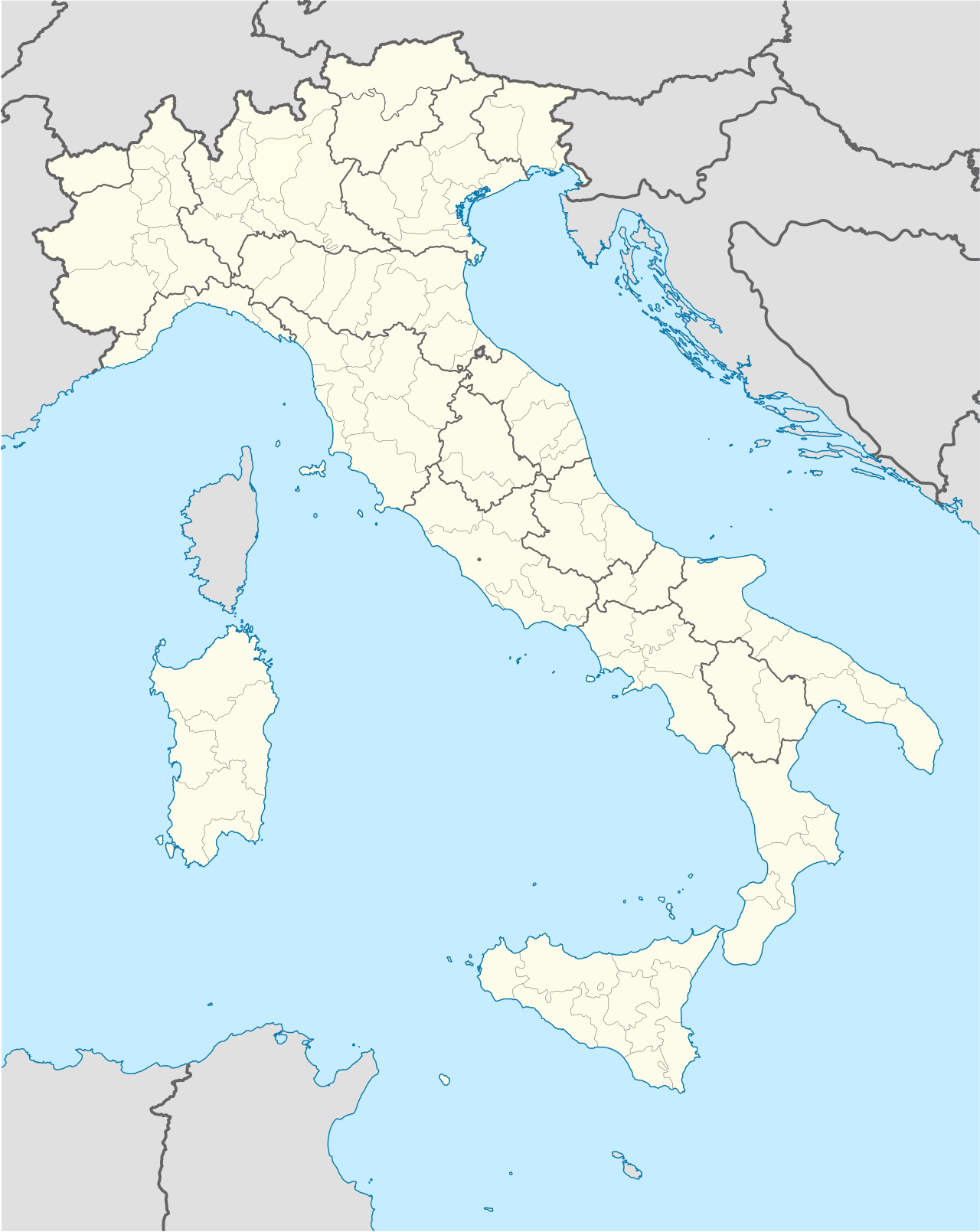
Location: Mogoro, Sardinia, Italy
Coordinates: 39.663184 N, 8.758533 E
Type: Dam (🏗️)
The dam sits near the small municipality of Mogoro, a town known for its agricultural roots and traditional festivals. While the exact height and altitude of Diga del Mogoro are not publicly documented, the structure serves an essential role in regulating local water resources for irrigation and community supply.
Historical Snapshot
Diga del Mogoro was constructed as part of Sardinia’s post‑World‑War II effort to modernize its rural water infrastructure. The project aimed to support the island’s growing agricultural sector, especially the cultivation of cereals, olives, and vineyards that dominate the Mogoro landscape. Over the decades, the reservoir created by the dam has become a focal point for the surrounding villages, providing both practical water management and a scenic backdrop for daily life.
Why It Matters
- Water Security: The dam helps stabilize water availability during Sardinia’s dry summer months, safeguarding crops and local livelihoods.
- Ecological Balance: By creating a stable water body, Diga del Mogoro supports a modest but thriving ecosystem of fish, amphibians, and migratory birds.
- Cultural Identity: The dam and its reservoir are woven into local folklore and community gatherings, often serving as a meeting point for festivals and picnics.
For a concise overview, you can visit the Italian Wikipedia page: Diga del Mogoro (Wikipedia).
3. How to Get There
By Car
The most flexible way to reach Diga del Mogoro is by rental car. From Cagliari, Sardinia’s capital (approximately 70 km south), take the SS131 north toward Oristano, then follow signs for Mogoro on the SS395. The dam is located just a few kilometers outside the town center; GPS coordinates (39.663184, 8.758533) will guide you directly to the parking area.
By Public Transport
- Train: Trenitalia operates regional trains to Mogoro Station from Cagliari, Oristano, and Sassari.
- Bus: Local ARST bus lines connect Mogoro with nearby towns such as Sassari and Oristano. Once in Mogoro, a short taxi ride or a 20‑minute walk will bring you to the dam.
By Bike or On Foot
For the adventurous, the surrounding countryside offers gentle cycling routes and walking trails. The terrain is mostly flat to mildly undulating, making it suitable for leisurely bike rides.
Tip: Parking is limited near the reservoir, so arriving early (especially in summer) ensures a spot.
4. Best Time to Visit
Sardinia enjoys a Mediterranean climate, but the micro‑climate around Diga del Mogoro can vary. Here’s a seasonal guide:
| Season | Weather | Why Visit? |
|---|---|---|
| Spring (March‑May) | Mild temperatures (15‑22 °C), blooming wildflowers | Ideal for photography, bird‑watching, and comfortable hikes. |
| Summer (June‑August) | Warm to hot (25‑35 °C), occasional heatwaves | Perfect for picnics by the water; bring sun protection and stay hydrated. |
| Autumn (September‑November) | Pleasant (18‑26 °C), fewer tourists | Great for relaxed walks and enjoying the golden light on the reservoir. |
| Winter (December‑February) | Cool (8‑14 °C), occasional rain | Quietest period; suitable for contemplative visits, though some facilities may have limited hours. |
Overall recommendation: Late spring (April‑May) and early autumn (September) provide the best balance of comfortable weather, vibrant scenery, and manageable crowds.
5. What to Expect
Scenic Views
The reservoir’s surface mirrors the surrounding hills, creating a picture‑perfect canvas for sunrise and sunset shots. The water’s calmness is occasionally broken by local fishermen casting lines, adding a touch of everyday life to your images.
Quiet Recreation
While Diga del Mogoro isn’t a commercial water park, you’ll find locals and visitors alike enjoying simple pleasures:
- Picnicking on grassy banks with a spread of Sardinian cheese, cured meats, and fresh bread.
- Bird‑watching – keep an eye out for swallows, starlings, and occasional migratory species.
- Light walking along informal paths that circle the reservoir, offering varied perspectives of the dam structure.
Limited Amenities
There are no cafés or souvenir shops directly at the dam. However, the nearby town of Mogoro (about 2 km away) offers modest eateries serving traditional dishes such as malloreddus (Sardinian gnocchi) and porceddu (roast suckling pig).
6. Nearby Attractions
While Diga del Mogoro is the star of the day, the surrounding area provides several charming points of interest within a short drive:
- [Unnamed Dam] – 2.4 km away. Another small water retention structure that offers a different perspective on Sardinia’s irrigation network.
- [Fountain 1] – 2.5 km away. A historic stone fountain that locals use for fresh drinking water.
- [Fountain 2] – 2.6 km away. Set amidst olive groves, this fountain is a peaceful spot for a short rest.
- [Fountain 3] – 2.8 km away. Known for its rustic stonework, it’s a favorite photo backdrop for Instagrammers.
- Acqua termale (thermal spring) – 6.1 km away. A natural hot spring where you can soak in mineral‑rich waters, perfect for a relaxing afternoon after exploring the dam.
Note: While specific URLs for these attractions are not available, a quick search for “Mogoro fountain” or “Sardinia thermal spring near Mogoro” will guide you to local maps and visitor reviews.
7. Travel Tips
| Tip | Details |
|---|---|
| Bring a Picnic | Since there are no on‑site food services, pack a lunch with local specialties (e.g., pecorino cheese, pane carasau). |
| Stay Hydrated | Even in spring, the sun can be strong. Carry water, especially if you plan to walk the surrounding trails. |
| Footwear | Comfortable walking shoes or light hiking boots are advisable; the terrain can be uneven near the water’s edge. |
| Photography Gear | A wide‑angle lens captures the expansive reservoir, while a telephoto lens helps isolate wildlife. |
| Respect the Environment | The dam supplies water for local agriculture; avoid littering and follow any posted signage. |
| Check Opening Hours | While the dam area is generally open, nearby facilities (e.g., the thermal spring) may have seasonal schedules. |
| Local Events | Mogoro hosts an annual Festa di San Giovanni in June; visiting during this festival adds a cultural layer to your trip. |
| Currency | Italy uses the Euro (€). Small cash amounts are useful for rural shops that may not accept cards. |
| Language | Italian is the primary language; a few Sardinian phrases (e.g., “Bona die” – good day) are appreciated by locals. |
| Safety | The water is generally shallow near the banks, but always supervise children and avoid swimming in areas without signage. |
Final Thought
Diga del Mogoro may not headline travel brochures, but that’s precisely why it feels like a secret waiting to be discovered. Its gentle waters, surrounding countryside, and authentic Sardinian vibe offer a refreshing counterpoint to the island’s bustling coastal hotspots. Add this hidden dam to your Sardinia itinerary, and you’ll return home with a deeper appreciation for the island’s diverse landscapes—and perhaps a few stunning photos to prove it.
Happy travels, and enjoy the quiet beauty of Diga del Mogoro!