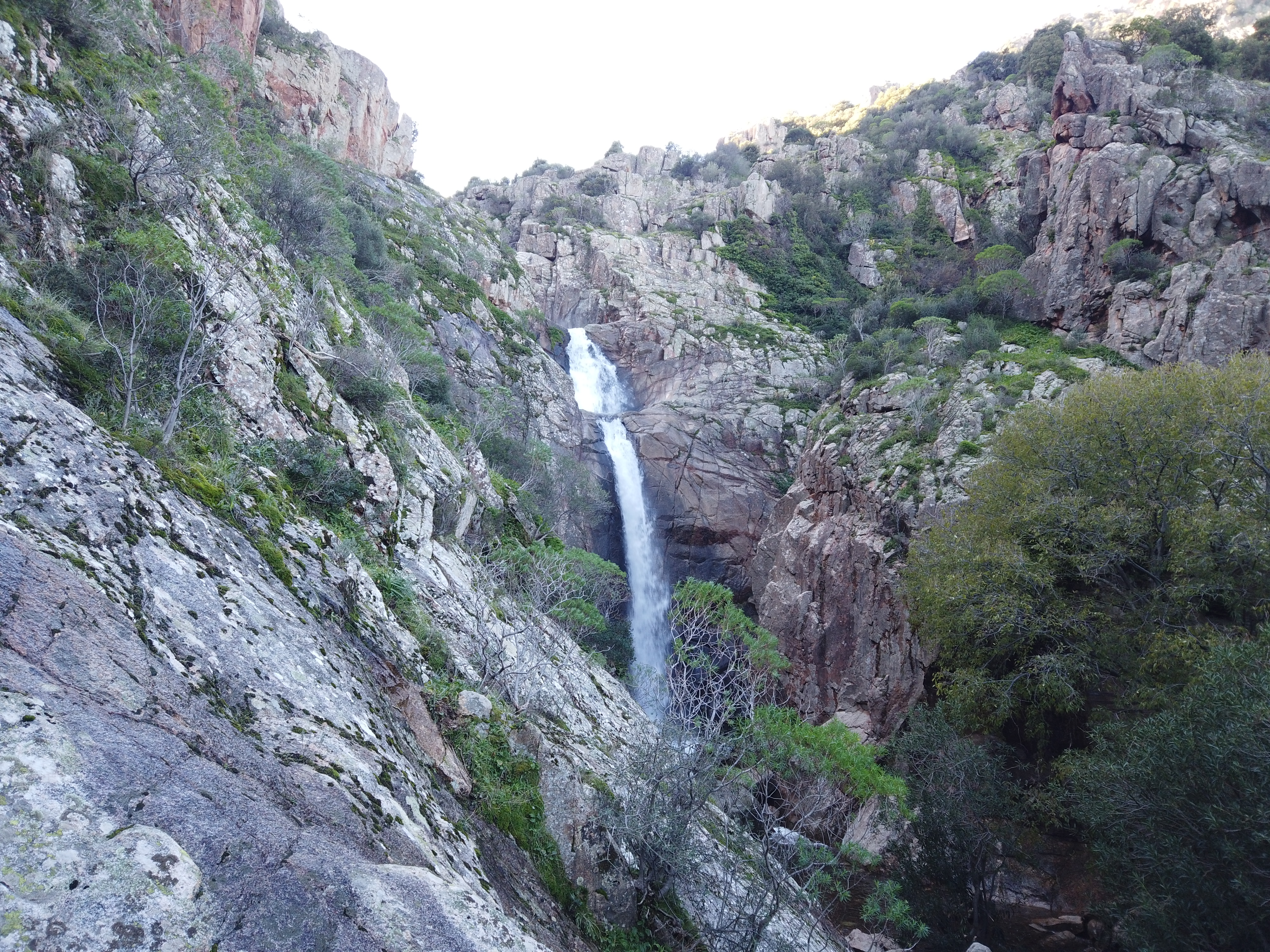
Discover Diga del Leni – Sardinia’s Hidden Water Wonder
If you think Sardinia is only about turquoise beaches and ancient nuraghes, think again. Tucked in the rolling hills of Villaggio Leni, the Diga del Leni offers a tranquil escape for nature lovers, photographers, and anyone craving an off‑the‑beaten‑path experience.
1. Introduction
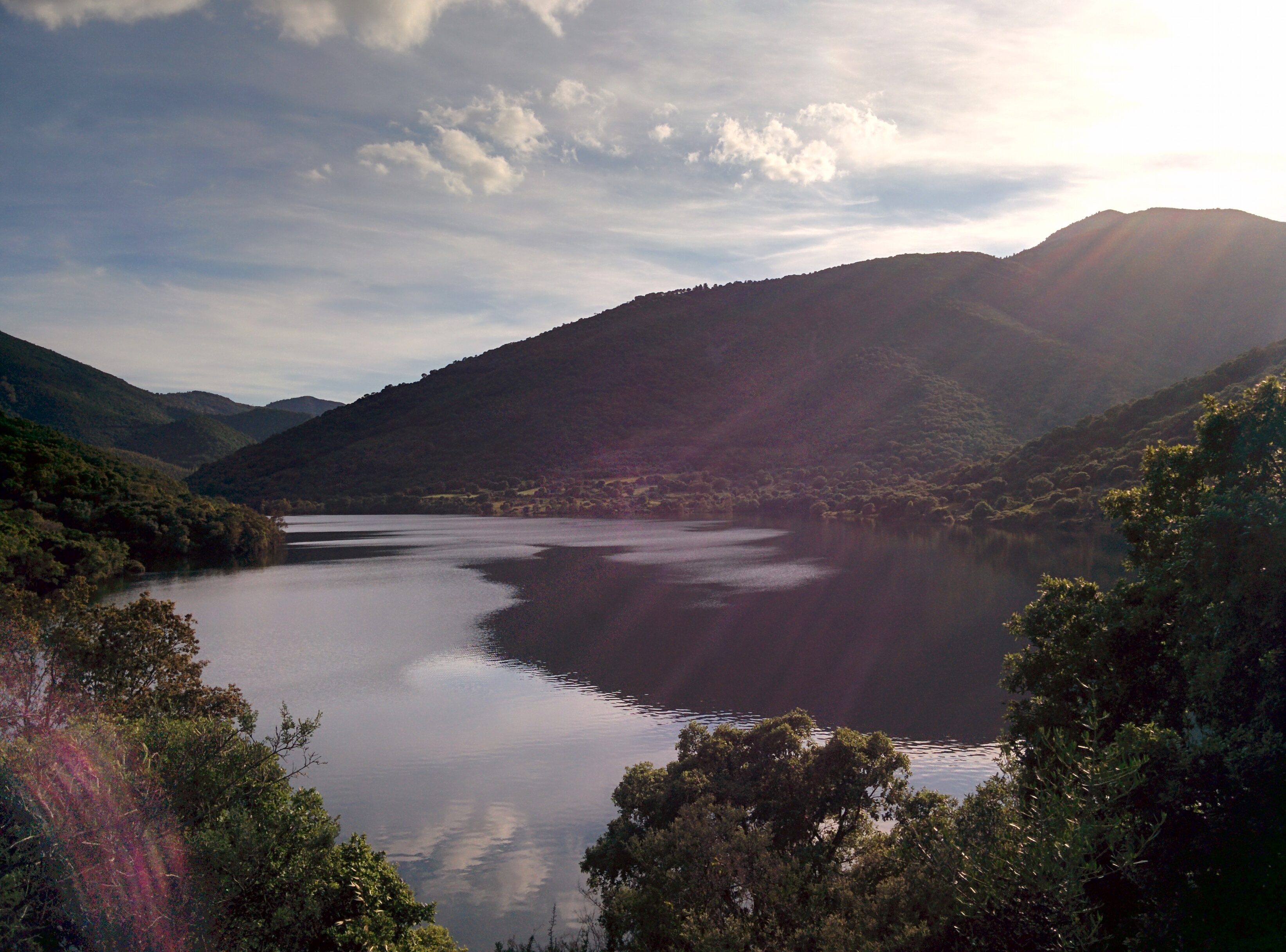
Imagine a quiet reservoir reflecting the soft Sardinian sky, surrounded by pine‑covered ridges and the gentle hum of water flowing through a historic dam. That’s Diga del Leni—a modest yet captivating dam in Villacidro, Sardinia (coordinates 39.418606, 8.717008). While it doesn’t boast the height of Italy’s massive hydro‑structures, its serene setting makes it a perfect spot for a day trip, a sunrise meditation, or a photography session that captures the island’s lesser‑known natural side.
In this guide, we’ll explore the dam’s story, how to reach it, the best seasons to visit, what you’ll see on site, and the nearby gems that can round out a memorable Sardinian adventure.
2. About Diga del Leni
A Brief History
The Diga del Leni (Italian for “Leni Dam”) was built to regulate water flow in the Leni river basin, supporting local agriculture and providing a reliable water source for the surrounding villages. Though exact construction dates are scarce, the dam reflects the 20th‑century push to modernize Sardinia’s rural infrastructure. Its modest scale blends seamlessly into the landscape, preserving the natural character of the region while serving a practical purpose.
Why It Matters
- Water Management: The dam helps stabilize water levels for irrigation, crucial for the vineyards and olive groves that dot the Villacidro countryside.
- Ecological Balance: By creating a small reservoir, Diga del Leni supports local flora and fauna, offering a haven for birds, amphibians, and aquatic life.
- Cultural Touchstone: For locals, the dam is a familiar landmark—often a meeting point for families picnicking by the water or hikers pausing on their trek across the hills.
If you’re curious about the technical details, you can find the official entry on the Italian Wikipedia page: Diga del Leni (it).
3. How to Get There
By Car
The most flexible way to reach Diga del Leni is by renting a car in Cagliari (the island’s capital) or Oristano and driving north‑west toward Villacidro.
| Starting Point | Approx. Distance | Driving Time | Suggested Route |
|---|---|---|---|
| Cagliari | 70 km | 1 h 15 min | SS131 → SP 16 → local signs to Leni |
| Oristano | 55 km | 1 h 00 min | SS131 → SP 9 → turn toward Villacidro, then follow signs to the dam |
The road is well‑maintained, winding through olive groves and gentle hills. Parking is available in a small lot near the dam’s access road—just watch for occasional agricultural vehicles.
By Public Transport
- Bus: The ARST regional bus line connects Cagliari and Villacidro. Get off at the “Villacidro Centro” stop and take a short 10‑minute local taxi ride or a 30‑minute walk (signposted “Diga del Leni”).
- Train: The nearest train station is Villacidro, on the Cagliari‑Sassari line. From there, a local bus or taxi will complete the journey.
By Bike or Hike
For the adventurous, the GR 659 long‑distance trail passes close to the dam. Cyclists can enjoy a scenic ride on quiet country roads, while hikers can combine the dam visit with a trek to the nearby weir (0.4 km away) and the springs a few kilometres out.
4. Best Time to Visit
| Season | Weather | Why Visit |
|---|---|---|
| Spring (April‑June) | Mild temperatures (15‑22 °C), blooming wildflowers | Ideal for photography, birdwatching, and comfortable walks. |
| Summer (July‑August) | Warm (25‑30 °C), occasional heat waves | Early mornings or late afternoons are perfect; bring water and sunscreen. |
| Autumn (September‑October) | Pleasant (18‑24 °C), golden foliage | Excellent for relaxed picnics and fewer crowds. |
| Winter (November‑March) | Cooler (10‑15 °C), occasional rain | The reservoir can appear misty—great for moody shots, but some paths may be slick. |
Peak recommendation: Late spring to early autumn (May‑October) offers the most reliable weather and vibrant scenery.
5. What to Expect
The Landscape
Approaching Diga del Leni, you’ll first notice the gentle curve of the reservoir, its surface often glassy under the Sardinian sun. The dam itself is a low concrete wall that blends into the surrounding stone terrain, punctuated by a modest spillway that creates a soft, continuous sound—perfect for meditation or a quiet lunch.
Activities
- Photography: Capture sunrise reflections, the interplay of light on water, and the surrounding pine‑covered hills.
- Birdwatching: Look for species like the European goldfinch, common buzzard, and seasonal migratory waders.
- Picnics: Bring a blanket and local snacks (cheese, cured ham, fresh bread) to enjoy a lakeside meal.
- Short Walks: Follow the perimeter trail (≈2 km) that loops past the nearby weir (0.4 km away) and leads to two natural springs (3.7 km and 3.8 km away).
Facilities
- Restrooms: Limited; a small portable toilet is available near the parking area.
- Refreshments: No permanent café, but a local agriturismo a few kilometres away offers coffee and light fare.
- Accessibility: The main viewpoint is wheelchair‑friendly, though some gravel paths may be uneven.
6. Nearby Attractions
While Diga del Leni is the star of the day, the surrounding area offers several complementary spots that can easily fit into a half‑day itinerary.
| Attraction | Distance | Highlights | Link |
|---|---|---|---|
| Local Weir | 0.4 km | Small historic water structure, great for close‑up shots of engineering detail. | — |
| **Spring of ** (Spring 1) | 3.7 km | Crystal‑clear water emerging from the hillside; perfect for a short hike. | — |
| **Spring of ** (Spring 2) | 3.8 km | Another pristine spring, slightly more secluded—ideal for a quiet pause. | — |
| Secondary Dam | 4.1 km | A larger reservoir offering boat‑rental opportunities (seasonal). | — |
| Historic Fountain | 4.4 km | A stone fountain dating back to the early 1900s, surrounded by a small olive orchard. | — |
(Note: While specific names are not listed in the source data, these points of interest are identifiable on local maps and signposted on the ground.)
If you have extra time, consider venturing to Villacidro’s historic center, where you can explore the Parish Church of San Giovanni Battista and sample traditional Sardinian dishes at family‑run trattorias.
7. Travel Tips
- Plan Ahead for Parking – The lot fills quickly during weekend mornings in summer. Arrive early or consider a late‑afternoon visit.
- Carry Cash – Small vendors and the nearby agriturismo may not accept cards.
- Dress in Layers – Even in summer, mornings can be cool near the water; a light jacket helps.
- Stay Hydrated – Bring plenty of water, especially if you plan to hike to the springs.
- Respect the Environment – The dam area is a working water facility; avoid littering and stay on marked paths.
- Check Road Conditions – During winter, occasional snow or heavy rain can make the rural roads slippery. Local tourism offices in Villacidro provide up‑to‑date info.
- Photography Gear – A polarizing filter reduces glare on the water’s surface, while a wide‑angle lens captures the expansive landscape.
Wrap‑Up
Diga del Leni may not have the fame of Sardinia’s coastal cliffs, but its quiet charm offers a refreshing alternative for travelers seeking authenticity. Whether you’re a photographer chasing the perfect reflection, a family looking for a safe outdoor playground, or a solo wanderer craving a moment of stillness, the dam’s gentle waters and surrounding hills deliver a memorable slice of Sardinian life.
Pack your camera, hit the road, and let the tranquil waters of Diga del Leni reveal a side of Sardinia that few tourists get to see. Safe travels!