Diga di Morasco – The Hidden Alpine Dam of Formazza, Piedmont
Discover the serene power of the Italian Alps at Diga di Morasco, a lesser‑known dam that offers breathtaking scenery, quiet contemplation, and a gateway to some of Piedmont’s most spectacular natural attractions.
1. Introduction
If you’ve ever trekked the rugged valleys of the Italian Alps, you know that the true magic often lies off the beaten path. Nestled at the edge of the Formazza Valley in Piedmont, the Diga di Morasco (Morasco Dam) is a modest yet striking piece of engineering that blends seamlessly with its alpine surroundings. While it may not boast the height of the world’s most famous dams, its remote location, crystal‑clear waters, and panoramic mountain backdrop make it a hidden gem for hikers, photographers, and anyone craving an authentic Italian mountain experience.
2. About Diga di Morasco
A Quiet Piece of Alpine Infrastructure
- Name: Diga di Morasco
- Type: Dam 🏗️
- Location: Formazza, Piedmont, Italy
- Coordinates: 46.424402 N, 8.401530 E
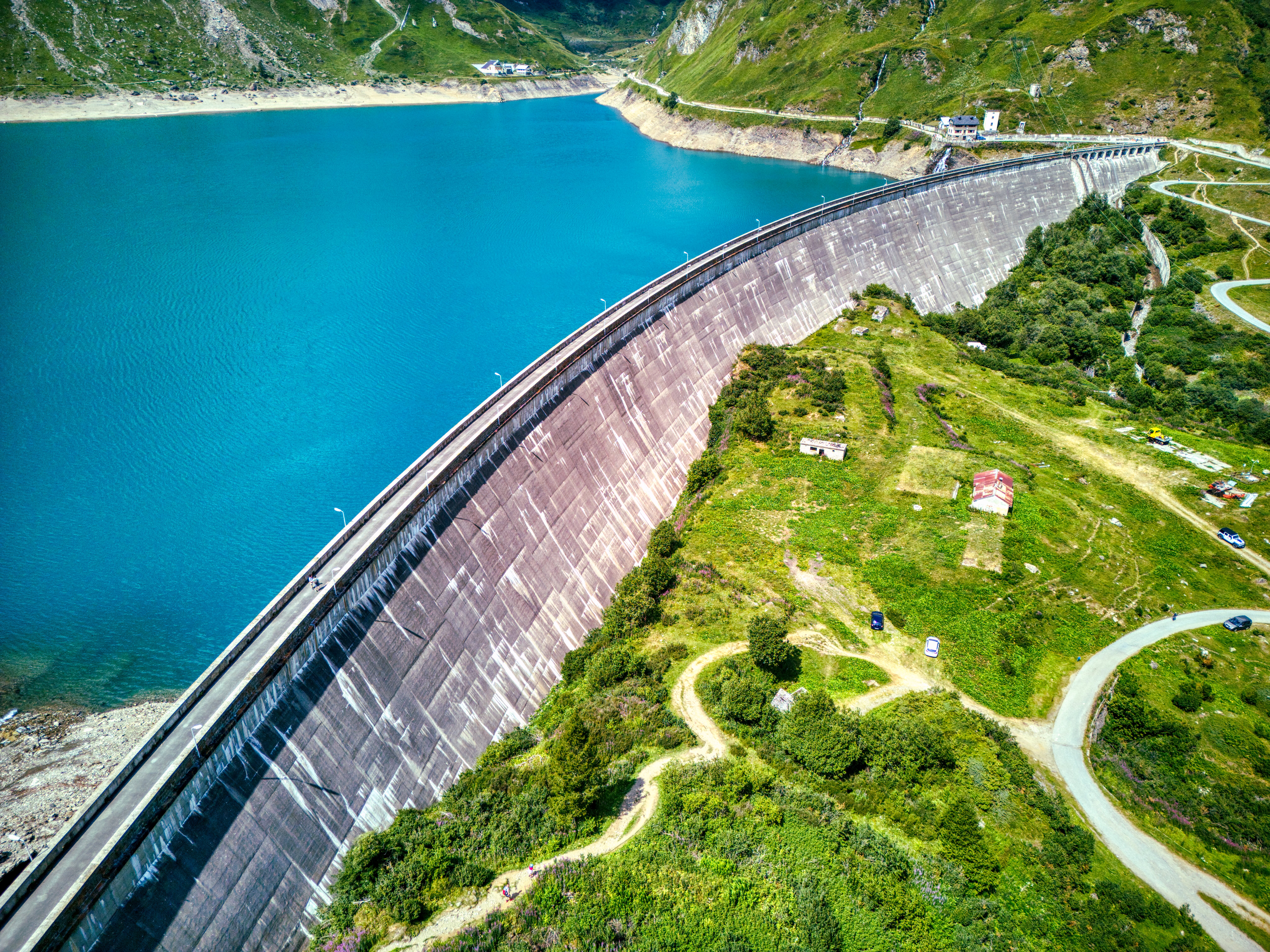
The dam sits in the Valle Formazza, a high‑altitude valley that borders Switzerland and is part of the larger Ossola region. Though the exact height and altitude of the structure are not publicly documented, its presence is unmistakable: a concrete barrier that gently holds back the pristine alpine waters, feeding downstream hydroelectric plants and supporting local water management.
Historical Roots
The origins of Diga di Morasco are tied to the post‑World‑II push for renewable energy in northern Italy. As the country modernized, the Piedmont region harnessed its abundant mountain streams to generate clean electricity. While specific construction dates are scarce, the dam’s design reflects the mid‑20th‑century engineering ethos—functional, durable, and built to coexist with nature rather than dominate it.
Why It Matters
Beyond its practical role in energy production, Diga di Morasco serves as a cultural landmark for the Formazza community. The dam is a reminder of the region’s relationship with water—an element that has shaped local agriculture, tourism, and folklore for centuries. For travelers, it offers a unique perspective on how Alpine societies balance sustainability with preservation of breathtaking landscapes.
3. How to Get There
By Car
- From Milan: Take the A8/E62 towards Domodossola, then follow signs for Formazza (SS33). The drive is roughly 2.5 hours (≈180 km) and winds through the scenic Val d’Ossola.
- From Turin: Head north on the A5/E70 to Aosta, then continue on the SS33 toward Domodossola and Formazza. Expect a 3‑hour journey (≈210 km).
Both routes offer spectacular mountain vistas, so consider stopping at a roadside café for a cappuccino and a view.
By Public Transport
- Train: The regional train from Milan or Turin to Domodossola runs frequently.
- Bus: From Domodossola, catch the ATVO bus line toward Formazza (line 2). The bus stops in the village of Morasco, a short walk from the dam.
On Foot or Bike
For the adventurous, the Alta Via dei Monti trail network passes near Diga di Morasco. Experienced hikers can start from Alpe di Maccagno and trek the valley over a few days, enjoying alpine meadows and pristine streams along the way.
4. Best Time to Visit
| Season | Highlights | Visitor Tips |
|---|---|---|
| Spring (April‑June) | Snowmelt fills the reservoir, wildflowers bloom in the valley. | Wear waterproof boots; early mornings offer misty reflections on the water. |
| Summer (July‑September) | Warm weather, longer daylight, perfect for hiking and photography. | Arrive early to avoid the occasional weekend crowd from nearby towns. |
| Autumn (October‑November) | Golden foliage, calm waters, fewer tourists. | Bring a light jacket; sunrise paints the dam in warm hues. |
| Winter (December‑March) | Snow‑capped peaks create a dramatic backdrop; the dam is quiet and pristine. | Check road conditions; some access roads may be closed due to snow. |
Overall, late spring to early autumn provides the most comfortable weather for exploring the dam and its surrounding trails.
5. What to Expect
Scenic Views
Approaching Diga di Morasco, you’ll first notice the tranquil reservoir that mirrors the surrounding peaks—think granite cliffs, evergreen pines, and occasional alpine flowers. The dam itself is modest in scale, but its concrete façade contrasts beautifully with the natural palette, especially during sunrise or sunset when the light turns the water a deep amber.
Wildlife
The Formazza Valley is a haven for Alpine fauna. Keep an eye out for:
- Marmots sunning on rocky outcrops.
- Golden eagles soaring overhead.
- Chamois navigating the steep slopes nearby.
Respect wildlife by maintaining a safe distance and staying on marked paths.
Photographic Opportunities
- Reflections: Calm mornings produce mirror‑like water that captures the mountains and sky.
- Details: Close‑up shots of the dam’s engineering details juxtaposed with moss‑covered rocks make striking compositions.
- Night Sky: With minimal light pollution, the area is ideal for astrophotography—especially during a new moon.
Quiet Recreation
While the dam isn’t a designated swimming spot, the reservoir’s edge offers peaceful picnicking and birdwatching. A short walk downstream leads to small cascades and natural pools perfect for a brief dip in summer.
6. Nearby Attractions
After soaking in the atmosphere at Diga di Morasco, extend your adventure to these nearby gems (all within a 2‑4 km radius):
| Attraction | Distance | Why Visit | Link |
|---|---|---|---|
| Local Fountain | 1.7 km | A historic stone fountain that once supplied water to the valley’s shepherds. | Fountain (Italian) |
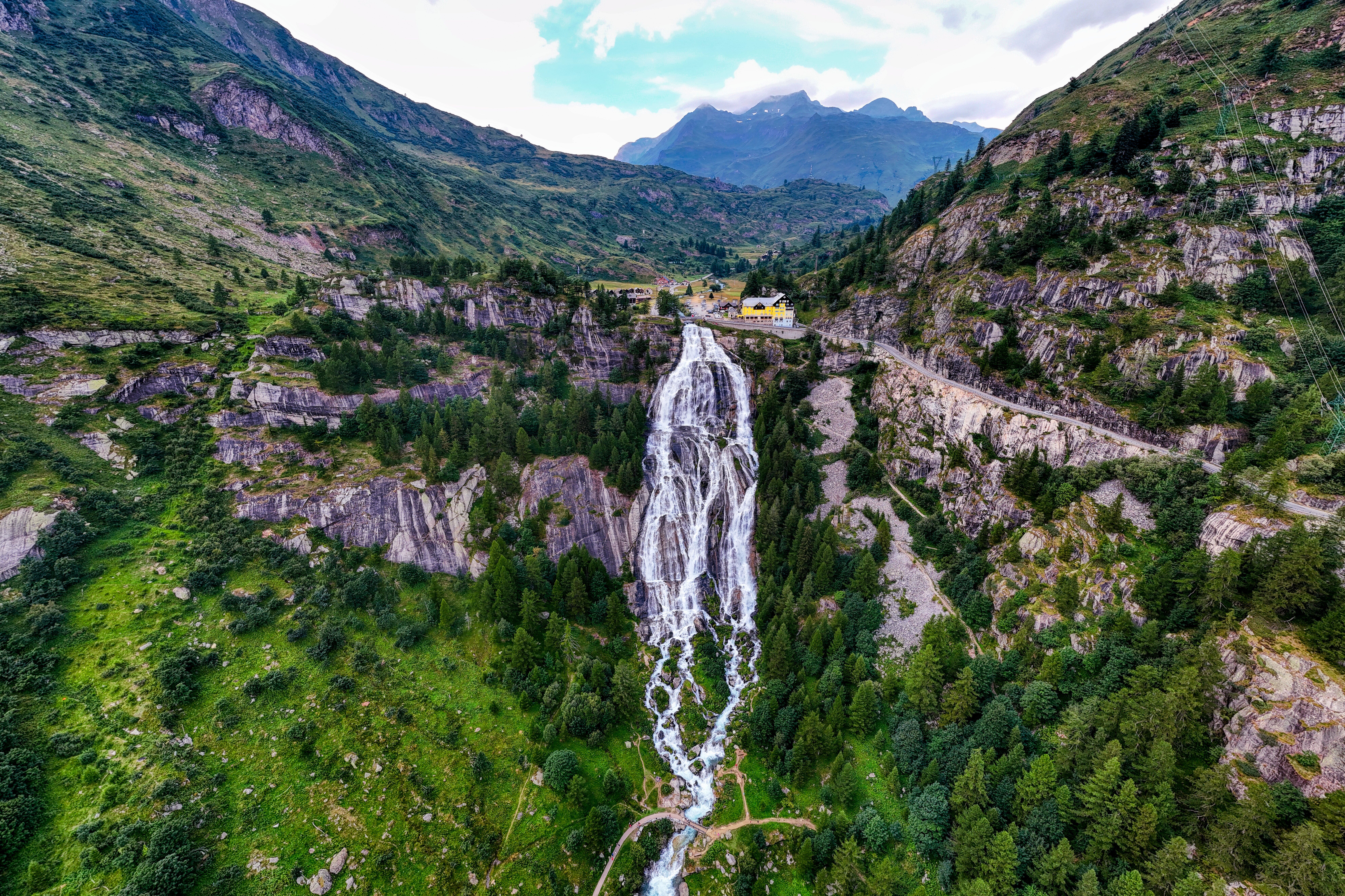
| Cascata del Toce / Früttfall | 2.0 km | One of the most powerful waterfalls in the Alps, dropping dramatically into a turquoise pool. | Cascata del Toce |
| Nearby Dam (Unnamed) | 2.3 km | Another small alpine dam offering a different perspective on hydro‑engineering in the region. | — |
| Weir (Unnamed) | 2.3 km | A low‑head weir that creates gentle rapids—great for a quiet walk and listening to the water’s rhythm. | — |
| Second Nearby Dam (Unnamed) | 2.4 km | Completes the network of water management structures that sustain the valley’s ecosystems. | — |
Tip: Many of these sites are reachable via short, well‑marked trails that loop back to the dam, allowing you to create a custom half‑day hike that combines engineering sights with natural wonders.
7. Travel Tips
- Pack Layers: Alpine weather changes quickly. A breathable base layer, a warm mid‑layer, and a waterproof shell will keep you comfortable.
- Stay Charged: Mobile signal can be spotty; bring a power bank if you plan to use GPS or take many photos.
- Respect the Environment: The area is part of a protected watershed. Carry out all trash and stay on designated paths to protect fragile alpine flora.
- Timing is Key: Arrive early (before 9 am) to enjoy the calmest light and avoid any occasional weekend visitors from nearby villages.
- Bring Snacks: Small alpine cafés are limited in the valley; a packed lunch or energy bars will keep you fueled for the hike.
- Check Road Conditions: In winter, snow chains may be required, and some mountain passes can close unexpectedly. Consult the Aosta Valley road authority website before you travel.
- Local Currency: While euros are standard, many small shops in Formazza prefer cash; ATMs are scarce.
- Language: Italian is the primary language; a few locals speak German (due to the proximity to the Swiss canton of Valais). A few basic Italian phrases go a long way.
Final Thoughts
Diga di Morasco may not headline Italy’s travel guides, but that’s exactly why it shines for the intrepid traveler. Its tranquil reservoir, rugged Alpine backdrop, and proximity to natural wonders like Cascata del Toce make it a perfect spot for a day of exploration, photography, and quiet reflection. Whether you’re a seasoned hiker, a hydro‑engineering enthusiast, or simply a lover of off‑the‑grid destinations, the dam offers a slice of Piedmont’s authentic mountain spirit—one that’s waiting to be discovered.
Pack your boots, charge your camera, and set your compass for Formazza. The hidden dam of Morasco is ready to welcome you.