Discover Diga del Zöt – Piedmont’s Hidden Alpine Gem
If you think Italy is only about rolling Tuscan hills, bustling piazzas, and sun‑kissed coastlines, think again. Nestled high in the rugged Val Formazza of the Italian Alps lies Diga del Zöt, a modest yet striking dam that offers travelers a rare blend of engineering marvel, pristine nature, and authentic mountain culture. Whether you’re a photography enthusiast, a hiking aficionado, or simply craving an off‑the‑beaten‑path adventure, Diga del Zöt should be on your Piedmont travel list.
About Diga del Zöt
A Brief Description
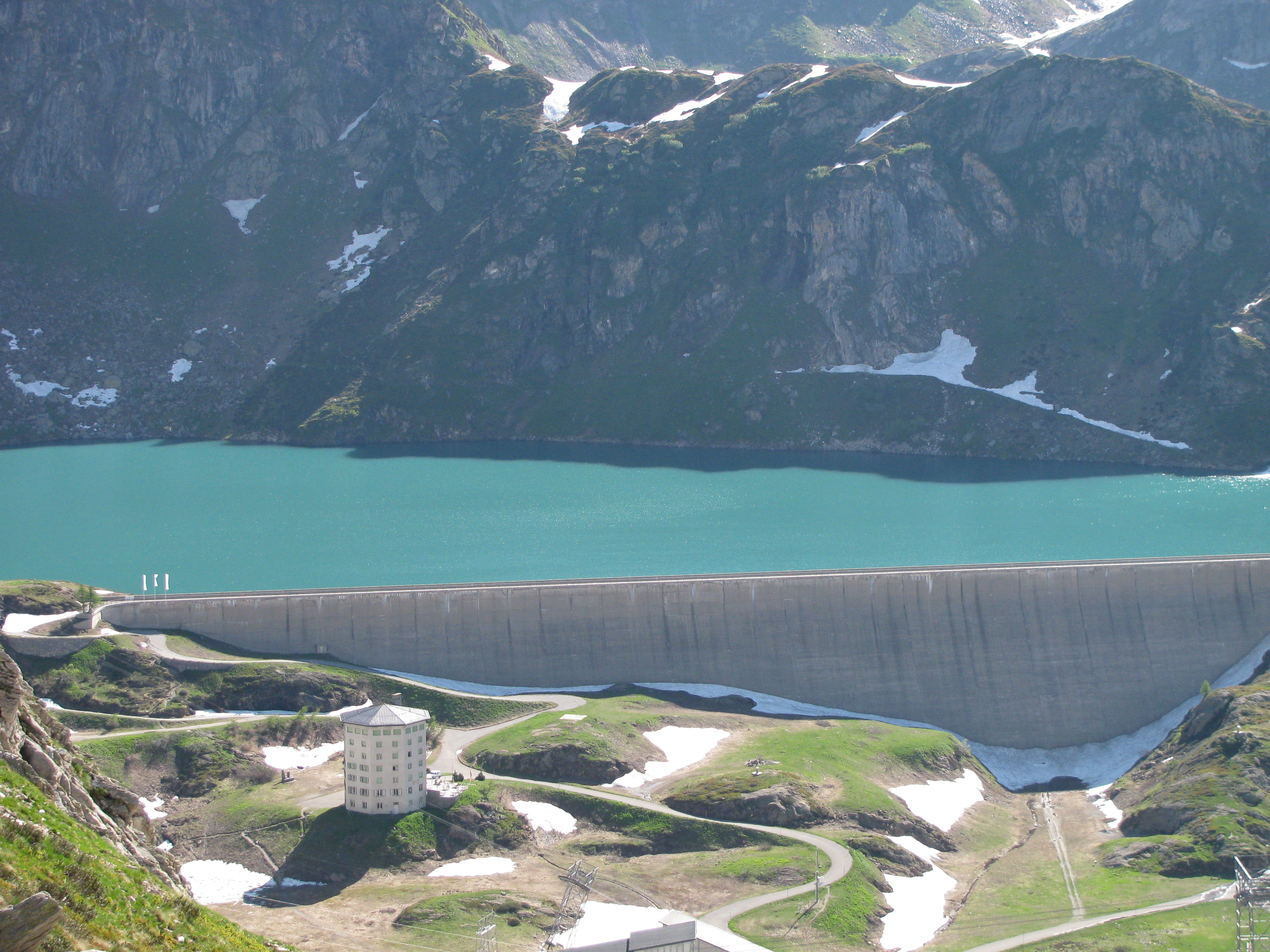
Diga del Zöt (Italian: Diga del Zöt) is a 36‑meter‑high dam situated at the coordinates 46.435429, 8.505514 in the municipality of Formazza, Piedmont, Italy. The structure is part of the region’s historic water‑management network, controlling the flow of alpine streams that feed into the larger Po River basin. While the exact altitude of the dam is not published, its placement amid the high‑altitude valleys guarantees breathtaking vistas of snow‑capped peaks and emerald‑green valleys.
Historical Context
The dam’s origins trace back to the early 20th century, a period when Alpine communities in Piedmont began harnessing hydro‑electric potential to support burgeoning industries and local livelihoods. Though detailed archival records are scarce, Diga del Zöt has long served as a critical piece of infrastructure for irrigation, flood control, and modest power generation. Its stone‑filled embankment reflects the traditional construction techniques of the era, blending seamlessly with the surrounding landscape.
Why It Matters
Beyond its functional role, Diga del Zöt is a symbol of the harmonious relationship between human ingenuity and the Alpine environment. The dam is a point of pride for Formazza residents, who celebrate the structure as part of their cultural heritage. For travelers, it offers a quiet, contemplative spot where you can observe the steady rhythm of water, hear the echo of distant mountain winds, and appreciate the quiet engineering elegance that often goes unnoticed in more famous tourist sites.
How to Get There
By Air
The nearest major airports are Turin Caselle (TRN) (≈150 km) and Milan Malpensa (MXP) (≈200 km). From either airport, rent a car or take a regional train to Domodossola, the gateway town to Val Formazza.
By Train
The Domodossola–Milan railway line (operated by Trenitalia) provides frequent connections from Milan, Turin, and other northern Italian cities. Once in Domodossola, you’ll need to switch to a local bus or hire a taxi for the final stretch to Formazza.
By Car
Driving is often the most flexible option. From A26 Autostrada (the “Autostrada dei Giovi”), follow signs for Domodossola (exit 28). After crossing the border into Switzerland briefly (the route passes near the Swiss town of Canton Ticino), continue on the SS33 road toward Formazza. The journey offers spectacular Alpine scenery, with several pull‑outs for photo stops.
Local Transportation
- Bus: The VCO (Valle di Formazza) bus line runs several times daily between Domodossola and Formazza, stopping near the dam.
- Taxi/Car‑share: Small local operators provide on‑demand rides; booking in advance during peak summer months is advisable.
Practical Tips
- Parking: A modest parking lot sits a short walk from the dam’s viewing platform. Spaces fill quickly in July–August, so arrive early.
- Road Conditions: In winter, snow and ice can make mountain roads treacherous. Ensure your vehicle is equipped with winter tires or chains, and check local weather forecasts before departure.
Best Time to Visit
| Season | Highlights | Visitor Tips |
|---|---|---|
| Spring (April‑June) | Melting snow creates powerful waterfalls; wildflowers begin to bloom in the valleys. | Pack waterproof boots and a light jacket; the trail can be muddy. |
| Summer (July‑August) | Long daylight hours, clear skies, and vibrant alpine meadows. Ideal for photography and picnics. | Arrive early to beat the midday crowds; bring sunscreen and plenty of water. |
| Autumn (September‑October) | Golden foliage, crisp air, and fewer tourists. The dam’s reflection on the water is especially striking. | Dress in layers; evenings can be chilly. |
| Winter (November‑March) | Snow‑covered landscape offers a serene, almost mystical atmosphere. Limited services, but perfect for a quiet retreat. | Check road closures; some paths may be inaccessible without snow gear. |
Overall, late spring through early autumn provides the most comfortable conditions for most travelers, while winter appeals to adventurous souls seeking solitude.
What to Expect
The Scenic Approach
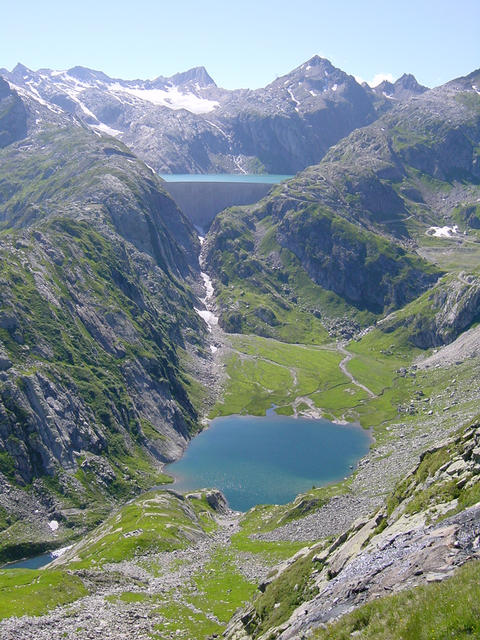
As you drive or walk the final kilometer toward Diga del Zöt, the road gradually opens to reveal a broad valley framed by jagged peaks such as Monte Rosa and Monte Leone. The dam itself sits beside a tranquil reservoir that mirrors the sky, creating a natural canvas for photographers.
The Dam Experience
- Viewing Platform: A short, well‑maintained path leads to a wooden platform offering panoramic views of the dam’s crest, the surrounding forest, and the distant mountains.
- Soundscape: The gentle rush of water through the spillways is a soothing backdrop, punctuated by occasional bird calls and the distant clang of a mountain goat’s horns.
- Educational Signage: Small informational panels explain the dam’s construction, its role in regional water management, and basic hydrology—great for curious minds and families with children.
Activities
- Photography: Capture sunrise over the reservoir or a dramatic sunset that paints the dam in golden hues.
- Hiking: Several marked trails branch out from the dam, ranging from easy lakeside walks to more challenging routes that climb toward the Lago di Robiei (1.2 km away).
- Picnicking: Designated grassy spots near the water are perfect for a leisurely lunch; just remember to pack out all trash to preserve the pristine environment.
Nearby Attractions
While Diga del Zöt is the star of the show, the surrounding area offers additional gems that can easily fill a day‑long itinerary.
-
Lago di Robiei (Dam) – Only 1.2 km away, this alpine lake features its own small dam and crystal‑clear waters ideal for a quick dip or a reflective pause.
-
[Weir in Ticino, Switzerland] – Situated 1.7 km across the border, this historic weir offers a glimpse into Swiss water‑management traditions and provides a scenic viewpoint over the cross‑border valley.
-
Diga dei Cavagnoli (Dam) – 2.1 km away, this larger dam showcases a contrasting architectural style and is surrounded by well‑marked hiking loops.
-
[Local Spring] – Approximately 3.9 km from Diga del Zöt, this natural spring feeds a series of small cascades and is a popular spot for locals to collect fresh mountain water.
-
[Waterfall in Ticino] – About 4.8 km into Swiss territory, the waterfall drops dramatically into a moss‑covered gorge, offering a dramatic backdrop for nature lovers.
Tip: All of these attractions are reachable via short car rides or, for the more adventurous, via interconnected mountain trails. Consider purchasing a Valle di Formazza trail map at the tourist office in Formazza for detailed route information.
Travel Tips
| Tip | Why It Matters |
|---|---|
| Carry Cash | Small mountain villages often have limited card‑payment options. |
| Dress in Layers | Alpine weather changes rapidly; a waterproof outer layer is essential. |
| Respect the Environment | The area is part of a protected Alpine ecosystem; stay on marked paths and avoid littering. |
| Check Opening Hours | While the dam itself is publicly accessible year‑round, nearby visitor centers may have seasonal schedules. |
| Bring a Portable Charger | Mobile signal can be spotty; a power bank ensures you can capture photos and stay connected. |
| Learn Basic Italian Phrases | Locals appreciate the effort; phrases like “Buongiorno” and “Grazie” go a long way. |
| Stay Hydrated | Even at moderate altitudes, dehydration can set in quickly during hikes. |
| Consider a Guided Walk | Local guides offer insights into the dam’s history, flora, and fauna that you might otherwise miss. |
Final Thoughts
Diga del Zöt may not have the fame of Italy’s iconic landmarks, but that’s precisely why it offers an authentic, unfiltered Alpine experience. From the tranquil water’s surface reflecting towering peaks to the quiet hum of engineering that has served the valley for decades, the dam invites travelers to pause, breathe, and connect with nature’s subtle grandeur.
Add Diga del Zöt to your Piedmont travel itinerary, combine it with nearby lakes, Swiss weirs, and cascading waterfalls, and you’ll discover a side of Italy that few guidebooks mention—but many visitors cherish forever.
Happy travels, and may your journey to Formazza be as refreshing as the alpine waters that flow from Diga del Zöt!