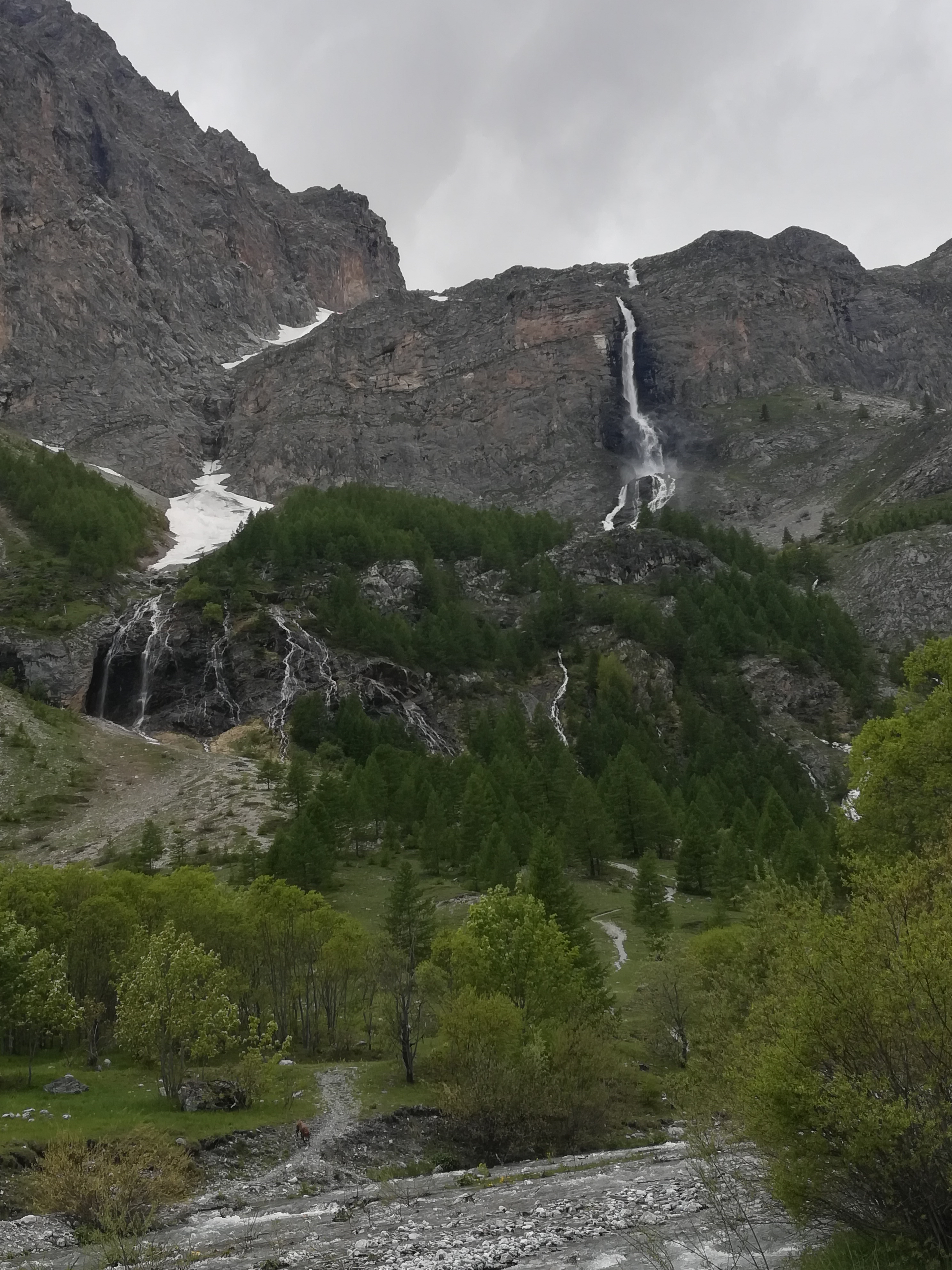
Cascate di Stroppia – Piedmont’s Hidden 500‑Metre Waterfall
If you’re hunting for an off‑the‑beaten‑path natural wonder in northern Italy, the Cascate di Stroppia in Acceglio, Piedmont, should be at the top of your list. This dramatic 500‑metre waterfall plunges through rugged alpine terrain, offering a raw, untouched slice of Italian wilderness that few tourists ever see.
1. Introduction
Imagine standing at the edge of a sheer cliff, the roar of water echoing through pine‑scented valleys, mist kissing your face, and the distant peaks of the Cottian Alps framing the scene. That’s the experience awaiting you at Cascate di Stroppia, a spectacular waterfall tucked away in the remote corners of Piedmont. While Italy is famed for its art, cuisine, and historic cities, its alpine south‑west hides gems like this—perfect for adventure seekers, nature photographers, and anyone craving a quiet escape from the crowds.
2. About Cascate di Stroppia
A Brief Description
- Location: Acceglio, Piedmont, Italy
- Coordinates: 44.508589 N, 6.897045 E
- Height: Approximately 500 metres (one of the tallest waterfalls in the region)
- Type: Free‑falling mountain waterfall
Cascate di Stroppia descends through a steep gorge carved by centuries of water erosion. The cascade’s sheer drop creates a powerful torrent that thunders into the valley below, feeding the surrounding streams and nourishing the alpine flora. Because the waterfall sits at a relatively high altitude in the Cottian Alps, the surrounding landscape is a patchwork of rugged rock, larch forests, and alpine meadows that change colour with the seasons.
History & Significance
The waterfall’s name, “Stroppia,” is rooted in local dialect, hinting at the ancient relationship between the mountain community and its natural resources. Historically, the water from the cascade fed small hydro‑structures and was essential for pastoral life in the valleys. While there is no major documented historical event tied directly to the falls, the site has long been a point of reference for shepherds, hikers, and, more recently, eco‑tourists exploring Piedmont’s less‑traveled paths.
Because the area is relatively untouched, Cascade di Stroppia has become a symbol of conservation in the region. The local municipality of Acneglio promotes sustainable tourism, encouraging visitors to enjoy the waterfall responsibly while preserving its pristine condition for future generations.
3. How to Get There
By Car
The most straightforward way to reach Cascate di Stroppia is by car. From Turin, take the A32 motorway toward Cuneo, exit at Colle della Maddalena (E70), and follow the signs for Acceglio. The drive is roughly 1.5 hours (≈120 km) and offers stunning alpine scenery.
- Parking: A small, free parking lot sits at the trailhead just outside Acceglio. Space can fill quickly during peak weekend days, so arriving early (before 10 am) is advisable.
By Public Transport
- Train: Take a regional train from Turin to Saluzzo (about 1 hour).
- Bus: From Saluzzo, catch the SIA bus to Acceglio (approximately 45 minutes). Buses run a few times daily, so check the latest schedule on the SIA Piedmont website.
- From Acceglio: The waterfall is a short walk from the village centre. Follow the local signage toward the “Cascate” trailhead.
On Foot
If you love hiking, consider a multi‑day trek through the Cottian Alps that includes Cascate di Stroppia as a highlight. The trail from Acceglio to the waterfall is well‑marked and takes about 30‑45 minutes on moderate terrain. Bring sturdy hiking boots, a water bottle, and a light rain jacket—mist from the falls can be sudden and refreshing.
4. Best Time to Visit
| Season | Conditions | Why Visit |
|---|---|---|
| Spring (April‑June) | Snow melt raises water flow; wildflowers bloom | The cascade is at its most powerful, and the valley is carpeted in colour. |
| Summer (July‑August) | Warm, dry days; lower water volume | Ideal for comfortable hiking and clear views of the gorge. |
| Autumn (September‑October) | Cooler temperatures; golden foliage | Photographers love the soft light and vibrant leaves framing the falls. |
| Winter (November‑March) | Possible ice formation; limited access | For the adventurous, frozen waterfalls create a dramatic scene, but trails may be icy. |
Peak recommendation: Late spring (mid‑May to early June) offers the perfect blend of robust water flow and pleasant hiking weather.
5. What to Expect
The Sights & Sounds
- Visual Impact: The 500‑metre drop creates a vertical ribbon of water that disappears into a misty veil. From the viewing platform, you’ll see the water plunging into a rocky pool, surrounded by sheer cliffs.
- Soundscape: The roar is both exhilarating and meditative—perfect for those who love the raw power of nature.
- Flora & Fauna: Expect to spot alpine larches, edelweiss, and, if you’re lucky, chamois or marmots navigating the rocky outcrops.
The Experience
- Trail Difficulty: The path to the falls is moderate—well‑maintained but with some steep sections and occasional rocky steps.
- Duration: A round‑trip hike from the parking area takes about 1.5 hours. If you linger for photos or a picnic, plan for 2–3 hours total.
- Facilities: There are no built‑in restrooms or cafés at the site, reinforcing its wild character. Bring your own snacks and waste bags.
6. Nearby Attractions
While Cascate di Stroppia steals the show, the surrounding area offers several other natural points of interest—perfect for extending your day trip or building a multi‑day itinerary.
| Attraction | Type | Distance from Cascate di Stroppia | Quick Info |
|---|---|---|---|
| [Weir] | Weir | 0.9 km | Small historic weir offering a glimpse of traditional water management. |
| [Spring] | Spring | 1.1 km | A clear mountain spring ideal for a quick refill of your water bottle. |
| [Sorgente del Biacasse] | Spring | 3.1 km | A picturesque spring nestled among pine woods—great for a short hike. |
| [La Fontana d' Sergio] | Spring | 3.4 km | A charming fountain-fed pool, perfect for a relaxed picnic. |
| [Unnamed Spring] | Spring | 3.4 km | Another hidden spring that adds to the region’s lush water network. |
All distances are approximate and measured from the Cascate di Stroppia trailhead. For more details, consult local maps or the Acceglio tourism office.
7. Travel Tips
- Pack Light, Pack Smart – Bring a small daypack with a waterproof jacket, snacks, a reusable water bottle, and a basic first‑aid kit.
- Footwear Matters – Sturdy, ankle‑supporting hiking shoes are essential; the trail can be slippery from mist.
- Respect the Environment – Stay on marked paths, carry out all trash, and avoid disturbing wildlife.
- Timing is Key – Arrive early in the morning to beat any crowds and capture the waterfall in soft, golden light.
- Check Weather Forecasts – Alpine weather can change quickly. If thunderstorms are predicted, postpone your visit—waterfall spray combined with lightning is unsafe.
- Photography Tips – Use a polarizing filter to reduce glare on the water, and a tripod for long exposures that smooth the cascade’s motion.
- Local Cuisine – After your hike, stop in Acceglio for a hearty bagna cauda or polenta con funghi, pairing the meal with a glass of Barolo from nearby vineyards.
Final Word
Cascate di Stroppia may not appear in every mainstream travel guide, but that’s precisely why it feels like a secret treasure. Whether you’re a seasoned hiker, a photographer hunting dramatic landscapes, or simply a traveler craving authentic Italian nature, this 500‑metre waterfall offers an unforgettable experience that captures the wild heart of Piedmont. Pack your boots, follow the coordinates, and let the roar of Stroppia guide you into an adventure you’ll remember long after you leave the Alps.
Happy travels, and may the mist of Cascate di Stroppia inspire your next great story!