Cascata del Toce / Früttfall – Piedmont’s Alpine Waterfall Wonder
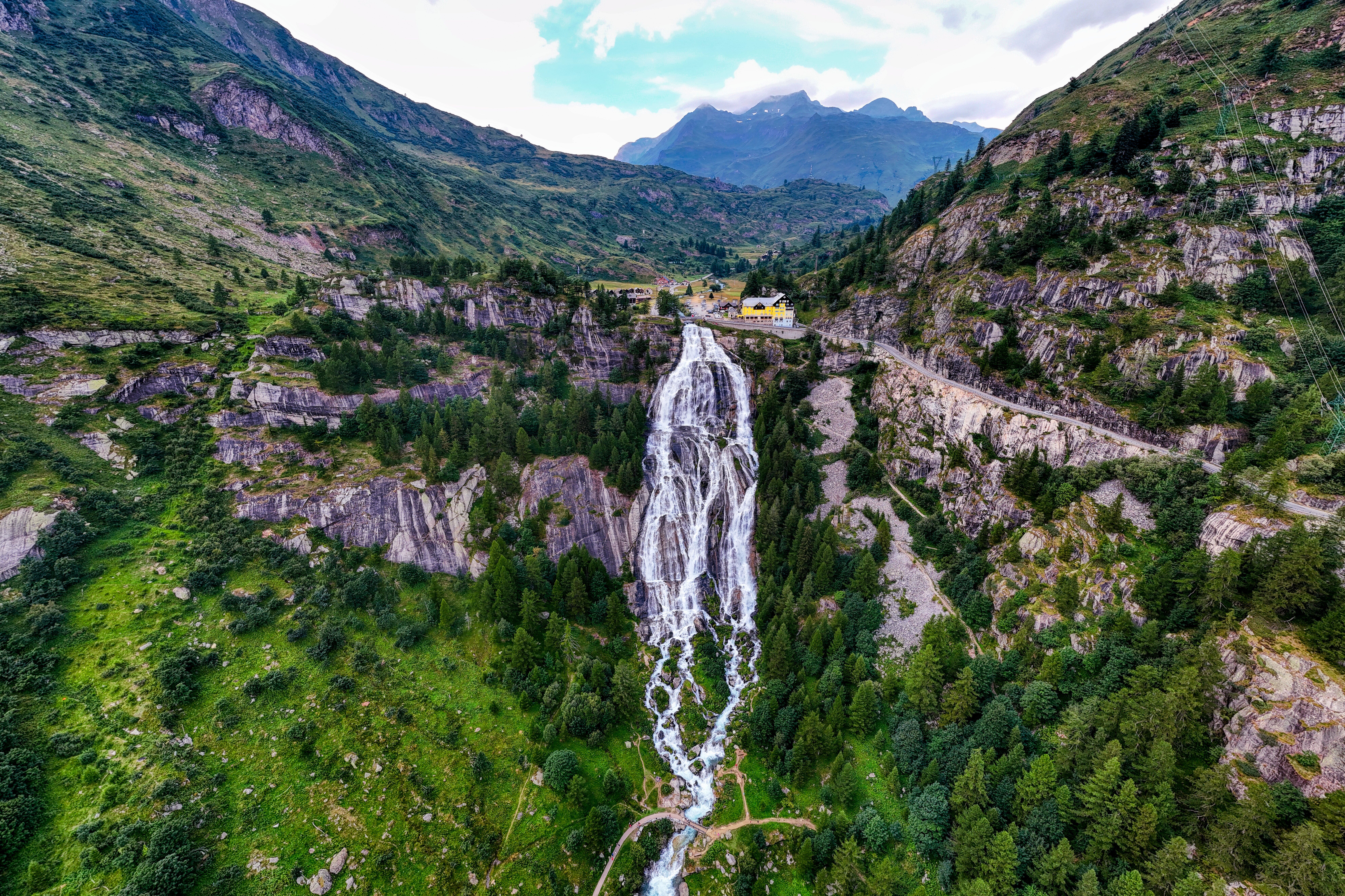
If you’ve ever dreamed of standing beneath a 143‑metre curtain of crystal water, high in the Italian Alps, Cascata del Toce – known locally as Früttfall – should be at the top of your itinerary. Nestled in the remote valley of Formazza, this spectacular waterfall drops dramatically from an altitude of 1,685 m, offering a breathtaking mix of raw power and pristine alpine scenery.
1. Introduction
Imagine the roar of water echoing through pine‑clad peaks, mist swirling around you as you watch a torrent plunge more than 140 metres into a deep gorge. That’s the experience at Cascata del Toce, one of the most impressive waterfalls in Piedmont, Italy. Whether you’re a seasoned hiker, a photography enthusiast, or simply a traveler seeking a hidden natural gem, Früttfall delivers a dramatic, unforgettable moment that feels far removed from the crowds of Italy’s more famous tourist sites.
Keywords: Cascata del Toce, Früttfall, waterfall Piedmont, Italy travel, Formaza waterfall, alpine waterfall Italy.
2. About Cascata del Toce / Früttfall
Cascata del Toce (German: Früttfall) is a single‑drop waterfall located in the municipality of Formazza, in the province of Verbano‑Cusio‑Ossola, Piedmont. The waterfall plunges 143 metres (469 ft) straight down, making it one of the highest free‑fall waterfalls in the Alps. Its source is the Toce River, which gathers melt‑water from the surrounding glaciers and high‑altitude streams before cascading over the cliff edge at 46.408420 N, 8.412742 E.
History & Significance
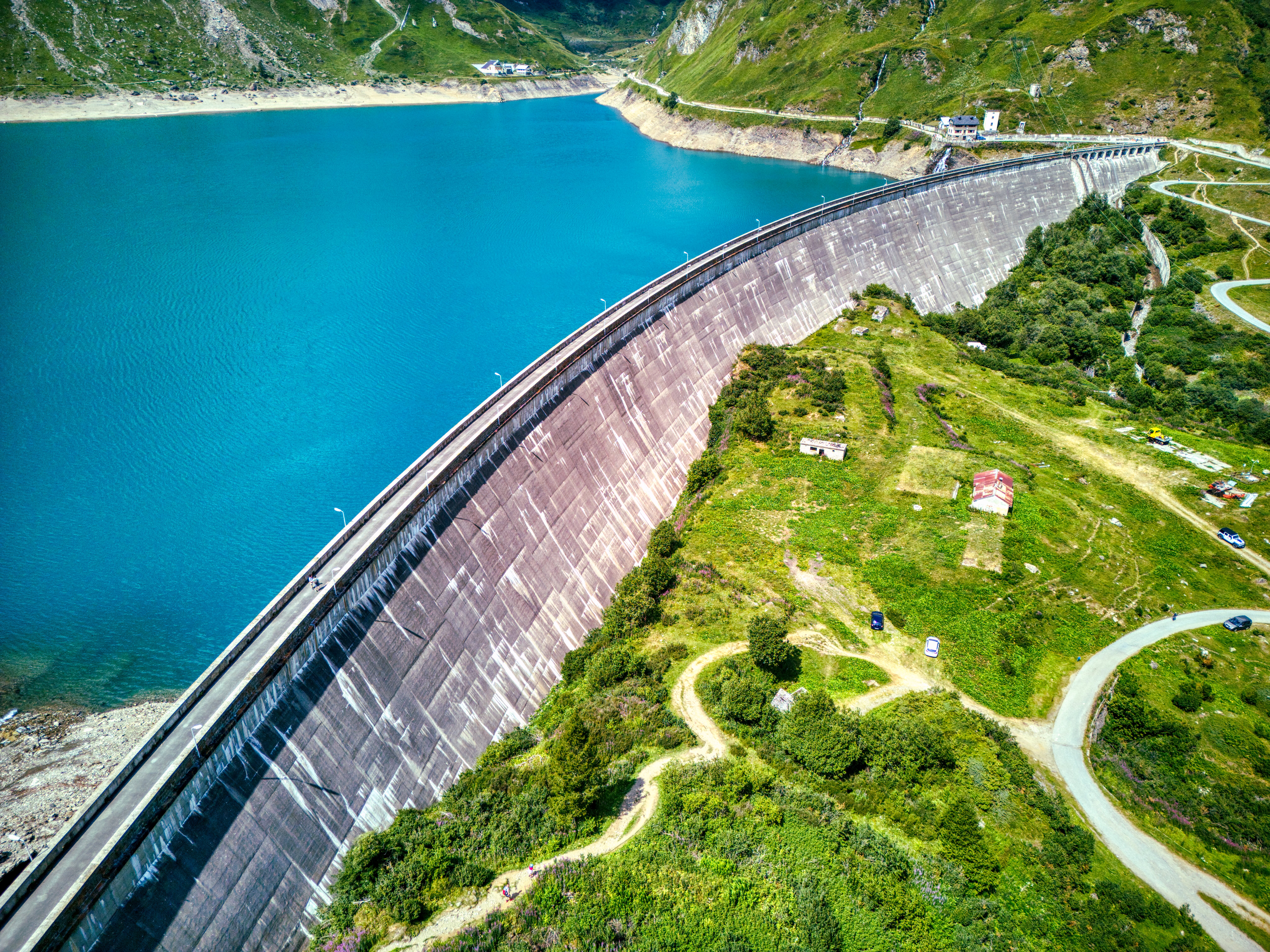
The name “Frütt” derives from the local Walser German dialect spoken by the historic Walser community that settled the valley centuries ago. The waterfall has long been a symbol of the region’s rugged beauty and a source of local pride. While the Toce River has been used historically for hydro‑electric projects—evident from the several small dams and weirs dotting the valley—the natural cascade itself remains untouched, protected by the surrounding alpine environment.
Cascata del Toce is featured on the Italian Wikipedia page for the waterfall, offering a concise reference for curious readers: Cascata del Toce (Italian Wikipedia).
3. How to Get There
By Air
The nearest major airports are Milan Malpensa (MXP) and Turin Caselle (TRN). From either airport, rent a car or catch a train to Domodossola, the gateway town to the Ossola Valley.
By Train
- Milan → Domodossola: Frequent regional and EuroCity trains (≈2 h).
- Domodossola → Omegna: Regional train (≈1 h).
From Omegna, you’ll need a local bus or a taxi to the village of Formazza (≈30 km, 45 min).
By Car
Driving gives you the most flexibility. From Domodossola, follow the SS33 east toward Formazza. The road winds through spectacular alpine scenery, and the final stretch (via the Strada Statale 33 del Val d’Ossola) leads directly to the village. Parking is available near the trailhead, but spaces fill quickly in summer, so arrive early.
Trailhead
The official viewpoint is reached via a well‑marked hiking path that starts near the Fountain of Formazza (approximately 0.2 km from the waterfall). The trail is moderate in difficulty, with some rocky sections, and takes about 30–45 minutes from the parking area to the viewing platform.
Tip: Bring a printed map or download an offline map with the coordinates (46.408420, 8.412742) for navigation.
4. Best Time to Visit
| Season | Conditions | Why Visit |
|---|---|---|
| Spring (April–June) | Snowmelt boosts water flow; cooler temperatures | The cascade is at its most powerful, and wildflowers start to bloom in the valley. |
| Summer (July–August) | Warm, longer daylight hours; trail fully accessible | Ideal for photography and combining the waterfall with nearby high‑altitude hikes. |
| Autumn (September–October) | Reduced flow, golden foliage | The surrounding forests turn amber, offering a quieter, more contemplative experience. |
| Winter (November–March) | Ice and snow can make the path hazardous; waterfall may be partially frozen | For adventurous souls with proper gear, the frozen cascade creates a dramatic, icy tableau. |
Peak visitor season is July and August. If you prefer fewer crowds, aim for early June or late September.
5. What to Expect
Arriving at the viewpoint, you’ll be greeted by a thundering roar that reverberates through the gorge. The water, sourced from alpine glaciers, appears a brilliant turquoise against the dark rock face, especially when the sun catches the mist. The mist spray often creates a natural rainbow—perfect for Instagram shots.
The viewing platform offers panoramic vistas of the surrounding peaks, including the Monte Rosa massif in the distance. From here, you can trace the Toce River’s path downstream, where it eventually joins the Lake Maggiore.
If you’re up for a longer trek, the trail continues toward the Weir of Toce (≈1.2 km) and several small hydro‑electric dams (≈1.8–1.9 km). These structures illustrate the delicate balance between preserving natural beauty and harnessing renewable energy in the Alpine region.
6. Nearby Attractions
While Cascata del Toce is the star, the surrounding area offers several complementary sights that can easily be combined into a full‑day itinerary:
| Attraction | Distance from Waterfall | Description |
|---|---|---|
| Fountain of Formazza | 0.2 km | A historic stone fountain in the village center, perfect for a quick photo stop. |
| Weir of Toce | 1.2 km | A small weir that regulates river flow; offers insight into local water management. |
| Dam #1 (Upper Toce Dam) | 1.8 km | A modest hydro‑electric dam nestled in the valley, showcasing Alpine engineering. |
| Dam #2 (Mid‑Valley Dam) | 1.9 km | Another functional dam with scenic surroundings, ideal for a brief walk. |
| Dam #3 (Lower Toce Dam) | 1.9 km | The third dam in the series, providing a quiet spot for picnics and river views. |
Note: Exact names of the dams are not listed in public sources; they can be identified on local signage or via the GPS coordinates.
7. Travel Tips
| Tip | Details |
|---|---|
| Wear sturdy hiking boots | The trail includes rocky sections and occasional loose gravel. |
| Bring a windproof jacket | At 1,685 m altitude, weather can change rapidly, even in summer. |
| Pack a reusable water bottle | There are no refill stations on the trail; staying hydrated is essential. |
| Start early | Parking fills up quickly in July/August, and early morning light is ideal for photography. |
| Respect the environment | Stay on marked paths, avoid litter, and keep a safe distance from the water’s edge. |
| Check dam and weir access | Some structures may have restricted areas for safety; follow local signage. |
| Use a tripod for photos | The waterfall’s speed can blur details; a tripod helps capture the silky motion of the water. |
| Consider a guided hike | Local guides can share Walser cultural stories and point out hidden alpine flora. |
| Currency | Italy uses the Euro (€). Small villages may accept cards, but carry cash for remote shops. |
| Language | Italian is the official language; some locals speak German dialects (Walser). A few basic phrases in Italian go a long way. |
Final Thoughts
Cascata del Toce / Früttfall is more than just a waterfall—it’s a gateway to the untouched heart of the Piedmont Alps. From the thunderous plunge of 143 metres to the quiet charm of nearby dams and the historic fountain of Formazza, the area offers a balanced blend of natural spectacle and cultural heritage.
Plan your visit with the practical tips above, choose the season that matches your adventure style, and prepare to be humbled by one of Italy’s most awe‑inspiring alpine waterfalls.
Ready to chase the mist? Pack your boots, grab your camera, and let Cascata del Toce become the highlight of your Piedmont travel story.