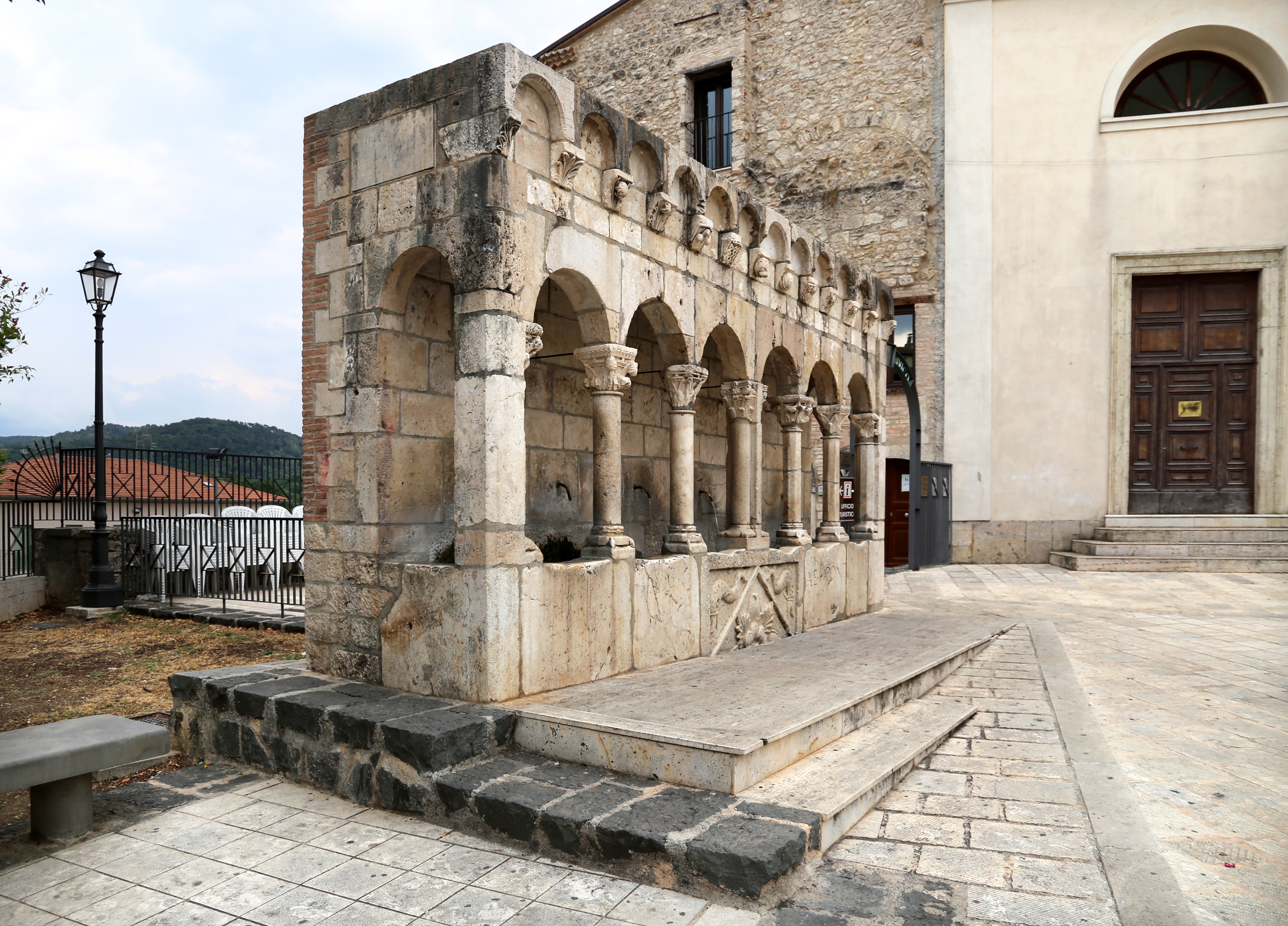
Fontana Fraterna – Isernia’s Hidden Gem in the Heart of Molise
Discover the charm of a centuries‑old fountain, the perfect pause on your Italian adventure.
Introduction
If you picture Italy, you probably think of the Colosseum, the Amalfi Coast, or the rolling hills of Tuscany. Yet some of the most authentic moments happen in the quiet streets of Molise, a region that still feels untouched by mass tourism. Nestled in the historic centre of Isernia, Fontana Fraterna is a modest stone fountain that has been quenching thirst—and curiosity—since the Middle Ages. Its simple elegance, coupled with a palpable sense of history, makes it a must‑see for travelers who love off‑the‑beaten‑path discoveries.
In this guide, we’ll explore what makes Fontana Fraterna special, how to reach it, the best time to visit, and the surrounding attractions that will round out a perfect day in Molense’s hidden capital.
About Fontana Fraterna
A Brief Description
- Type: Historic stone fountain ⛲
- Location: Piazza del Popolo, Isernia, Molise, Italy
- Coordinates: 41.591858 N, 14.228744 E
- Height / Altitude: Unknown (the fountain’s modest size blends seamlessly with the surrounding architecture)
Fontana Fraterna is a rectangular stone basin supported by a series of low arches. Water once rose from a subterranean spring, flowing into the basin where locals gathered to collect drinking water, wash clothes, and exchange news. The name “Fraterna” hints at a fraternal, communal spirit—an invitation to pause, refresh, and connect.
Historical Roots
The fountain dates back to the medieval period, a time when public water sources were vital to urban life. While exact construction dates are scarce, records indicate that Fontana Fraterna has been a focal point of Isernia’s daily rhythm for over 700 years. Its stonework reflects the Romanesque style typical of Molise’s early architecture, and the fountain has survived earthquakes, wars, and the shift from public wells to modern plumbing.
Cultural Significance
Beyond its practical purpose, Fontana Fraterna served as a social hub. In centuries past, it was the place where merchants announced market prices, families met after church, and children played under the watchful eyes of elders. Today, the fountain stands as a living monument to Isernia’s communal heritage, offering travelers a tangible link to the city’s past.
How to Get There
By Air
- Nearest airports:
- Abruzzo Airport (PSR) – about 100 km north, a 1.5‑hour drive.
- Naples International Airport (NAP) – roughly 180 km south, a 2‑hour drive.
From either airport, rent a car or catch a regional bus to Isernia.
By Train
- Isernia‑Sannio station sits on the Rome‑Bologna line. High‑speed trains from Rome (≈2 h) or Naples (≈2 h 30 min) stop here. From the station, it’s a 10‑minute walk to the historic centre.
By Car
- From Rome: Take the A1 Autostrada north to the Raccordo Autostradale 12 (RA12) toward Cassino, then follow the SS85 to Isernia.
- From Naples: Follow the A16 east to the exit for Isernia. Parking is available in several municipal lots near Piazza del Popolo.
Walking Directions
From the Isernia train station:
1. Head west on Via G. De Mauro.
2. Turn right onto Via Cavour; continue straight for 300 m.
3. You’ll arrive at Piazza del Popolo, where Fontana Fraterna sits at the centre of the square.
Best Time to Visit
| Season | Weather | Visitor Experience |
|---|---|---|
| Spring (Mar‑May) | Mild temperatures (12‑20 °C), blooming almond trees | Ideal for strolling the historic centre; the fountain’s stone glistens after occasional rain showers. |
| Summer (Jun‑Aug) | Warm to hot (25‑35 °C) | Early mornings or late afternoons are best to avoid the heat; the fountain offers a refreshing visual break. |
| Autumn (Sep‑Nov) | Pleasant (15‑22 °C), golden foliage | Perfect for photography; the low sun accentuates the fountain’s texture. |
| Winter (Dec‑Feb) | Cool (5‑12 °C), occasional rain | Fewer tourists; the quiet atmosphere lets you soak in the historic ambience. |
Tip: The fountain’s water flow can vary with seasonal precipitation. Late spring and early autumn usually guarantee a lively cascade.
What to Expect
Visual Delight
Approach the fountain and you’ll notice the weathered limestone that has softened over centuries. The basin, lined with simple stone slabs, reflects the sky, creating a miniature mirror that captures the surrounding medieval façades. During sunny days, light dances across the water, producing a sparkling effect that feels almost magical.
Sensory Experience
Even if the water flow is modest, the faint sound of trickling water adds a soothing soundtrack to the bustling piazza. The scent of nearby cafés, fresh espresso, and the occasional aroma of roasted chestnuts from street vendors mingle, creating a quintessential Italian street‑scene.
Photographic Opportunities
- Low‑angle shots highlight the arches and the water’s surface.
- Golden hour (just after sunrise or before sunset) bathes the fountain in warm tones.
- Nighttime: The piazza is often illuminated, casting gentle shadows that enhance the historic stonework.
Nearby Attractions
While Fontana Fraterna is the star, the surrounding area offers a cluster of charming sites—most of them other historic fountains—within walking distance. Here’s a quick guide:
| Distance | Attraction | What to See | Link |
|---|---|---|---|
| 0.4 km | Fountain of San Bartolomeo | A small Renaissance‑style basin tucked behind a narrow alley. | Explore |
| 0.6 km | Fountain of the Martyrs | Features a sculpted stone column and a legend about a medieval battle. | Explore |
| 0.8 km | Fountain of the Four Seasons | Decorated with symbolic carvings representing spring, summer, autumn, and winter. | Explore |
| 1.1 km | Fountain of the Holy Cross | Set in a quiet courtyard, ideal for a reflective pause. | Explore |
| 1.2 km | Fountain of the Town Hall | Overlooks the municipal building; great for people‑watching. | Explore |
Beyond the fountains:
- Isernia Cathedral (Cattedrale di San Pietro Apostolo): A 12th‑century Romanesque cathedral just a few minutes from the piazza.
- Museo Archeologico Nazionale di Isernia: Houses artifacts from the Samnite and Roman periods.
- Castello di Isernia: Ruins of a medieval castle offering panoramic views of the town.
Travel Tips
| Tip | Details |
|---|---|
| Bring comfortable shoes | The historic centre’s cobblestones can be uneven. |
| Stay hydrated | Even though you can admire the fountain, the water isn’t drinkable. Carry a reusable bottle. |
| Check opening hours | While the fountain is public, nearby museums and the cathedral have specific visiting times. |
| Cash is king | Small cafés and souvenir stalls often prefer euros in cash over cards. |
| Learn a phrase | A friendly “Buongiorno” or “Grazie” goes a long way with local shopkeepers. |
| Respect the site | Avoid climbing on the stonework; preserve the fountain for future visitors. |
| Timing for photos | Early morning light is softer; avoid the midday glare for clearer shots. |
| Local events | Isernia hosts a summer “Festa della Fontana” where the fountain is illuminated with music and light—perfect for a cultural night out. |
Wrap‑Up
Fontana Fraterna may not appear on every travel brochure, but that’s precisely why it deserves a spot on your itinerary. Its centuries‑old stone whispers stories of community, resilience, and everyday Italian life. Whether you’re a history buff, a photography enthusiast, or simply a wanderer seeking authentic moments, this modest fountain offers a rewarding pause in the heart of Molise.
Ready to sip the history of Isernia? Pack your camera, lace up your walking shoes, and let Fontana Fraterna become the centerpiece of your Molise adventure.
Happy travels! 🌍✈️