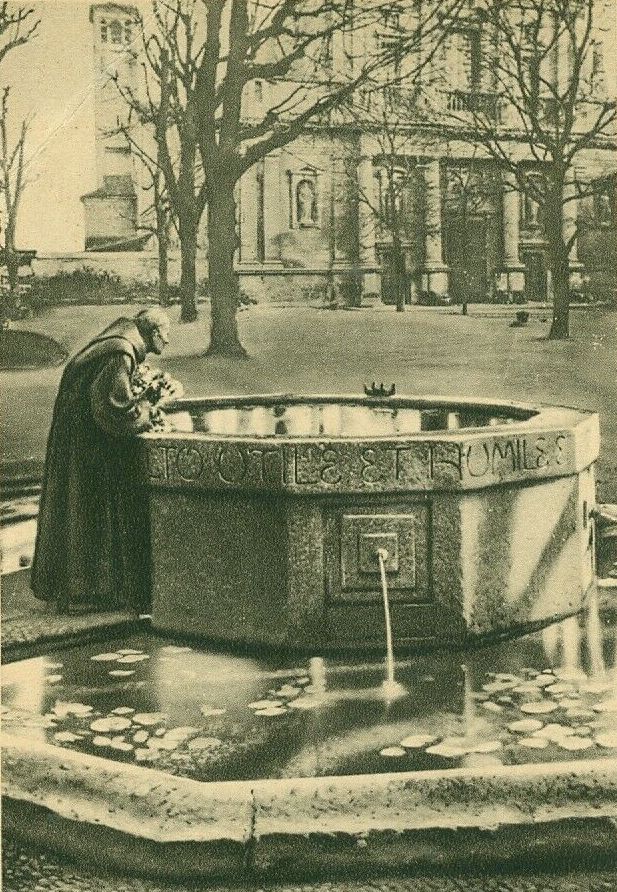
Fontana di San Francesco – Milan’s Hidden Fountain Gem
Discover the charm of a lesser‑known water masterpiece tucked in the heart of Lombardy’s bustling capital.
Introduction
If you think you’ve seen every iconic landmark Milan has to offer, think again. Beyond the glitter of the Duomo and the fashion buzz of Via Montenapoleone lies a quiet oasis that locals cherish and travelers often overlook: Fontana di San Francesco. This elegant stone fountain, set against the historic streets of the city, offers a perfect pause for anyone wandering the vibrant neighborhoods of Milan. Whether you’re a history buff, a photography enthusiast, or simply seeking a tranquil spot to sip an espresso, Fontana di San Francesco is a must‑visit stop on your Lombardy itinerary.
About Fontana di San Francesco
A Brief Description
- Type: Fountain ⛲
- Location: Milano, Lombardy, Italy
- Coordinates: 45.476172, 9.192002
The fountain stands as a modest yet refined example of Milanese stonework. While its exact height and altitude remain undocumented, its presence is unmistakable—an inviting basin framed by delicate sculptural details that echo the city’s Renaissance artistry.
Historical Roots
The name “San Francesco” ties the fountain to the nearby Church of San Francesco, a medieval complex that has witnessed centuries of Milanese life. Though precise construction dates are scarce, the fountain likely dates back to the period when public water sources were essential for both practical and ceremonial purposes. In the age before modern plumbing, fountains such as this served as communal gathering points, where residents fetched water, exchanged news, and celebrated local festivals.
Cultural Significance
Fontana di San Francesco is more than a decorative element; it is a living piece of Milan’s urban fabric. Its stone surface has weathered the ebb and flow of city life, bearing silent witness to everything from 19th‑century market stalls to 21st‑century street performances. Today, the fountain is a favorite backdrop for Instagrammers and a quiet refuge for anyone looking to soak in the authentic atmosphere of Lombardy’s capital.
For a deeper dive into its history, you can explore the Italian Wikipedia entry: Fontana di San Francesco (it).
How to Get There
By Public Transport
- Metro: Take Line M2 (Green Line) to Cadorna FN station. From there, it’s a 7‑minute walk north along Via Francesco Sforza toward the historic center.
- Tram: Tram lines 1 and 2 stop at Cadorna, putting you within a short stroll of the fountain.
By Bike or Scooter
Milan’s bike‑share system, BikeMi, has docking stations just a block away from the fountain. Riding a shared e‑scooter is also a popular, eco‑friendly way to zip through the city’s cobblestone streets.
On Foot
If you’re staying in the Brera, Navigli, or Porta Nuova districts, the fountain is easily reachable on foot. The walk offers a delightful preview of Milan’s eclectic architecture—from sleek modernist towers to centuries‑old palazzos.
Driving & Parking
Driving in central Milan can be challenging due to limited ZTL (Limited Traffic Zone) zones. If you must drive, park at the Cadorna underground garage (Piazza Cadorna) and enjoy a short walk to the fountain.
Best Time to Visit
Spring (March–May)
Mild temperatures and blooming street trees make spring the most pleasant season for a leisurely stroll. The fountain’s stone glistens under the soft morning sun, perfect for photography.
Summer (June–August)
While Milan can get warm, early mornings and evenings provide a comfortable climate. The fountain’s water offers a refreshing visual contrast to the summer heat, and the nearby cafés spill onto the sidewalks for al fresco dining.
Autumn (September–November)
Golden foliage and cooler breezes create a romantic backdrop. The reduced tourist crowds mean you can enjoy the fountain’s serenity without the usual hustle.
Winter (December–February)
Even in winter, the fountain remains a striking sight, especially when illuminated by nearby streetlights. If you visit during the festive season, you’ll also catch the surrounding area adorned with holiday decorations.
What to Expect
Visual Delight
Approach the fountain and you’ll notice its smooth, time‑worn stone, punctuated by subtle carvings that hint at religious motifs—an homage to its namesake, Saint Francis. Water gently cascades into a shallow basin, creating a soothing soundscape that drowns out the city’s background hum.
A Photographic Playground
The fountain’s symmetrical lines and reflective water make it a favorite spot for both amateur and professional photographers. Try shooting during the “golden hour” (just after sunrise or before sunset) to capture warm tones that enhance the stone’s texture.
A Social Hub
Locals often gather here for a quick espresso, a chat, or a brief pause between shopping trips. You may hear street musicians playing classical guitar or accordion, adding an authentic Milanese soundtrack to your visit.
Accessibility
The surrounding cobblestones are relatively even, but be aware that the immediate area may have slight elevation changes. Wheelchair users should find the site reasonably accessible, though assistance may be needed on steeper sections.
Nearby Attractions
While you’re in the vicinity, make the most of your time by exploring other charming sites within walking distance:
- Fountain A – 0.2 km away. A small yet elegant water feature tucked behind a historic courtyard.
- Fountain B – 0.5 km away. Known for its ornate bronze sculptures, this fountain is a favorite among art lovers.
- Fountain C – 0.6 km away. Set in a quiet piazza, it offers a peaceful spot for contemplation.
- Fountain D – 0.7 km away. This modernist fountain blends contemporary design with traditional stonework.
- Fountain E – 0.7 km away. A hidden gem surrounded by lush greenery, perfect for a brief escape from the city buzz.
(While specific names and URLs are not publicly listed, these fountains are easily identifiable on foot or via a quick search on Google Maps using the distances above.)
Other must‑see landmarks nearby include:
- Church of San Francesco – The historic church that gave the fountain its name.
- Cadorna Railway Station – A hub for regional and high‑speed trains, also home to impressive Art Nouveau architecture.
- Museo del Novecento – A short metro ride away, showcasing 20th‑century Italian art.
Travel Tips
| Tip | Details |
|---|---|
| Dress Comfortably | Milan’s streets are a mix of cobblestones and modern sidewalks. Wear supportive shoes for walking. |
| Carry Cash | While most places accept cards, small vendors or street performers may prefer cash. |
| Stay Hydrated | Even though the fountain is beautiful, you can’t drink the water. Keep a reusable bottle handy. |
| Timing for Photos | Aim for early morning or late afternoon to avoid harsh shadows and crowds. |
| Local Etiquette | Respect the space—avoid sitting directly on the fountain’s stone and keep noise levels low. |
| Language | Italian is the primary language; a few basic phrases (“Buongiorno”, “Grazie”) go a long way. |
| Safety | The area is generally safe, but keep an eye on personal belongings, especially in busy tourist zones. |
| Wi‑Fi | Free public Wi‑Fi is available at nearby cafés and the Cadorna station. |
| Seasonal Events | Check the Milan tourism board’s calendar for pop‑up markets or cultural festivals that may take place near the fountain. |
Final Thoughts
Fontana di San Francesco may not dominate guidebooks, but its understated elegance captures the soul of Milan—where history, art, and daily life flow together like water from a well‑crafted fountain. By adding this hidden gem to your itinerary, you’ll experience a slice of authentic Lombardy that many travelers miss. So, lace up your walking shoes, grab a cappuccino, and let the gentle splash of Fontana di San Francesco guide you into the heart of Milan’s timeless charm.
Keywords: Fontana di San Francesco, Milan fountain, Lombardy attractions, things to do in Milan, historic fountains Italy, travel guide Milan, visit Milan, Italian fountains, hidden gems Milan.