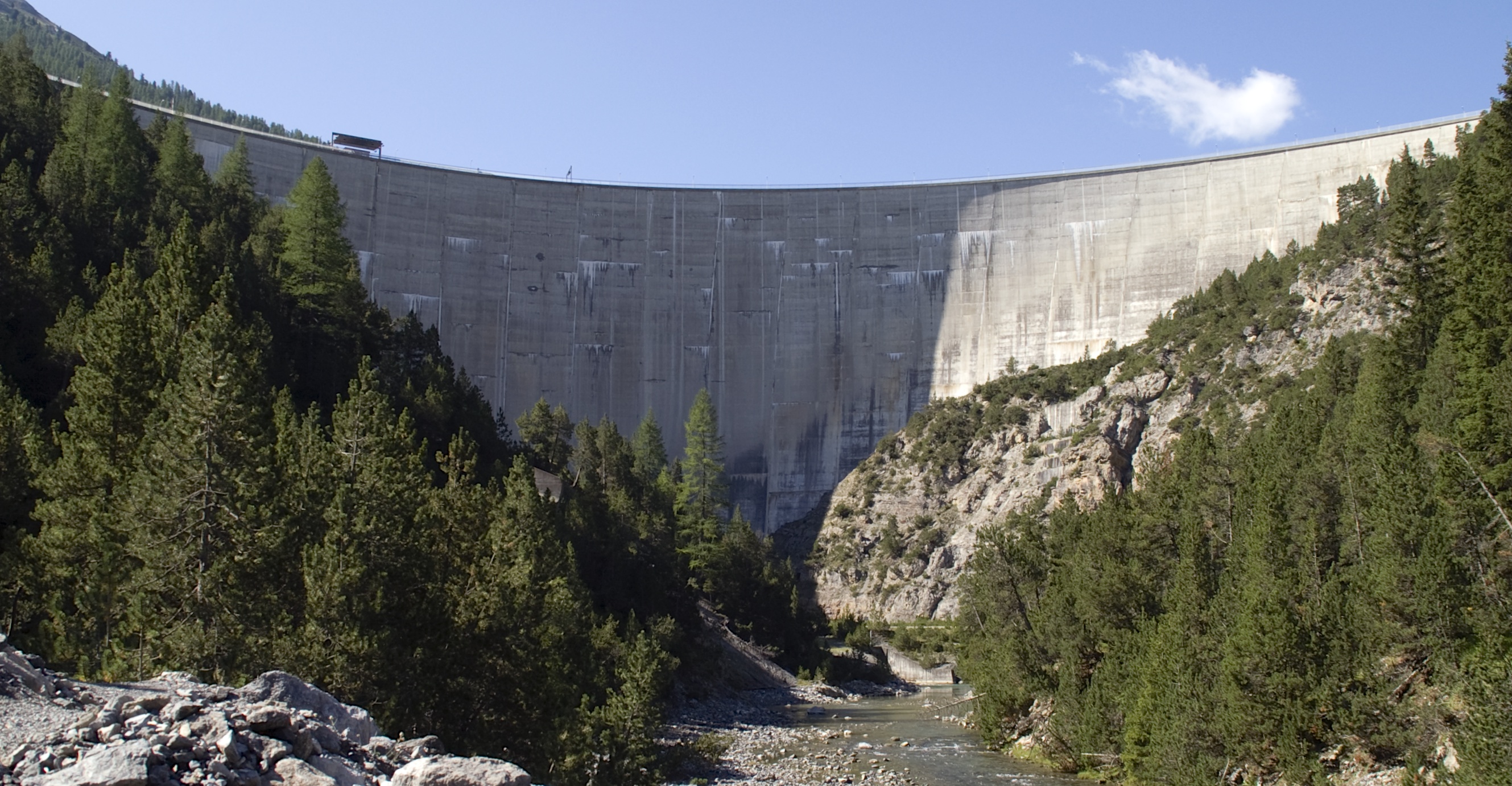
Diga del Punt dal Gall – Italy’s Majestic Alpine Dam
If you’re chasing the raw power of the Alps, the engineering marvel of a high‑altitude dam, and the serenity of untouched mountain scenery, look no further than Diga del Punt dal Gall. Nestled in the heart of Livigno, Lombardy, this 130‑metre concrete wall is more than just a hydro‑electric powerhouse – it’s a hidden gem for adventurous travelers seeking off‑the‑beaten‑path experiences in northern Italy.
1. Introduction
Imagine standing at the edge of a crystal‑blue reservoir, the water cascading down a sheer 130‑metre wall that seems to pierce the sky. The wind whistles through alpine pines, and in the distance you can spot the snow‑capped peaks of the Italian Alps and the Swiss border. That’s the feeling you get at Diga del Punt dal Gall, a dam that blends cutting‑edge engineering with the rugged beauty of Lombardy’s high valleys. Whether you’re a photography enthusiast, a hydro‑electric history buff, or simply a lover of dramatic landscapes, this dam offers a uniquely Italian Alpine adventure.
2. About Diga del Punt dal Gall
A Brief History
Built in the latter half of the 20th century, Diga del Punt dal Gall was constructed to harness the power of the Adda River’s headwaters for regional electricity production. Its name—Punt dal Gall—derives from the local Ladin dialect, meaning “the rooster’s point,” a nod to the nearby mountain peak that resembles a rooster’s crest. While exact construction dates are scarce, the dam’s robust concrete arch design reflects the engineering trends of the 1960s‑70s, when Italy invested heavily in Alpine hydro‑electric infrastructure.
Technical Highlights
- Height: 130 m (425 ft) – one of the tallest dams in the Lombardy region.
- Type: Concrete arch dam, built to withstand the immense pressure of alpine runoff.
- Coordinates: 46.623957 N, 10.193340 E – a pinpoint location that places the dam right on the edge of the Italian‑Swiss border.
- Purpose: Primarily hydro‑electric power generation for the surrounding valleys, with secondary roles in flood control and water regulation.
Why It Matters
Beyond its functional role, Diga del Punt dal Gall is a testament to Italy’s commitment to sustainable energy in a fragile mountain environment. The reservoir created by the dam feeds downstream ecosystems, supports local agriculture, and offers a reliable water source for the ski resort town of Livigno. For travelers, the dam represents a rare opportunity to witness a large‑scale engineering project set against an untouched alpine backdrop—something you’ll rarely find in typical tourist guides.
3. How to Get There
By Air
The closest major airports are Milan Malpensa (MXP) and Bergamo Orio al Serio (BGY), both roughly 200 km away. From either airport, rent a car and follow the A4 motorway to Brescia, then take the SS 301 toward Tirano. The drive from Milan to Livigno takes about 3 hours, depending on traffic and weather.
By Train
Take a Trenord or Trenitalia train to Tirano, a charming town on the edge of the Valtellina valley. From Tirano, you can catch a regional bus (Line 30) that runs directly to Livigno. The train‑to‑bus combo is a scenic alternative, letting you soak in the valley’s vineyards and rolling hills before the ascent into the Alps.
By Car
If you prefer the freedom of a road trip, drive to Livigno via the SS 301 and the Passo del Foscagno (Foscagno Pass). The pass sits at 2,291 m and is open year‑round, though winter conditions can be icy—carry snow chains in the colder months. Once in Livigno, follow the local signs toward the Punt dal Gall area; the dam is situated a few kilometers north of the town center, near the Adda River.
Public Transport Tips
- Bus Schedule: The Livigno‑to‑Punt dal Gall shuttle runs only a few times daily in summer; check the Livigno Mobilità website for up‑to‑date timetables.
- Taxi Services: Local taxis can be hired for a round‑trip, but expect higher rates during peak ski season.
4. Best Time to Visit
| Season | Highlights | Weather & Conditions |
|---|---|---|
| Late Spring (May‑June) | Snow melt fills the reservoir, creating vibrant turquoise hues. Ideal for early‑season hikers. | Mild temperatures (10‑18 °C); occasional rain showers. |
| Summer (July‑September) | Long daylight hours, clear skies, and lush alpine meadows. Best for photography and picnics. | Warm days (15‑25 °C), cool evenings. Perfect for trekking. |
| Early Autumn (October) | Golden foliage contrasts with the deep blue water; fewer crowds. | Crisp air (5‑12 °C); occasional early snowfall at higher elevations. |
| Winter (December‑March) | Snow‑covered dam offers a dramatic, almost surreal landscape. Great for winter photography. | Cold (‑5 to 5 °C); road access may require chains or snow tires. |
Pro tip: The dam’s viewpoint is most accessible from late May through early October, when the access road is clear of snow. If you’re visiting in winter, check local road reports and be prepared for limited parking.
5. What to Expect
The Visual Experience
Approaching Diga del Punt dal Gall, the first thing that strikes you is its sheer scale. The concrete arch rises dramatically from the valley floor, its curved face reflecting the sky like a polished mirror. Below, the reservoir stretches out, its surface shimmering with shades of emerald, sapphire, and sometimes a striking turquoise when glacial meltwater mixes with the lake.
Visitor Facilities
- Viewpoint Platform: A modest wooden platform sits a few hundred metres from the dam’s base, offering unobstructed views of the structure and the surrounding peaks.
- Interpretive Signage: Small panels explain the dam’s history, its role in hydro‑electric production, and the local flora and fauna.
- Parking: A small lot near the viewpoint accommodates up to 30 cars; during peak summer weekends, arrive early to secure a spot.
Activities
- Photography: The contrast between the massive concrete wall and the delicate alpine scenery makes for stunning shots—especially at sunrise or sunset when the light paints the dam golden.
- Hiking: Trails radiate from the dam, linking to the Alta Via dei Monti and the Livigno‑Sondrio trekking routes. A short hike leads to a panoramic ridge overlooking the entire Adda valley.
- Birdwatching: The reservoir attracts waterfowl such as the Eurasian coot and great crested grebe—perfect for nature lovers.
Atmosphere
There’s a quiet reverence here. The hum of turbines is barely audible, and the only sounds are the wind rustling through pine needles and the occasional splash of water. It’s a place where you can pause, breathe the crisp alpine air, and feel the pulse of both nature and human ingenuity.
6. Nearby Attractions
While Diga del Punt dal Gall is the star, the surrounding area offers several other points of interest that can easily fill a day’s itinerary.
| Attraction | Distance | Country/Region | Why Visit |
|---|---|---|---|
| Ova Spin Damm | 7.1 km | Grisons, Switzerland | A neighboring Swiss dam with striking alpine scenery; perfect for cross‑border photography. |
| Sorgente dell'Adda (Adda Spring) | 9.2 km | Lombardy, Italy | The source of the Adda River; a crystal‑clear spring nestled in a tranquil forest. |
| Local Alpine Springs | ~9.5 km | Lombardy, Italy | Small natural springs offering fresh mountain water—great for a quick refill or a serene stop. |
| Fountain of the Valley | ~9.6 km | Lombardy, Italy | A historic stone fountain that once supplied water to shepherds; ideal for a cultural pause. |
| Mountain Weir | 10.6 km | Lombardy, Italy | An ancient weir showcasing traditional water‑management techniques used by local communities. |
All distances are approximate and measured from the dam’s main viewpoint. For more details, you can explore the linked Wikipedia pages for each site.
7. Travel Tips
- Check Road Conditions – The mountain road to Punt dal Gall can be icy in early spring and late autumn. The Aosta Valley Road Authority website provides live updates.
- Bring Layers – Even in summer, temperatures at 1,800 m+ can drop quickly after sunset. A lightweight insulated jacket is essential.
- Stay Hydrated – While the reservoir looks tempting, the water is not potable. Carry enough bottled water, especially if you plan to hike the surrounding trails.
- Respect the Environment – The dam area is a protected alpine zone. Stick to marked paths, avoid littering, and keep noise to a minimum.
- Photography Gear – A wide‑angle lens captures the dam’s curvature, while a telephoto lens is useful for distant mountain peaks. A tripod is advisable for sunrise/sunset shots.
- Timing Your Visit – Arrive early (before 9 am) during summer weekends to avoid crowds and secure parking.
- Local Cuisine – After exploring, head back to Livigno for a hearty pizzoccheri (buckwheat pasta) or a plate of bresaola—both local Lombard specialties.
- Currency – Livigno is a duty‑free zone, so you’ll find many shops selling goods at reduced prices. Euros are the official currency, but Swiss Francs are accepted in many border cafés.
Final Thoughts
Diga del Punt dal Gall may not appear on the typical Italy travel checklist, but that’s precisely why it deserves a spot on yours. It offers a rare blend of engineering marvel, pristine alpine scenery, and authentic local culture—all within a short drive from the vibrant, duty‑free town of Livigno. Whether you’re chasing the perfect shot, seeking a quiet place to reflect, or simply want to experience the power of Italy’s mountain water, this dam promises an unforgettable adventure.
Pack your hiking boots, charge your camera, and set your GPS to 46.623957 N, 10.193340 E—your Alpine discovery awaits.