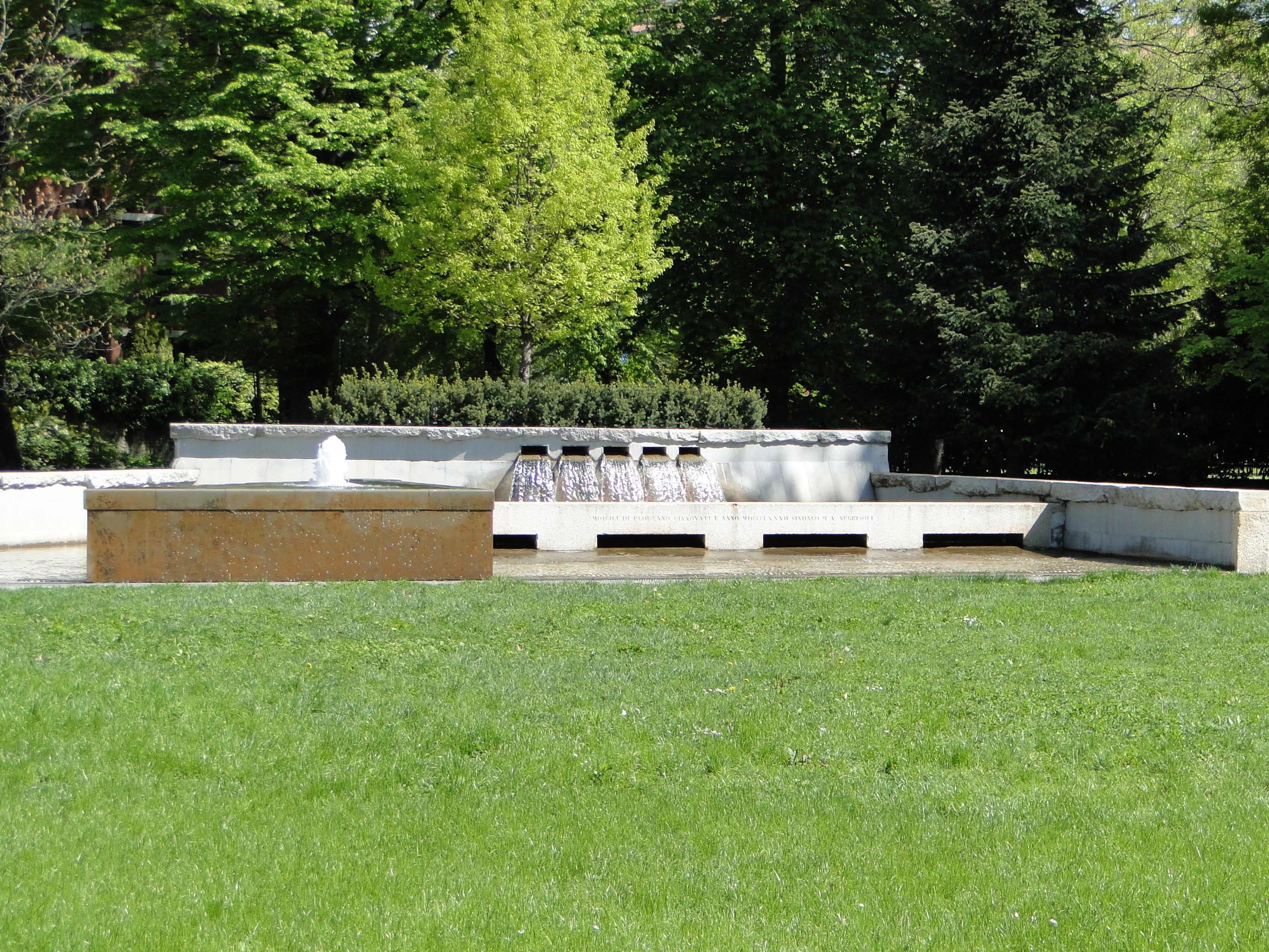
Fontana delle Rogge – Bergamo’s Hidden Water Jewel
If you wander the cobbled streets of Bergamo’s Città Alta and stumble upon a modest stone basin, you’ve just discovered one of Lombardy’s most charming secrets: the Fontana delle Rogge.
This unassuming fountain may not dominate travel brochures, but its centuries‑old history, quiet charm, and central location make it a must‑see for travelers seeking authentic Italian experiences away from the crowds. Below, we’ll explore everything you need to know to make the most of a visit to Fontana delle Rogge—from its storied past to the best time of year to soak up its serene atmosphere.
About Fontana delle Rogge
A Brief Description
Nestled at 45.702322, 9.677208 in the historic heart of Bergamo, the Fontana delle Rogge (Italian for “Fountain of the Water Channels”) is a stone basin fed by an underground spring that has supplied the city with fresh water for centuries. The fountain’s simple, rectangular shape is framed by a low stone parapet, and a modest stone column once supported a bronze basin that has long since been replaced by the present stone one. While its exact height and altitude remain undocumented, the fountain’s modest dimensions perfectly complement the medieval streetscape that surrounds it.
Historical Roots
The Fontana delle Rogge dates back to the Middle Ages, when Bergamo’s growing population required reliable water sources beyond the city walls. The term “rogge” refers to the wooden channels that originally carried water from the nearby Serio River into the city’s interior. Over time, these channels were replaced by stone conduits, and the fountain emerged as a public gathering point for locals fetching water for daily chores.
During the Renaissance, the fountain was renovated under the auspices of the Venetian Republic, which ruled Bergamo from the early 15th to the late 18th century. Decorative elements—now lost to weather and later restorations—once bore the insignia of the Venetian doge, signaling the city’s strategic importance in the region.
In the 19th century, as modern plumbing arrived, the Fontana delle Rogge transitioned from a functional water source to a historic monument. Restoration work in the 1970s preserved the stonework and cleared the surrounding alleyways, allowing visitors today to admire the fountain in a setting that feels frozen in time.
Cultural Significance
For locals, the Fontana delle Rogge is more than a decorative piece; it’s a living reminder of Bergamo’s self‑sufficiency and communal spirit. The fountain often serves as a backdrop for cultural events, such as small acoustic concerts, traditional Bergamasque folk dances, and seasonal festivals celebrating the city’s patron saints. Its presence in the Città Alta (Upper Town) underscores the harmonious blend of utility and artistry that characterizes Lombardy’s historic architecture.
How to Get There
By Air
The nearest major airport is Orio al Serio International Airport (BGY), located about 15 km (9 mi) southeast of Bergamo. From the airport, you can take a direct bus (ATB line 1) to Bergamo’s Piazza Matteotti (the main train station) in roughly 20 minutes.
By Train
Bergamo is well‑connected by rail to Milan, Venice, and Rome. The Bergamo Train Station (Stazione di Bergamo) sits in the lower city (Città Bassa). From there, you’ll need to ascend to the Upper Town where the fountain resides.
By Public Transport
- Funicolare (Funicular Railway): The quickest way to reach Città Alta is the Funicolare di Bergamo. Board at Piazza Matteotti and ride up to Città Alta in about 4 minutes. The funicular stops near Piazza Vecchia, the historic square just a short walk from the fountain.
- Bus: ATB bus line 1 (Bergamo–Città Alta) also climbs the hill, stopping at Piazza del Duomo. From there, follow the signs toward Via delle Rogge.
By Foot
If you’re feeling adventurous, a scenic walk up the Via San Vigilio or Via Gombito offers panoramic views of the surrounding valleys. The climb takes roughly 20‑30 minutes and provides ample photo opportunities of Bergamo’s red‑brick rooftops and terracotta tiles.
Parking
Driving into Città Alta is discouraged due to narrow streets and limited parking. However, several parking garages (e.g., Parcheggio Piazza Matteotti) are available in the lower city, and you can then use the funicular or a short taxi ride to the Upper Town.
Best Time to Visit
Spring (April–June)
Blooming chestnut trees and mild temperatures make spring the most pleasant season for strolling through Bergamo’s historic lanes. The fountain’s stonework glistens under the soft sunlight, and the nearby Parco dei Colli offers fragrant walks that complement your visit.
Autumn (September–October)
Golden foliage blankets the city, creating a warm backdrop for photography. The cooler evenings are perfect for enjoying a caffè at a nearby café while watching locals gather around the fountain for a chat.
Winter (November–February)
While temperatures can dip below freezing, the fountain takes on a magical, almost mystical quality when dusted with a light frost. The Christmas market in Piazza Vecchia adds festive cheer, and fewer tourists mean a more intimate experience.
Summer (July–August)
Summer brings higher temperatures and larger crowds, especially during the Bergamo Summer Festival. If you visit during this period, aim for early mornings or late afternoons to avoid the heat and enjoy quieter surroundings.
What to Expect
Walking up to Fontana delle Rogge, you’ll first notice the gentle sound of water trickling over stone—a soothing contrast to the bustling city beyond. The fountain sits on a small piazza flanked by historic stone houses, their balconies adorned with flowering vines.
Sensory Highlights:
- Sight: The fountain’s simple yet elegant stone basin reflects the sky, creating a miniature mirror that captures the surrounding architecture.
- Sound: The constant murmur of water provides a calming soundtrack, especially appealing after a climb up the hill.
- Touch: Polished stone surfaces invite you to run your fingers along the centuries‑worn edges, feeling the texture of history.
- Smell: In spring and summer, the air carries hints of fresh basil, rosemary, and nearby café espresso, blending culinary aromas with the fountain’s freshness.
You’ll often see locals pausing to fill reusable water bottles, children playing nearby, and artists sketching the scene. The atmosphere is relaxed, offering a perfect spot to pause, reflect, and soak up the authentic rhythm of Bergamo life.
Nearby Attractions
While the Fontana delle Rogge is a highlight in itself, the surrounding area brims with additional points of interest that can easily fill a half‑day itinerary.
| Distance | Attraction | Type | Quick Link |
|---|---|---|---|
| 0.4 km | Fontana del Delfino | Fountain | Wikipedia – Fontana del Delfino |
| 0.8 km | Historic Fountain #1 | Fountain | — |
| 0.8 km | Historic Fountain #2 | Fountain | — |
| 0.9 km | Historic Fountain #3 | Fountain | — |
| 0.9 km | Historic Fountain #4 | Fountain | — |
Must‑See Sites Within Walking Distance
- Piazza Vecchia – The iconic square of Città Alta, framed by the Palazzo della Ragione and the Campanone Tower.
- Basilica di Santa Maria Maggiore – A stunning Romanesque‑Gothic church with a richly decorated interior.
- Cappella Colleoni – The mausoleum of the 15th‑century condottiero Bartolomeo Colleoni, renowned for its intricate marble façade.
- Museo di Scienze Naturali – A small but engaging natural history museum housed in a historic building.
These attractions are all easily reachable on foot, allowing you to weave a seamless cultural tour around the fountain.
Travel Tips
| Tip | Details |
|---|---|
| Wear Comfortable Shoes | The cobblestones of Città Alta can be uneven; sturdy walking shoes will keep you comfortable. |
| Carry a Reusable Water Bottle | You can refill at the fountain—eco‑friendly and refreshing! |
| Visit Early or Late | To avoid crowds, especially during peak tourist season, aim for sunrise or the golden hour before sunset. |
| Check Opening Hours of Nearby Sites | While the fountain is always accessible, museums and churches may close earlier in winter. |
| Bring a Light Jacket | Even in summer, evenings in the Upper Town can be breezy, especially near the water. |
| Respect Local Customs | The fountain is still used by residents; avoid littering and keep noise to a respectful level. |
| Use the Funicolare | It’s not only convenient but also offers spectacular views of Bergamo’s rooftops and surrounding hills. |
| Photography | The best light for photos is early morning or late afternoon when the stone glows warm and shadows add depth. |
| Currency | Italy uses the Euro (€). Most shops accept cards, but small vendors may prefer cash. |
| Language | While Italian is the official language, many locals in the tourism sector speak English. A few Italian greetings (e.g., “Buongiorno” and “Grazie”) go a long way. |
Final Thoughts
The Fontana delle Rogge may not boast towering statues or elaborate mosaics, but its quiet elegance captures the essence of Bergamo’s historic soul. Whether you’re a seasoned traveler seeking off‑the‑beaten‑path gems, a history enthusiast fascinated by medieval water systems, or simply a wanderer looking for a peaceful spot to pause, this modest fountain offers a memorable slice of Lombardy’s rich heritage.
So, lace up your walking shoes, hop on the funicular, and let the gentle splash of Fontana delle Rogge guide you into the heart of Bergamo’s timeless charm. Happy travels!