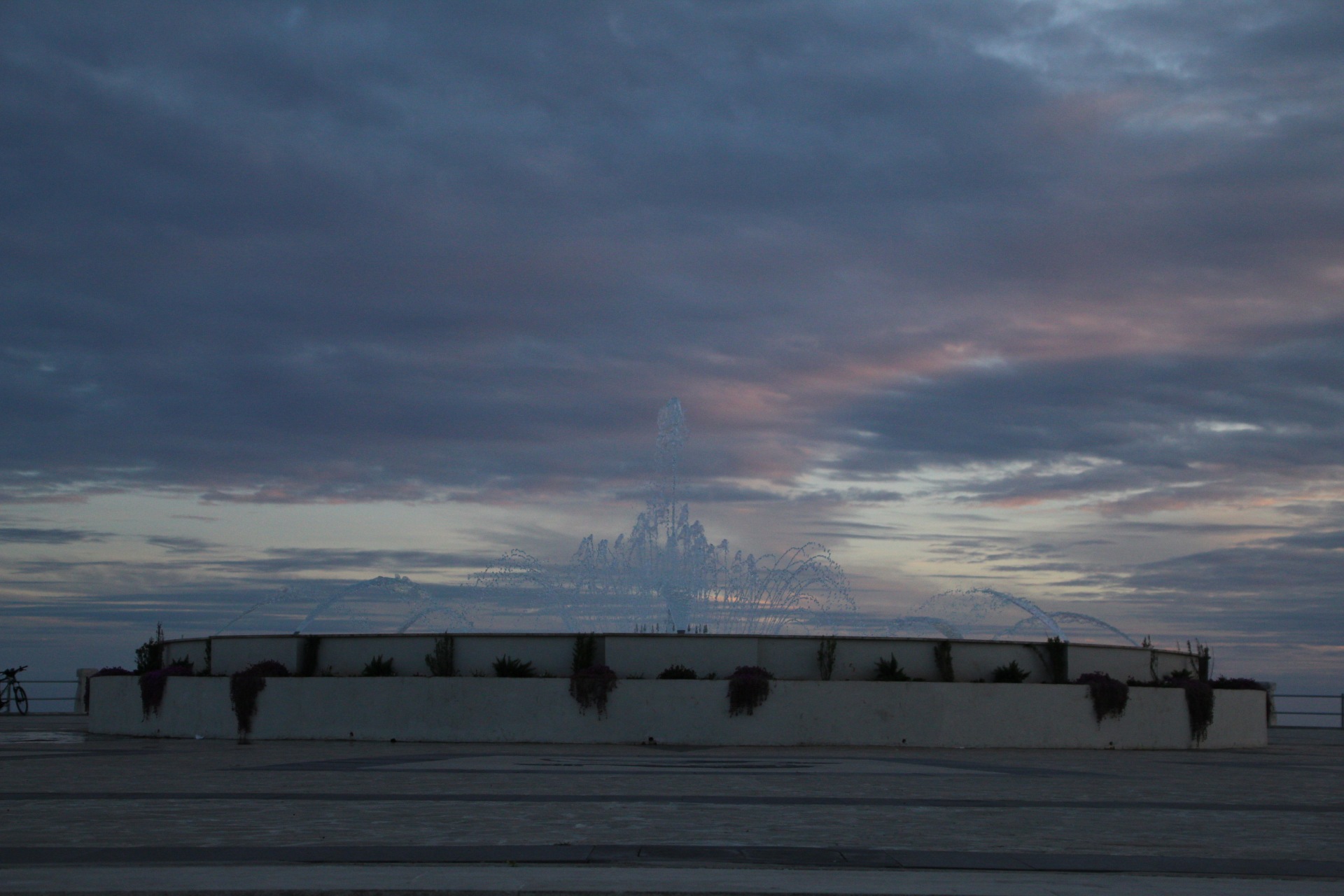
Fontana Zodiaco – The Hidden Zodiac Fountain of Lido di Ostia
Discover a lesser‑known gem on Rome’s seaside, where water, art, and the stars converge.
Introduction
If you think the Eternal City’s most famous sights are limited to the Colosseum, the Vatican, or the Trevi Fountain, think again. A short ride west of central Rome lies Lido di Ostia, a breezy beach district that hides a quiet masterpiece: the Fontana Zodiaco. This modest yet striking fountain, tucked among palm‑lined promenades and salty sea breezes, offers travelers a moment of reflection—literally—under the watchful symbols of the zodiac. Whether you’re a fountain‑enthusiast, a lover of Italian design, or simply hunting off‑the‑beaten‑path photo ops, Fontana Zodiaco deserves a spot on your itinerary.
About Fontana Zodiaco
What is it?
- Name: Fontana Zodiaco (Italian for “Zodiac Fountain”)
- Type: Public fountain ⛲
- Location: Lido di Ostia, Latium, Italy
- Coordinates: 41.714279 N, 12.316930 E
The fountain takes its name from the twelve zodiac signs that decorate its basin and surrounding stonework. While the exact height and altitude remain undocumented, the design’s clean lines and subtle reliefs create a harmonious dialogue between water and sky—perfect for a seaside setting.
A Brief History
The Fontana Zodiaco is catalogued on the Italian Wikipedia page for Fontana dello Zodiaco (Roma), confirming its official status as part of Rome’s network of municipal fountains. Though specific construction dates are scarce, the fountain reflects the 20th‑century Italian tradition of integrating functional water sources with artistic motifs. Its zodiac theme aligns with a period when public art often borrowed celestial symbolism to evoke timelessness and community identity.
Why It Matters
- Cultural Significance: Like many Roman fountains, Fontana Zodiaco is more than a decorative piece; it’s a functional source of drinking water historically provided to locals and travelers alike.
- Architectural Charm: The subtle zodiac carvings set it apart from the more grandiose fountains of central Rome, offering a quieter, contemplative experience.
- Community Hub: Situated near the promenade, the fountain serves as a meeting point for joggers, families, and tourists soaking up the Ostian sun.
How to Get There
By Train
- Rome Termini → Ostia Lido – Board the Roma–Lido railway (line FL1). Trains run every 15–30 minutes, and the journey takes roughly 35 minutes.
- Disembark at Ostia Lido station, then walk ≈10 minutes west along Via del Mare until you reach the fountain’s coordinates (41.714279, 12.316930).
By Car
- From Central Rome: Take the A91 (Roma‑Ostia) highway southbound. Exit at Ostia Lido and follow Via del Mare toward the coastline. Parking is available in several public lots near the beach promenade.
- From Fiumicino Airport: The drive is about 30 minutes via the A91. Follow signs for “Lido di Ostia” and continue to the waterfront.
By Bus
- ATAC Bus 01/01C runs from the Roma Termini area to Ostia Lido, stopping close to the beach boardwalk. Get off at the “Ostia Lido – Spiaggia” stop and walk a few minutes toward the fountain.
Walking & Biking
The Litoranea Romana bike path stretches along the coast, offering a scenic route for cyclists. If you’re staying at a beachfront hotel, a short stroll (5‑10 minutes) will bring you directly to Fontana Zodiaco.
Best Time to Visit
| Season | Why It Works | Tips |
|---|---|---|
| Spring (Mar‑May) | Mild temperatures, blooming palms, fewer crowds. | Bring a light jacket for early mornings. |
| Summer (Jun‑Aug) | Long daylight hours; the fountain’s water glistens under the sun. | Arrive early (before 10 am) to avoid peak beach crowds. |
| Autumn (Sep‑Nov) | Warm evenings, golden light perfect for photography. | Sunset shots are especially magical with the zodiac motifs illuminated. |
| Winter (Dec‑Feb) | Quiet and contemplative; locals still use the fountain. | Dress warmly; the sea breeze can be brisk. |
Overall, late spring and early autumn strike the best balance between pleasant weather and manageable visitor numbers.
What to Expect
When you approach Fontana Zodiaco, the first thing you’ll notice is the gentle cascade of water flowing over stone basins etched with the twelve zodiac signs—Aries, Taurus, Gemini, and so on. The sound of the water blends with distant waves, creating a soothing soundtrack that invites you to pause.
- Photographic Appeal: The clean geometry of the fountain, combined with the backdrop of the blue Adriatic, makes for striking photos. Try a low angle to capture the zodiac carvings against the sky.
- Refreshment: The fountain still supplies clean, drinking water—a tradition dating back to ancient Roman aqueducts. Feel free to fill a bottle.
- Atmosphere: Families often gather nearby for picnics, while joggers use the promenade for warm‑up stretches. The vibe is relaxed, making it a perfect spot for a coffee break or a quick meditation session.
If you linger, you’ll also hear the occasional chatter of locals discussing the day’s catch at nearby fish markets—adding an authentic slice of Ostian life to your visit.
Nearby Attractions
While Fontana Zodiaco is a highlight on its own, the surrounding area offers several other points of interest that can easily fill a half‑day itinerary:
-
Fontana delle Sirene – A 1934 fountain designed by engineer Angiolo Mazzoni, located 3.8 km away. Its mythic mermaid motifs contrast nicely with the zodiac theme.
Learn more about Fontana delle Sirene → -
Other Local Fountains – A cluster of historic and modern fountains lie within a 5‑km radius, each reflecting different eras of Roman public art. Though not all have dedicated Wikipedia pages, they’re worth spotting while strolling the promenade.
-
Lido di Ostia Beach – Just steps from the fountain, the sandy beach offers sunbathing, volleyball courts, and seaside cafés.
-
Museo Archeologico di Ostia Antica – A short bus ride inland, this museum showcases artifacts from the ancient port city of Ostia, giving context to the region’s long relationship with water.
-
Parco dei Castelli Romani – For nature lovers, the rolling hills and vineyards of the Castelli Romani are a scenic drive away, perfect for a day‑trip from the coast.
Travel Tips
| Tip | Details |
|---|---|
| Bring a reusable water bottle | The fountain provides fresh drinking water, so you can stay hydrated while reducing plastic waste. |
| Sun protection | Even on cloudy days, the Mediterranean sun can be intense. Pack sunscreen, a hat, and sunglasses. |
| Cash for small purchases | Many beachside kiosks and small cafés prefer cash, especially for snacks or gelato. |
| Check train schedules | The FL1 line runs less frequently on Sundays and holidays; plan accordingly to avoid long waits. |
| Respect the site | While the fountain is public, avoid climbing on the stonework and keep the area clean. |
| Photography etiquette | If other visitors are in your shot, ask politely before snapping close‑up photos. |
| Local cuisine | After visiting the fountain, try the coda alla vaccinara (oxtail stew) at a nearby trattoria for an authentic Roman flavor. |
| Language | Basic Italian phrases (“Buongiorno”, “Per favore”) go a long way; many locals speak English, especially in tourist areas. |
Wrap‑Up
Fontana Zodiaco may not dominate travel guide headlines, but its quiet charm, celestial design, and seaside setting make it a must‑see for anyone exploring Lido di Ostia or the broader Latium region. Pair it with a stroll along the promenade, a dip in the Adriatic, and a visit to the nearby Fontana delle Sirene, and you’ll experience a slice of Roman life that’s both historic and refreshingly contemporary.
Ready to chase the stars and the sea? Pack your camera, hop on the FL1, and let the zodiac waters of Fontana Zodiaco guide your Ostian adventure. Safe travels!
Keywords: Fontana Zodiaco, Lido di Ostia fountain, Rome fountains, zodiac fountain Italy, things to do in Ostia, travel to Latium, Italian seaside attractions, hidden gems Rome, public fountains Italy, how to get to Fontana Zodiaco.