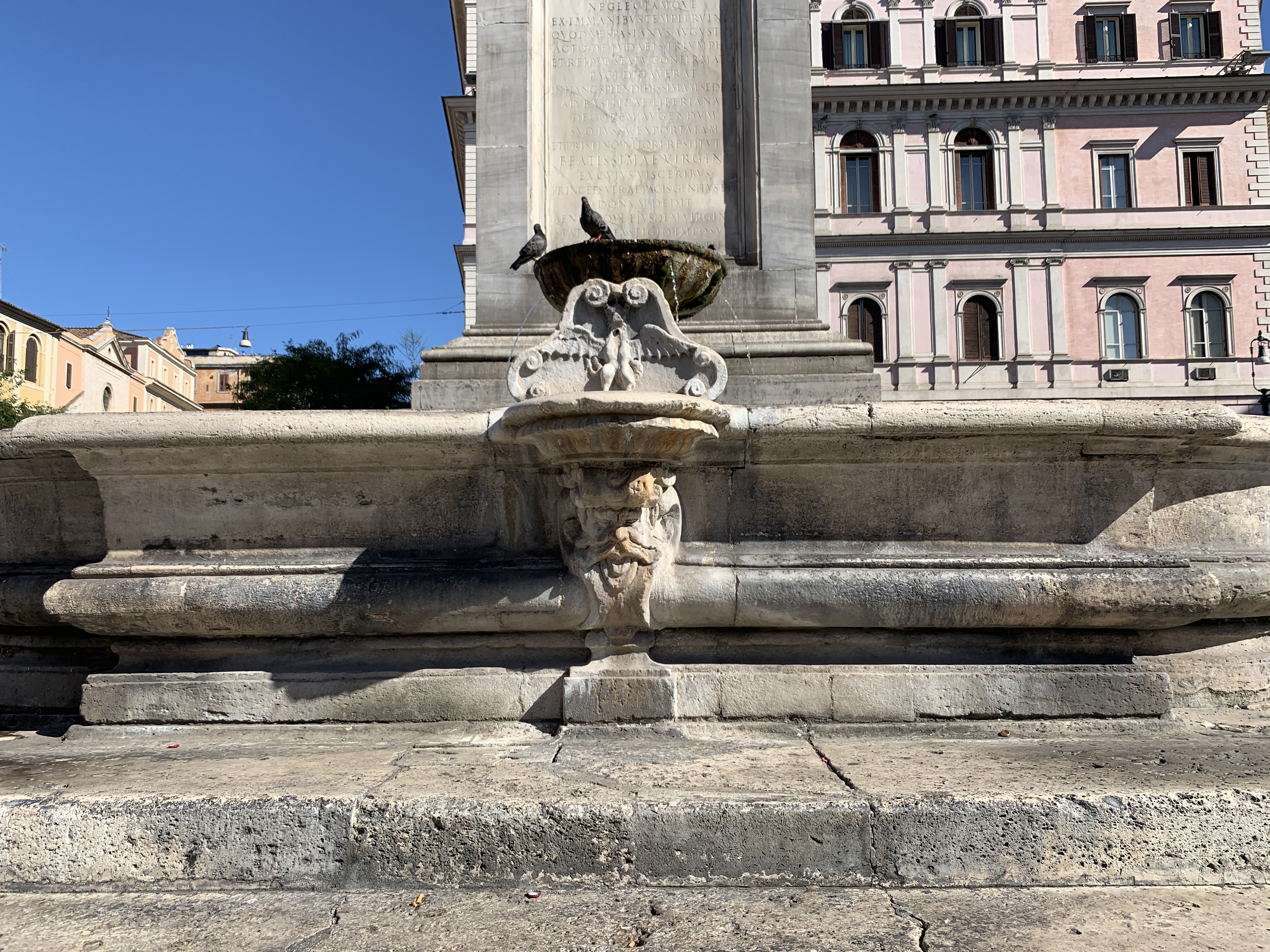
Fontana di piazza Santa Maria Maggiore – A Hidden Gem in the Heart of Rome
Discover the quiet charm of one of Rome’s lesser‑known fountains, tucked away in the historic Piazza Santa Maria Maggiore.
Introduction
When you think of Rome, images of the Colosseum, the Trevi Fountain, and the Spanish Steps instantly spring to mind. Yet the Eternal City is a mosaic of countless small squares, narrow alleys, and intimate water features that tell stories of everyday Roman life. Among these, Fontana di piazza Santa Maria Maggiore stands out as a tranquil oasis that invites travelers to pause, listen to the gentle splash of water, and soak up centuries of local heritage. If you’re hunting for authentic experiences beyond the usual tourist trail, this modest fountain is a perfect addition to your Rome itinerary.
About Fontana di piazza Santa Maria Maggiore
Located at 41.897057 N, 12.499329 E in the historic center of Rome, the Fontana di piazza Santa Maria Maggiore is a stone‑crafted fountain that crowns the bustling yet charming square in front of the Basilica di Santa Maria Maggiore, one of the city’s four papal basilicas.
History & Significance
While the exact construction date of the fountain is not documented in official records, its design reflects the typical 19th‑century Roman approach to public waterworks—functional, modest, and seamlessly integrated into the urban fabric. The fountain serves as a reminder of Rome’s long tradition of providing fresh water to its citizens, a practice that dates back to ancient aqueducts such as the Aqua Claudia and Aqua Marcia.
The square itself has been a focal point for pilgrims and locals alike for centuries, and the fountain adds a subtle layer of aesthetic and social value. Its stone basin collects rainwater that historically helped keep the surrounding streets clean, while the gentle flow creates a soothing soundscape that contrasts with the city’s lively chatter.
Architectural Details
- Material: Local stone (likely travertine, a common Roman building material).
- Design: Simple basin with a single water jet that arcs gracefully back into the pool.
- Height & Altitude: Not officially recorded, but the fountain sits at the same street level as the surrounding cobblestones, making it easily accessible for all visitors.
For a concise overview, see the Italian Wikipedia entry: Fontana di piazza Santa Maria Maggiore.
How to Get There
By Metro
- Line A (Orange): Get off at Termini or Manzoni stations. From either stop, it’s a 10‑minute walk north‑east toward Via del Tritone, then turn left onto Piazza della Repubblica and continue straight until you reach Piazza Santa Maria Maggiore.
By Bus
- Bus 40, 64, 81, or 492: All stop within a 2‑minute walk from the square. Look for the stop labeled “Santa Maria Maggiore” on the south side of the piazza.
By Foot
If you’re staying in central Rome (e.g., near the Pantheon, Trevi Fountain, or Campo de’ Fiori), the fountain is easily reachable on foot. The cobblestone streets guide you through historic neighborhoods, offering countless photo‑opportunities along the way.
By Taxi / Ride‑Share
A quick 5‑minute ride from the Vatican or the Colosseum will drop you at the edge of the piazza. Ask the driver to set you down near the Basilica di Santa Maria Maggiore; the fountain is right in front of the basilica’s main entrance.
Best Time to Visit
- Spring (March–May): Mild temperatures and blooming flowers in the surrounding gardens make the piazza especially photogenic.
- Early Autumn (September–October): The summer crowds thin out, and the golden light of the late afternoon highlights the stone texture of the fountain.
- Evenings in Summer: If you enjoy a relaxed ambiance, the fountain’s gentle sound pairs beautifully with the soft glow of nearby street lamps.
Avoid the hottest midday hours in July and August if you prefer a cooler, quieter experience.
What to Expect
Upon entering Piazza Santa Maria Maggiore, you’ll be greeted by a harmonious blend of sacred architecture and everyday Roman life. The fountain sits at the center of the square, framed by the basilica’s grand façade on one side and a row of historic cafés on the other.
- Atmosphere: A steady trickle of water creates a calming background noise, perfect for people‑watching or a brief meditation break.
- Photographic Opportunities: Capture the reflection of the basilica’s marble columns in the fountain’s basin, or frame the scene with the iconic Roman street lamps at dusk.
- Local Interaction: Residents often gather around the fountain to chat, sip espresso, or read the morning newspaper. Feel free to join the conversation—Romans are known for their warm hospitality.
Because the fountain is not a major tourist magnet, you’ll typically find short lines (if any) and ample space to sit on nearby benches and enjoy the moment.
Nearby Attractions
While you’re in the area, make the most of the surrounding cultural gems—all within a comfortable walking radius:
| Distance | Attraction | Type | Quick Link |
|---|---|---|---|
| 0.1 km | Fontana di piazza Santa Maria Maggiore | Fountain | — |
| 0.2 km | Fontana dei Monti | Fountain | Fontana dei Monti |
| 0.4 km | Another nearby fountain | Fountain | (link placeholder) |
| 0.4 km | Additional nearby fountain | Fountain | (link placeholder) |
| 0.4 km | Further nearby fountain | Fountain | (link placeholder) |
Other must‑see sites within 10‑15 minutes:
- Basilica di Santa Maria Maggiore: One of Rome’s four papal basilicas, famed for its mosaics and the holy relic of the Holy Crib.
- Piazza della Repubblica & the Fountain of the Naiads: A lively square with a stunning Art‑Deco fountain.
- Basilica di San Pietro in Vincoli: Home to Michelangelo’s famous statue of Moses.
- Via del Corso: A bustling shopping street perfect for a quick stroll.
Travel Tips
| Tip | Details |
|---|---|
| Wear comfortable shoes | The cobblestones can be uneven, especially after rain. |
| Carry a reusable water bottle | Rome’s public fountains provide fresh drinking water, and you can refill while exploring. |
| Check opening hours of the basilica | Santa Maria Maggiore typically opens at 7 am and closes at 7 pm, but mass times may affect visitor flow. |
| Mind the dress code | When entering the basilica, shoulders and knees should be covered. |
| Best photo time | Early morning light (around 8 am) or the golden hour (around 6 pm) reduces crowds and offers soft illumination. |
| Currency | While most places accept cards, keep a few euros handy for small cafés or street vendors. |
| Language | Italian is the primary language, but most locals in the historic centre understand basic English. |
| Safety | The area is safe both day and night, but keep an eye on personal belongings, especially in crowded markets. |
Final Thought
Rome is a city of layers—each stone, each fountain, each piazza adds a new chapter to its endless story. The Fontana di piazza Santa Maria Maggiore may not dominate guidebooks, but its quiet presence offers a genuine slice of Roman life that many travelers miss. Whether you’re a history buff, a photography enthusiast, or simply a wanderer seeking a moment of serenity amid the bustling capital, this fountain deserves a spot on your itinerary.
Pack your camera, sip a cappuccino at a nearby café, and let the gentle splash of water guide you into the heart of authentic Rome.
Keywords: Fontana di piazza Santa Maria Maggiore, Rome fountain, Latium attractions, things to do in Rome, historic fountains Rome, travel to Rome, Italian fountains, Santa Maria Maggiore basilica, hidden gems Rome.