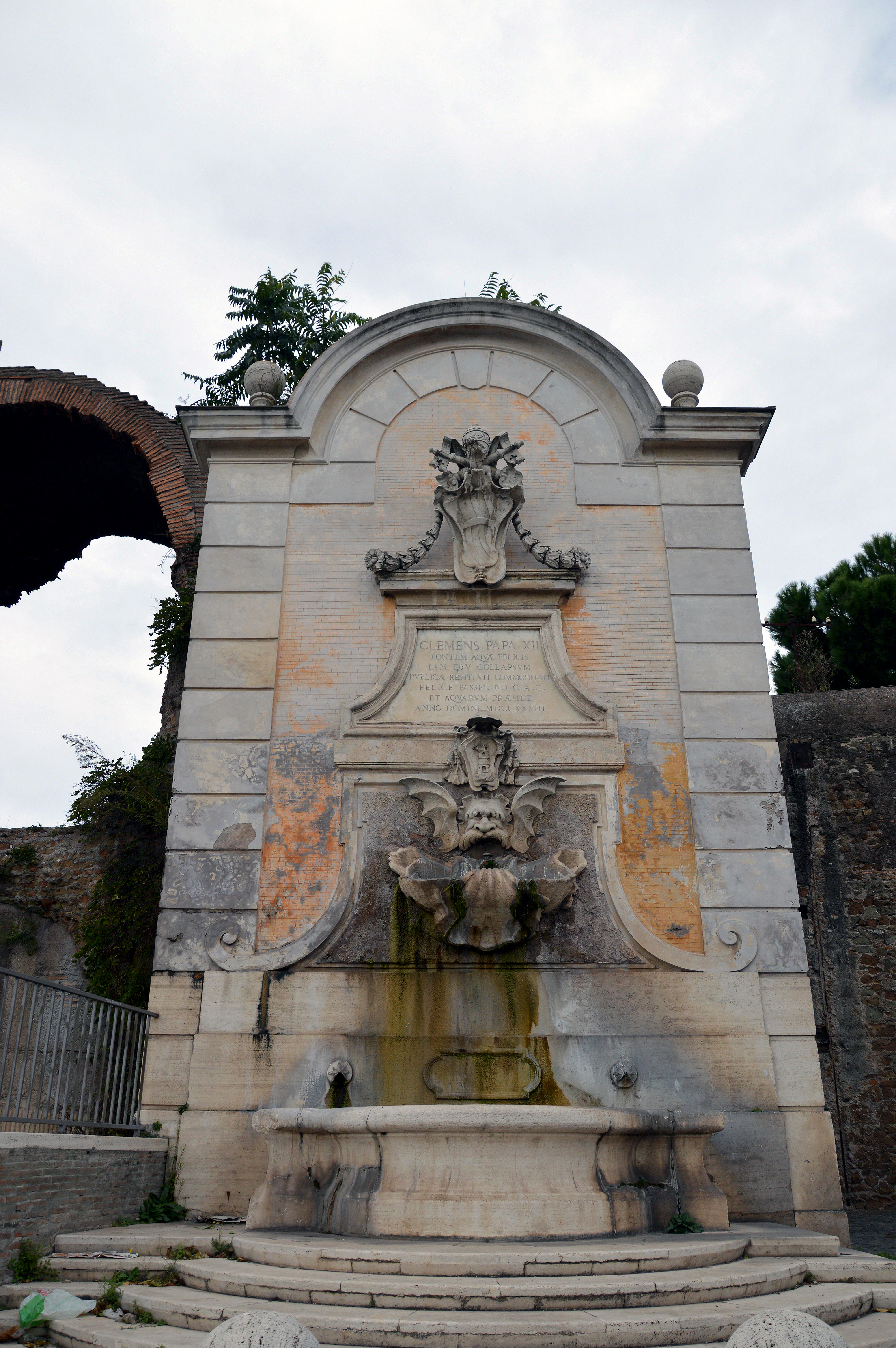
Fontana di Clemente XII – Rome’s Hidden Baroque Jewel
If you think you’ve seen every fountain Rome has to offer, think again. Nestled just beyond the bustling Porta Furba, the Fontana di Clemente XII is a quiet masterpiece that whispers stories of papal ambition, engineering marvels, and Baroque elegance. In this guide we’ll uncover its history, show you how to reach it, and reveal the best moments to soak in its serene charm.
1. Introduction
Rome is a city of fountains—each stone basin a page in the Eternal City’s grand narrative. While the Trevi and the fountains of Piazza Navona dominate guidebooks, the Fontana di Clemente XII remains a well‑kept secret for travelers who crave authentic, off‑the‑beaten‑path experiences. Situated in the Latium region at coordinates 41.866849, 12.542024, this modest yet historically rich fountain sits beside the ancient Porta Furba gate, offering a perfect pause from the tourist crowds. Whether you’re a history buff, an architecture enthusiast, or simply a curious wanderer, the fountain promises a glimpse into Rome’s layered past—without the usual throngs of visitors.
2. About Fontana di Clemente XII
A Brief Description
The Fontana di Clemente XII is a stone basin fed by the historic Acquedotto Felice, a water conduit commissioned by Pope Sixtus V in 1585. The fountain’s design is simple: a rectangular basin framed by modest pilasters, crowned with a modest cornice that once bore the papal coat of arms. Although its exact height and altitude remain undocumented, the structure’s proportions convey the restrained elegance typical of early‑Baroque civic works.
Historical Highlights
| Year | Event |
|---|---|
| 1585 | Pope Sixtus V orders the construction of the Acquedotto Felice and the original fountain to supply water to the Porta Furba district. |
| 1733 | Pope Clemente XII commissions a restoration and enlargement—likely overseen by the renowned architect Luigi Vanvitelli—giving the fountain its present Baroque detailing. |
| Present | The fountain stands as a testament to Rome’s continuous investment in public water supply and urban beautification. |
The involvement of Luigi Vanvitelli, famed for the Royal Palace of Caserta, adds an extra layer of prestige. While definitive archival proof is scarce, stylistic analysis suggests Vanvitelli’s hand in the 1733 enhancements, particularly the refined stonework and balanced proportions.
Cultural Significance
- Urban Utility: The fountain was part of a broader papal program to bring clean water to Rome’s growing neighborhoods. It exemplifies how art and infrastructure merged in the Counter‑Reformation era.
- Papal Patronage: Both Sixtus V and Clemente XII used public fountains to showcase their benevolence, reinforcing the image of the pope as a caretaker of the city’s welfare.
- Architectural Transition: The fountain straddles the late Renaissance and early Baroque periods, making it a valuable study piece for architecture students and enthusiasts alike.
For a deeper dive, consult the Swedish‑language Wikipedia entry: Fontana di Porta Furba.
3. How to Get There
By Public Transport
| Mode | Details |
|---|---|
| Metro | Take Line A (orange line) to San Giovanni station. From there, walk south‑west along Via di Porta Furba for about 10‑12 minutes. |
| Bus | Bus routes 23, 30, and 46 stop at Porta Furba (stop name: Porta Furba/Via Ostiense). The fountain is a short 2‑minute walk from the bus stop. |
| Tram | The Tram 8 line passes near San Giovanni; alight at San Giovanni – Via Ostiense and continue on foot. |
By Car or Bike
- Driving: From the city centre, follow signs to Via Ostiense and then Via di Porta Furba. Limited street parking is available on side streets; a pay‑and‑display meter typically applies. |
- Bicycle: Rome’s growing network of bike lanes makes the ride from the historic centre (≈ 3 km) pleasant. Use the BikeMi stations near San Giovanni for a hassle‑free rental. |
Walking Directions
If you’re staying in the Trastevere or Campo de’ Fiori neighborhoods, a scenic 30‑minute stroll will take you past the Basilica di San Giovanni in Laterano, down Via di San Giovanni, and onto Via di Porta Furba—the exact spot where the fountain greets you.
4. Best Time to Visit
| Season | Why It Works |
|---|---|
| Spring (April‑June) | Mild temperatures (15‑22 °C) and blooming gardens make the surrounding streets photogenic. Fewer tourists than the summer peak. |
| Early Autumn (September‑October) | Warm days, cooler evenings, and the golden light of the Roman “golden hour” enhance the stone’s texture. |
| Weekday Mornings | Arriving before 10 am ensures a tranquil atmosphere; the fountain’s water is at its freshest after overnight circulation. |
Avoid the midday heat of July‑August if you prefer a comfortable walk, as the nearby streets can become quite warm and crowded.
5. What to Expect
When you step onto Via di Porta Furba, the Fontana di Clemente XII immediately draws your eye with its steady, rhythmic flow. The water, sourced from the historic Acquedotto Felice, creates a gentle murmur that blends with the soft chatter of locals. Unlike the grandiose theatrics of the Trevi, this fountain offers an intimate, contemplative setting:
- Quiet Ambience: The surrounding residential blocks keep the area relatively quiet, allowing you to hear the water and the occasional church bells.
- Architectural Details: Look for the subtle pilasters, the faint papal insignia (if still visible), and the stone’s weathered patina that tells centuries of rain and sunshine.
- Photographic Opportunities: Position yourself at the basin’s edge for a low‑angle shot that captures the water’s motion against the stone backdrop. Early morning or late afternoon light adds a warm glow.
You’ll also notice the Porta Furba gate nearby—a 2nd‑century Roman gate that later became a medieval entrance. The juxtaposition of ancient gate, Baroque fountain, and modern city life creates a unique tableau that epitomizes Rome’s layered history.
6. Nearby Attractions
While the Fontana di Clemente XII is a destination in itself, the surrounding Latium neighborhood offers several other points of interest within a short walk:
| Distance | Attraction | Why Visit |
|---|---|---|
| 1.3 km | Fountain near Via Ostiense (1.3 km) | A modest 19th‑century fountain tucked behind a historic market. |
| 1.4 km | Fountain near San Giovanni (1.4 km) | Features a small bronze statue of a saint—great for quick photo stops. |
| 1.6 km | Fountain near Via di San Giovanni (1.6 km) | Surrounded by a lively café scene; perfect for a coffee break. |
| 1.7 km | Fountain near Via di Porta Furba (1.7 km) | An elegant 18th‑century work with intricate stone carvings. |
| 1.7 km | Fountain near the Basilica di San Giovanni in Laterano (1.7 km) | Located just outside the basilica’s cloister, offering a serene setting. |
Bonus Spot: The Basilica di San Giovanni in Laterano, Rome’s cathedral and the Pope’s official ecclesiastical seat, lies only a 20‑minute walk away. Pair your fountain visit with a tour of the basilica’s stunning mosaics and the adjacent Scala Santa (Holy Stairs).
7. Travel Tips
| Tip | Details |
|---|---|
| Bring a reusable water bottle | The fountain’s water is not for drinking, but you’ll thank yourself for staying hydrated while exploring the neighborhood. |
| Wear comfortable shoes | The cobblestone streets around Porta Furba can be uneven. |
| Check opening hours of nearby churches | Many churches open early (7 am) and close around 7 pm; they’re worth a quick interior visit. |
| Mind the traffic | While the area is quieter than central Rome, scooters and delivery vans frequent the narrow streets—stay alert when crossing. |
| Capture the moment | Use a polarizing filter or HDR mode on your smartphone to reduce glare on the water’s surface. |
| Local eateries | Try the trattoria “Da Gino” on Via di Porta Furba for authentic Roman pasta; it’s a short 3‑minute walk from the fountain. |
| Safety | The neighborhood is safe during daylight. As with any city, keep an eye on belongings in crowded bus stops. |
| Language | Basic Italian phrases (“Buongiorno”, “Grazie”) go a long way; locals appreciate the effort. |
Final Thought
The Fontana di Clemente XII may not appear on the typical tourist checklist, but that’s exactly why it belongs on yours. It offers a quiet window into Rome’s engineering genius, papal patronage, and Baroque artistry—all set against a backdrop of everyday Roman life. So next time you find yourself wandering the streets of Latium, step off the main thoroughfares, follow the sound of water, and let this hidden fountain add a splash of unexpected wonder to your Roman adventure.
Happy travels, and may every fountain you discover bring you a little closer to the heart of Rome!