Fontana del Tritone – Rome’s Baroque Masterpiece You Can’t Miss
If you think you’ve seen every iconic fountain in Rome, think again. Nestled in the heart of the city’s historic center, the Fontana del Tritone (Triton Fountain) is a dazzling blend of art, mythology, and engineering that captures the spirit of Baroque Rome. Whether you’re a first‑time visitor or a seasoned traveler, this fountain deserves a spot on your itinerary.
1. Introduction
Imagine stepping onto a bustling Roman piazza and hearing the soft splash of water against marble, while a bronze sea‑god blows his conch shell, sending a spray of crystal‑clear water into the sky. That’s the experience awaiting you at the Fontana del Tritone, one of Gian Lorenzo Bernini’s most celebrated works. Located at 41.903662, 12.488479 in the vibrant district of Rome, Latium, the fountain is not just a photo‑op backdrop—it’s a living piece of history that has been delighting locals and travelers for nearly four centuries.
2. About Fontana del Tritone
A Baroque Treasure
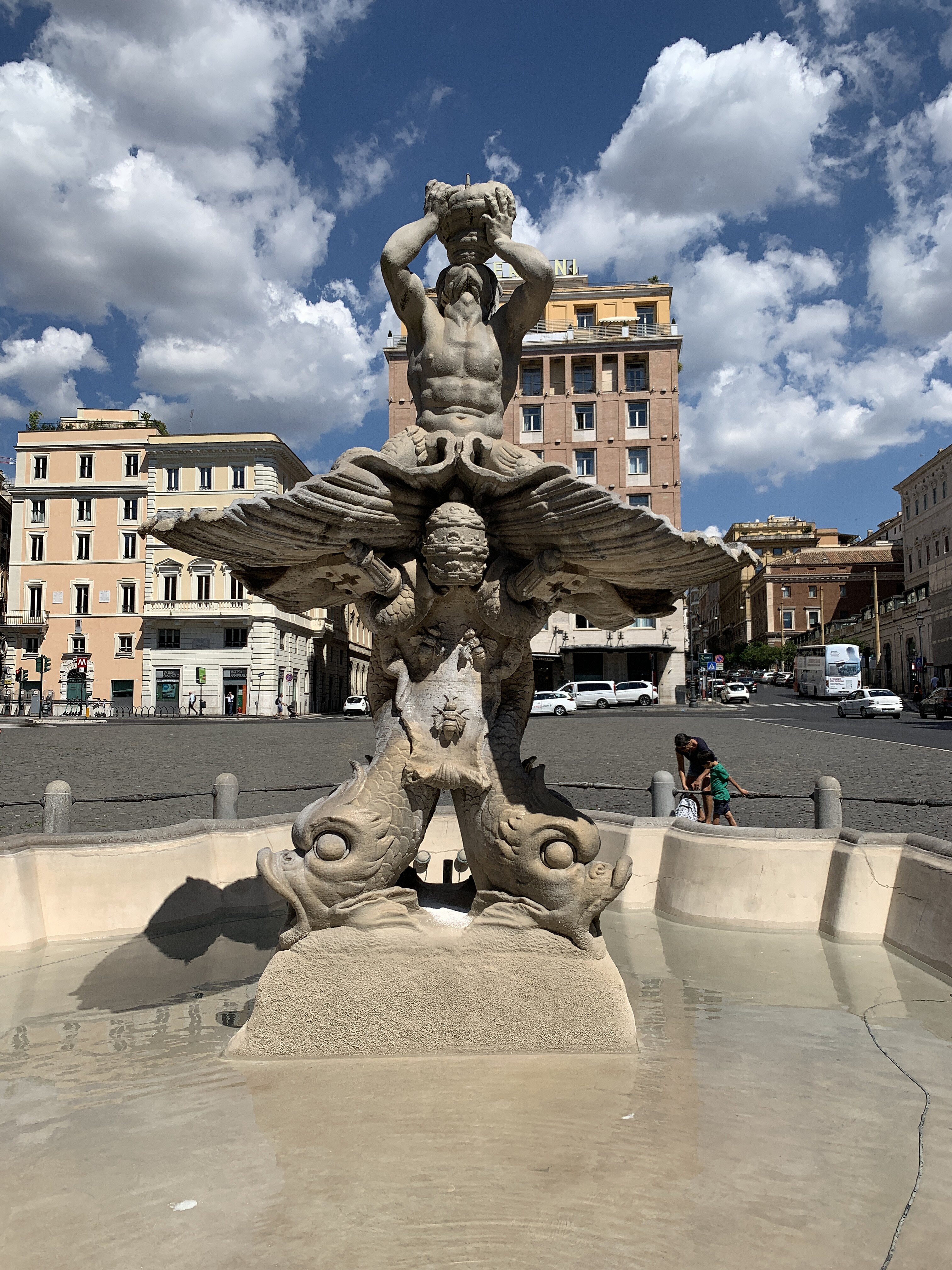
The Fontana del Tritone was commissioned by Pope Urban VIII in 1642 as part of an urban renewal plan for the newly created Piazza Barberini. The mastermind behind the sculpture is none other than Gian Lorenzo Bernini, the genius who defined the Roman Baroque style.
The fountain’s centerpiece is a muscular Triton, the mythological son of Poseidon, poised on a massive shell. With one hand, he clutches a conch that he blows like a trumpet, while the other supports the shell that serves as a basin for the cascading water. The dynamic pose captures movement and drama—hallmarks of Bernini’s work—making the fountain appear alive, as if the sea god is commanding the waters of Rome itself.
Historical Significance
Beyond its artistic brilliance, the Fontana del Tritone symbolizes the power of the Barberini family and the papacy’s ambition to modernize Rome’s public spaces. By placing a striking fountain at the intersection of Via del Corso and Via Veneto, the Barberini family turned a previously nondescript crossroads into a celebrated urban landmark.
Over the centuries, the fountain has survived wars, earthquakes, and the wear of countless tourists, yet it remains a pristine example of 17th‑century Roman engineering. Its water system, fed by the ancient Aqua Virgo aqueduct, still operates using the same gravity‑driven principles that powered Rome’s fountains since antiquity.
3. How to Get There
By Metro
- Line A (Red Line) – Get off at Spagna station. The fountain is a short 5‑minute walk north, across the iconic Spanish Steps.
- Line B (Blue Line) – Alight at Termini and transfer to Line A, then follow the same route.
By Bus
- Bus 61, 70, 81, 87 – All stop at Piazza Barberini, right in front of the fountain.
On Foot
If you’re staying in the historic center (e.g., near the Pantheon, Trevi Fountain, or Piazza Navona), the Fontana del Tritone is within a comfortable 10‑15 minute stroll. Follow Via del Corso eastward; the fountain sits at the junction with Via Veneto, marked by a small square and a bronze plaque.
By Bike / Scooter
Rome’s growing network of bike lanes makes a quick ride to the fountain easy. Many rental services (e.g., Mobike, Bird) have docking stations near the Piazza del Popolo area—just a few minutes away.
4. Best Time to Visit
| Season | Why Visit | Tips |
|---|---|---|
| Spring (March–May) | Pleasant temperatures (15‑22 °C) and blooming gardens nearby make for perfect photo lighting. | Arrive early (7–8 am) to avoid crowds. |
| Summer (June–August) | Long daylight hours let you admire the fountain’s sparkling water at sunset. | Bring a reusable water bottle; the city can be hot. |
| Autumn (September–November) | Soft golden light enhances the bronze tones of the Triton. | Ideal for a leisurely coffee at a nearby café after your visit. |
| Winter (December–February) | Fewer tourists, and the fountain’s water takes on a serene, almost mystical quality. | Dress warmly; the area can be windy. |
Peak hours are typically 10 am–12 pm and 3 pm–5 pm, when tour groups converge. For a quieter experience, aim for early morning or late evening.
5. What to Expect
Visual Delight
The Fontana del Tritone is a masterpiece of contrast: the dark bronze of the Triton against the bright marble of the surrounding plinth, the gentle spray of water catching the Roman sun, and the bustling city life forming a lively backdrop. The fountain’s design encourages you to walk around it, viewing the sculpture from multiple angles—each revealing subtle details, such as the intricate curls of the Triton’s hair and the delicate ripples on the shell’s surface.
The Soundtrack
Beyond sight, the fountain offers an auditory treat. The water’s gentle murmur blends with the ambient chatter of locals, street musicians, and occasional clinking of espresso cups from nearby cafés. The overall atmosphere feels both grand and intimate—a perfect spot for people‑watching or a quick pause during a day of sightseeing.
Photo Opportunities
- Close‑up of the Triton’s face – Capture the intensity of his expression.
- Wide shot of Piazza Barberini – Include the fountain, surrounding architecture, and passing traffic for a dynamic composition.
- Nighttime glow – The fountain is illuminated after dark, creating a magical, reflective surface.
6. Nearby Attractions
While you’re in the area, make the most of your time by exploring these nearby fountains and historic sites (all within a 0.3 km radius).
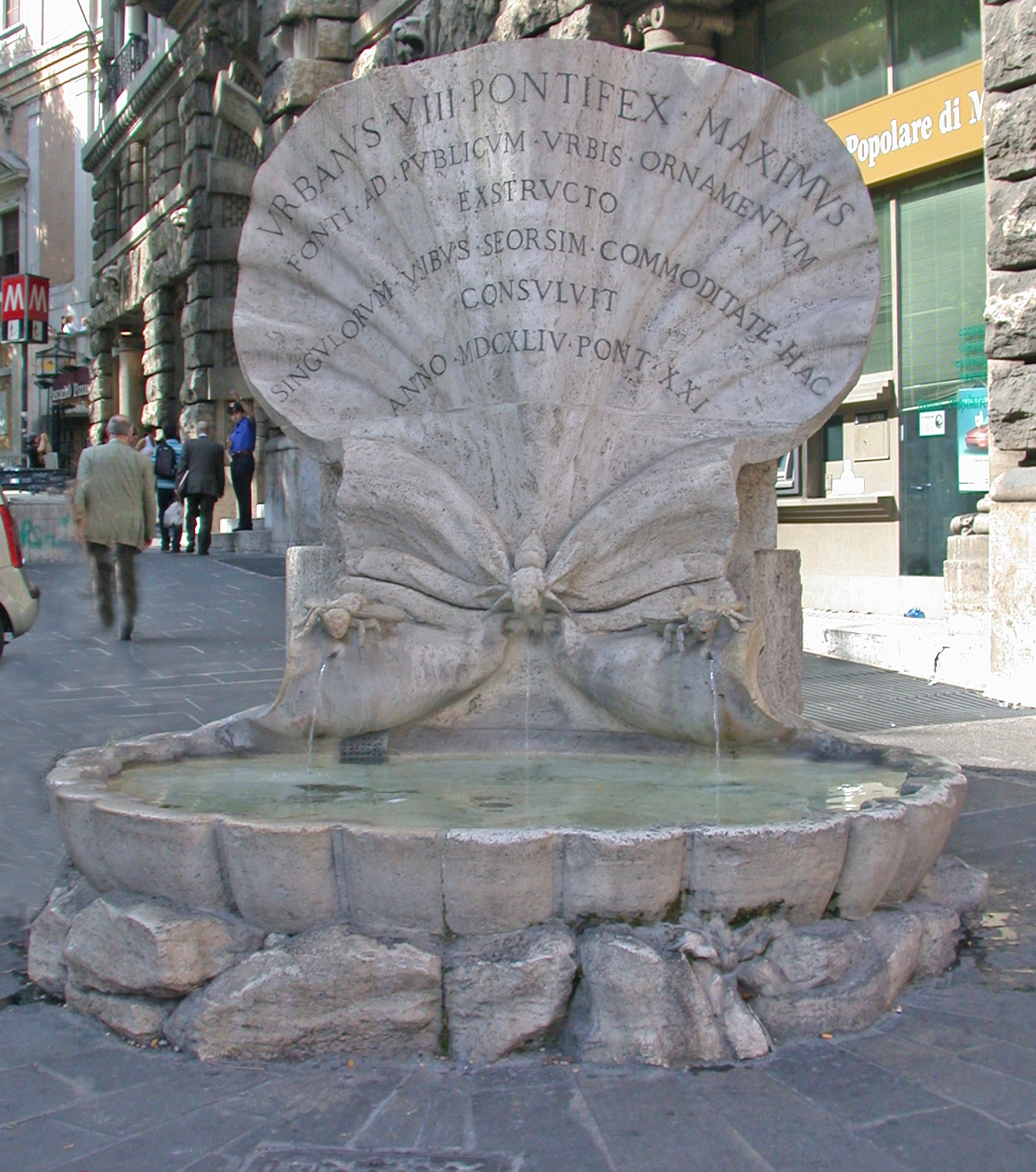
- Fontana delle Api – Just 0.1 km away, this smaller fountain features a playful bee motif and offers a quiet spot to rest.
- Giunone Fountain – 0.3 km away, dedicated to the Roman goddess Juno, this elegant fountain showcases classical motifs.
- Diana Fountain – Also 0.3 km away, celebrating the huntress goddess Diana with graceful statues and flowing water.
Other must‑see sites within walking distance:
- Piazza Barberini – The square surrounding the fountain, lined with historic palazzos and boutique shops.
- Via del Corso – Rome’s main shopping artery, perfect for a post‑visit stroll.
- Spanish Steps & Trinità dei Monti – A 5‑minute walk north, ideal for a classic Roman photo.
7. Travel Tips
| Tip | Details |
|---|---|
| Dress comfortably | Cobblestone streets can be uneven; wear sturdy shoes. |
| Stay hydrated | Rome’s climate can be hot, especially in summer. Carry a refillable bottle. |
| Respect the fountain | No climbing or touching the bronze sculpture—preserve its condition for future visitors. |
| Combine with a coffee break | Several cafés line Via Veneto; enjoy an espresso while admiring the fountain. |
| Use a guide app | Apps like Rick Steves Audio Europe or Rome2rio provide audio commentary on Bernini’s works. |
| Check opening hours | The fountain is public 24/7, but surrounding shops may have varying schedules. |
| Mind your belongings | Tourist hotspots can attract pickpockets; keep bags zipped and wallets in front pockets. |
| Consider a guided tour | Small-group tours often include insider stories about the Barberini family and Bernini’s techniques. |
| Photography etiquette | Flash is generally allowed, but be courteous to other visitors and avoid blocking foot traffic. |
Final Thoughts
The Fontana del Tritone is more than a decorative water feature; it’s a living testament to Rome’s artistic heritage, papal ambition, and timeless allure. Whether you’re snapping a quick selfie, studying Bernini’s sculptural genius, or simply pausing to listen to the water’s whisper, this fountain adds a splash of Baroque brilliance to any Roman adventure.
So, next time you find yourself wandering the streets of Rome, let the Triton’s conch guide you to Piazza Barberini—and discover why this fountain remains one of the Eternal City’s most beloved hidden gems.
Happy travels, and may the water always be crystal clear!