Fontana Celimontana – Rome’s Hidden Fountain Gem
Discover the quiet charm of Fontana Celimontana, a lesser‑known fountain that offers a peaceful pause in the heart of Rome’s historic Latium district.
Introduction
When you think of Rome, you probably picture the Colosseum, the Trevi Fountain, or the bustling piazzas of Trastevere. Yet the Eternal City hides dozens of intimate water features that whisper stories of centuries past. One such secret is Fontana Celimontana, a modest yet captivating fountain tucked away near the ancient Celian Hill. If you’re craving an off‑the‑beaten‑path experience that still feels unmistakably Roman, this fountain should be on your itinerary. Its tranquil setting, historic surroundings, and proximity to other charming fountains make it a perfect spot for photographers, history buffs, and anyone looking to escape the tourist crowds for a few moments of serenity.
About Fontana Celimontana
A Brief Description
- Type: Fountain ⛲
- Location: Rome, Latium, Italy
- Coordinates: 41.887224, 12.497763
- Height / Altitude: Not documented (the fountain blends naturally with its surroundings)
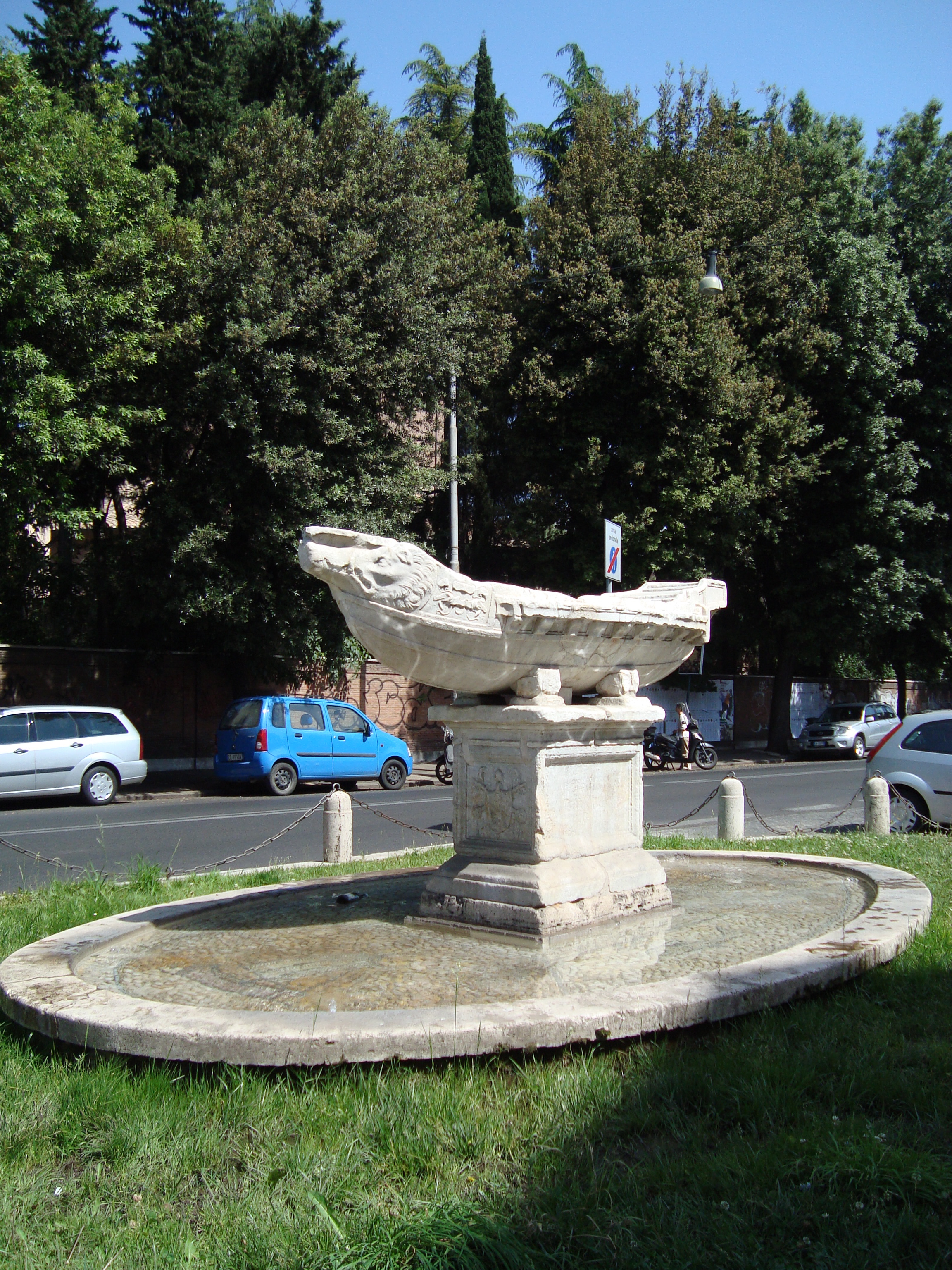
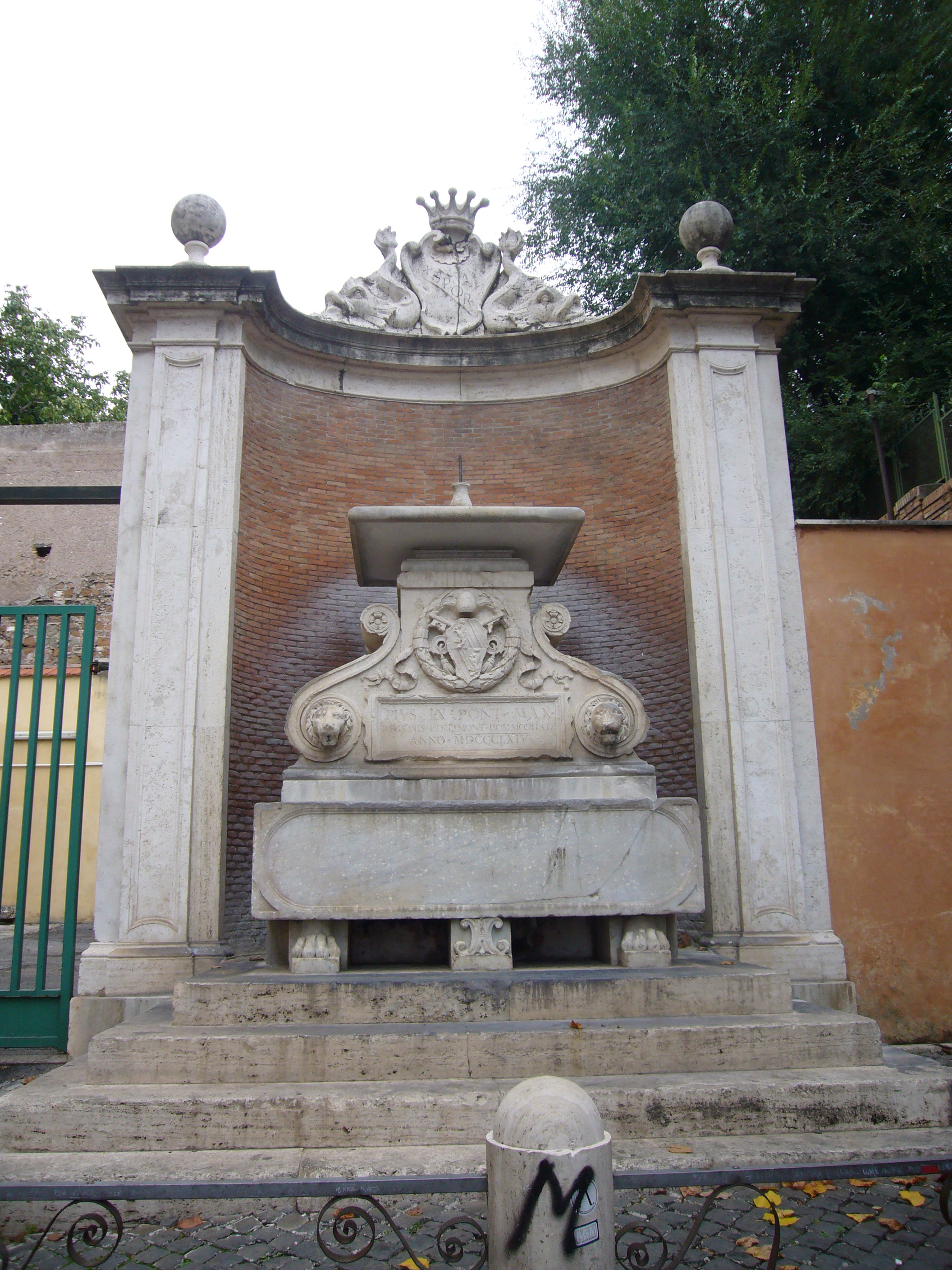
Fontana Celimontana sits at the foot of the Celian Hill (Monte Celio), an area once dotted with ancient Roman temples and later transformed into a residential quarter during the Renaissance. The fountain’s design is typical of Roman public waterworks: a stone basin fed by a modest water jet, surrounded by a low stone balustrade that invites passersby to linger. While the exact date of construction isn’t recorded, the fountain reflects the Baroque tradition of integrating water, stone, and light—a hallmark of Rome’s historic fountains.
Historical Significance
Although specific archival records are scarce, the fountain’s location tells a story of continuity. The Celian Hill was a strategic military site in antiquity and later became a fashionable residential area for Roman aristocracy. Public fountains like Fontana Celimontana were essential in supplying clean water to neighborhoods before modern plumbing. Over the centuries, these fountains evolved from purely utilitarian structures into social hubs where locals gathered, exchanged news, and enjoyed a brief respite from the city’s heat.
The name “Celimontana” simply means “of the Celian Hill,” linking the fountain forever to the historic topography of Rome. Its presence today serves as a living reminder of the city’s dedication to preserving functional art—a tradition that continues in Rome’s many iconic fountains.
How to Get There
By Public Transport
| Mode | Line / Route | Approx. Time | Notes |
|---|---|---|---|
| Metro | Line A – Termini → Cavour (stop) | 10 min walk | Exit toward Via Cavour, then head east toward the hill. |
| Bus | Bus 30 (Piazza Venezia ↔ Trastevere) | 5 min walk from stop Piazza della Repubblica | The bus passes near the fountain’s vicinity. |
| Tram | Tram 8 (Piazza Venezia ↔ Casaletto) | 7 min walk from stop Piazza della Repubblica | A scenic ride that drops you close to the historic center. |
By Foot
If you’re already exploring central Rome—perhaps after a visit to the Colosseum or the Roman Forum—Fontana Celimontana is a pleasant 15‑minute walk. From the Colosseum, head north along Via dei Fori Imperiali, turn left onto Via Cavour, and continue uphill. The gentle incline offers wonderful views of the city’s rooftops and the distant dome of St. Peter’s Basilica.
By Car / Taxi
Driving in Rome’s historic center is challenging due to ZTL (Limited Traffic Zones). If you must use a car, park in a public garage near Piazza della Repubblica and walk the remaining distance. A taxi from the city center typically costs €8‑€10 and drops you off within a few minutes of the fountain.
Best Time to Visit
| Season | Why It Works | Tips |
|---|---|---|
| Spring (March‑May) | Mild temperatures, blooming gardens nearby, fewer crowds than summer. | Wear comfortable shoes; the early morning light is perfect for photos. |
| Early Autumn (September‑October) | Warm but not scorching; the golden hour highlights the stonework. | Bring a light jacket for cooler evenings. |
| Winter (December‑February) | The fountain takes on a quiet, almost magical atmosphere; local life continues while tourists thin out. | Dress warmly; the fountain may be partially frozen, adding a unique visual. |
Avoid the peak midday heat of July and August if you prefer a relaxed visit. The fountain’s water jet is most striking in the soft morning or late‑afternoon light, when reflections dance across the stone basin.
What to Expect
Arriving at Fontana Celimontana feels like stepping into a small, living museum. The fountain is surrounded by narrow cobblestone streets lined with historic apartment buildings, many featuring wrought‑iron balconies and colorful shutters. The water flows at a gentle, soothing pace—ideal for a brief pause to listen to the sound of water mingling with distant church bells.
You’ll often see locals—students, retirees, and families—gathering for a quick chat or to cool their feet on a hot day. The atmosphere is relaxed, offering a genuine slice of Roman daily life far from the tourist‑packed squares. Photographers love the play of light and shadow on the fountain’s stone edges, while history enthusiasts appreciate the sense of continuity that the water represents.
If you’re lucky, you might catch a small street performer or a local vendor selling fresh espresso nearby. The fountain’s modest size makes it an intimate spot for a quiet moment of reflection or a spontaneous photo session.
Nearby Attractions
Fontana Celimontana is part of a cluster of charming water features and historic sites within a short walking radius. Here are the most notable neighbors (distances measured from the fountain):
- Unnamed Fountain – 0.1 km – A small, ornamental fountain just a minute’s walk away, perfect for a quick photo.
- Unnamed Fountain – 0.2 km – Tucked in a quiet courtyard, this fountain adds to the area’s watery ambience.
- Unnamed Fountain – 0.3 km – Another modest water source that contributes to the historic character of the neighborhood.
- Fontana della Navicella – 0.3 km away, this iconic fountain features a ship‑shaped basin and is a favorite among architecture lovers.
- Fontana del Dolmen – Also 0.3 km distant, the Dolmen fountain showcases a unique stone slab design reminiscent of ancient megalithic structures.
Beyond the fountains, the area is a short stroll from Piazza della Repubblica, the historic Basilica di Santa Maria Maggiore, and the Basilica di San Clemente—all worth adding to your itinerary.
Travel Tips
| Tip | Details |
|---|---|
| Bring a reusable water bottle | Many Roman fountains have drinking water taps; you can refill for free. |
| Dress modestly | While the area is casual, you may visit nearby churches; shoulders and knees should be covered. |
| Mind the steps | The approach to the fountain includes a few uneven cobblestones; wear sturdy shoes. |
| Check opening hours of nearby sites | Some churches and museums close early in winter. |
| Use a translation app | Signage around the fountain is primarily in Italian; a quick translation can enrich your experience. |
| Stay alert for pickpockets | Like any central Rome area, keep valuables secure, especially in crowded public transport. |
| Capture the sunrise | The eastern orientation of the fountain makes the early morning light especially beautiful. |
| Respect the space | While it’s a public fountain, avoid climbing on the stone balustrade to preserve the historic fabric. |
Final Thought
Fontana Celimontana may not have the grandeur of the Trevi Fountain, but its quiet elegance, historic backdrop, and authentic Roman atmosphere make it a must‑see for travelers seeking a deeper connection with the city’s past. Pair it with a leisurely stroll through the surrounding streets, sip an espresso at a nearby café, and you’ll experience Rome not as a museum of monuments, but as a living, breathing tapestry of water, stone, and everyday life.
Ready to add this hidden gem to your Rome itinerary? Grab your camera, follow the directions above, and let the gentle flow of Fontana Celimontana refresh your senses.