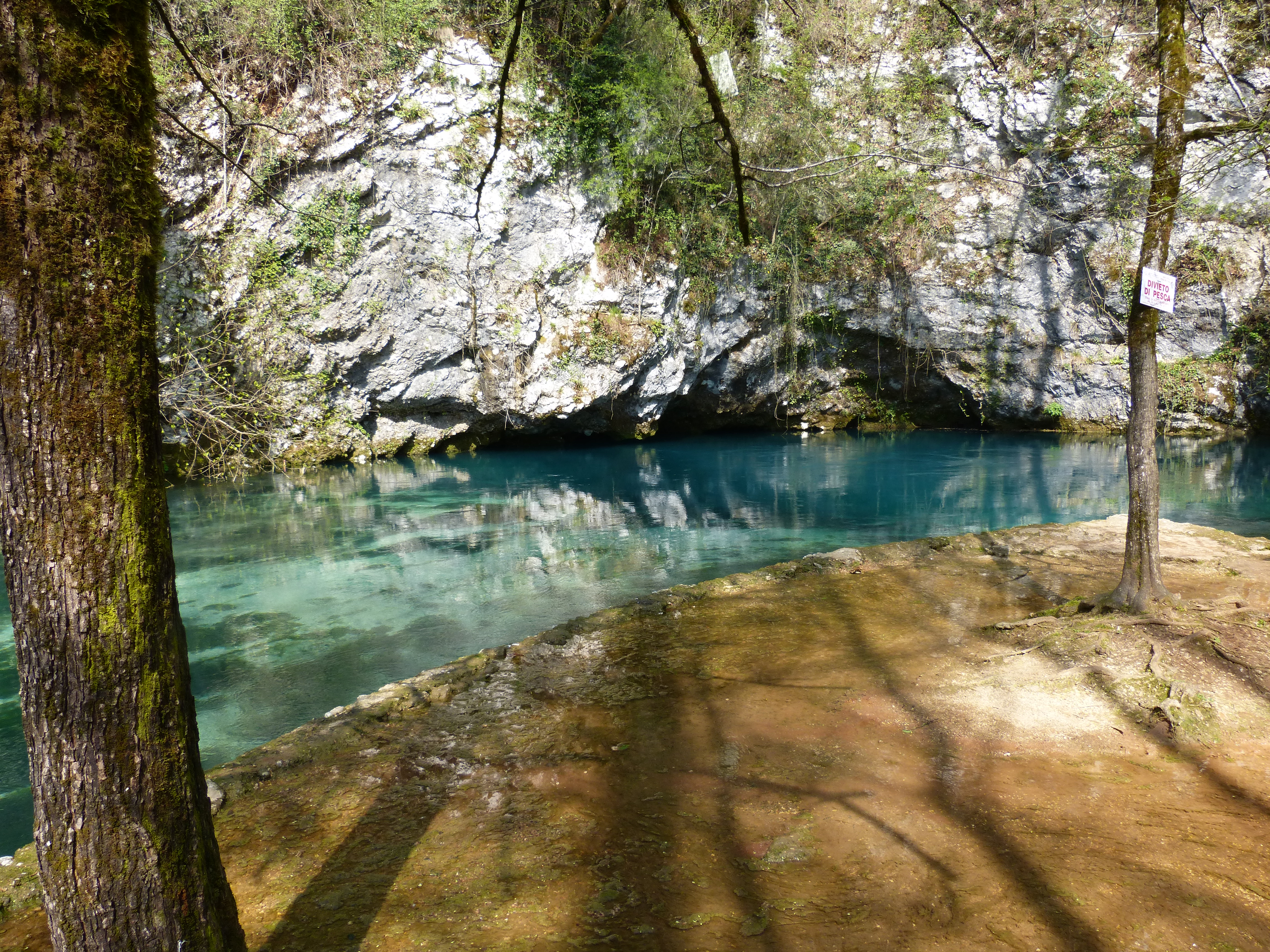
Fiume Livenza – Sorgente del Gorgazzo (Lighintha – RIsultivis dal Gorgaç)
Discover the hidden spring that feeds the legendary Gorgazzo waterfall in Polcenigo, Friuli Venezia Giulia.
1. Introduction
Imagine a crystal‑clear spring bubbling up from the limestone heart of the Carnic Alps, its waters plunging into a dramatic canyon that ends in a thundering cascade. That’s the Sorgente del Gorgazzo, the source of the Fiume Livenza in the charming village of Polcenigo, Friuli Venezia Giulia. While the Gorgazzo waterfall steals most of the headlines, the spring itself—known locally as Lighintha – RIsultivis dal Gorgaç—offers a tranquil, off‑the‑beaten‑path experience for hikers, nature lovers, and anyone chasing the purest Italian water. In this guide we’ll walk you through everything you need to know to make the most of a visit to this hidden gem.
2. About Fiume Livenza – Sorgente del Gorgazzo / Lighintha – RIsultivis dal Gorgaç
A natural wonder
Located at 46.039863 N, 12.496867 E and sitting 47 m above sea level, the spring emerges from a karstic fissure in the limestone plateau that dominates the Polcenigo area. The water is exceptionally clear, cold, and rich in minerals—a perfect illustration of the region’s alpine hydrogeology. From this point the water begins its short but spectacular journey down the Gorgazzo canyon, eventually joining the Fiume Livenza, a river that flows eastward into the Adriatic Sea.
Historical and cultural significance
The spring has been a focal point for locals for centuries. Its name, Lighintha, comes from the ancient Friulian dialect, while RIsultivis dal Gorgaç translates roughly to “the source of the Gorgazzo.” Historically, the spring supplied fresh water to the surrounding villages and served as a natural gathering place for shepherds and farmers. In recent decades, the area has become a favorite spot for hikers exploring the Friulian Dolomites and for photographers chasing the interplay of light on the turquoise water.
Why it matters
Beyond its aesthetic appeal, the spring is a vital part of the local ecosystem. The constant flow maintains the micro‑habitats that support endemic amphibians, insects, and alpine flora. Its pristine water also feeds the Gorgazzo waterfall, one of the most photographed natural attractions in Friuli Venezia Giulia. Protecting the source means preserving an entire cascade of biodiversity and cultural heritage.
3. How to Get There
By car
- From Trieste: Take the A4/E70 westward toward Udine, then exit at Udine Nord and follow the signs for Polcenigo (SS13). The drive is about 90 km (≈1 h 15 min). Parking is available at the Parcheggio Gorgazzo (see Nearby Attractions).
- From Venice: Follow the A4/E70 east to Udine, then the same route as above. Total distance is roughly 130 km (≈1 h 45 min).
By public transport
- Train: Catch a regional train to Udine (Frecciarossa or regional service). From Udine, take a bus line 1 or line 2 toward Polcenigo; the journey takes about 30 minutes.
- Bus: Direct intercity buses run from Trieste and Venice to Udine, where you can transfer to the local Polcenigo service.
Walking & cycling
The spring sits at the start of the Gorgazzo Trail (Sentiero del Gorgazzo), a well‑marked path that can be accessed from the village center. Cyclists can park at the Parcheggio Gorgazzo and ride the gentle, scenic route to the spring. The trail is suitable for all fitness levels, though some sections become rocky after heavy rain.
4. Best Time to Visit
| Season | What to Expect | Why It’s Ideal |
|---|---|---|
| Spring (April‑June) | Snowmelt swells the spring, lush green foliage, blooming wildflowers. | Perfect for photography and comfortable hiking temperatures (10‑20 °C). |
| Summer (July‑August) | Warm weather, longer daylight hours. | Ideal for early‑morning visits before the crowds; water temperature remains cool. |
| Autumn (September‑October) | Golden leaves, lower visitor numbers, crisp air. | The canyon’s colors are spectacular; the spring’s flow steadies after summer droughts. |
| Winter (November‑March) | Possible snow on the trail, quieter landscape. | For the adventurous, a winter visit offers dramatic icy scenery, but check weather and trail conditions. |
Tip: The spring’s flow is strongest in late spring and early autumn, delivering the most dramatic water volume for the downstream waterfall.
5. What to Expect
The sensory experience
- Sight: A narrow, turquoise stream emerges from a rocky fissure, winding through a moss‑covered basin before joining the larger Gorgazzo channel. The surrounding limestone walls are dotted with small ferns and occasional lichens, creating a serene, almost otherworldly tableau.
- Sound: The gentle gurgle of the spring blends with distant bird calls and, farther downstream, the faint roar of the waterfall.
- Touch: The water is icy‑cold year‑round; dipping a hand in offers an instant, refreshing jolt.
- Smell: Fresh, mineral‑laden air tinged with pine and wild herbs.
Trail highlights
- Sentiero del Gorgazzo: A 3‑km loop that starts at the spring, follows the water downstream, and returns via a forested ridge. Signage in Italian and Friulian makes navigation easy.
- Interpretive panels: Along the path, you’ll find information boards detailing the karst geology, local flora, and the cultural history of the spring.
Facilities
- Parking: The Parcheggio Gorgazzo (0.3 km away) offers free parking with a short, well‑marked walk to the spring.
- Restrooms: Basic toilet facilities are available near the parking area.
- Refreshments: No cafés directly at the spring, but the nearby village of Polcenigo hosts several trattorias serving local dishes like frico and cjarsons.
6. Nearby Attractions
While the spring is the star of the show, the surrounding area offers several complementary sights:
-
Parcheggio Gorgazzo (waterfall) – 0.3 km
The parking lot that serves both the spring and the iconic Gorgazzo waterfall. From here you can descend a short staircase to the canyon’s base and witness the water plummeting 50 m into a natural pool.
Visit the Gorgazzo Waterfall on Google Maps -
Local Fountain – 1.1 km
A historic stone fountain located on the outskirts of Polcenigo, perfect for a quick photo stop.
(Link placeholder – add local map link when available) -
Weir #1 – 1.5 km
An old hydraulic weir that once regulated water flow for local mills. It offers a glimpse into the region’s agricultural past. -
Weir #2 – 1.5 km
Another small weir nestled in the forest, ideal for bird‑watching and quiet contemplation. -
Weir #3 – 1.5 km
The third weir along the Livenza’s tributaries, surrounded by a meadow that bursts with wildflowers in spring.
All these sites are reachable on foot or by bike from the spring, making the area perfect for a half‑day or full‑day nature loop.
7. Travel Tips
| Tip | Details |
|---|---|
| Wear proper footwear | The trail includes slippery stones, especially after rain. Sturdy hiking shoes or trekking sandals with good grip are recommended. |
| Bring a water bottle | Although the spring water is drinkable, it’s best to carry your own bottle for convenience and to avoid contaminating the source. |
| Check weather forecasts | The canyon can become hazardous in heavy rain or snow. Local weather apps (e.g., Meteo.it) provide real‑time updates. |
| Respect the environment | Stay on marked paths, avoid picking plants, and pack out any trash. The spring’s clarity depends on minimal human impact. |
| Timing for photos | Early morning light (7‑9 am) creates soft shadows and reduces crowds. Late afternoon offers warm, golden tones on the limestone walls. |
| Combine with local cuisine | After your hike, head to Trattoria Al Cacciatore in Polcenigo for a plate of frico (cheese‑potato pancake) and a glass of Friulano wine. |
| Language help | Signage is bilingual (Italian/Friulian). Knowing a few basic Italian phrases (“Buongiorno,” “Dove è il sentiero?”) will smooth interactions with locals. |
| Accessibility | The short walk from the parking lot to the spring includes a few steps; it is not fully wheelchair‑accessible. |
Final Thoughts
The Sorgente del Gorgazzo may not have the fame of Italy’s grand lakes or coastal cliffs, but its crystal waters, serene setting, and connection to the dramatic Gorgazzo waterfall make it a must‑visit for any traveler exploring Friuli Venezia Giulia. Whether you’re a seasoned hiker, a photography enthusiast, or simply someone who loves to sip fresh spring water in the heart of nature, this hidden spring offers a rewarding, authentic Italian experience. Pack your boots, follow the trail, and let the gentle murmur of the Livenza’s source guide you into one of the most peaceful corners of the Italian Alps.
Happy travels, and may the spring’s pure flow refresh both body and soul!