Fontana della Pigna – Rimini’s Hidden Fountain Gem
Discover the charm of a centuries‑old marble pinecone perched in the heart of Rimini, Emilia‑Romagna.
Introduction
If you picture Rimini, the first images that come to mind are golden beaches, bustling nightlife, and the iconic Arco di Augusto. Yet tucked away just a short stroll from the historic centre lies a quieter, almost secret treasure: Fontana della Pigna. This modest yet striking fountain, crowned by a massive pinecone (“pigna” in Italian), offers a perfect snapshot of Rimini’s layered past and a peaceful pause amid the city’s lively streets. Whether you’re a history buff, a photography enthusiast, or simply a traveler looking for an off‑the‑beaten‑path spot, the Fontana della Pigna deserves a place on your Rimini itinerary.
About Fontana della Pigna
Description
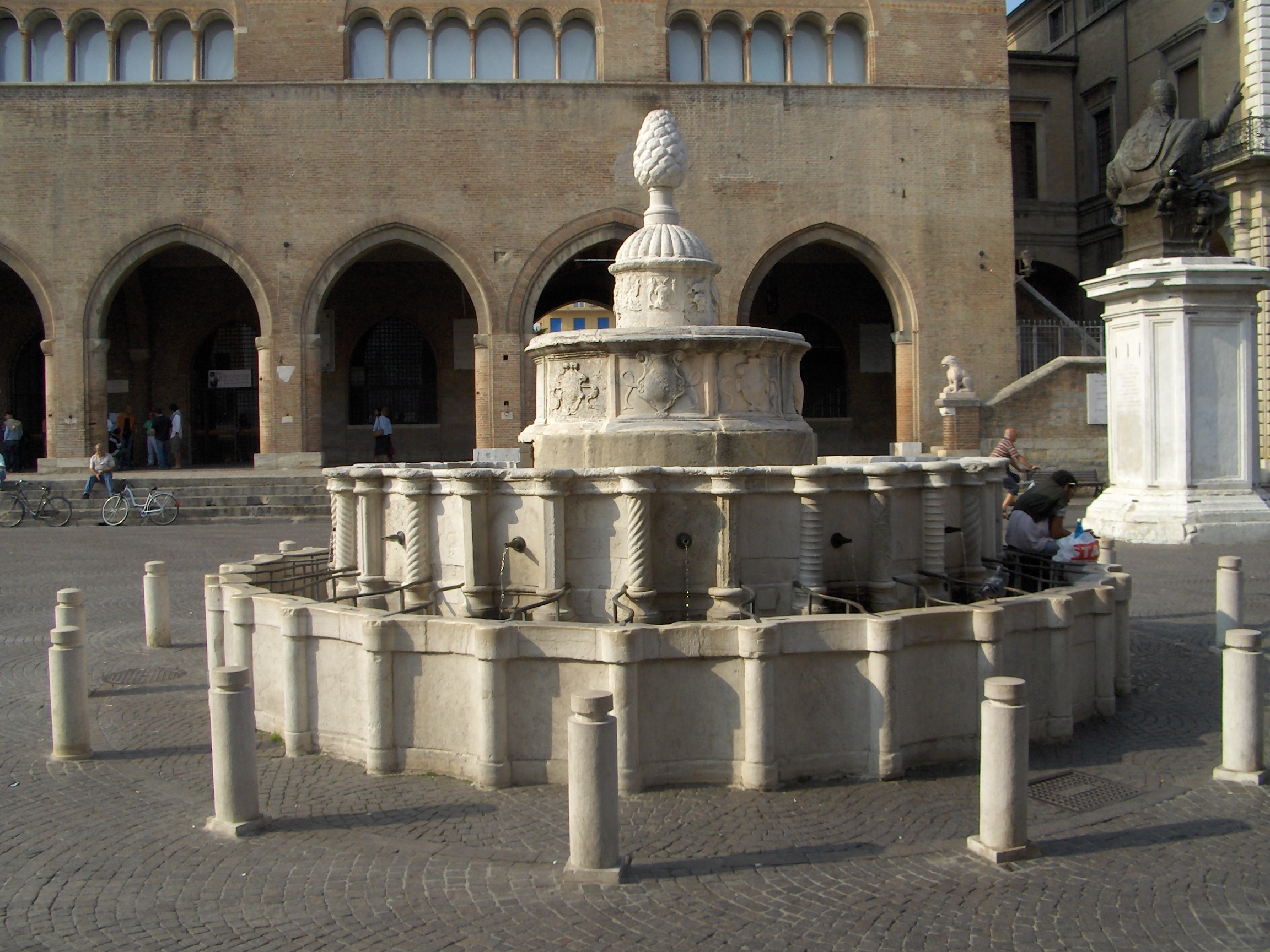
The Fontana della Pigna is a marble fountain built around a large, intricately carved pinecone that serves as its centerpiece. The stonework is simple but elegant, with a shallow basin that collects the gentle flow of water cascading from the pinecone’s tip. The fountain sits on a modest plinth, surrounded by a paved square that invites locals and visitors alike to sit, linger, and soak up the ambience.
History
While the exact construction date of the fountain remains undocumented, its name and design hint at a Renaissance‑era fascination with classical motifs. Pinecones were popular decorative elements in Roman and later Renaissance architecture, symbolising fertility, regeneration, and the eternal cycle of nature. Over the centuries, the fountain has survived wars, urban redevelopment, and the ebb and flow of tourism, retaining its original marble charm.
Significance
Fontana della Pigna is more than just a decorative water feature; it represents Rimini’s commitment to preserving its historic urban fabric. The fountain anchors a small, often‑overlooked piazza that connects several medieval streets, acting as a quiet meeting point for locals. Its presence also underscores the city’s broader narrative of blending historic fountains of Italy with modern life—a hallmark of Emilia‑Romagna’s cultural landscape.
For a deeper dive into the fountain’s background, you can consult the Italian Wikipedia entry: Fontana della Pigna (Rimini).
How to Get There
By Air
The nearest major airport is Rimini Federico Fellini International Airport (RMI), located about 15 km north of the city centre. From the airport, hop on a bus (Line 11) or take a short taxi ride to Piazza Cavour, then walk 5‑10 minutes to the fountain.
By Train
Rimini’s central railway station (Rimini Centrale) is a hub for high‑speed trains from Bologna, Florence, and Milan, as well as regional services along the Adriatic line. Exit the station onto Via Roma, head south toward Via del Mare, and continue straight for roughly 1 km. The fountain sits at coordinates 44.060633, 12.565958, just off Via San Giovanni.
By Bus & Tram
The city’s public‑transport network (ATAM) offers several routes that stop within walking distance:
- Bus 5 – stops at “Piazza Cavour” (5‑minute walk)
- Bus 9 – stops at “Via San Giovanni” (2‑minute walk)
Tickets can be purchased at kiosks, newsstands, or via the ATAM mobile app.
By Car & Parking
If you’re driving, the nearest public parking is the Parcheggio Piazza Cavour (paid, multi‑storey). From there, it’s a short, pedestrian‑only walk to the fountain. Note that the historic centre has limited vehicle access, so consider using the city’s bike‑share scheme (BiciRimini) for a stress‑free arrival.
Best Time to Visit
- Spring (April‑June) – Mild temperatures, blooming gardens, and fewer crowds make this the ideal window for leisurely photos of the fountain and its surrounding piazza.
- Early Autumn (September‑October) – The sea breeze is still warm, and the golden light of late afternoon adds a magical glow to the marble pinecone.
- Evenings in Summer – While July and August can be hot, the fountain’s area becomes lively after sunset, with street musicians and nearby cafés offering a relaxed ambiance.
Avoid the peak midday heat of July if you prefer a cooler, more tranquil visit; the fountain’s stone can become quite warm under direct sun.
What to Expect
Arriving at Fontana della Pigna feels like stepping into a small, living museum. The fountain’s water is constantly refreshed, creating a gentle murmur that drowns out the city’s occasional traffic noise. The surrounding square is lined with benches, making it a favored spot for locals enjoying an espresso or a quick bite from nearby trattorias.
Photography tip: Position yourself slightly to the side of the pinecone to capture both the water flow and the surrounding historic facades. The best light occurs either early morning or just before sunset, when the marble glows warmly.
You’ll also notice subtle details—tiny carvings on the basin’s edge, the faint patina that tells of centuries of rain and sun, and occasional pigeons that add a touch of everyday life. The fountain is free to visit, and there are no entrance fees or guided tours required, allowing you to explore at your own pace.
Nearby Attractions
While you’re in the vicinity, consider adding these Emilia‑Romagna attractions to your walking itinerary:
- Fountain (0.7 km away) – A short stroll leads to another historic fountain that showcases typical Renaissance stonework.
- Fountain (0.7 km away) – Located near the old market, this water feature is surrounded by artisan stalls on weekends.
- Fountain (0.7 km away) – Nestled beside a quiet courtyard, perfect for a brief pause.
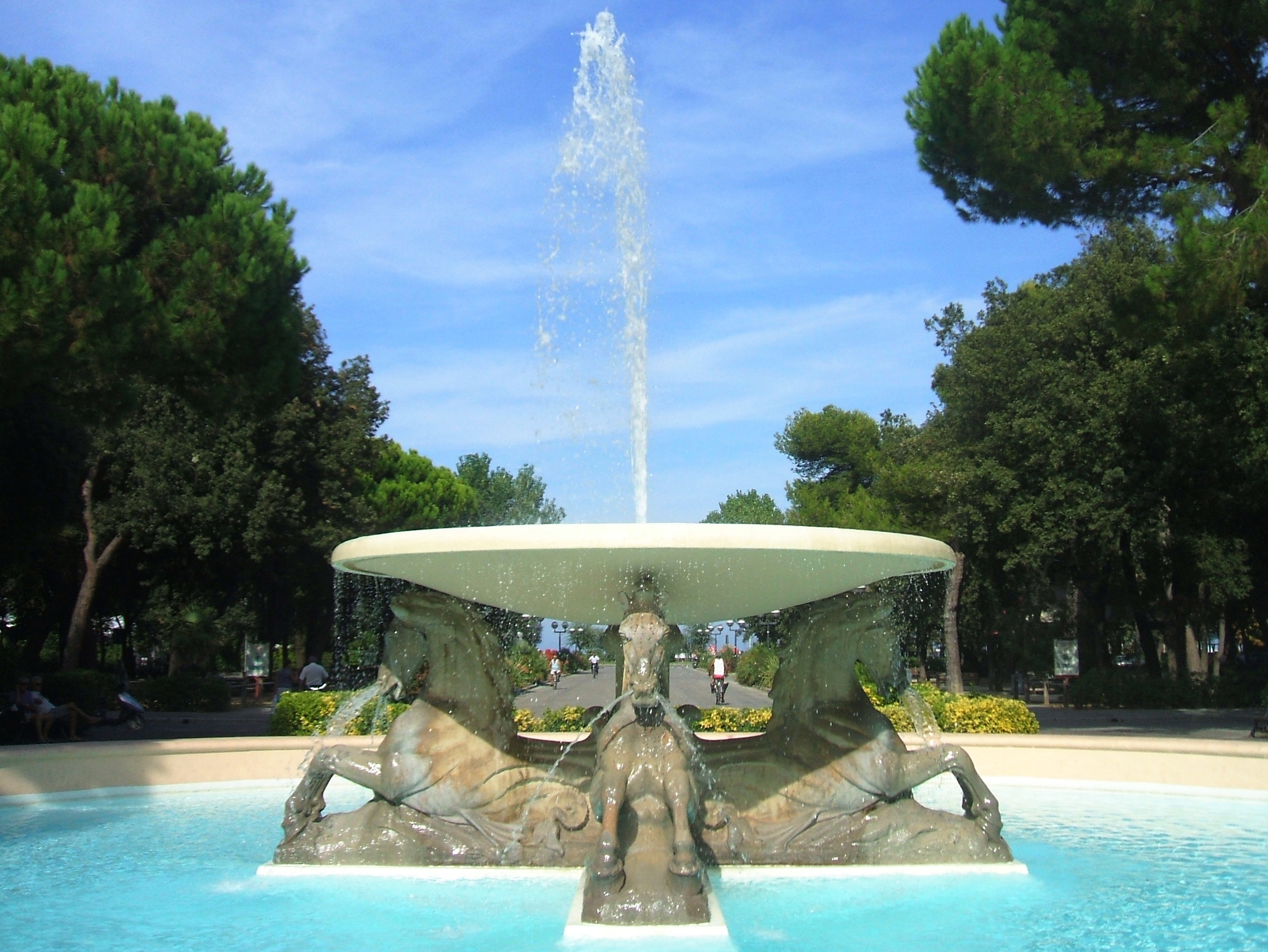
- Fontana dei Quattro Cavalli (1.4 km) – A larger, more elaborate Baroque fountain featuring four bronze horses, situated in the bustling Piazza Cavour.
- Fountain (1.5 km away) – Slightly farther out, this fountain marks the entrance to a historic garden.
All these sites are within a comfortable 15‑minute walk, allowing you to experience Rimini’s rich fountain heritage in a single afternoon.
Travel Tips
| Tip | Details |
|---|---|
| Wear comfortable shoes | The historic centre is cobblestoned; a pair of supportive sneakers or walking shoes will keep you comfortable. |
| Stay hydrated | Even in the shade, Rimini’s summer can be hot. Carry a reusable water bottle. |
| Combine with a coffee break | The nearby Caffè del Corso offers excellent espresso and pastries—perfect for a quick recharge. |
| Check opening hours of nearby museums | If you plan to explore the Rimini City Museum or the Domus del Chirurgo, they typically close at 7 pm in summer. |
| Respect local customs | While the fountain area is public, avoid climbing on the marble or feeding the pigeons. |
| Use a local map app | Google Maps works well, but the Rimini Turismo app offers offline walking routes and real‑time bus schedules. |
| Photography etiquette | If you’re using a tripod, be mindful of other visitors and avoid blocking pathways. |
| Seasonal events | The piazza around the fountain often hosts small art exhibitions in spring; check the city’s events calendar for dates. |
Final Thought
Fontana della Pigna may not have the fame of Rimini’s Arco di Augusto or the bustling energy of the beachfront promenade, but it embodies the quieter, timeless side of the city. Its marble pinecone, gentle water flow, and surrounding historic streets create a perfect micro‑experience for travelers who love to wander off the main tourist track. Add it to your Rimini travel guide, snap a few photos, and enjoy a moment of calm in the heart of Emilia‑Romagna.
Keywords: Fontana della Pigna, Rimini fountain, Emilia‑Romagna attractions, historic fountains Italy, things to do in Rimini, travel to Rimini, Rimini travel guide, Italian marble fountains, hidden gems Rimini.