Botte Napoleonica – The Hidden Weir Gem of Emilia‑Romagna
Discover the quiet charm of a Napoleonic‑era waterwork tucked away in the Po River plain, just a short ride from Ferrara.
Introduction
If you think Italy’s travel allure is limited to towering cathedrals, sun‑kissed coastlines, and bustling piazzas, think again. Deep in the fertile lowlands of Emilia‑Romagna, a modest stone structure quietly guards the flow of the Po River—Botte Napoleonica. This unassuming weir may not appear on the typical tourist map, but its blend of engineering history, serene riverside scenery, and authentic local atmosphere makes it a rewarding off‑the‑beaten‑path stop for curious travelers, history buffs, and photography lovers alike.
“A place where water, history, and the Italian countryside meet in perfect harmony.”
In this guide, we’ll walk you through everything you need to know to plan a seamless visit to Botte Napoleonica, from its fascinating backstory to the best ways to reach it and what you can explore nearby.
About Botte Napoleonica
What Is It?
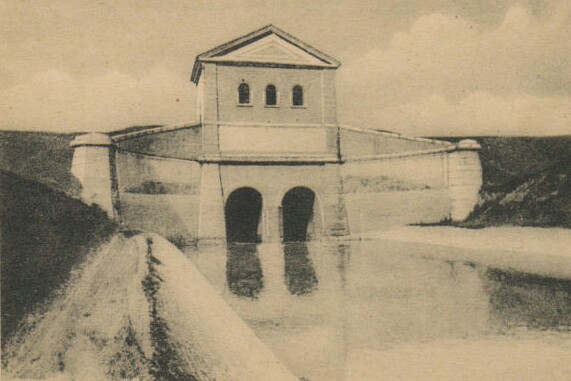
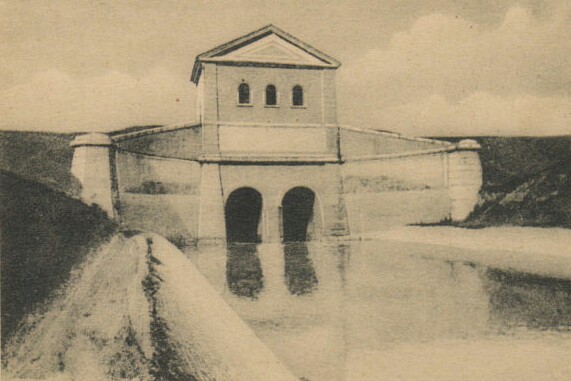
Botte Napoleonica is a weir (Italian: sbarramento) located in the municipality of Bondeno, in the province of Ferrara, Emilia‑Romagna. Its exact height and altitude are not recorded in public sources, but the structure functions as a low‑lying barrier that regulates the flow of the Po River, helping to control water levels for irrigation and flood protection.
A Glimpse of History
The name Napoleonica hints at its origins during the Napoleonic era (early 19th century), when the French administration undertook extensive hydraulic projects across northern Italy to improve agriculture and navigation. While specific archival details are scarce, the weir is listed on the Italian Wikipedia page for “Botte napoleonica,” confirming its historical link to that period.
During the 1800s, the Po River basin was a critical artery for trade and farming. Engineers of the time built a network of weirs, canals, and levees to tame the river’s unpredictable floods. Botte Napoleonica was part of this larger effort, representing an early example of Italian hydraulic engineering that still serves the region today.
Why It Matters
- Cultural heritage – The weir stands as a tangible reminder of the Napoleonic influence on Italian infrastructure.
- Environmental role – By moderating water flow, it supports the lush agricultural fields that give Emilia‑Romagna its famed culinary bounty.
- Scenic value – The surrounding floodplain offers tranquil vistas, especially at sunrise when mist hovers over the river.
For travelers seeking authentic, low‑key experiences, Botte Napoleonica offers a slice of living history without the crowds.
How to Get There
By Air
The nearest major airport is Bologna Guglielmo Marconi Airport (BLQ), about 80 km (50 mi) north‑west of Bondeno. From Bologna, you can rent a car or catch a regional train to Ferrara, then continue by local transport.
By Train
- Bologna → Ferrara – Frequent regional trains (Trenitalia) run every 30 minutes; the journey takes roughly 40 minutes.
- Ferrara → Bondeno – From Ferrara’s main station, board a local train toward Bondeno (line Bologna–Ferrara). The ride is about 15 minutes.
By Bus
Several Ferrovie Emilia Romagna (FER) bus lines connect Ferrara to Bondeno and the surrounding countryside. Look for routes F1 or F2, which stop near the riverbank.
By Car
Driving is the most flexible option, especially if you plan to explore nearby attractions.
- From Bologna, take the A13 autostrada toward Ferrara, exit at Ferrara Est (km 71).
- Follow the SS16 (Via Emilia) eastward for ~12 km, then turn left onto Via del Po (local road) heading south.
- After about 3 km you’ll see signs for “Botte Napoleonica” near the river.
Parking: Small rural parking spots are available along Via del Po. Expect a gravel lot; no formal fees are posted.
Coordinates & Map
- Latitude: 44.882291
- Longitude: 11.414225
Plug these coordinates into any GPS or mapping app for precise navigation.
Best Time to Visit
| Season | Weather & River Conditions | Why Visit |
|---|---|---|
| Spring (Mar‑May) | Mild temperatures (12‑20 °C), blooming reeds, occasional low water levels. | Ideal for photography; the river reflects pastel skies and wildflowers. |
| Summer (Jun‑Aug) | Warm (22‑30 °C), longer daylight. River may be higher after occasional thunderstorms. | Perfect for picnics on the riverbank; early mornings are still cool. |
| Autumn (Sep‑Nov) | Comfortable temps (15‑22 °C), golden foliage along the banks. | Fewer visitors; the light is soft, great for landscape shots. |
| Winter (Dec‑Feb) | Cooler (5‑10 °C), occasional fog. River flow can be higher due to seasonal rains. | Atmospheric mist creates a mystical ambience—photographers love it. |
Tip: The Po River’s water level fluctuates seasonally. If you prefer a calm, reflective surface, aim for late spring or early autumn.
What to Expect
The Experience
Arriving at Botte Napoleonica feels like stepping into a quiet tableau. The stone weir stretches modestly across the river, its weathered blocks blending with the surrounding mud‑flat vegetation. A short footpath runs alongside, allowing you to walk the length of the structure and watch water cascade over the low barrier.
- Sounds: The gentle rush of the Po, occasional bird calls (herons, kingfishers), and the distant hum of agricultural activity.
- Sights: Wide river vistas framed by reeds, historic stonework, and, in summer, bright poppies dotting the banks.
- Feel: A cool breeze off the water, especially in early morning or late afternoon.
Activities
- Photography: Capture long‑exposure shots of the flowing water, or experiment with silhouettes of the weir against sunrise.
- Birdwatching: The Po basin is a migratory corridor; keep an eye out for waders and waterfowl.
- Picnicking: Bring a light lunch and enjoy it on the grassy patches near the river.
- Historical Reflection: Take a moment to imagine the engineers of the Napoleonic era overseeing this waterwork.
There are no formal visitor facilities (no café or restroom), so come prepared with water, snacks, and sun protection.
Nearby Attractions
While Botte Napoleonica is the star of the show, the surrounding area offers several other points of interest that can easily be added to a day‑trip itinerary.
| Attraction | Distance from Botte Napoleonica | Type | Quick Note |
|---|---|---|---|
| Unnamed Weir #1 | 0.4 km | Weir | A smaller companion structure, perfect for a quick side‑walk. |
| Unnamed Weir #2 | 0.5 km | Weir | Offers a different angle on the Po’s flow; good for comparative photos. |
| Unnamed Weir #3 | 0.6 km | Weir | Slightly more secluded; ideal for quiet contemplation. |
| Unnamed Weir #4 | 1.0 km | Weir | The furthest of the cluster; a pleasant stroll through agricultural fields. |
(All nearby weirs are part of the same historic water‑management system. While they lack individual Wikipedia pages, you can view them on satellite maps using the same coordinates.)
Other Local Highlights
- Bondeno Historic Center – A short 5‑minute drive north brings you to Bondeno’s charming piazza, where you’ll find a weekly market (Fridays) and traditional trattorias serving tagliatelle al ragù and local Lambrusco.
- Parco del Delta del Po – About 15 km east, this protected wetland reserve offers walking trails, boat tours, and a chance to see rare flora and fauna.
- Ferrara City – The Renaissance capital of Emilia‑Romagna, just 15 km north, boasts the Este Castle, Ferrara Cathedral, and a vibrant cultural scene.
Travel Tips
- Dress for the River – Wear sturdy, water‑resistant shoes. The riverbank can be muddy, especially after rain.
- Bring a Picnic – No cafés are on site, so pack a light lunch and a reusable water bottle.
- Timing is Key – Arrive early (sunrise) for the best light and the quietest atmosphere.
- Check River Levels – If you’re visiting in late winter or after heavy rains, the Po may be higher; a short walk may be restricted for safety. Local signage will indicate any closures.
- Respect the Environment – The Po basin is an ecological hotspot. Stick to marked paths, avoid disturbing wildlife, and take any trash with you.
- Connectivity – Mobile reception can be spotty near the weir. Download offline maps (Google Maps or Maps.me) before you go.
- Combine with Ferrara – Pair your Botte Napoleonica visit with a half‑day in Ferrara to experience both engineering heritage and Renaissance art in one trip.
Final Thought
Botte Napoleonica may not have the grandeur of a marble cathedral, but its quiet presence on the Po River tells a story of human ingenuity, landscape stewardship, and timeless Italian charm. Whether you’re a history enthusiast, a nature lover, or simply a traveler craving authentic experiences away from the tourist crowds, this modest weir invites you to pause, listen to the river’s murmur, and feel connected to centuries of Italian life.
Pack your camera, hit the road, and let the gentle flow of the Po guide you to one of Emilia‑Romagna’s best‑kept secrets.
Keywords: Botte Napoleonica, weir in Emilia‑Romagna, Bondeno travel, Po River attractions, Napoleonic engineering Italy, hidden gems Italy, travel to Ferrara, Emilia‑Romagna off‑the‑beaten‑path, Italian hydraulic heritage.