Gruppo Europa – Napoli’s Hidden Fountain Gem
Discover the charm of one of Campania’s lesser‑known water wonders, the Gruppo Europa fountain, and learn how to make the most of your visit to Naples.
Introduction
Wandering the bustling streets of Napoli, you’ll often hear the city’s name whispered alongside its world‑famous pizza, historic castles, and the dramatic coastline of the Amalfi Coast. Yet tucked away in a quiet corner of the city’s historic core lies a small but striking piece of art that many travelers overlook: Gruppo Europa, also known as the Fontana del ratto di Europa. This elegant fountain, perched at latitude 40.832936 and longitude 14.231188, offers a perfect blend of mythic storytelling, Baroque craftsmanship, and authentic Neapolitan atmosphere. If you’re hunting for off‑the‑beaten‑path sights that capture the soul of Campania, the Gruppo Europa fountain should be at the top of your list.
About Gruppo Europa
A Brief Description
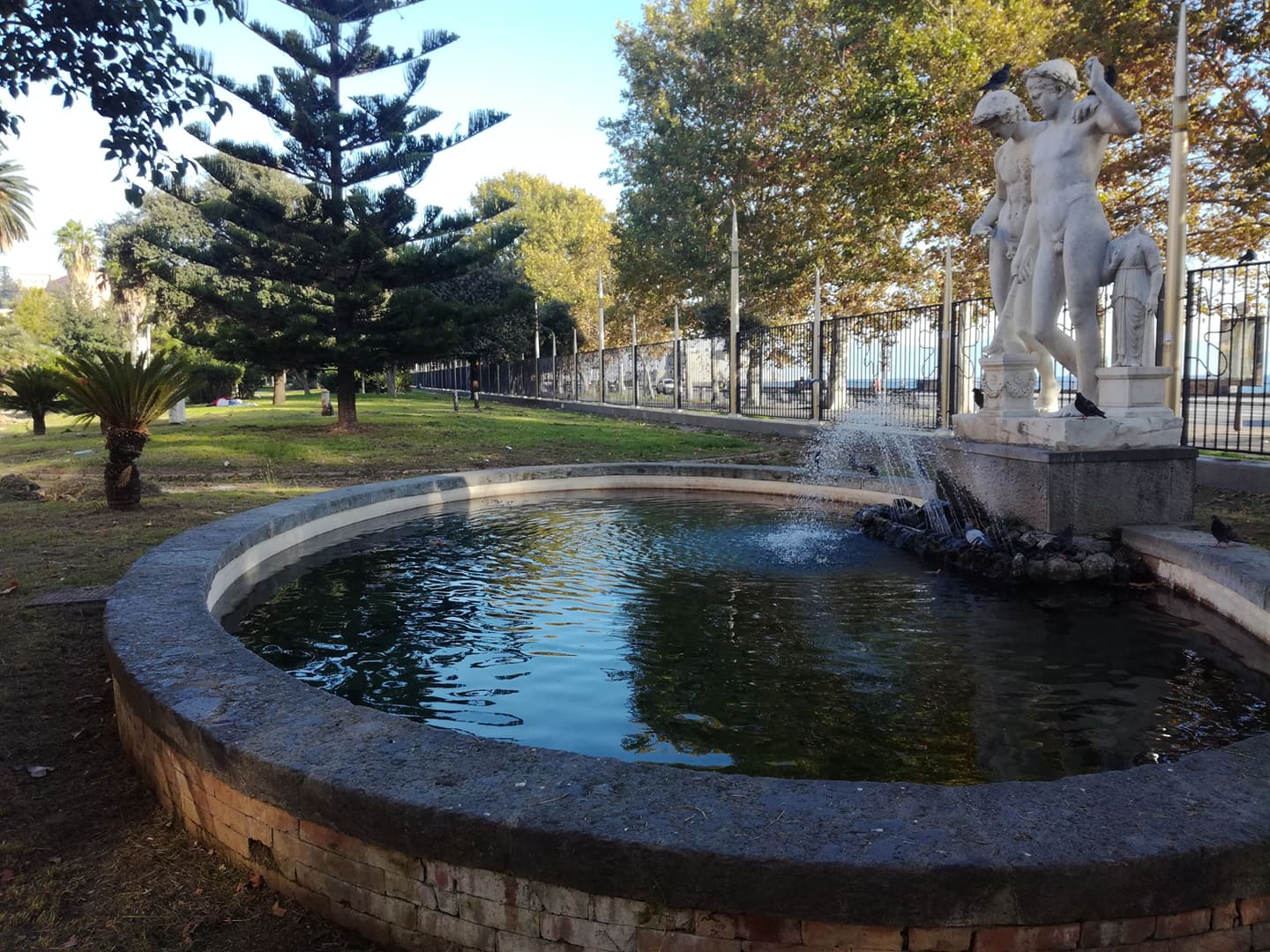
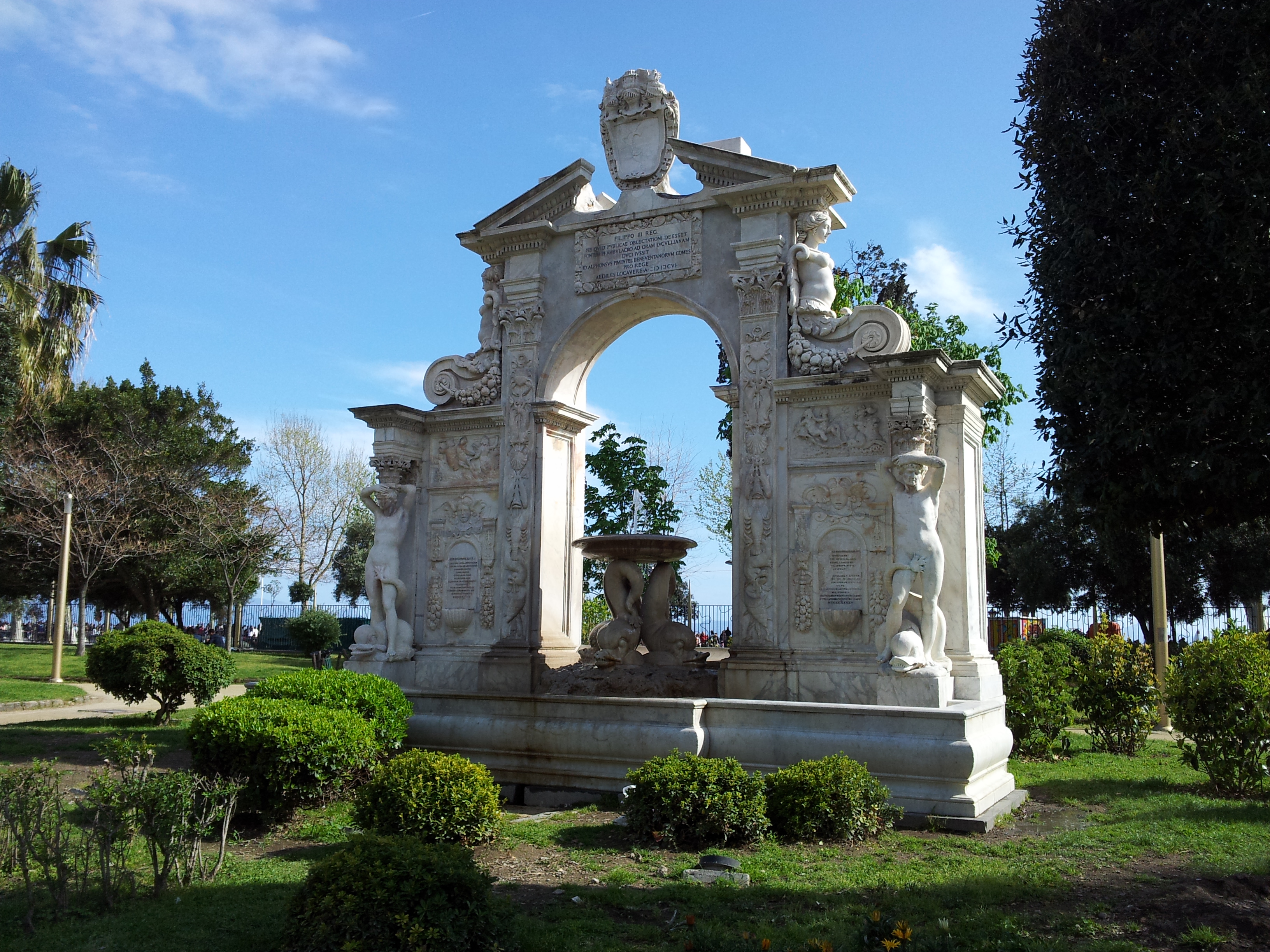
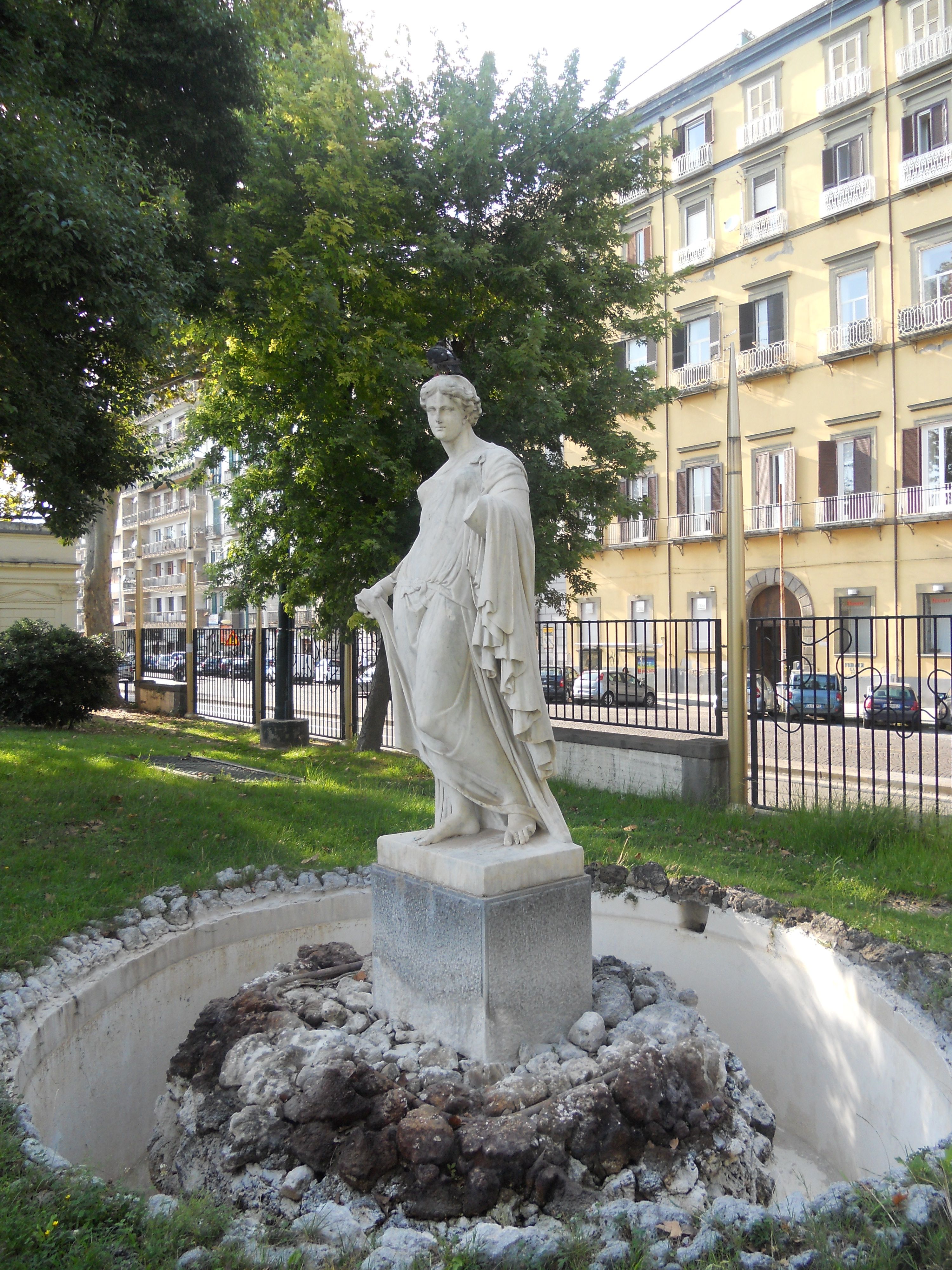
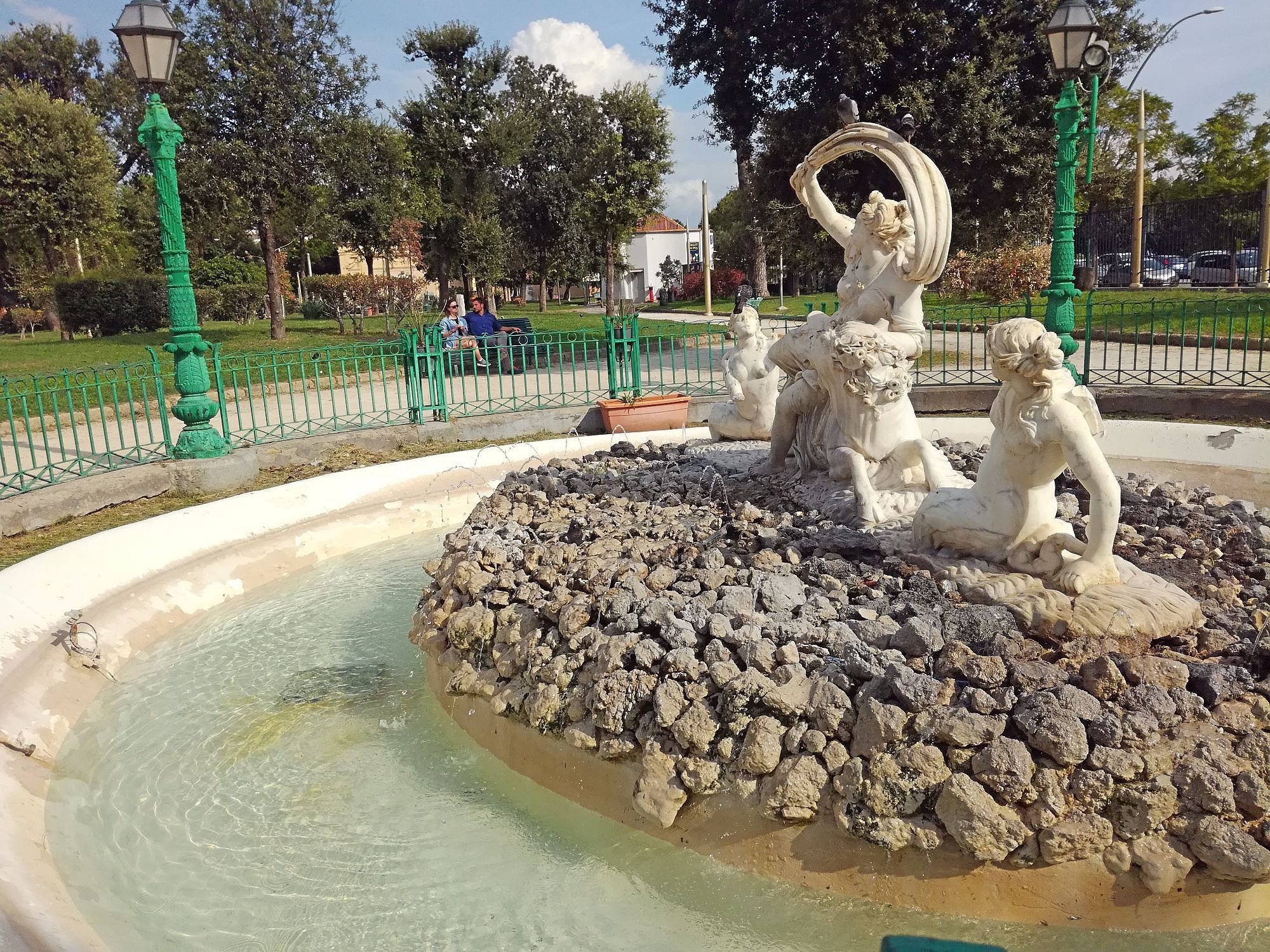
Gruppo Europa is a decorative fountain situated in the heart of Napoli, Campania. While its exact height and altitude remain undocumented, the fountain’s design is unmistakable: a sculptural group that depicts the legendary abduction of Europa, a tale from Greek mythology in which Zeus, transformed into a bull, carries the Phoenician princess across the sea. The composition captures the dramatic moment with fluid lines and a delicate play of water that cascades from the bull’s flank, creating a gentle, soothing sound that contrasts with the city’s lively chatter.
Historical Roots
The fountain’s official Italian name, Fontana del ratto di Europa, points to its mythological inspiration. Although precise construction dates are scarce, the style aligns with the Baroque period that flourished in Naples during the 17th and 18th centuries—a time when the city’s aristocracy commissioned public artworks to celebrate both civic pride and classical themes. Over the centuries, the fountain has survived wars, urban redevelopment, and the ever‑changing tide of Neapolitan life, standing today as a testament to the city’s dedication to preserving its artistic heritage.
Cultural Significance
In a city where fountains often serve as meeting points, water sources, and symbols of communal identity, Gruppo Europa holds a special place. It reflects Naples’ long‑standing fascination with classical mythology, a theme that resonated with the Spanish and later Bourbon rulers who ruled the Kingdom of the Two Sicilies. Moreover, the fountain’s location—nestled among a cluster of other historic waterworks—creates a mini‑circuit of public art that showcases the city’s devotion to integrating beauty and functionality.
For more detailed background, you can explore the Italian Wikipedia entry: Fontana del ratto di Europa.
How to Get There
By Public Transport
- Metro: The nearest metro stop is Università on Line 1 (the “yellow line”). From the station, it’s a short 5‑minute walk north along Via Università, then turn right onto Via San Francesco di Paola; the fountain sits just a few meters down the cobblestones.
- Bus: Several city buses—such as the 140, 151, and 155—serve stops within a 300‑meter radius of the fountain. Look for the stop labeled “Piazza del Gesù Nuovo.”
By Foot or Bicycle
Naples’ historic center is compact and pedestrian‑friendly. If you’re staying in the Centro Storico, Spaccanapoli, or Via Toledo districts, you can reach Gruppo Europa on foot in 10‑15 minutes. The city’s growing network of bike‑share stations (e.g., Mobike and Enjoy) also makes a quick ride possible; simply dock at the station near Piazza del Plebiscito and enjoy a scenic ride through the narrow alleys.
By Car
Driving in the historic core can be challenging due to limited parking and ZTL (Limited Traffic Zone) restrictions. If you prefer a car, park at one of the public garages near Via Medina (Garage Napoli Centrale) and walk the remaining distance.
Best Time to Visit
- Spring (March–May): Mild temperatures and blooming bougainvillea create a picturesque backdrop. Early mornings are especially peaceful, allowing you to admire the fountain without crowds.
- Autumn (September–November): The city’s heat eases, and the golden light of the late afternoon adds a magical glow to the marble.
- Winter: While the fountain remains functional, occasional rain can make the surrounding cobblestones slippery; sturdy shoes are advisable.
- Summer: Naples can be hot and crowded, but visiting early (around 8 am) or late (after 7 pm) lets you enjoy the fountain’s cool mist while the city’s nightlife buzzes around you.
What to Expect
The Visual Experience
Approaching Gruppo Europa, you’ll first notice the subtle contrast between the fountain’s polished stone and the weathered façades of surrounding buildings. The sculptural group—Europa, the bull, and a few attendant figures—stands at eye level, inviting close inspection. Water gently spills from the bull’s flank, forming a small pool that mirrors the sky and the intricate details of the statues.
The Atmosphere
The fountain is a natural gathering spot for locals: elderly men playing cards on nearby benches, teenagers snapping selfies, and street musicians adding a soft soundtrack. The ambient sound of water mingles with the distant clatter of Vespas and the aroma of freshly baked sfogliatella, creating an authentic Neapolitan sensory experience.
Photo Opportunities
- Close‑up of the mythic scene: Capture the delicate expression on Europa’s face.
- Reflections: Shoot during golden hour to see the fountain’s silhouette mirrored in the pool.
- Street life: Include locals in the frame to convey the lively community vibe.
Nearby Attractions
While you’re in the area, make the most of your time by exploring other historic fountains and landmarks within a short walk:
| Attraction | Distance | Description | Link |
|---|---|---|---|
| Unnamed Fountain 1 | 0.1 km | A small baroque fountain tucked behind a narrow alley. | More info |
| Unnamed Fountain 2 | 0.1 km | Features a simple stone basin and decorative lion heads. | More info |
| Il Pescatore di Granchi | 0.2 km | Depicts a fisherman with a basket of crabs, celebrating Naples’ maritime heritage. | More info |
| Unnamed Fountain 3 | 0.2 km | Known for its ornate marble columns and historic inscriptions. | More info |
| Fontana di Lucio Papirio | 0.4 km | A grand Renaissance fountain honoring the Roman patron Lucius Papirius. | More info |
In addition to these waterworks, the Piazza del Gesù Nuovo, Santa Chiara Monastery, and the bustling Via San Gregorio Armeno (famous for its nativity workshops) are all within a comfortable walking radius.
Travel Tips
- Dress Comfortably: Cobblestone streets can be uneven. Wear supportive shoes and bring a light jacket for evenings.
- Stay Hydrated: Naples can be hot, especially in summer. Carry a reusable water bottle—many cafés will refill it for free.
- Mind the ZTL: If you’re driving, verify the ZTL schedule to avoid fines.
- Respect the Space: The fountain is a public heritage site; avoid climbing on the sculptures and keep the area clean.
- Combine with a Food Stop: Just a few blocks away, you’ll find pizzerias serving authentic Margherita pizza—perfect for a post‑visit snack.
- Use a Local SIM or Offline Maps: GPS works best with up‑to‑date maps, especially in narrow alleys where signal can drop.
- Check Opening Hours of Nearby Museums: Some surrounding museums close on Mondays; plan accordingly if you want to extend your cultural itinerary.
Final Thought
Gruppo Europa may not appear on the typical “must‑see” list for Napoli, but that’s precisely why it’s a treasure for curious travelers. Its mythic sculpture, tranquil water, and vibrant local atmosphere encapsulate the essence of Campania’s historic heart. Whether you’re a history buff, a photography enthusiast, or simply a wanderer seeking authentic experiences, the fountain offers a quiet, reflective pause amid the city’s lively rhythm.
Pack your camera, follow the coordinates, and let the Gruppo Europa fountain add a splash of wonder to your Neapolitan adventure. Safe travels!