Fontana di Monteoliveto – Naples’ Hidden Baroque Jewel
If you think you’ve seen every fountain in Naples, think again. Nestled in the bustling historic centre, the Fontana di Monteoliveto offers a quiet moment of elegance amid the city’s lively streets. This lesser‑known masterpiece is a perfect stop for culture lovers, photography enthusiasts, and anyone looking to soak up authentic Neapolitan atmosphere.
1. Introduction
Naples (Napoli) is famous for its pizza, vibrant street life, and grand monuments such as the Royal Palace and Castel dell’Ovo. Yet, the city’s true charm often lies in its intimate corners—like the Fontana di Monteoliveto. Located at 40.845364, 14.250779 in the heart of Campania, this elegant stone fountain sits just a stone’s throw from bustling piazzas, historic churches, and a cluster of other beautiful fountains. It’s the ideal spot to pause, snap a photo, and feel the pulse of Naples without the crowds of the more tourist‑heavy sites.
2. About Fontana di Monteoliveto
A Brief Description
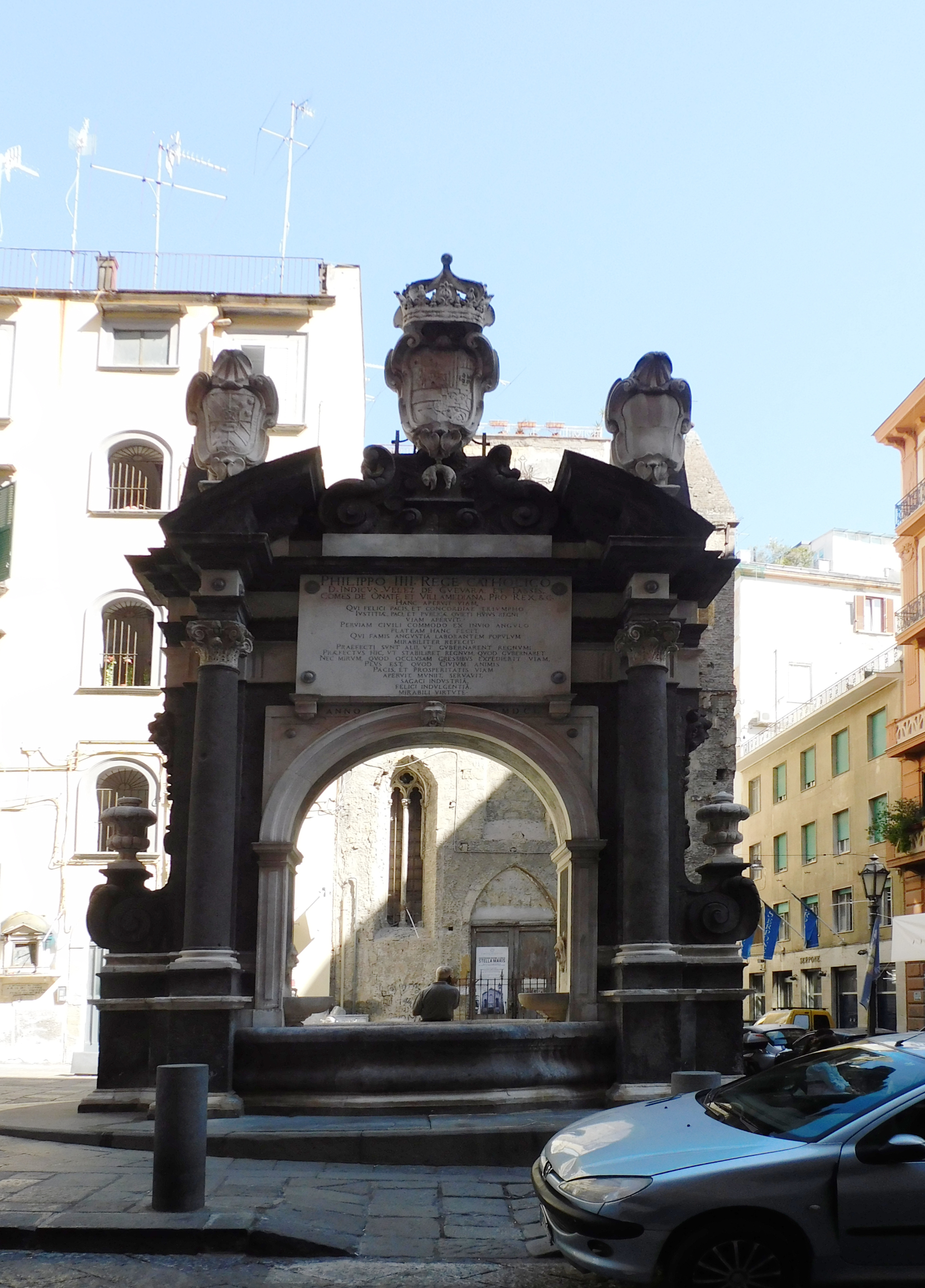
The Fontana di Monteoliveto is a Baroque‑style stone fountain that dates back to the era when Naples was a thriving capital of the Spanish and later the Bourbon Kingdoms. Though the exact height and altitude are not recorded, the fountain’s proportions blend seamlessly with the surrounding architecture, featuring a central basin surrounded by ornamental stonework and sculptural details typical of 17th‑century Neapolitan fountains.
Historical Context
While specific archival records for this fountain are scarce, its name ties it to the Monastery of Monteoliveto (now the Church of Santa Maria della Sanità) that once dominated the neighbourhood. Like many Neapolitan fountains, it was originally installed to provide fresh water to the local community and to showcase the city’s artistic prowess. Over the centuries, the fountain has survived wars, earthquakes, and urban renewal, retaining its original stone façade and serving as a silent witness to Naples’ ever‑changing urban tapestry.
Cultural Significance
In Naples, fountains are more than decorative elements; they are social hubs where locals gather, children play, and street musicians perform. The Fontana di Monteoliveto embodies this tradition. Its location near the historic centre makes it a natural meeting point for Neapolitans on their daily coffee break, and its subtle elegance provides a perfect backdrop for Instagram‑ready shots.
3. How to Get There
By Public Transport
| Mode | Nearest Stop | Approx. Walking Time |
|---|---|---|
| Metro | Università (Line 1) | 5‑7 minutes |
| Metro | Toledo (Line 1) | 10‑12 minutes |
| Bus | Lines 151, 155, 159 (stop: “Monteoliveto”) | 2‑3 minutes |
All major metro stations in central Naples are within a comfortable walking distance. Follow the signs for “Piazza Monteoliveto” or simply ask a local—Neapolitans are famously friendly and love sharing directions.
By Car or Taxi
If you’re driving, set your GPS to 40.845364, 14.250779. Street parking in the historic centre can be limited, so we recommend using a parking garage near Via Foria or Via San Giovanni Maggiore and walking the remaining distance.
On Foot
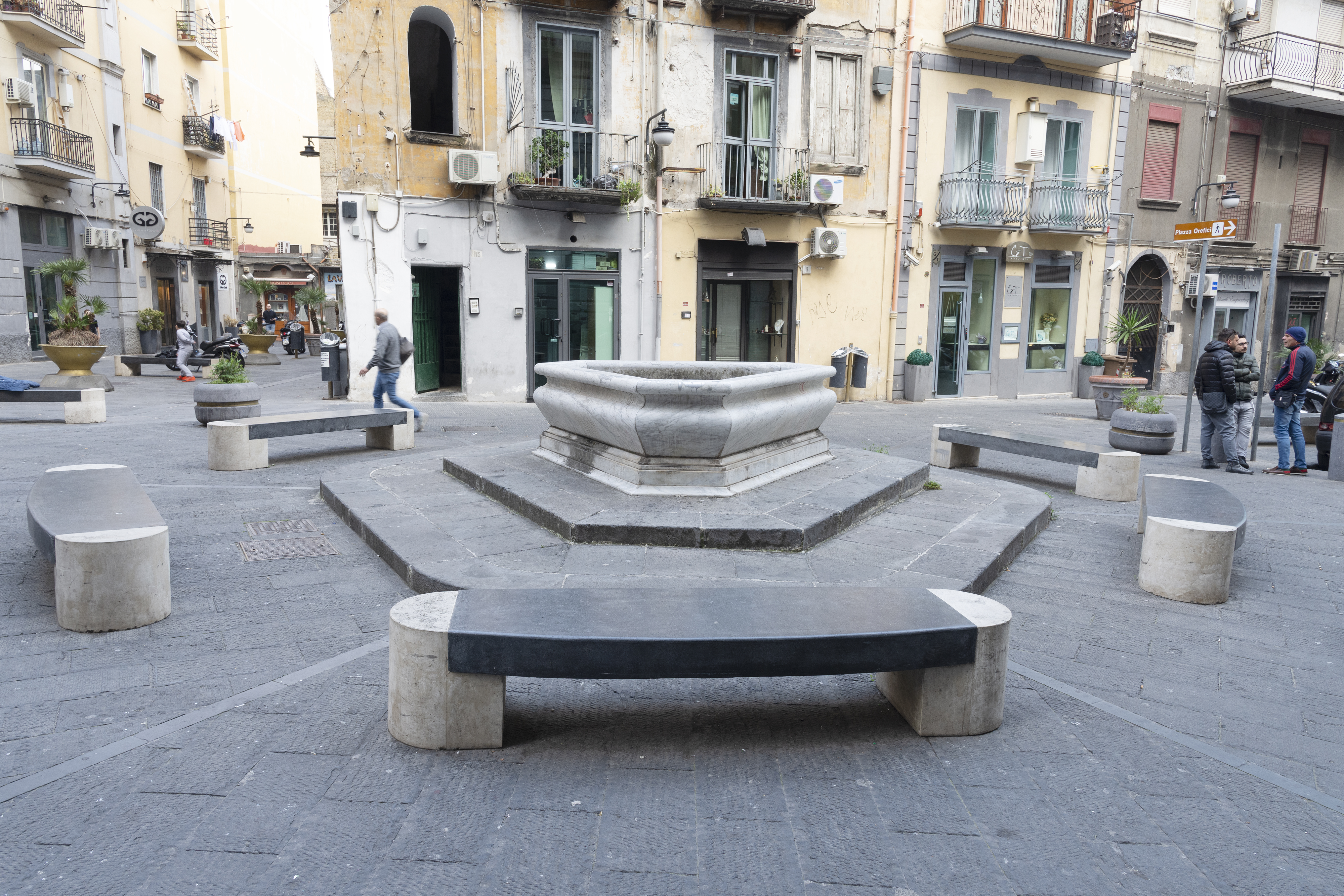
Naples’ historic centre is a UNESCO World Heritage Site, and strolling through its narrow alleys is part of the experience. From the Piazza del Plebiscito, head southeast on Via San Carlo, then turn left onto Via Monteoliveto. The fountain sits in a small square flanked by historic buildings—hard to miss once you’re there!
4. Best Time to Visit
| Season | Why It Works |
|---|---|
| Spring (March‑May) | Mild temperatures, blooming bougainvillea, fewer tourists than summer. |
| Early Autumn (September‑October) | Pleasant weather, golden light for photography, and the city’s cultural calendar (festivals, exhibitions). |
| Early Morning (7 am‑9 am) | The fountain is bathed in soft light, and the streets are quieter—ideal for reflective moments and uninterrupted photos. |
| Evening (8 pm‑10 pm) | The fountain is softly illuminated, and the surrounding piazza comes alive with locals enjoying aperitivo. |
Avoid the peak heat of July and August if you prefer a comfortable stroll; the fountain’s stone can become scorching under the midday sun.
5. What to Expect
Visual Experience
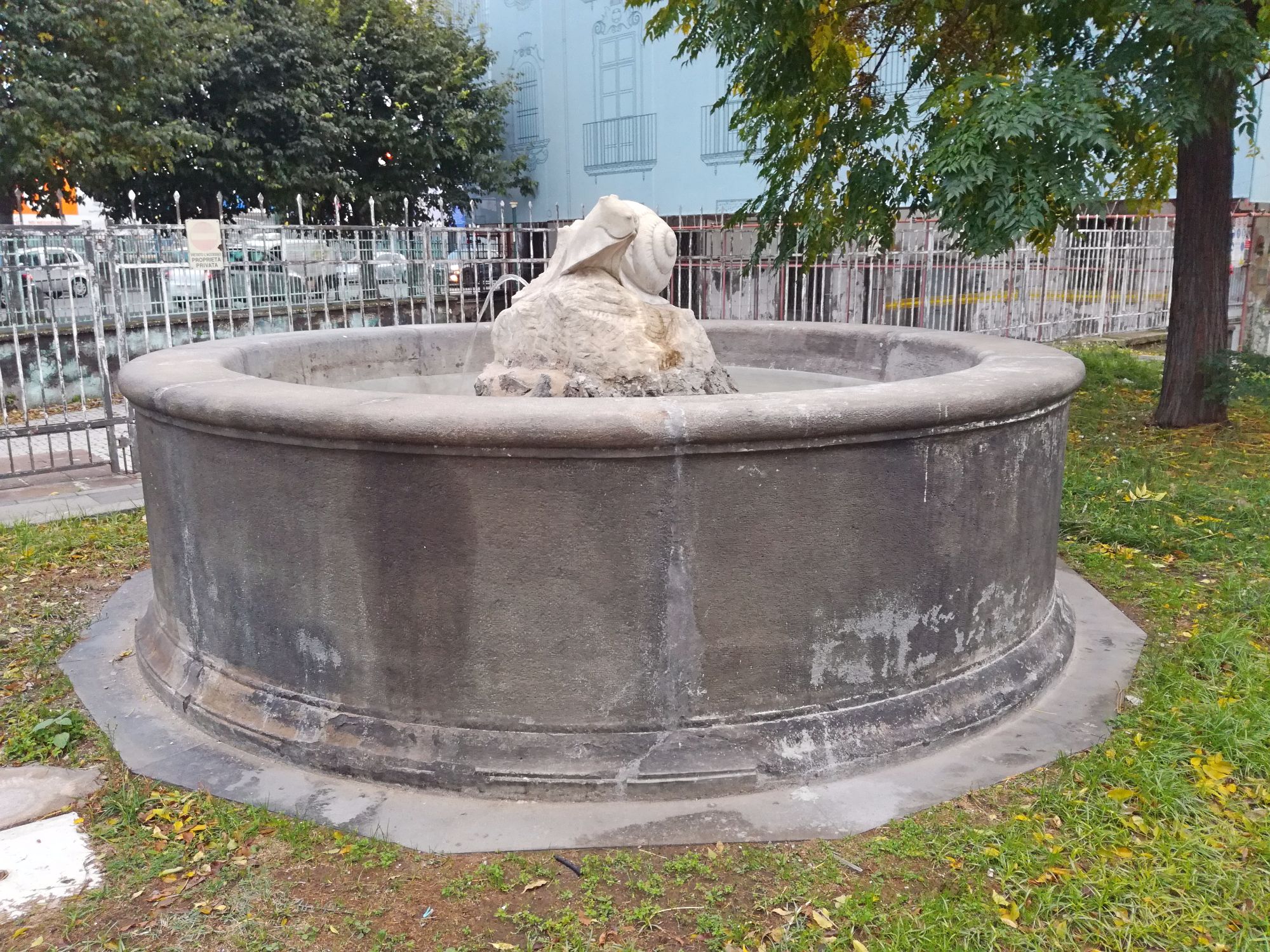
Approaching the Fontana di Monteoliveto, you’ll notice the smooth, weathered stone that has taken on a warm, honey‑colored patina. The central basin collects crystal‑clear water that gently cascades over decorative ledges, creating a soothing sound that contrasts with the city’s lively chatter. The fountain’s design features subtle Baroque motifs—curved arches, ornamental scrolls, and occasional stone cherubs—giving it an air of refined elegance without overwhelming grandeur.
Atmosphere
The square surrounding the fountain is a micro‑cosm of Neapolitan life. You’ll see locals sipping espresso at nearby cafés, street vendors selling sfogliatelle, and perhaps a small group of musicians playing a tarantella. Children often splash their feet in the water, while tourists pause for a quick selfie. The vibe is relaxed yet vibrant—a perfect snapshot of everyday Naples.
Photo Tips
- Golden hour (just after sunrise or before sunset) casts a warm glow on the stone and highlights the water’s sparkle.
- Low angle shots emphasize the fountain’s depth and the surrounding architecture.
- Reflections in the basin make for striking symmetrical compositions.
6. Nearby Attractions
While you’re in the area, make the most of your walk by visiting these nearby fountains and historic sites—all within a 10‑minute stroll:
- Fontana del Nettuno – 0.6 km away. A grand marble fountain featuring Neptune wielding his trident, located in Piazza del Municipio.
- Fontana della Maruzza – 0.6 km away. A charming, smaller fountain known for its intricate stonework.
- Fontana della Spinacorona – 0.7 km away. This fountain boasts a distinctive spiral design and is tucked near Via dei Tribunali.
Other points of interest within walking distance:
- Piazza del Plebiscito – the city’s largest square, home to the Royal Palace and San Francesco di Paola church.
- Via San Gregorio Armeno – the famous street of nativity artisans, perfect for souvenir hunting.
- Church of Santa Maria della Sanità – the former Monteoliveto monastery, showcasing beautiful frescoes and a stunning dome.
7. Travel Tips
| Tip | Details |
|---|---|
| Wear comfortable shoes | Naples’ historic centre is best explored on foot, and cobblestones can be uneven. |
| Stay hydrated | Even in spring, the sun can be strong. Carry a reusable water bottle. |
| Mind pickpockets | Like many popular tourist areas, keep your belongings secure, especially in crowded squares. |
| Respect the water | The fountain is a functional piece of heritage; avoid climbing on the stone or splashing excessively. |
| Try local snacks | Grab a freshly baked sfogliatella from a nearby pasticceria for an authentic treat while you admire the fountain. |
| Check opening hours of nearby museums | If you plan to extend your day, many museums close around 7 pm; a quick glance at their schedules saves time. |
| Use a local SIM or offline maps | GPS can be spotty in narrow alleys; having an offline map of Naples ensures you never lose your way. |
| Speak a few Italian words | A friendly “Buongiorno” or “Grazie” goes a long way with locals. |
Final Thought
The Fontana di Monteoliveto may not appear on every “top‑10 Naples attractions” list, but that’s precisely why it feels like a secret treasure. Its quiet elegance, central location, and authentic Neapolitan vibe make it a must‑see for any traveler seeking a deeper connection with the city’s history and daily life. So, lace up your walking shoes, follow the coordinates, and let this modest fountain guide you into the heart of Naples.
Happy travels, and may your journey be as refreshing as the water flowing from Fontana di Monteoliveto!