Fontana di Lucio Papirio – Napoli’s Hidden Baroque Gem
If you think you’ve seen every fountain in Naples, think again. Nestled in the historic heart of Campania, the Fontana di Lucio Papirio is a quiet yet striking reminder of the city’s baroque splendor. Follow this guide to discover why this modest water feature deserves a spot on your Napoli itinerary.
1. Introduction
Strolling through the narrow alleys of Napoli, you’ll hear the chatter of locals, the aroma of fresh pizza, and the occasional splash of water from a centuries‑old fountain. Among the more famous landmarks—like the Fontana di Santa Lucia or the bustling Piazza del Plebiscito—lies a lesser‑known treasure: the Fontana di Lucio Papirio.
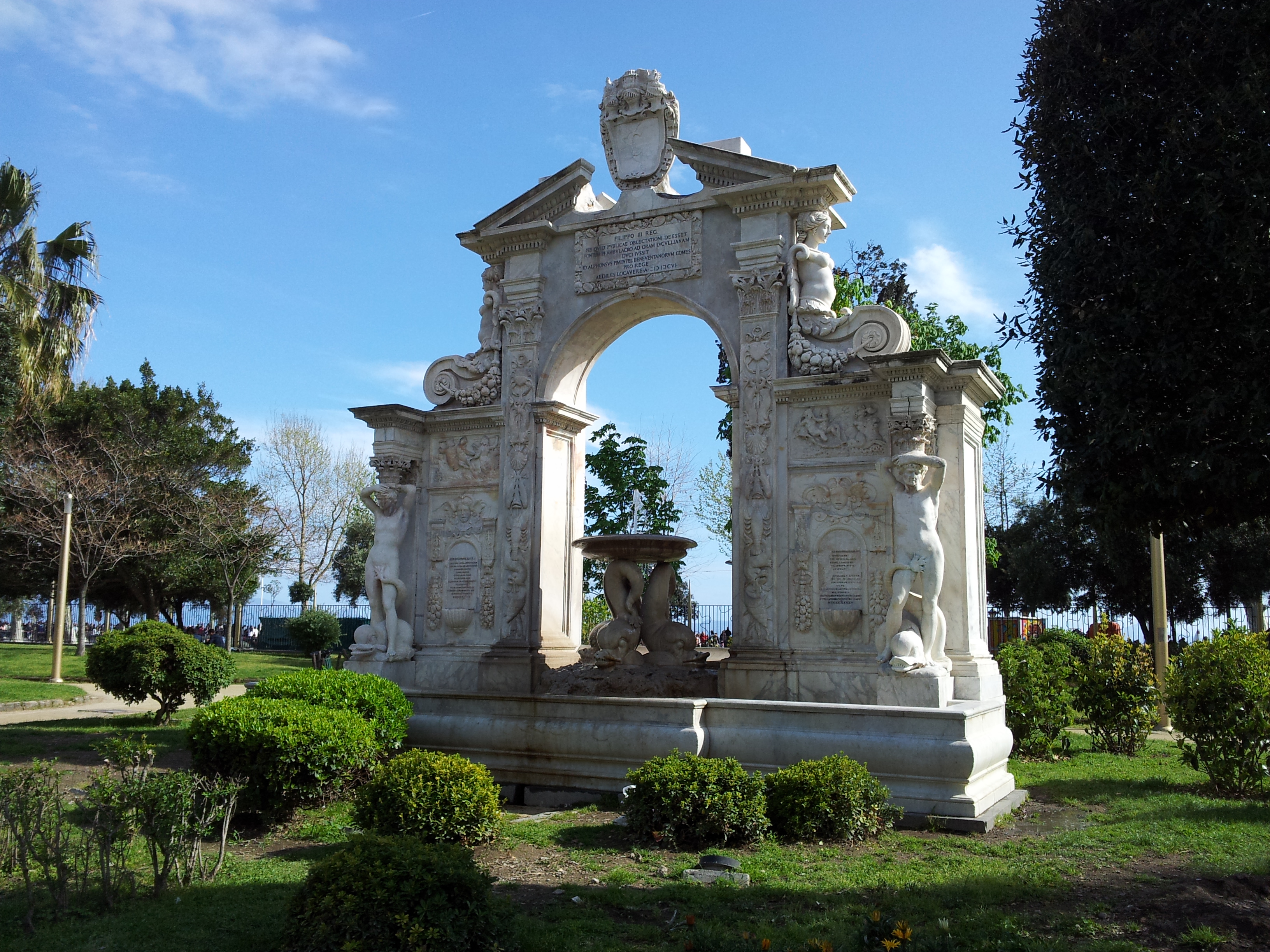
Built during the baroque revival that reshaped much of southern Italy, the fountain blends classical motifs with a touch of mythic storytelling. Its stone basin, sculpted figures, and subtle water flow create a serene oasis that feels worlds away from the city’s vibrant streets. Whether you’re a history buff, a photography enthusiast, or simply a traveler hunting authentic local experiences, this fountain offers a perfect pause.
2. About Fontana di Lucio Papirio
Description
- Location: Napoli, Campania, Italy
- Coordinates: 40.832359, 14.235745
- Type: Historic baroque fountain (⛲)
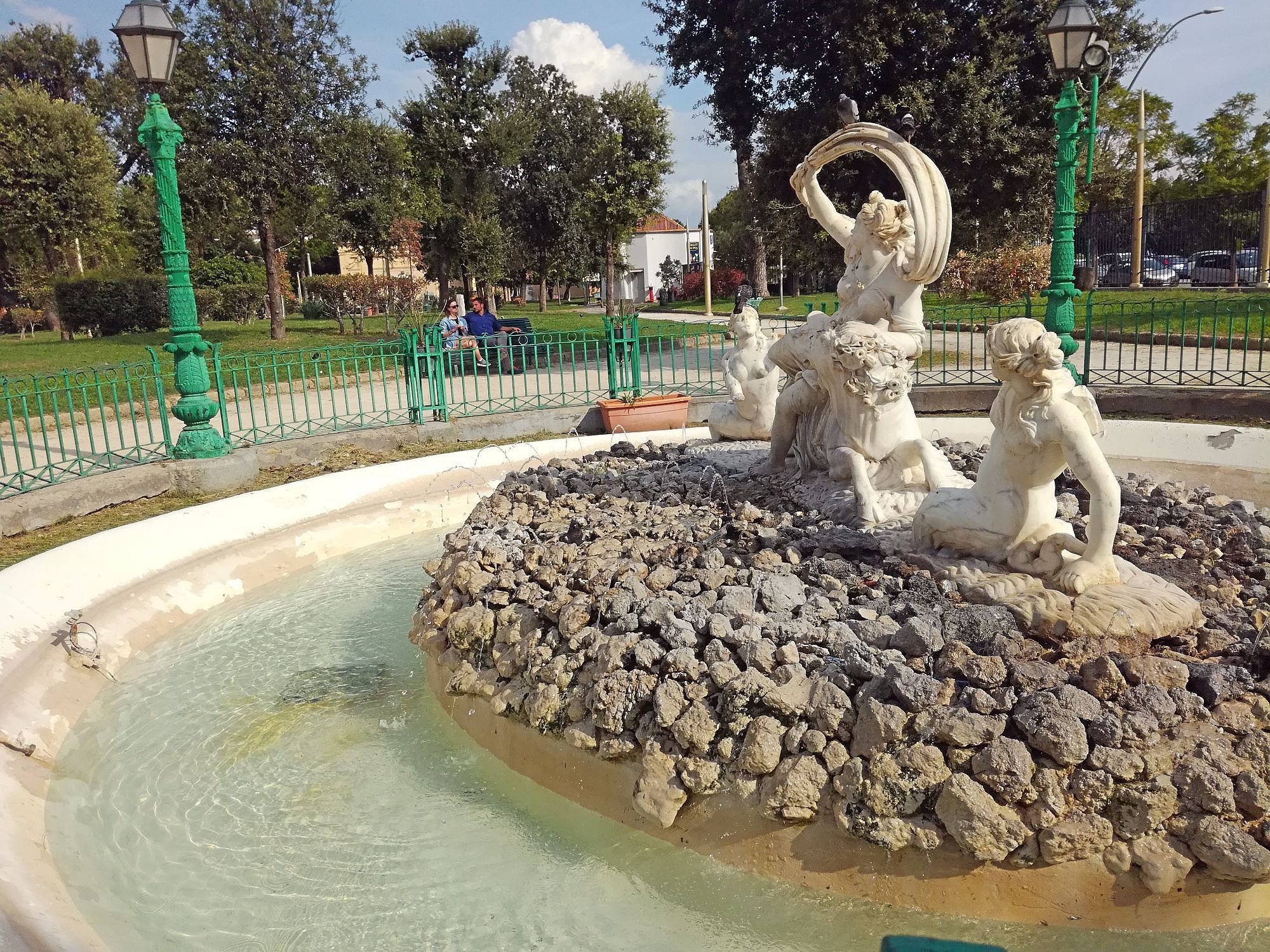
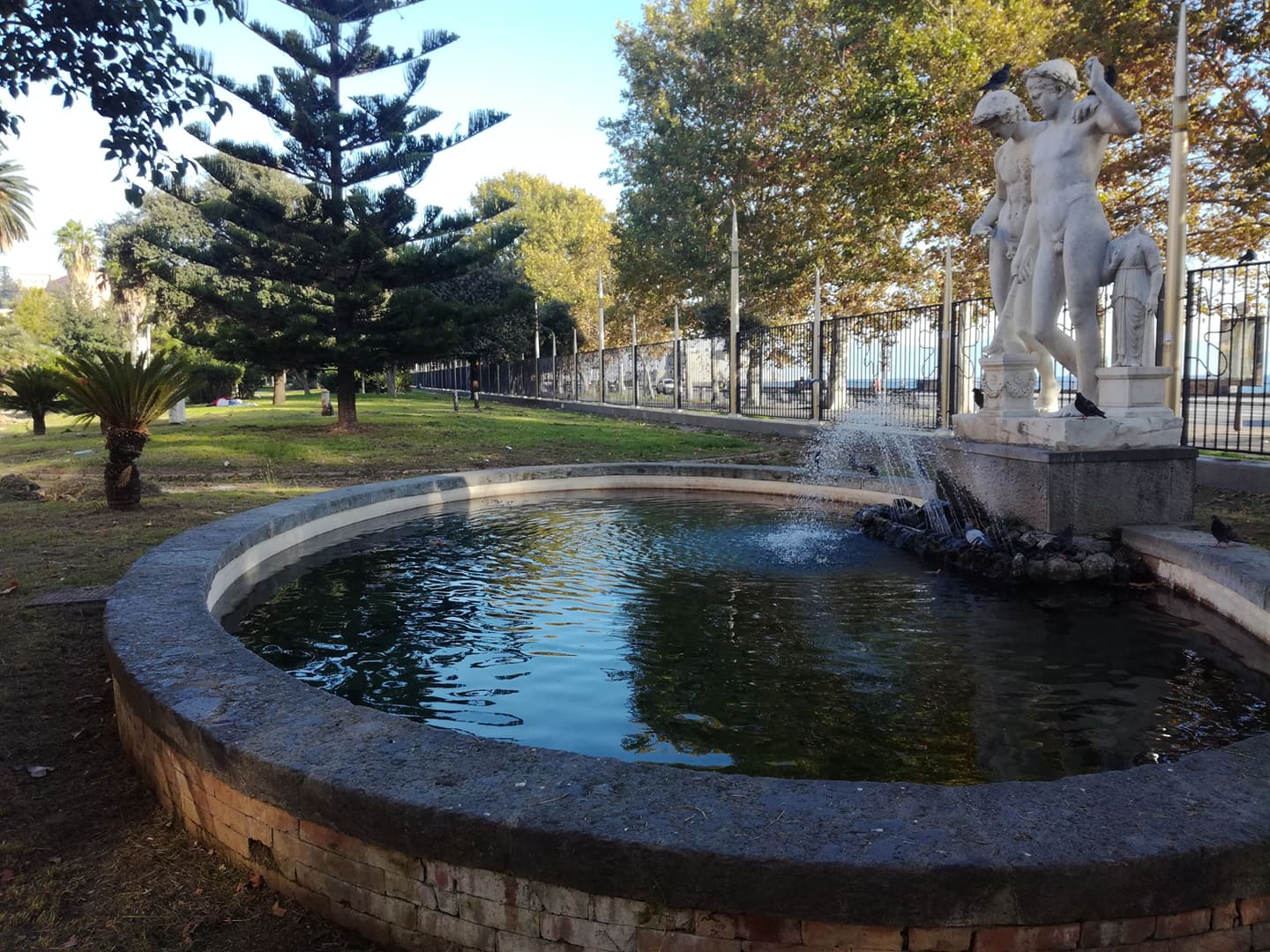
The Fontana di Lucio Papirio stands on a modest piazza, its marble basin framed by ornamental pilasters. Though the exact height and altitude remain undocumented, the fountain’s proportions are harmonious with the surrounding architecture, allowing it to blend seamlessly into the urban fabric while still drawing the eye.
History & Significance
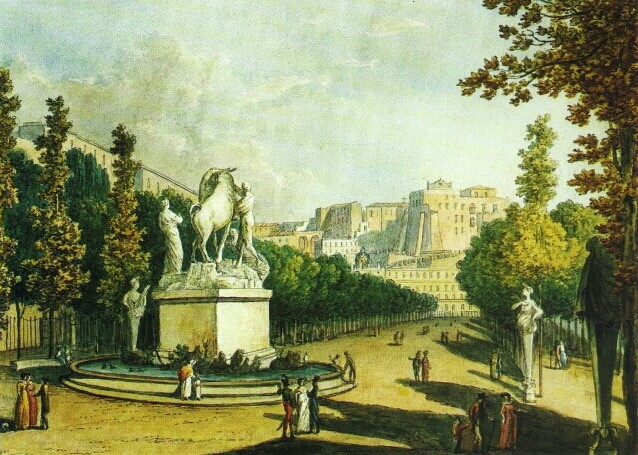
The fountain is traditionally linked to the Fontana di Castore e Polluce—a name that appears in several historical records and on the Italian Wikipedia page for the monument. While the precise patronage details are scarce, the name “Lucio Papirio” suggests a dedication to a notable Roman figure or a local benefactor who commissioned the work during the 17th‑18th centuries, a period when Naples experienced a surge of baroque public works.
In the context of Campania’s cultural landscape, the fountain serves as a symbol of civic pride. Water features were often erected to celebrate public health improvements, provide drinking water, and showcase artistic talent. The Fontana di Lucio Papirio embodies all three, acting as a functional source of water while also presenting an artistic tableau that reflects the city’s reverence for classical mythology and religious iconography.
3. How to Get There
By Public Transport
| Mode | Nearest Stop | Approx. Walk | Notes |
|---|---|---|---|
| Metro | Università (Line 1) | 7‑minute walk (≈550 m) | Exit toward Via Medina; follow signs to Via San Gregorio Armeno. |
| Bus | C. Vittoria – Via San Gregorio (Line 140, 151) | 5‑minute walk | Frequent service from Piazza Garibaldi and the central train station. |
| Funicular | Chiaia Funicular – Piazza del Plebiscito | 12‑minute walk | Scenic ascent; ideal if you’re exploring the waterfront first. |
By Car or Taxi
- Parking: Limited street parking is available on Via San Gregorio Armeno. For a stress‑free experience, consider a parking garage near Piazza del Plebiscito (e.g., Garage San Carlo).
- Driving Directions: From the historic center, head east on Via dei Tribunali, turn left onto Via San Gregorio Armeno, and the fountain will be visible on the right after a short stretch.
Walking
If you’re already wandering the historic center—perhaps after visiting the Catacombs of San Gennaro or the Royal Palace—the Fontana di Lucio Papirio is within a comfortable 10‑minute walk. The route takes you past charming artisan shops, lively cafés, and the iconic Via San Gregorio Armeno, famed for its nativity workshops.
4. Best Time to Visit
| Season | Why It Works | Tips |
|---|---|---|
| Spring (Mar‑May) | Mild temperatures (15‑22 °C) and blooming bougainvillea create a photogenic backdrop. | Arrive early (8‑9 am) to avoid the midday tourist rush. |
| Early Autumn (Sept‑Oct) | Pleasant weather, fewer crowds, and the golden light of the “golden hour” enhances the stone’s texture. | Capture sunset reflections on the water for Instagram‑worthy shots. |
| Winter (Nov‑Feb) | While cooler (9‑14 °C), the fountain remains quiet, offering a contemplative experience. | Dress in layers; the nearby cafés provide a warm refuge. |
Avoid the peak summer heat (July‑August) when the city can feel sweltering, and the fountain’s water may be less inviting for close-up interaction.
5. What to Expect
- Atmosphere: A tranquil, almost reverent silence punctuated only by the gentle murmur of water and occasional footsteps of passersby.
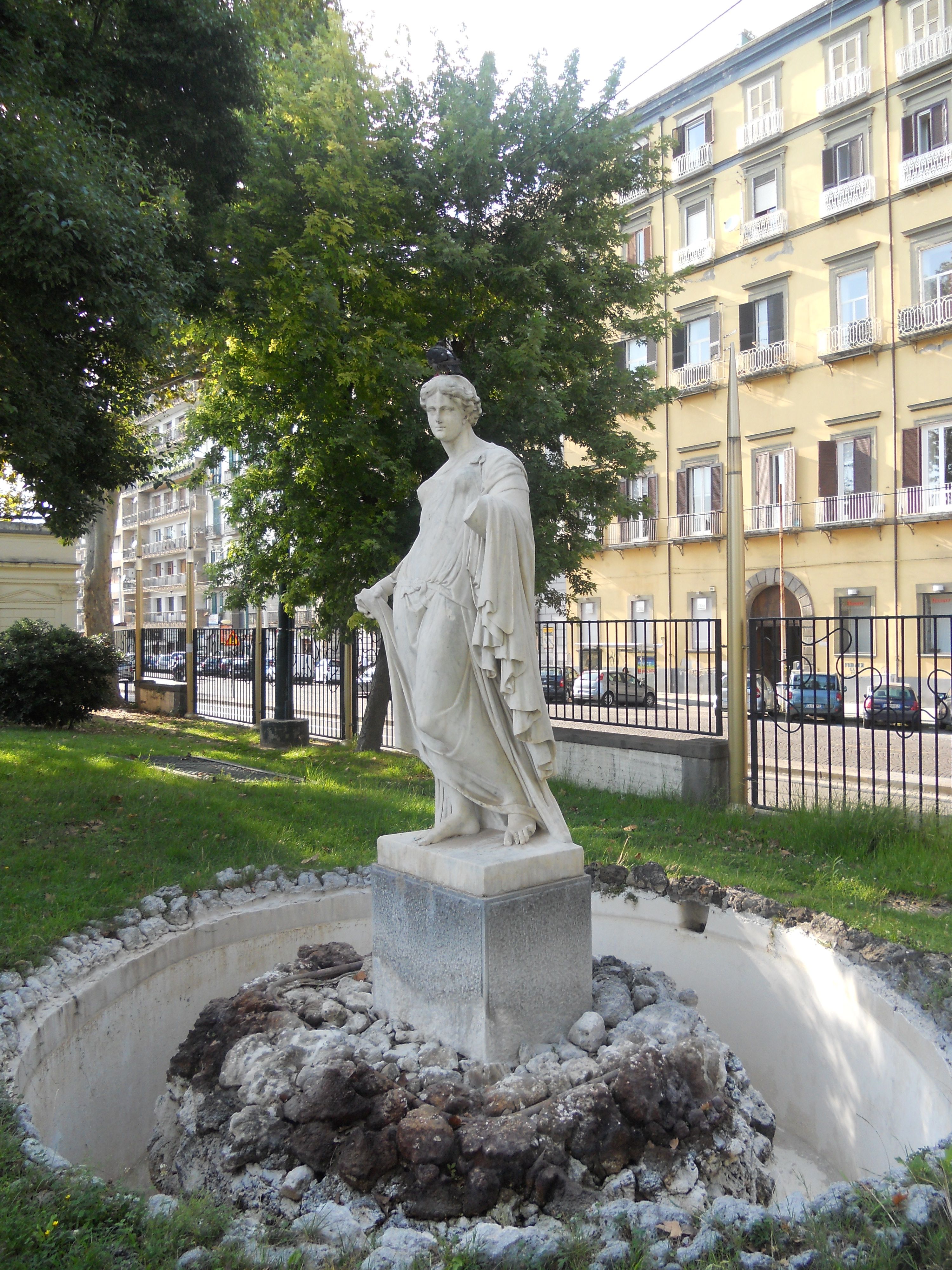
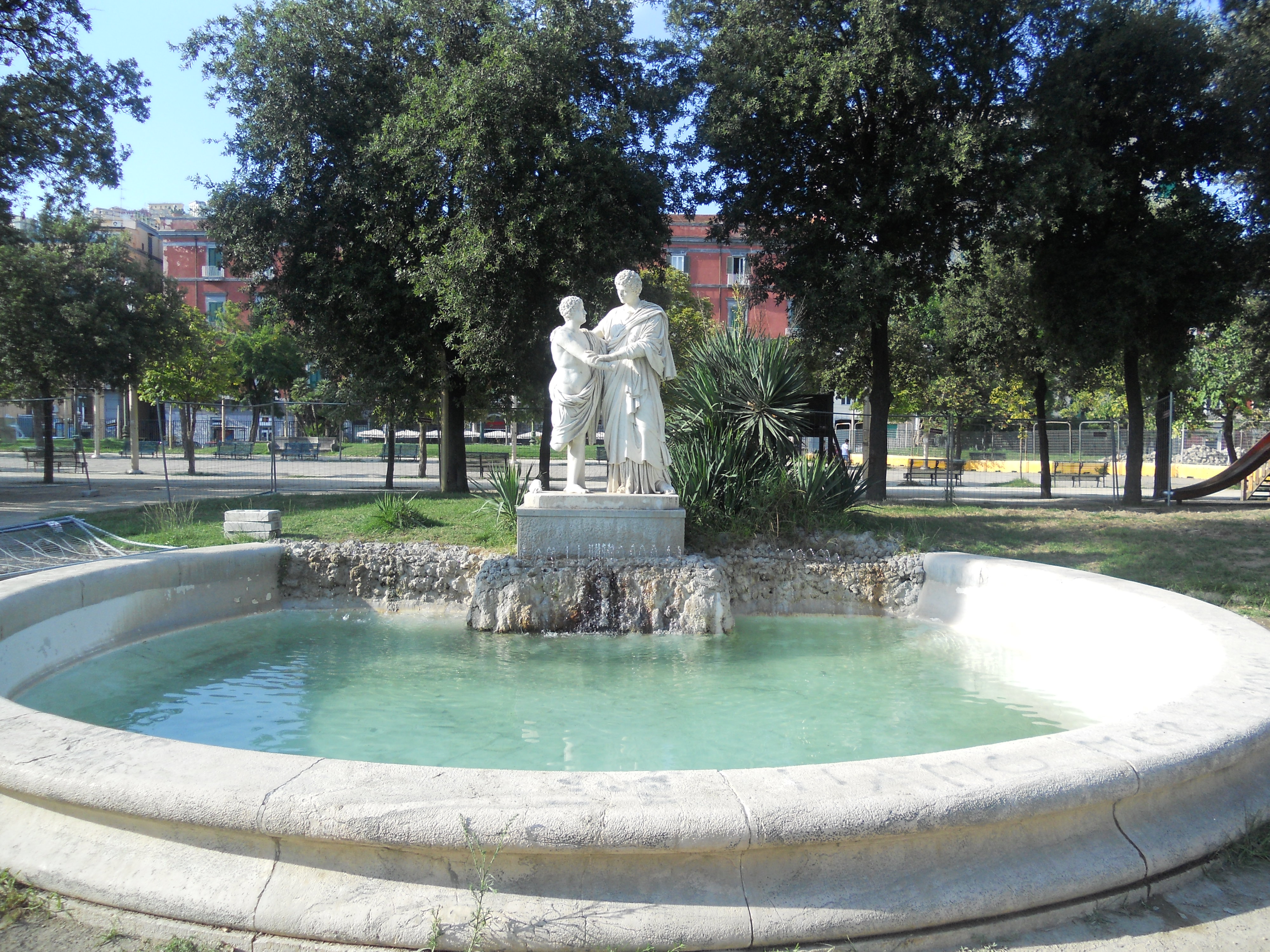
- Visual Highlights: The sculpted figures—often interpreted as mythological twins Castor and Pollux—stand guard over the basin, their stone faces softened by the play of light. The water flows in a modest cascade, creating a reflective surface that mirrors the surrounding baroque façades.
- Photography: The fountain’s low‑angle perspective works well with wide‑angle lenses. Capture the contrast between the fountain’s smooth marble and the textured brick walls behind it. Nighttime illumination (if available) adds a magical glow.
- Local Interaction: Expect to see locals gathering for a quick drink, a brief chat, or a moment of reflection. Respect the space—avoid climbing on the stonework and keep the area clean.
6. Nearby Attractions
While you’re in the vicinity, make the most of your time by exploring these nearby fountains and landmarks, each just a short stroll away:
- Fontana di Santa Lucia – 0.1 km
- Flora Capitolina – 0.2 km
- Fontana della Tazza di Porfido – 0.2 km
- Il Pescatore di Granchi – 0.2 km
Other must‑see sites within walking distance:
- Via San Gregorio Armeno – world‑renowned for its nativity workshops.
- Piazza del Plebiscito – the grand civic square flanked by the Royal Palace and the Church of San Francesco di Paola.
- Galleria Umberto I – an elegant 19th‑century shopping arcade with glass‑dome architecture.
7. Travel Tips
- Dress Comfortably: Cobblestone streets can be uneven; wear supportive shoes.
- Stay Hydrated: Naples can be hot; carry a reusable water bottle (you can refill at the fountain if locals permit).
- Cash for Small Purchases: Many nearby cafés and souvenir stalls prefer cash, especially for low‑value items.
- Respect the Site: The fountain is a protected historic monument. Avoid touching the sculptures and dispose of any litter in designated bins.
- Timing for Photos: Early morning or late afternoon provides soft, diffused light—ideal for capturing the stone’s details.
- Local Language: A simple “Buongiorno” or “Grazie” goes a long way. Most locals appreciate even a basic attempt at Italian.
- Safety: The area is generally safe, but keep an eye on personal belongings, especially in crowded markets.
Wrap‑Up
The Fontana di Lucio Papirio may not dominate travel guide headlines, but its understated elegance and authentic Neapolitan vibe make it a rewarding stop for any traveler seeking to go beyond the usual tourist trail. Combine a visit with the surrounding fountains, soak up the baroque atmosphere of central Napoli, and you’ll leave with a deeper appreciation for the city’s layered history and its love for water, art, and community.
Ready to add a splash of culture to your Naples itinerary? Grab your camera, lace up those walking shoes, and let the Fontana di Lucio Papirio guide you into the heart of Campania’s timeless charm.