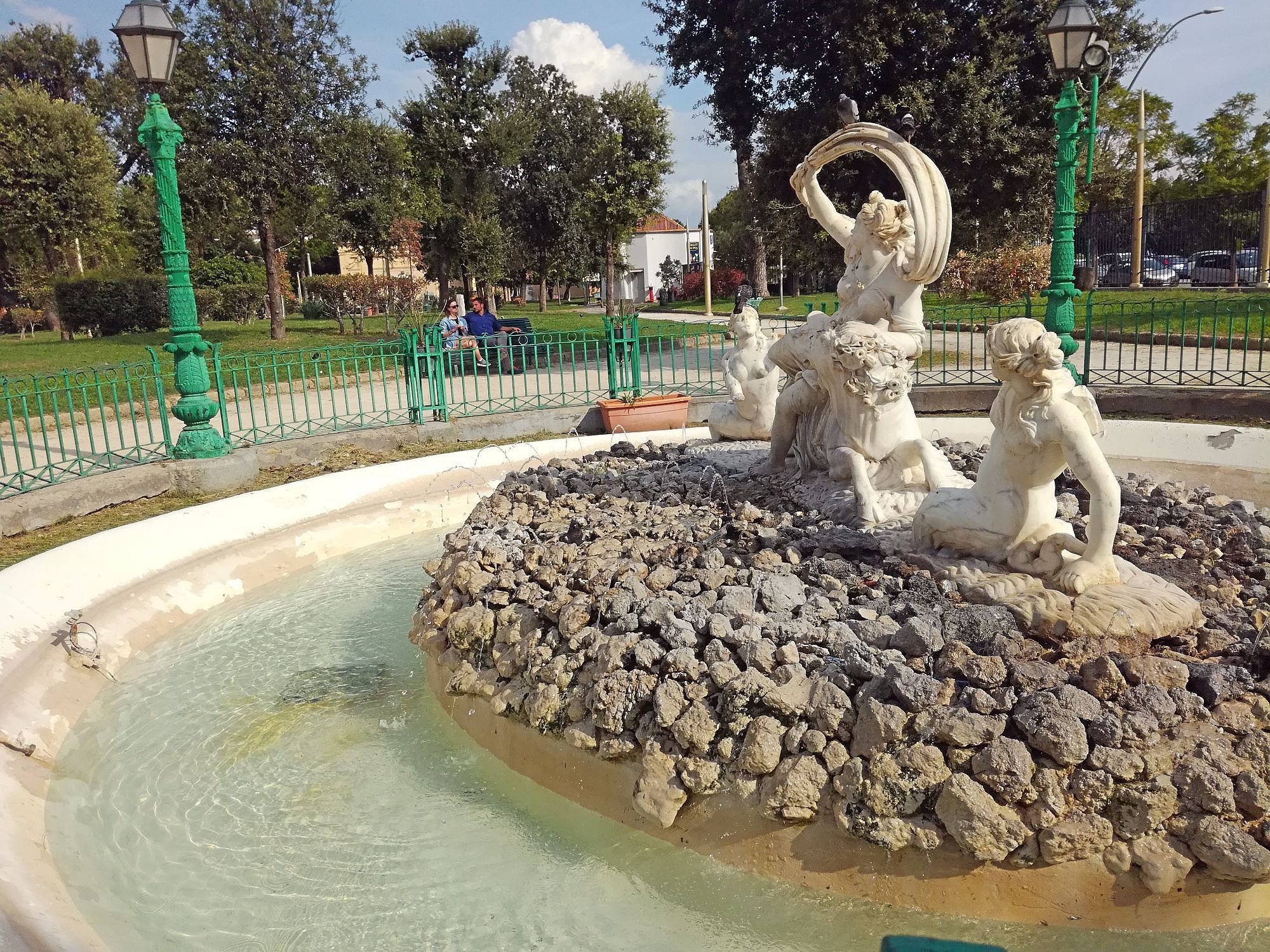
Fontana della Tazza di Porfido – Naples’ Hidden Porphyry Gem
Discover the story, the setting, and the perfect way to experience one of Campania’s most understated fountains.
1. Introduction
If you wander the bustling streets of Napoli looking for the usual tourist magnets—Pompeii, the Amalfi Coast, or the iconic Castel dell'Ovo—you might miss a quiet, elegant piece of the city’s water heritage: Fontana della Tazza di Porfido. Tucked away in the historic heart of Naples, this modest fountain boasts a striking porphyry basin (the “tazza di porfido”) that glistens under the Mediterranean sun. It may not appear on every travel itinerary, but for curious explorers and lovers of Baroque‑era urban design, it offers a perfect snapshot of Naples’ layered past and its enduring love affair with water.
In this guide, we’ll dive into the fountain’s history, show you how to reach it, suggest the best times to visit, and point out nearby attractions that can turn a quick stop into a full‑day cultural adventure. Whether you’re planning a leisurely stroll through the city’s historic center or a focused “fountains of Campania” tour, the Fontana della Tazza di Porfido deserves a spot on your map.
2. About Fontana della Tazza di Porfido
A Brief Description
- Name: Fontana della Tazza di Porfido
- Type: Fountain ⛲
- Location: Napoli, Campania, Italy
- Coordinates: 40.832938, 14.237591
The fountain’s most striking feature is its porphyry basin—a deep, dark‑red stone that was historically prized for its durability and imperial connotations. The basin rests on a simple yet elegant stone pedestal, surrounded by a modest stone rim that invites passersby to pause and admire the water’s gentle flow.
Historical Roots
The exact construction date of the Fontana della Tazza di Porfido is not recorded in official archives, but its design language aligns with the late‑Baroque and early‑Neoclassical periods that reshaped Naples in the 18th and early 19th centuries. During that era, the city embarked on an ambitious public‑works program, installing fountains to provide clean drinking water, improve sanitation, and showcase artistic craftsmanship.
The use of porphyry (Italian: porfido) is significant. In ancient Roman times, porphyry was reserved for imperial monuments and triumphal arches, symbolizing power and prestige. By incorporating a porphyry basin into a municipal fountain, Neapolitan authorities subtly linked the everyday act of drinking water with the city’s illustrious Roman heritage.
Cultural Significance
While the Fontana della Tazza di Porfido does not dominate guidebooks, it plays a quiet role in the social fabric of the neighborhood. Locals often gather nearby for a quick coffee, a chat, or simply to enjoy the soothing sound of water—an urban oasis amid the vibrant chaos of Napoli’s streets. For historians and architecture enthusiasts, the fountain offers a tangible link to the city’s water‑distribution network and its evolution from medieval cisterns to modern plumbing.
3. How to Get There
By Public Transport
- Metro: Take Line 1 (Yellow) to the Università station. From there, walk south‑west for about 8 minutes (≈650 m) following Via Università until you reach the fountain’s square.
- Bus: Routes R1, R2, and R4 stop at Piazza Cavour, which is a short 5‑minute stroll to the fountain. Check the latest ATAC Napoli timetables for real‑time updates.
By Walking
If you’re staying in the historic center (e.g., near Spaccanapoli, Piazza del Plebiscito, or the Naples Cathedral), the fountain is within a comfortable 10‑15‑minute walk. Use the coordinates 40.832938, 14.237591 in any GPS app to pinpoint the exact spot.
By Car / Taxi
Parking in the immediate vicinity is limited due to narrow medieval streets. It’s advisable to use a taxi or a ride‑sharing service (e.g., Free Now, Uber) and ask the driver to drop you off at the nearest curb on Via San Gregorio Armeno. From there, the fountain is just a few steps away.
4. Best Time to Visit
| Season | Why It Works | Tips |
|---|---|---|
| Spring (March‑May) | Mild temperatures (15‑22 °C) and blooming street flowers create a photogenic backdrop. | Arrive early morning to avoid the midday tourist rush. |
| Early Summer (June) | Longer daylight hours let you linger longer, and the fountain’s water glistens under bright sunshine. | Bring a reusable water bottle—Naples’ tap water is safe to drink! |
| Autumn (September‑October) | Pleasant evenings and fewer crowds make for relaxed photo sessions. | Capture the golden hour light reflecting off the porphyry basin. |
| Winter (November‑February) | The fountain is quieter, and you can enjoy a warm espresso at a nearby café while watching locals. | Dress in layers; Naples can be rainy, especially in December. |
Overall, late spring to early autumn offers the most comfortable weather for strolling, while early mornings (7‑9 am) provide the best lighting for photography and a peaceful atmosphere.
5. What to Expect
When you arrive at the Fontana della Tazza di Porfido, you’ll be greeted by a modest square framed by historic stone buildings. The fountain’s dark porphyry basin contrasts beautifully with the pale limestone of the surrounding walls, creating a visual focal point that draws the eye. The water flows at a gentle, steady pace—enough to create a soft murmur without overwhelming the space.
Sensory Highlights
- Sight: The deep red‑brown hue of the porphyry catches the sun, revealing subtle veins that look almost like ancient marble.
- Sound: A constant, soothing trickle provides a natural soundtrack, muffling the city’s occasional traffic noise.
- Touch: If you’re curious, you can dip your fingers into the cool water (though locals usually keep a respectful distance).
- Taste: The fountain supplies potable water, so you can fill a bottle and enjoy fresh, mineral‑rich water on the go.
Because the fountain is not heavily commercialized, you’ll often find a few locals sitting on nearby benches, chatting, or reading newspapers. This authentic atmosphere offers a glimpse into everyday Neapolitan life—far from the staged photo‑ops of major tourist sites.
6. Nearby Attractions
The fountain sits in a cluster of historic water features and cultural landmarks, making it an ideal launchpad for a mini‑tour of Naples’ “fountain trail.” All distances are walking distance (≤ 0.2 km).
| Attraction | Distance | Why Visit? | Link |
|---|---|---|---|
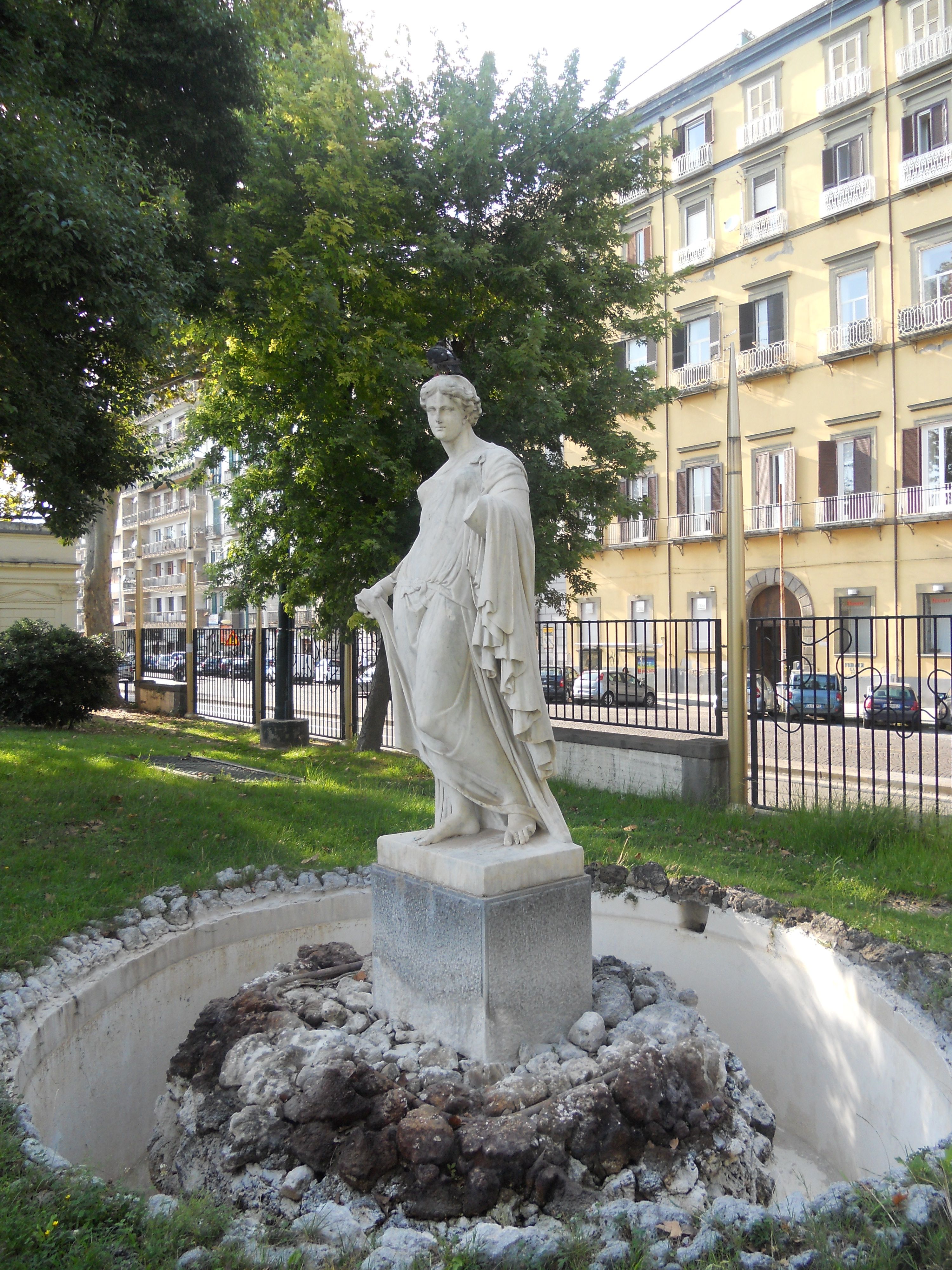
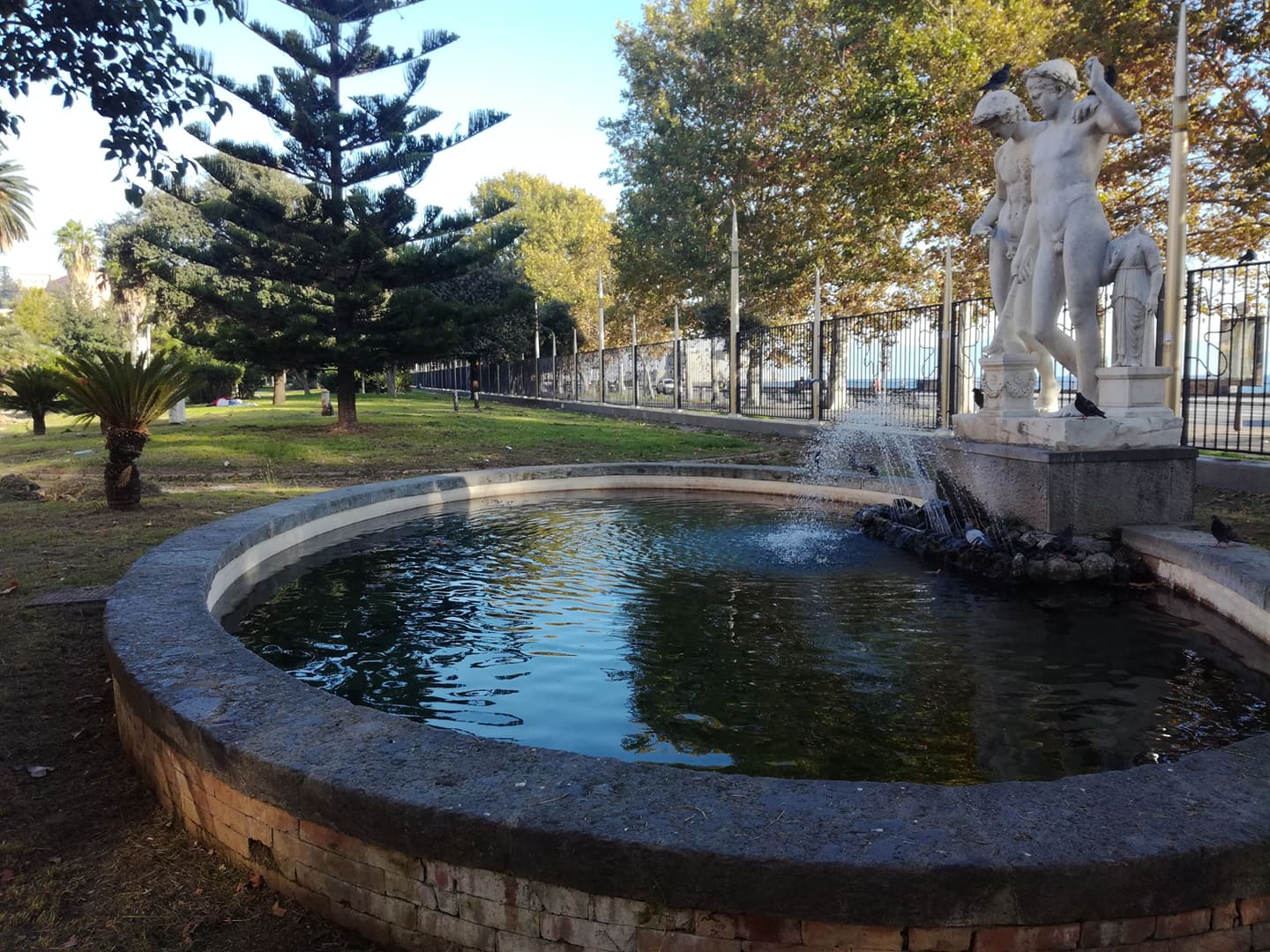
| Flora Capitolina (fountain) | 0 km – literally next door | A small, ornamental fountain surrounded by lush potted plants; perfect for a quick photo. | Flora Capitolina |
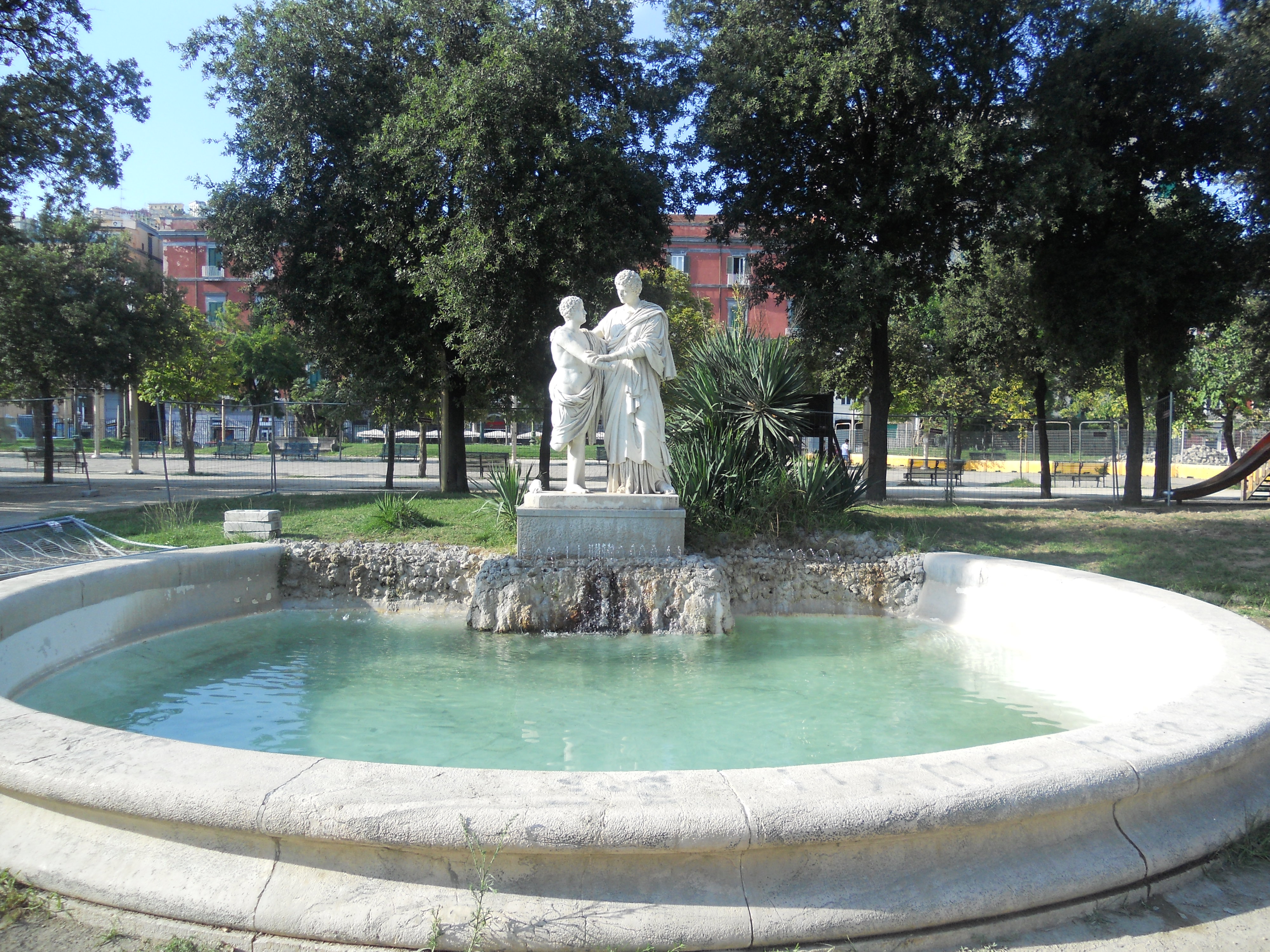
| Fontana di Santa Lucia | 0.1 km | Dedicated to the patron saint of sailors; features a stone statue of Santa Lucia holding a lamp. | Fontana di Santa Lucia |
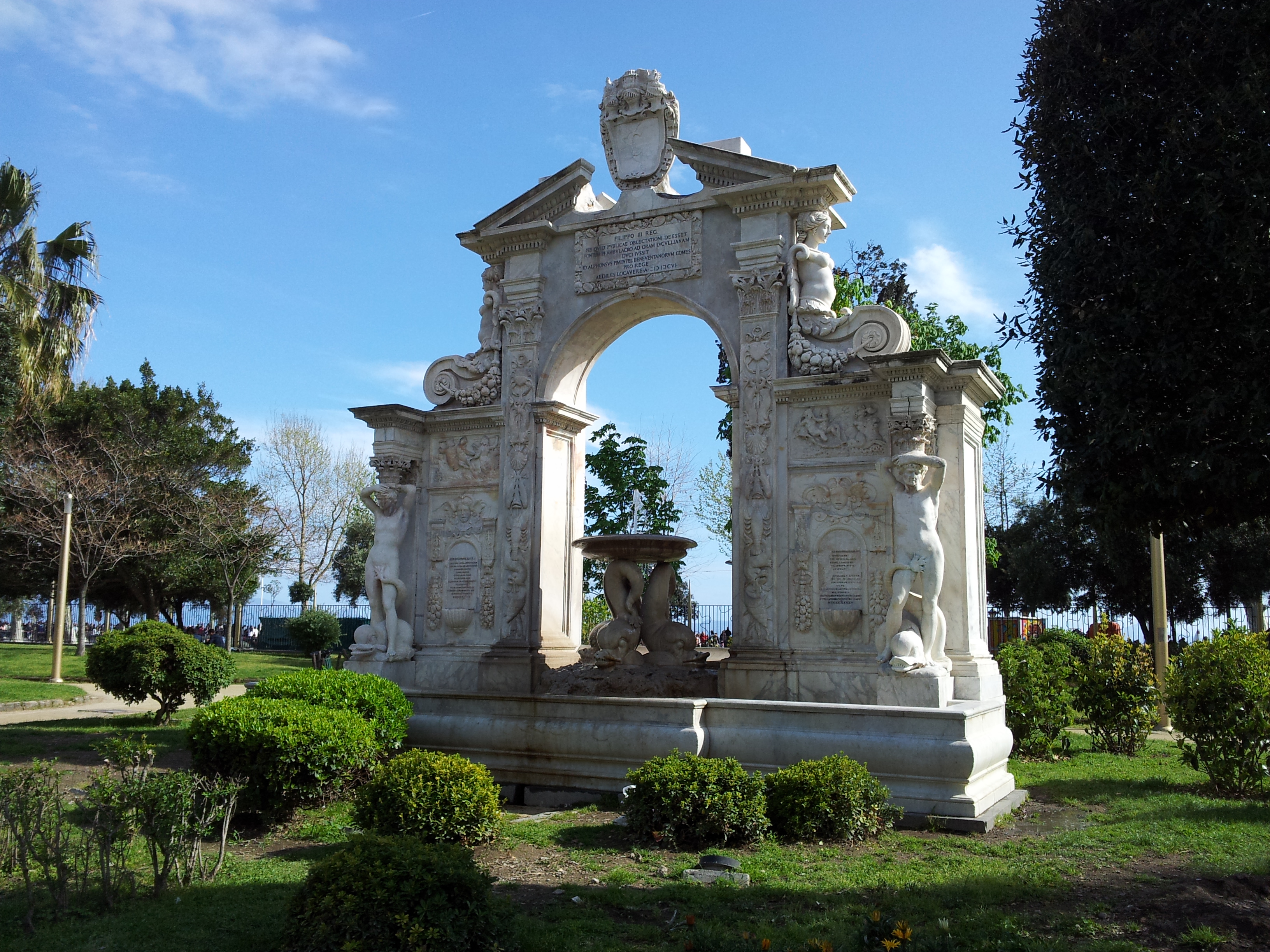
| Fontana di Lucio Papirio (first entry) | 0.1 km | A Renaissance‑style fountain with a sculpted basin; reflects the city’s 16th‑century water reforms. | Fontana di Lucio Papirio |
| Fontana di Lucio Papirio (second entry) | 0.2 km | Slightly farther but worth the extra steps; offers a different perspective on the same historic figure. | Fontana di Lucio Papirio |
Bonus Nearby Spots (a short walk away)
- Via San Gregorio Armeno – famous for its handcrafted nativity figurines.
- Naples Cathedral (Duomo di Napoli) – a stunning Baroque cathedral housing the relic of San Gennaro.
- Piazza del Gesù Nuovo – lively square with cafés and the iconic Gesù Nuovo church.
By combining the Fontana della Tazza di Porfido with these neighboring sites, you can easily fill a half‑day itinerary that blends water history, religious art, and local craftsmanship.
7. Travel Tips
| Tip | Details |
|---|---|
| Wear comfortable shoes | The historic center’s cobblestones can be uneven. Good walking shoes will keep you steady. |
| Stay hydrated | While the fountain provides drinkable water, bring a reusable bottle for convenience. |
| Mind the traffic | Some streets around the fountain are one‑way and can be busy with scooters. Look both ways before crossing. |
| Respect local customs | Neapolitans often use fountains for a quick drink; avoid littering and keep noise levels moderate. |
| Photography | Early morning light (sunrise to 9 am) gives the best contrast on the porphyry basin. A polarizing filter can reduce glare. |
| Language | Most locals speak Italian; a few English speakers are present in tourist zones. Knowing basic Italian phrases (“Buongiorno,” “Grazie”) goes a long way. |
| Safety | Naples is generally safe for tourists, but keep an eye on personal belongings, especially in crowded markets nearby. |
| Combine with food | After visiting the fountain, treat yourself to a classic Neapolitan pizza at a nearby pizzeria—many are just a few steps away. |
Final Thought
The Fontana della Tazza di Porfido may not have the grandeur of a Renaissance palace, but its quiet elegance, historic porphyry basin, and central location make it a hidden treasure for any traveler seeking authentic Naples. Pair it with the surrounding fountains, sip an espresso at a street‑side café, and you’ll capture a slice of Campania life that most guidebooks overlook.
Ready to add this charming fountain to your itinerary? Grab your camera, lace up those walking shoes, and let the sound of flowing water guide you through the heart of Napoli.
Buon viaggio!