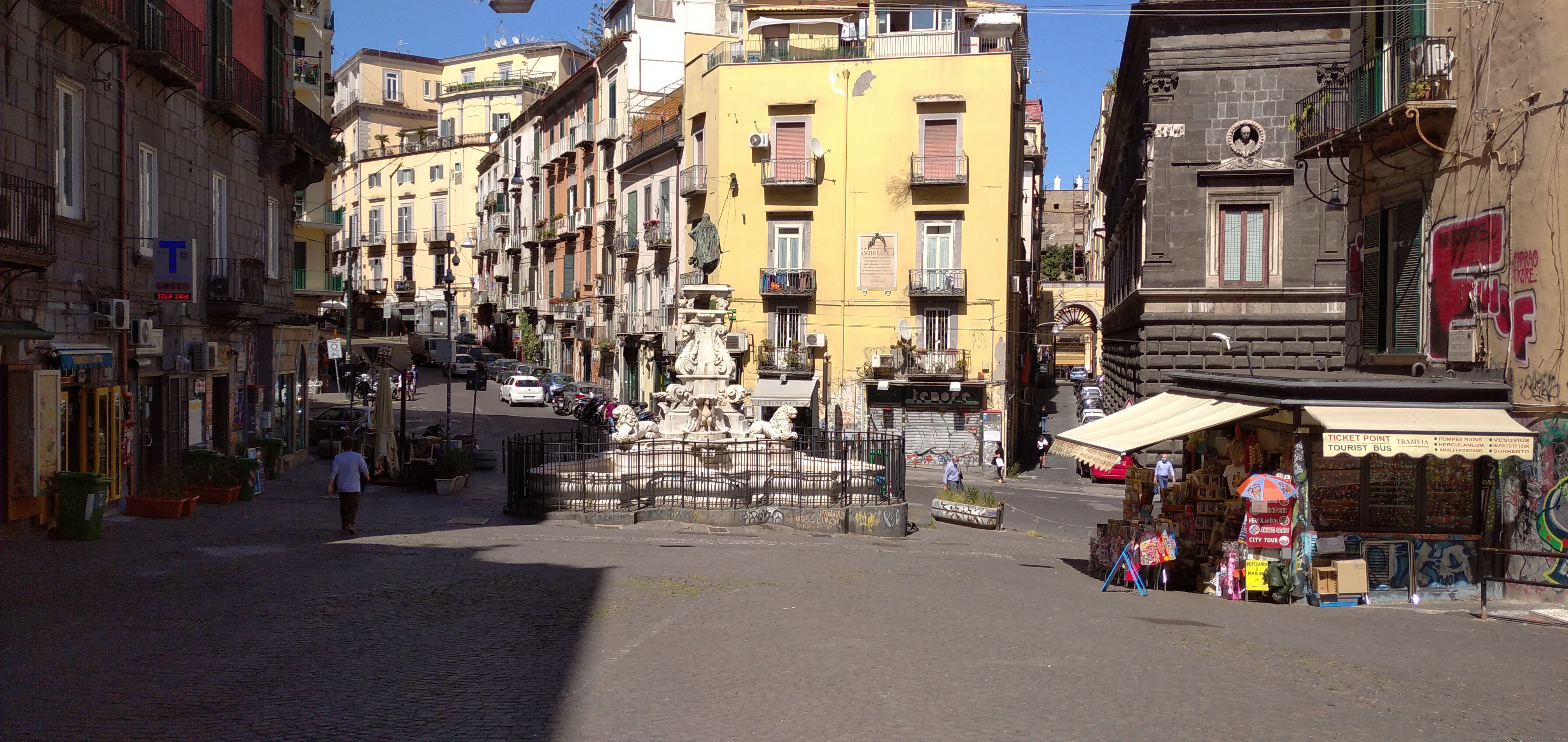
Fontana della Maruzza – Naples’ Hidden Water‑Works Gem
Discover the charm of a lesser‑known fountain tucked in the bustling streets of Naples, Campania. Whether you’re a history buff, a photography enthusiast, or simply wandering the alleys of the city, Fontana della Maruzza offers a quiet splash of culture and intrigue.
1. Introduction
When you think of Naples, the first images that come to mind are probably the dramatic coastline, the towering silhouette of Mount Vesuvius, and the aroma of fresh pizza drifting from street‑side ovens. Yet, beyond the iconic landmarks lies a network of tiny, marble‑kissed fountains that have been quenching the city’s thirst for centuries. One of the most enchanting of these is Fontana della Maruzza, a modest yet captivating fountain that sits at the crossroads of everyday Neapolitan life and centuries‑old tradition.
A quick glance at its stone basin, the gentle cascade of water, and the subtle carvings tells a story that is both intimate and timeless. For travelers craving an off‑the‑beaten‑path experience, this fountain is a perfect micro‑adventure that blends history, art, and the simple pleasure of pausing in a bustling piazza.
2. About Fontana della Maruzza
Description
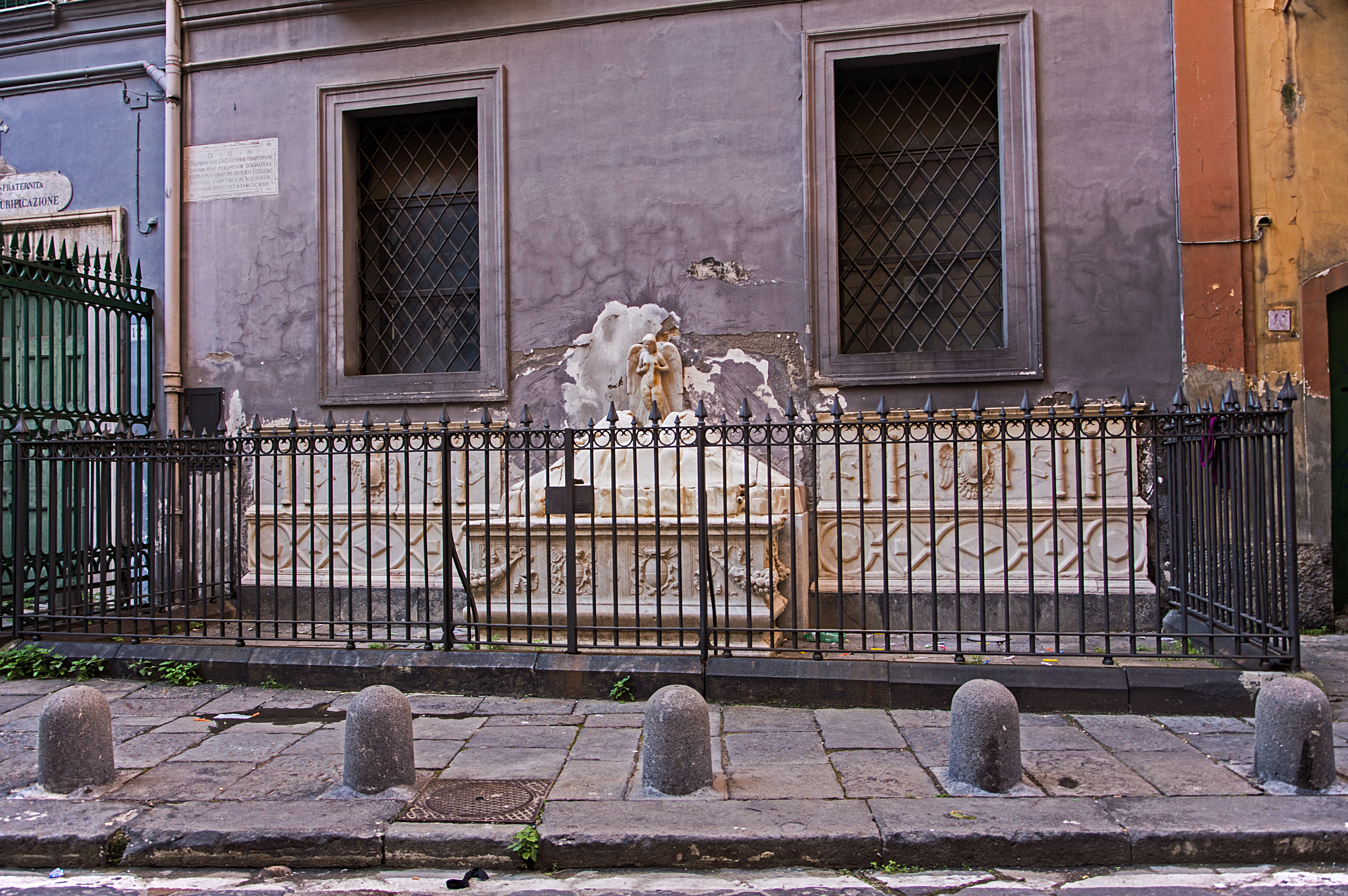
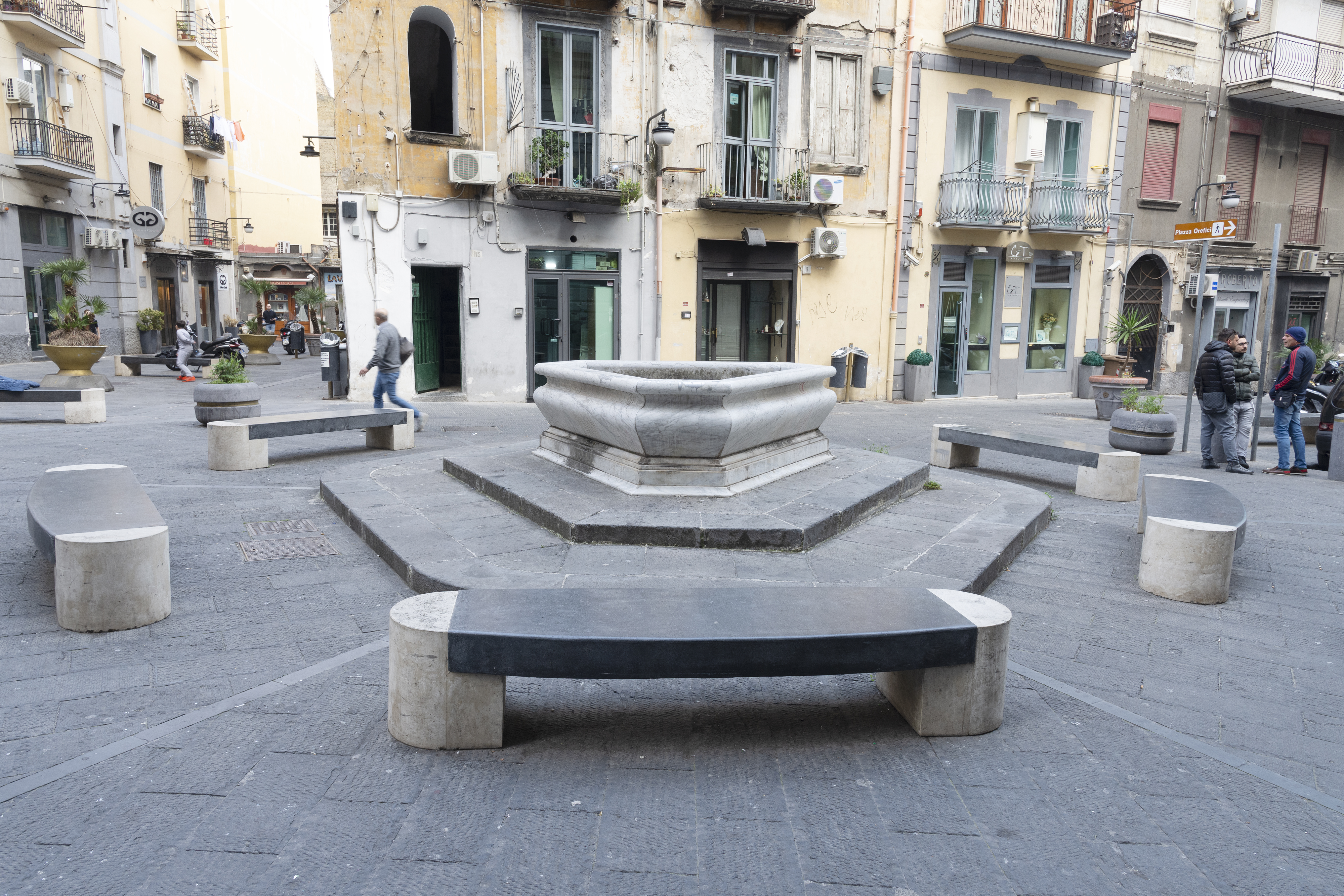
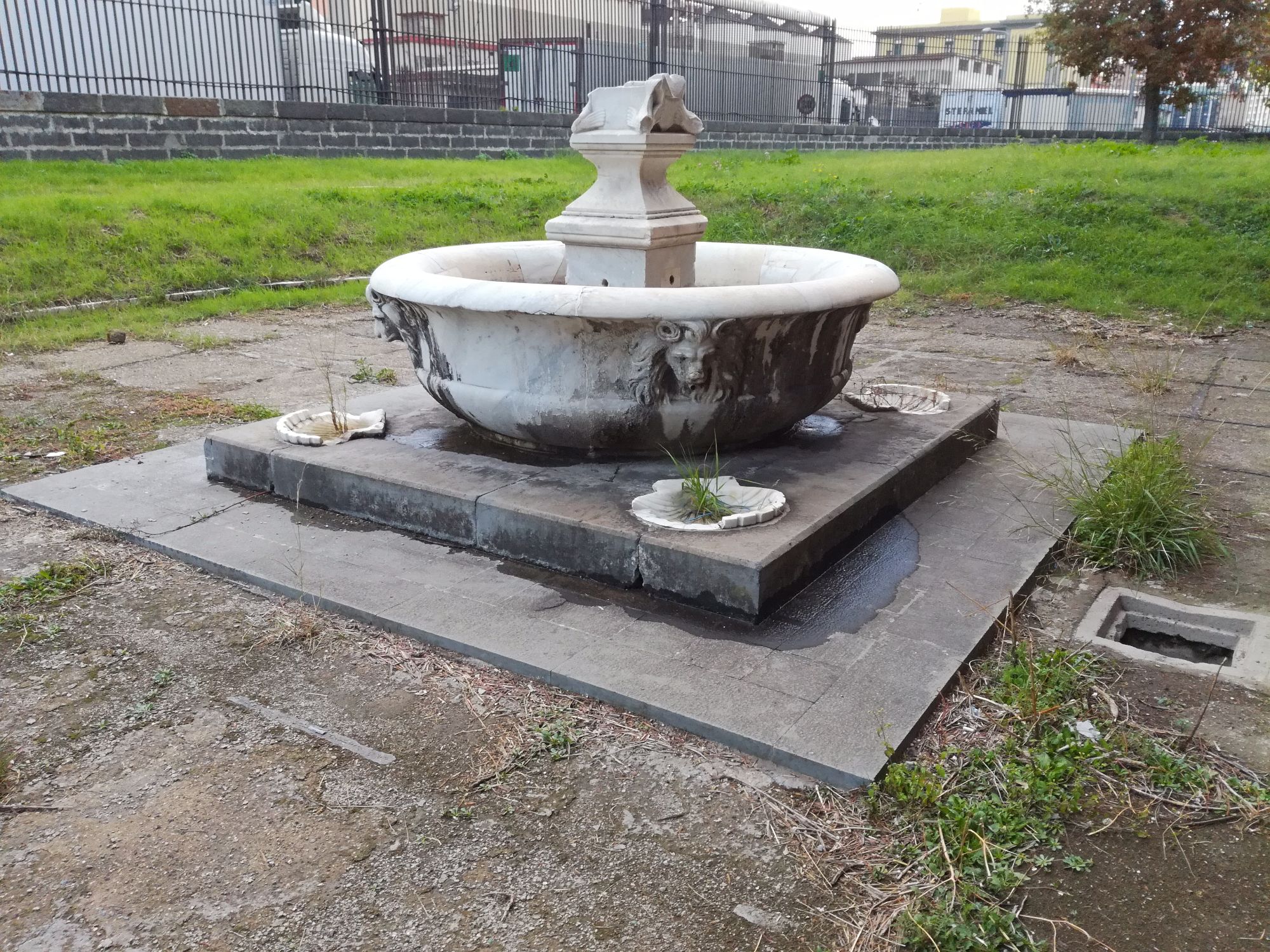
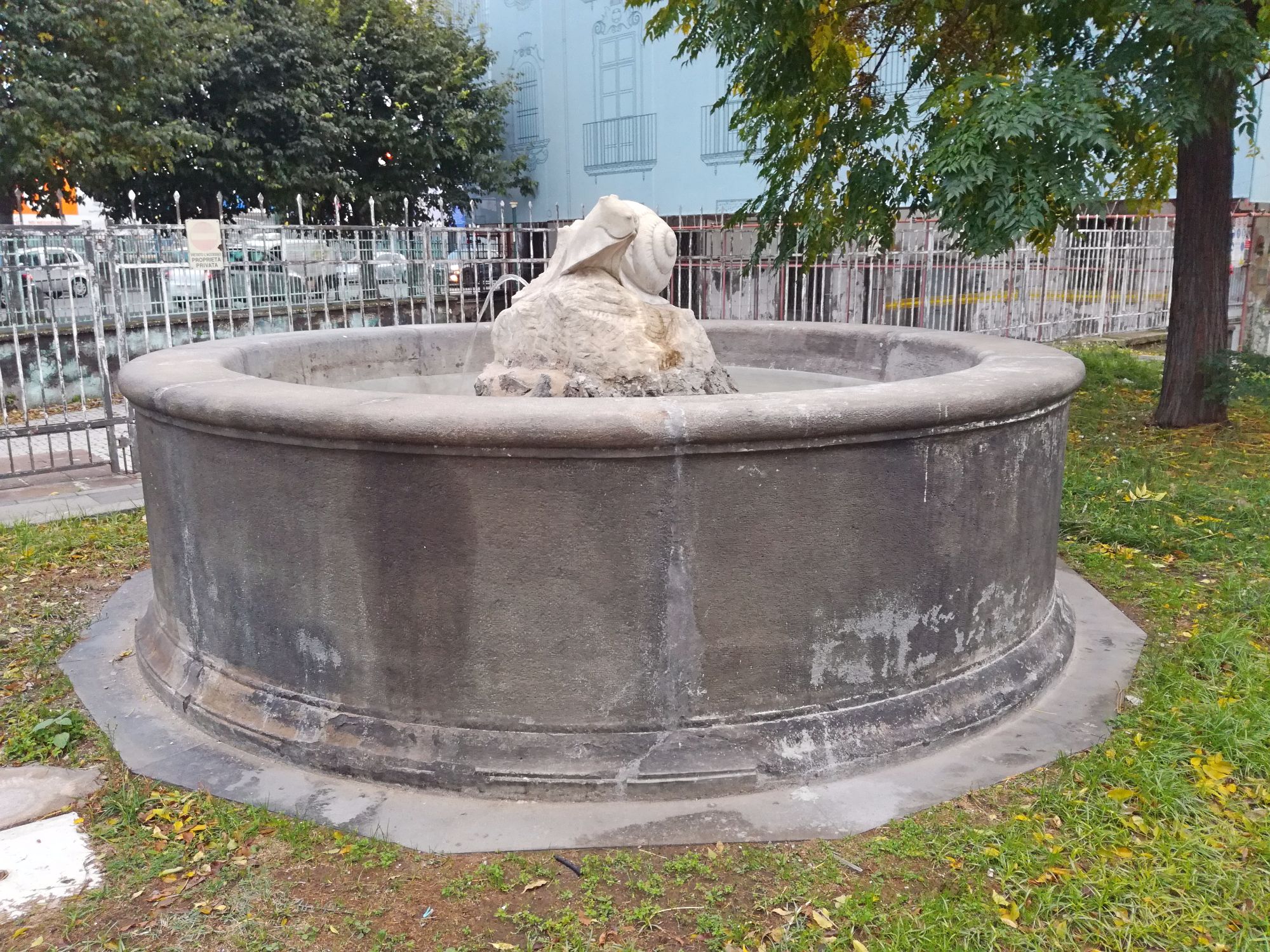
Fontana della Maruzza is a stone fountain located in the heart of Napoli, Campania, Italy (coordinates: 40.843061, 14.257707). While the exact height and altitude of the structure remain undocumented, its modest size makes it approachable—ideal for close‑up photos and a moment of contemplation. The fountain’s basin is lined with smooth marble, and water gently spills over a modest central jet, creating a soothing soundtrack that contrasts with the city’s lively chatter.
History
The fountain’s name, Maruzza, is believed to be a diminutive or affectionate nickname derived from local dialect, hinting at a personal story that has been woven into the neighborhood’s collective memory. Though detailed archival records are scarce, the fountain dates back to the period when Naples was expanding its public water supply network in the 16th–17th centuries. Like many of the city’s historic fountains, it served both practical and decorative purposes: providing fresh water to residents while showcasing the artistry of local stone carvers.
Significance
In Neapolitan culture, fountains are more than ornamental features; they are social hubs where locals gather, children play, and stories are exchanged. Fontana della Maruzza, tucked away from the tourist throngs, retains this authentic vibe. Its presence is a reminder of the city’s enduring relationship with water—a lifeline that has shaped Naples’ urban fabric from ancient Roman aqueducts to modern municipal systems.
3. How to Get There
By Public Transport
- Metro: The nearest metro stop is Municipio on Line 1, which places you within a 10‑minute walk of the fountain. Follow the signs toward Via San Gregorio Armeno and keep an eye out for the stone markers that lead you into the historic quarter.
- Bus: Several city buses (e.g., routes 140, 151, and 155) pass close to the area. Look for stops labeled “Piazza del Plebiscito” or “Via San Gregorio” and alight a few minutes before the fountain’s location.
By Foot
If you’re staying in central Naples—say, near the Spaccanapoli or Via Toledo—the fountain is easily reachable on foot. The city’s historic center is a pedestrian-friendly maze of narrow lanes, and wandering through it is part of the adventure.
By Car / Taxi
Driving in Naples’ historic core can be challenging due to limited parking and narrow streets. A taxi or rideshare (e.g., FreeNow, Uber) is the most convenient option if you prefer not to walk. Ask the driver to drop you off near Via San Gregorio Armeno; the fountain is just a short stroll away.
Practical Tips
- Ticket: Public transport tickets can be bought at metro stations, newsstands, or via the UnicoCampania app.
- Accessibility: The route to the fountain involves cobblestone streets and occasional steps, so comfortable shoes are advisable.
4. Best Time to Visit
Seasonal Recommendations
| Season | Why Visit? |
|---|---|
| Spring (March‑May) | Pleasant temperatures (15‑22 °C) and blooming street flowers make for perfect photo lighting. |
| Early Autumn (September‑October) | The summer crowds thin out, yet the weather remains mild, allowing a relaxed stroll. |
| Winter (December‑February) | While cooler (8‑14 °C), the fountain’s gentle mist feels magical against the crisp air; plus, you’ll enjoy the festive Neapolitan decorations nearby. |
Time of Day
- Early Morning (7 am‑9 am): Fewer pedestrians, soft natural light, and the chance to hear the fountain’s water without the city’s midday hustle.
- Golden Hour (around sunset): The stone glows warm, and the surrounding alleys are bathed in amber tones—ideal for Instagram‑ready shots.
5. What to Expect
Arriving at Fontana della Maruzza, you’ll notice an immediate shift from the bustling streets to a pocket of calm. The water’s gentle cascade creates a subtle mist that cools the surrounding air—a welcome respite during hot summer afternoons.
Locals often pause here for a quick drink, a chat, or simply to admire the craftsmanship of the stonework. You may hear the occasional clink of a coffee cup from nearby cafés, the distant toll of church bells, and the soft chatter of passersby.
Because the fountain is not a major tourist magnet, you’ll have space to sit on the low stone ledge, sketch the scene, or simply watch the world go by. Photographers love the interplay of light and shadow that the surrounding architecture creates, while history enthusiasts can imagine the centuries of daily life that have unfolded around this modest water source.
6. Nearby Attractions
While you’re in the area, why not explore a handful of other historic fountains that dot the Neapolitan landscape? Each offers its own slice of art, legend, and local flavor.
- Fontana della Spinacorona – Just 0.4 km away, this fountain boasts a distinctive crown‑shaped stonework.
- Fontana della Pietra del Pesce – Also 0.4 km distant, known for its fish‑carved motifs that hint at Naples’ maritime heritage.
- Fontana della Sellaria – A short 0.6 km walk brings you to this elegant fountain, once a meeting point for local artisans.
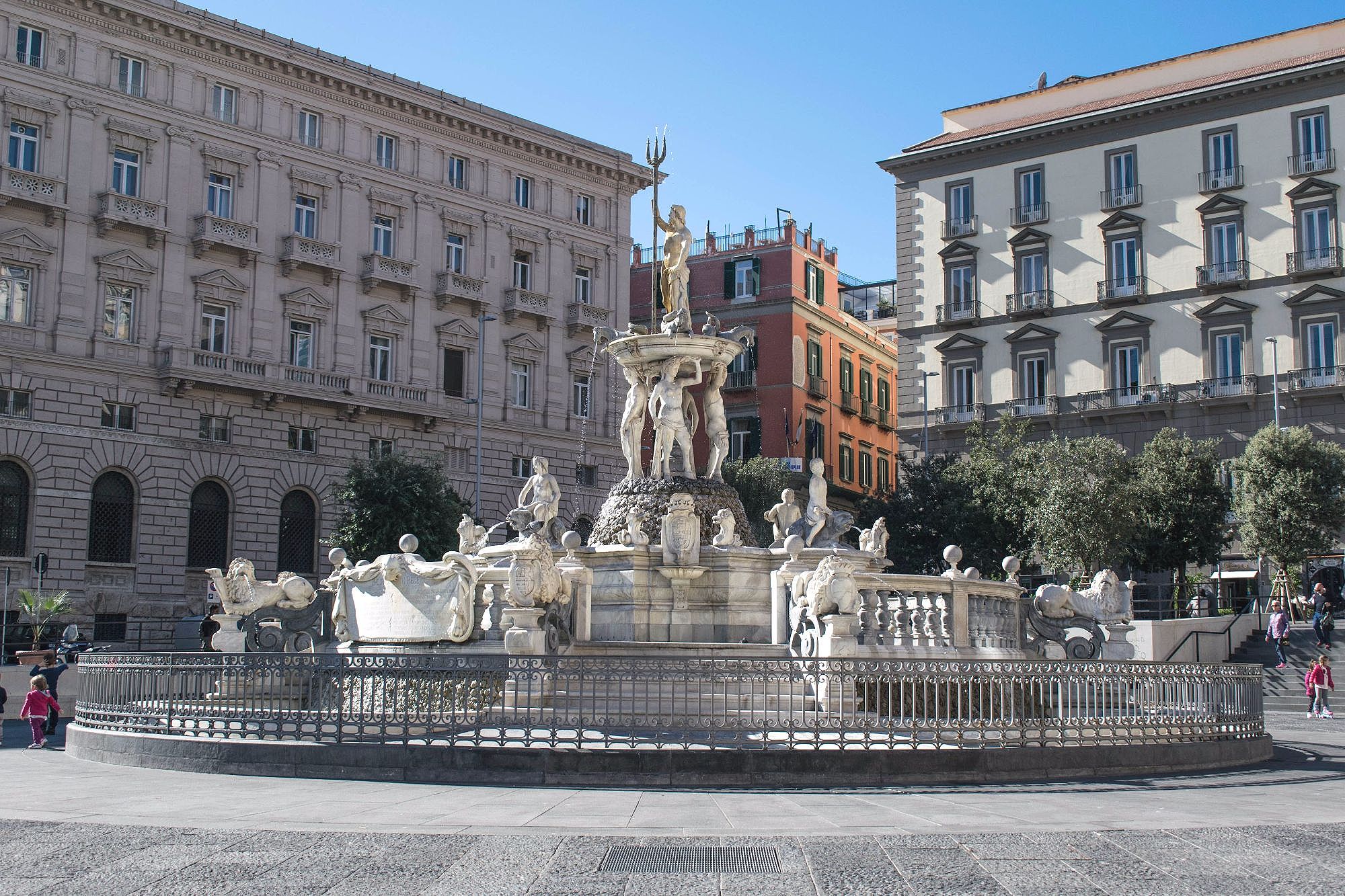
- Fontana del Nettuno – 0.6 km away, featuring a majestic Neptune statue that celebrates the city’s deep connection to the sea.
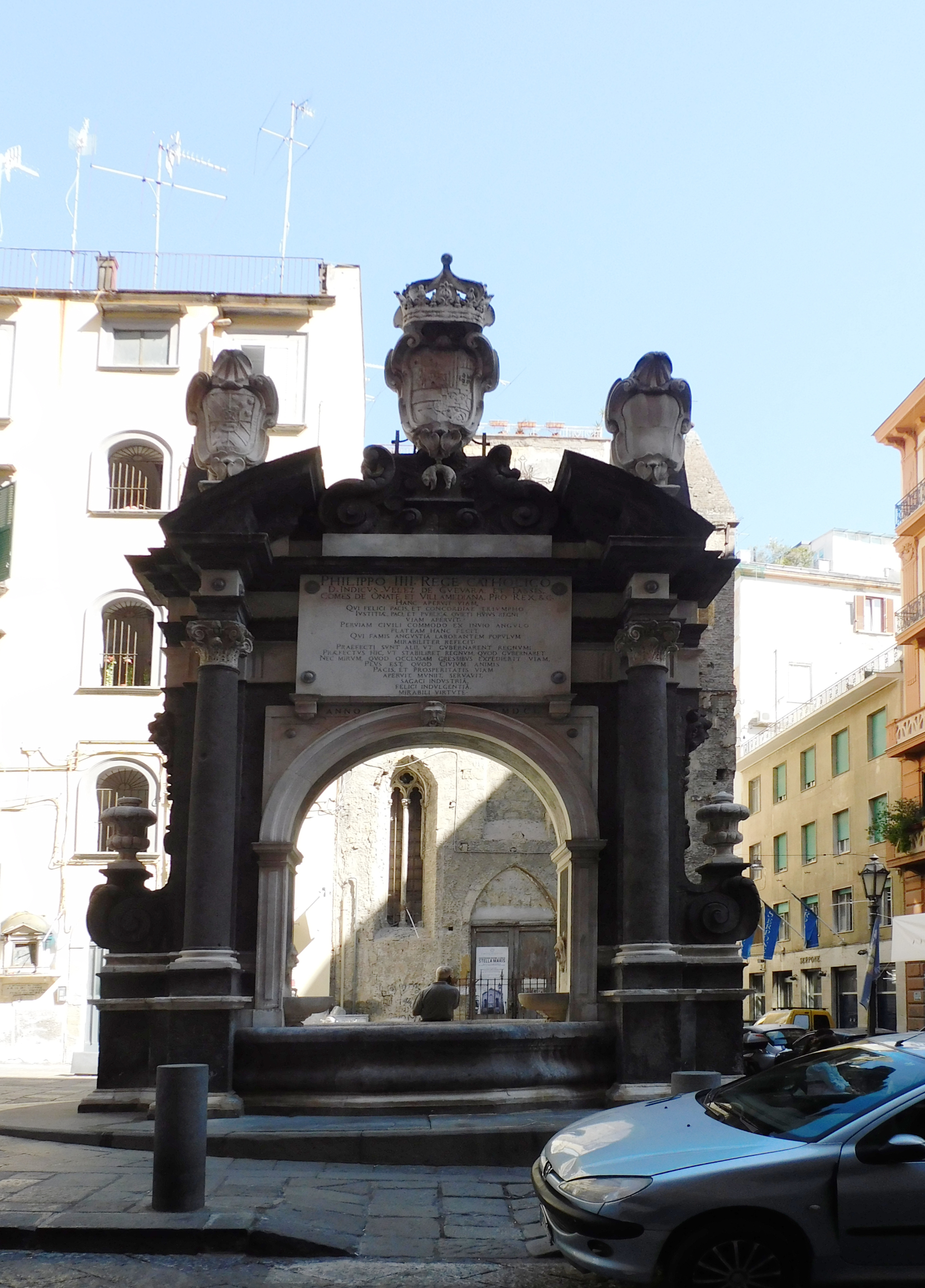
- Fontana di Monteoliveto – Another 0.6 km stroll leads to this historic fountain, nestled near the Monteoliveto church and offering a glimpse into Baroque design.
These neighboring fountains can be combined into a leisurely walking tour, allowing you to soak up the atmosphere of Naples’ historic center while snapping a series of captivating water‑themed photographs.
7. Travel Tips
| Tip | Details |
|---|---|
| Stay Hydrated | Even though the fountain provides fresh water, carry a reusable bottle for convenience, especially in summer. |
| Dress Comfortably | Cobblestone streets can be uneven; wear supportive shoes and avoid high heels. |
| Respect Local Customs | It’s customary to avoid drinking directly from historic fountains; instead, use a cup or bottle. |
| Photography | Early morning or late afternoon provides the best natural light. A wide‑angle lens captures the surrounding architecture. |
| Combine with Food | The area is peppered with traditional pizzerias and espresso bars. Grab a slice of Pizza Margherita or a caffè after your visit. |
| Safety | Naples is generally safe for tourists, but keep an eye on personal belongings in crowded areas. |
| Language | While many locals speak basic English, learning a few Italian phrases (e.g., “Buongiorno,” “Grazie”) enhances the experience. |
| Local Events | Check the city’s cultural calendar; festivals or street performances often occur near historic fountains, adding an extra layer of vibrancy. |
Final Thought
Fontana della Maruzza may not have the grandeur of a palace or the fame of a world‑renowned museum, but its quiet charm epitomizes the soul of Naples—a city where everyday life intertwines with centuries of history. By pausing at this modest fountain, you’re not just witnessing a piece of stone and water; you’re stepping into a living tableau that has nurtured generations of Neapolitans.
So, lace up your walking shoes, follow the coordinates 40.843061, 14.257707, and let the gentle splash of Fontana della Maruzza guide you into the heart of authentic Naples. Happy travels!