Fontana del Tritone – Naples’ Hidden Baroque Gem
If you wander the bustling streets of Napoli and stumble upon a graceful marble figure spouting water, you’ve just met the Fontana del Tritone. Tucked in Piazza Cavour, this elegant fountain is a quiet oasis of art and history that often slips under the radar of the typical tourist itinerary. In this guide we’ll explore why the Triton Fountain deserves a spot on your Naples travel list, how to reach it, the best moments to visit, and the charming sights that lie just a short stroll away.
About Fontana del Tritone
The Fontana del Tritone (Italian for “Triton Fountain”) is a striking Baroque masterpiece perched in the heart of Napoli, Campania. Though the exact year of its construction is not recorded, the fountain reflects the artistic spirit that flourished in Naples during the 17th‑18th centuries, when the city was a thriving cultural hub of the Spanish and later Bourbon kingdoms.
Design & Symbolism
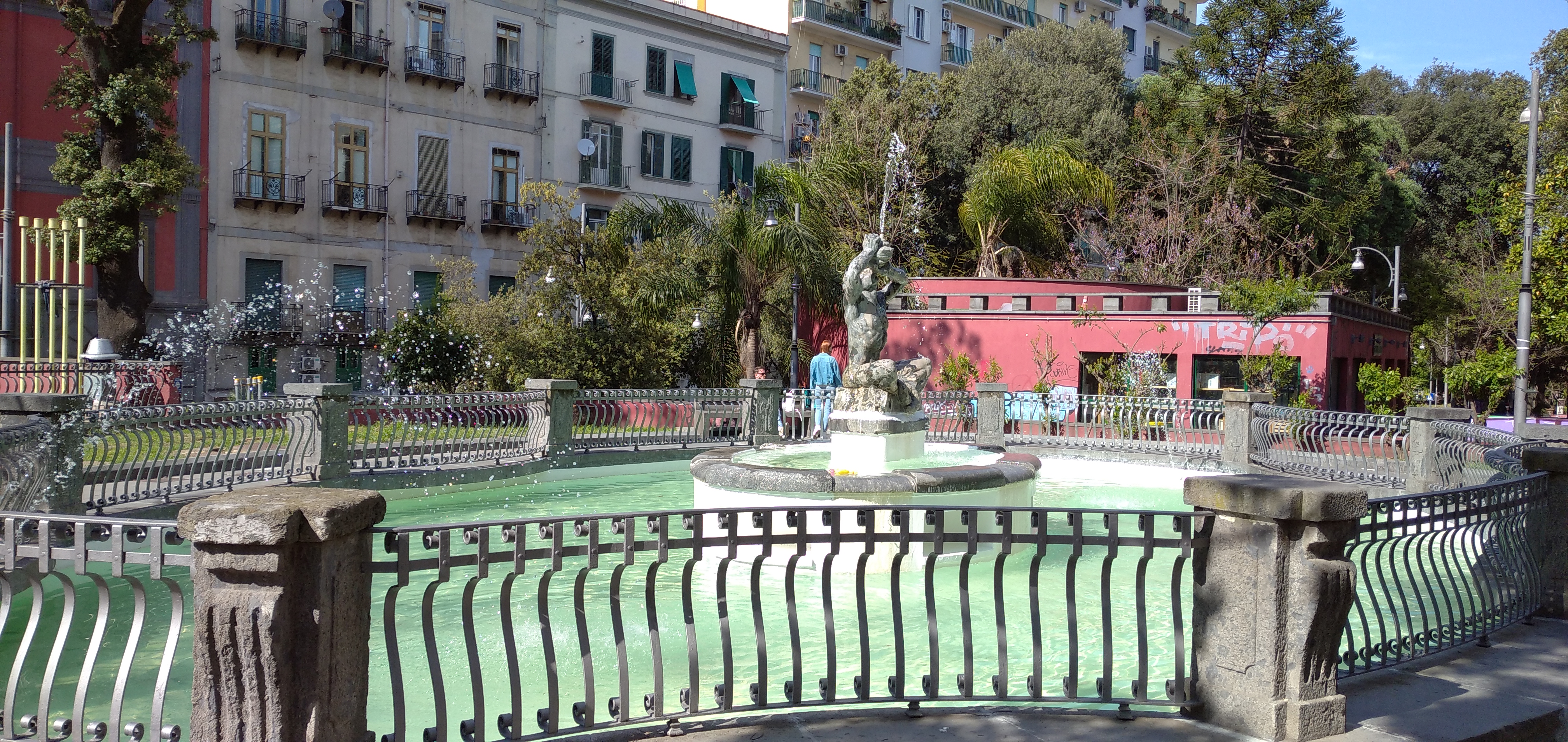
The centerpiece of the fountain is a sculpted Triton, the mythological sea‑god who, in classical lore, blows a conch shell to command the waves. Crafted from marble, the figure appears to command the surrounding water, creating a dynamic interplay of motion and stillness. The surrounding basin, adorned with ornate stonework, channels the water into a gentle cascade that mirrors the Mediterranean’s ever‑changing tides.
Historical Significance
Piazza Cavour, where the fountain stands, was historically a bustling market square. The Fontana del Tritone served both a practical purpose—providing fresh water to locals—and an aesthetic one, embodying the Baroque ideal of turning everyday public spaces into theatrical stages. Over the centuries, the fountain has survived wars, urban redevelopment, and the occasional flood, remaining a beloved landmark for Neapolitans and discerning travelers alike.
Why It Matters
In a city renowned for its grand churches, bustling street food, and dramatic coastline, the Fontana del Tritone offers a moment of quiet reflection. Its understated elegance makes it an ideal spot for photographers, history buffs, and anyone looking to soak up authentic Neapolitan ambience away from the crowds of the nearby Piazza del Plebiscito.
How to Get There
By Public Transport
- Metro: Take Line 1 (the “Yellow Line”) to Università station. From there, walk north‑east for about 7 minutes (≈ 550 m) along Via Università, then turn left onto Via Cavour. The fountain sits in the center of Piazza Cavour.
- Bus: Several city buses stop near the square, including routes 151, 155, and 162. Look for stops labeled “Cavour/Università”.
By Car or Scooter
Parking in the historic center can be challenging, but there are a few paid parking garages within a 10‑minute walk (e.g., Garage Napoli Centro on Via San Giovanni Maggiore). From the garage, follow the signs to Via Cavour; the fountain is visible from the street as you approach the square.
Walking from Major Landmarks
- From Castel Nuovo (Maschio Angioino): 1.2 km, about a 15‑minute walk north along Via San Carlo.
- From Napoli Cathedral (Duomo di Napoli): 1.0 km, roughly a 12‑minute stroll through Via dei Tribunali and Via Duomo.
Coordinates: 40.854159, 14.252504 – paste them into any map app for precise navigation.
Best Time to Visit
| Season | Why Visit | Tips |
|---|---|---|
| Spring (Mar‑May) | Mild temperatures (15‑22 °C) and blooming street flora make the surrounding piazza especially photogenic. | Arrive early (8–9 am) to avoid the commuter rush. |
| Summer (Jun‑Aug) | Long daylight hours let you linger after sunset for a romantic glow on the marble. | Bring water and a hat; the square can get warm in the afternoon. |
| Autumn (Sep‑Nov) | Pleasant evenings and fewer tourists; the fountain’s water glistens in the golden light. | Ideal for a leisurely espresso at a nearby café. |
| Winter (Dec‑Feb) | Quietest period; the fountain’s stone takes on a soft, misty look after a light rain. | Dress warmly; many nearby museums offer indoor alternatives if it’s chilly. |
Overall recommendation: Late spring (mid‑April to early May) offers the perfect blend of comfortable weather, vibrant city life, and manageable crowds.
What to Expect
When you step into Piazza Cavour, the Fontana del Tritone instantly commands attention. The marble Triton, poised with his conch, seems to be mid‑song, his arms outstretched as water arches gracefully around him. The gentle sound of flowing water creates a soothing soundtrack that contrasts with the lively chatter of locals and the occasional street performer.
Sensory Highlights
- Visual: The contrast between the white marble and the deep blue of the water makes for striking photographs, especially during the “golden hour.”
- Auditory: A soft, continuous murmur of water provides a calming backdrop.
- Touch: While touching the fountain is prohibited, the surrounding stone benches invite you to sit, relax, and watch passers‑by.
Atmosphere
During weekday mornings, the square feels almost private—perfect for a quiet coffee while people‑watching. By late afternoon, the space fills with families, students, and tourists, turning the area into a lively communal hub. The fountain’s central location also makes it a convenient meeting point for guided walking tours of Naples’ historic center.
Nearby Attractions
A short walk from the Fontana del Tritone reveals a cluster of other historic fountains and cultural sites—each offering a slice of Campanian charm.
| Attraction | Distance | What to See |
|---|---|---|
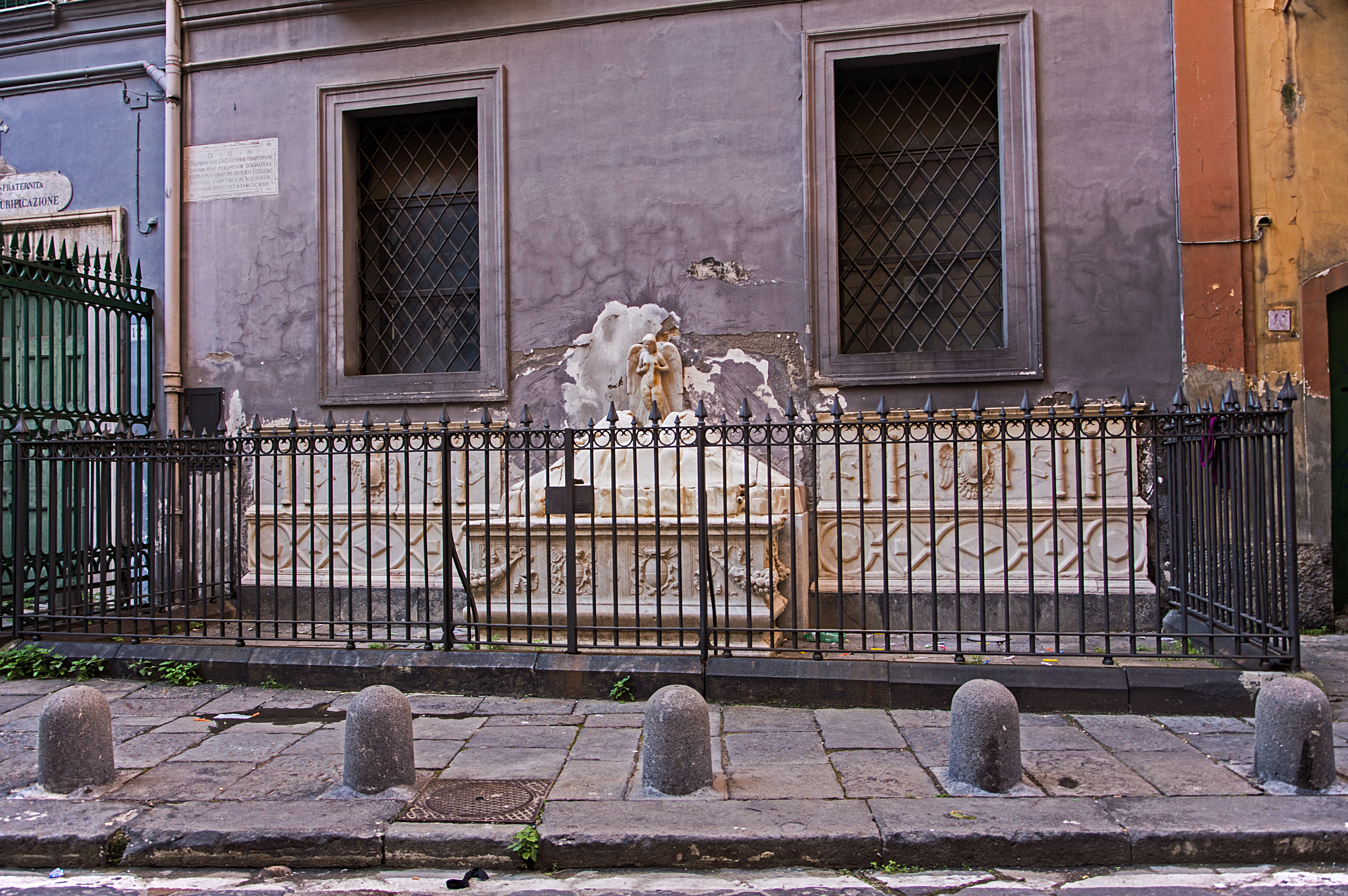
| [Unnamed Fountain] | 0.2 km | A small decorative fountain tucked behind a narrow alley—great for a quick photo stop. |
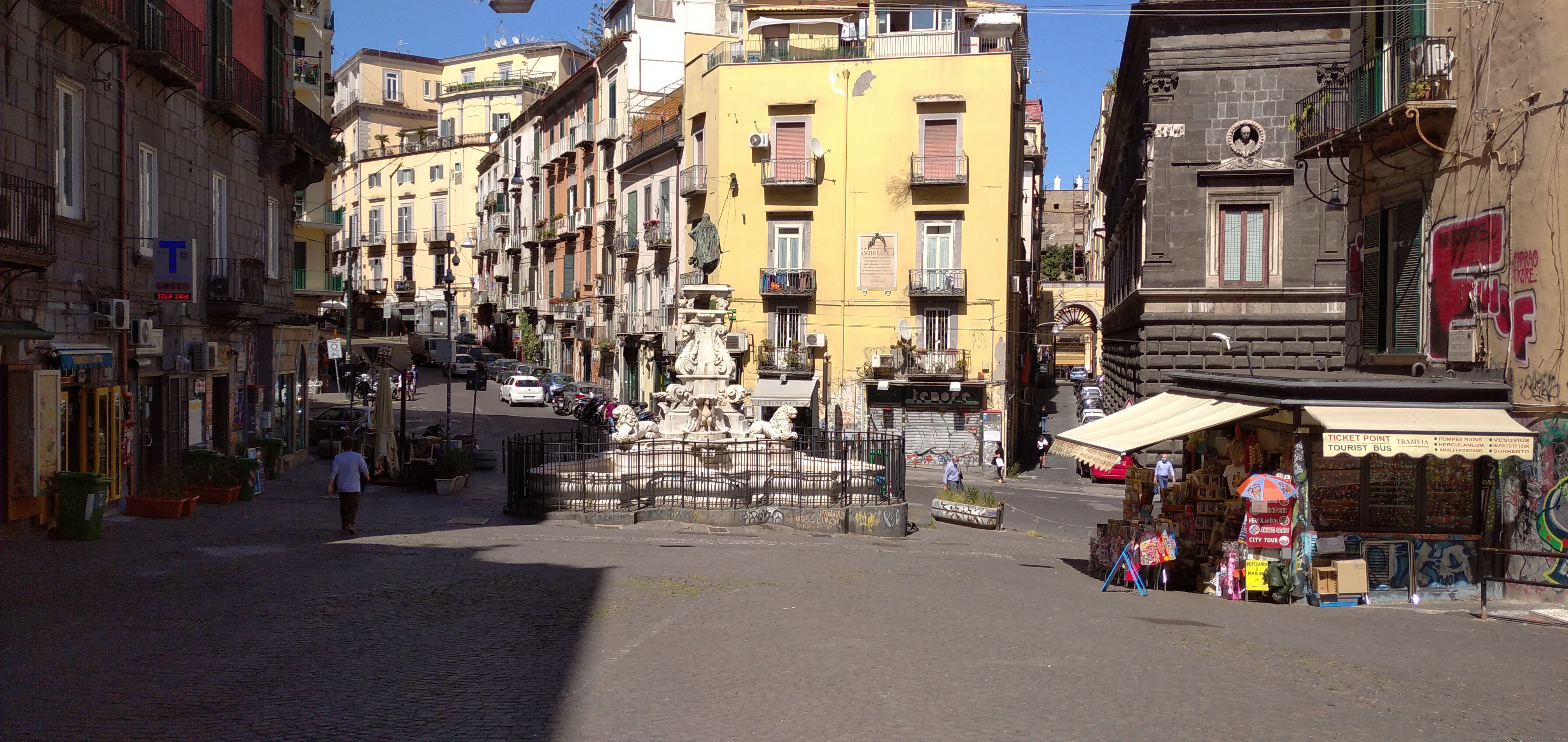
| La Lava dei Vergini | 0.4 km | An elegant 18th‑century fountain known for its intricate stone carvings. |
| [Unnamed Fountain] | 0.4 km | Hidden near Via San Gregorio, this fountain features a modest basin framed by baroque pilasters. |
| [Unnamed Fountain] | 0.6 km | Situated close to the bustling Via Benedetto Croce, ideal for a brief rest during a shopping stroll. |
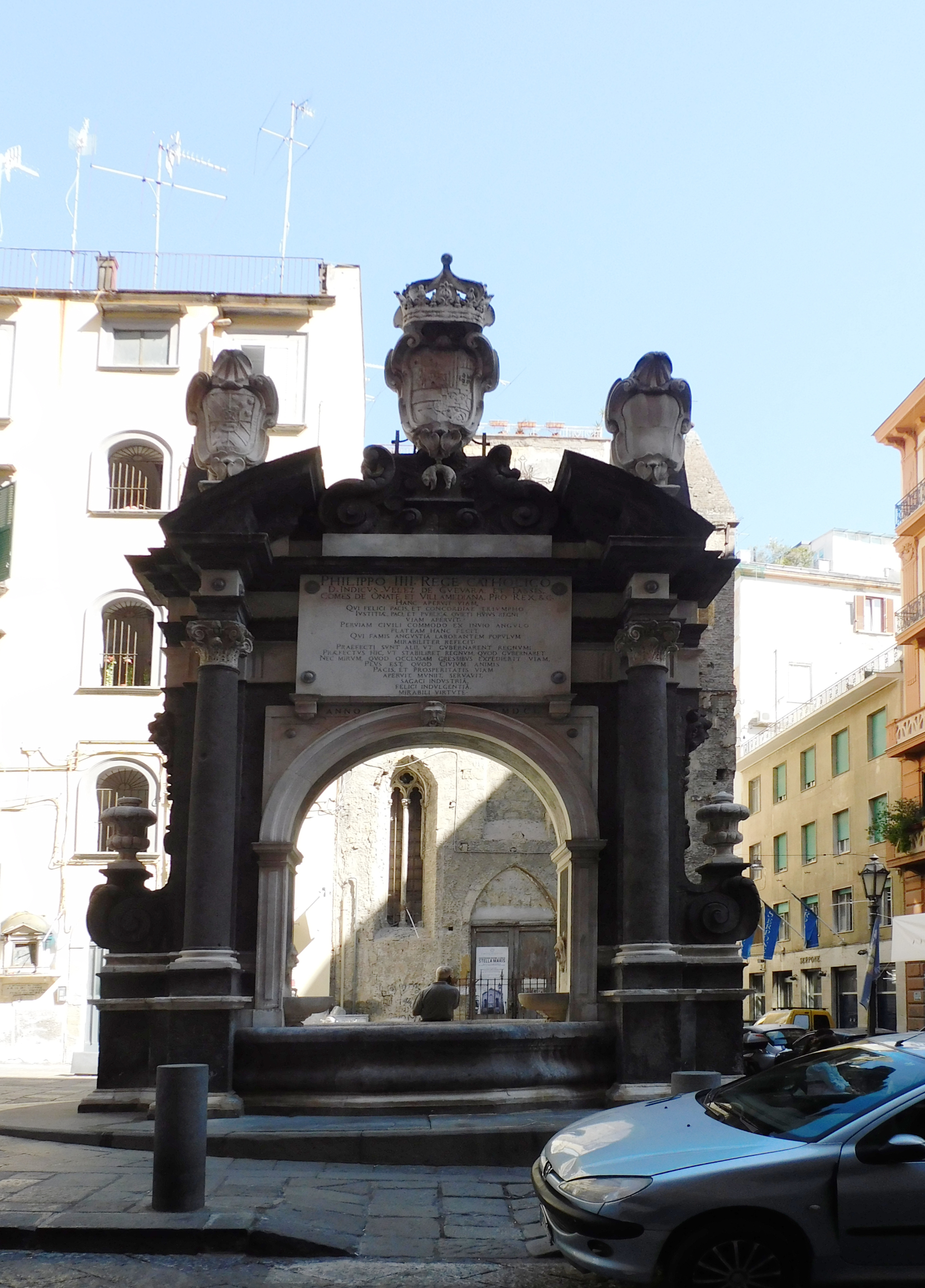
| [Fontana della Sellaria] | 0.9 km | A larger, more ornate fountain famous for its sculpted sea‑creatures and historic ties to the local silk (sellaria) merchants. |
Tip: Many of these fountains are part of the Naples Water Heritage Trail, a self‑guided route that lets you explore the city’s centuries‑old water infrastructure while enjoying beautiful public art.
Travel Tips
- Dress Comfortably – Naples’ historic streets are cobblestoned; wear sturdy walking shoes.
- Stay Hydrated – Even in spring, the sun can be strong. Carry a reusable water bottle.
- Respect the Fountain – Touching the marble can cause damage. Keep a respectful distance, especially when children are present.
- Combine with Food – Piazza Cavour hosts several cafés serving authentic Neapolitan espresso and sfogliatella. A quick bite after admiring the fountain enhances the experience.
- Photography – For the best lighting, shoot early morning or late afternoon. A polarizing filter can reduce glare on the water.
- Safety – The area is generally safe, but keep an eye on personal belongings, especially in crowded evenings.
- Local Guides – Consider joining a free walking tour that starts at the nearby Università metro station; guides often highlight the fountain’s hidden stories.
Final Thoughts
The Fontana del Tritone may not have the fame of Naples’ grand cathedrals or the allure of the Amalfi Coast, but it embodies the city’s love for art, water, and public gathering spaces. Whether you’re a history enthusiast, a photography lover, or simply a traveler seeking a quiet moment in a bustling metropolis, this Baroque fountain offers a memorable slice of authentic Neapolitan life.
Plan your visit, wander the surrounding piazzas, and let the gentle splash of the Triton’s water guide you deeper into the heart of Campania’s timeless charm.
Happy travels, and may the spirit of the sea‑god inspire your next adventure in Napoli!