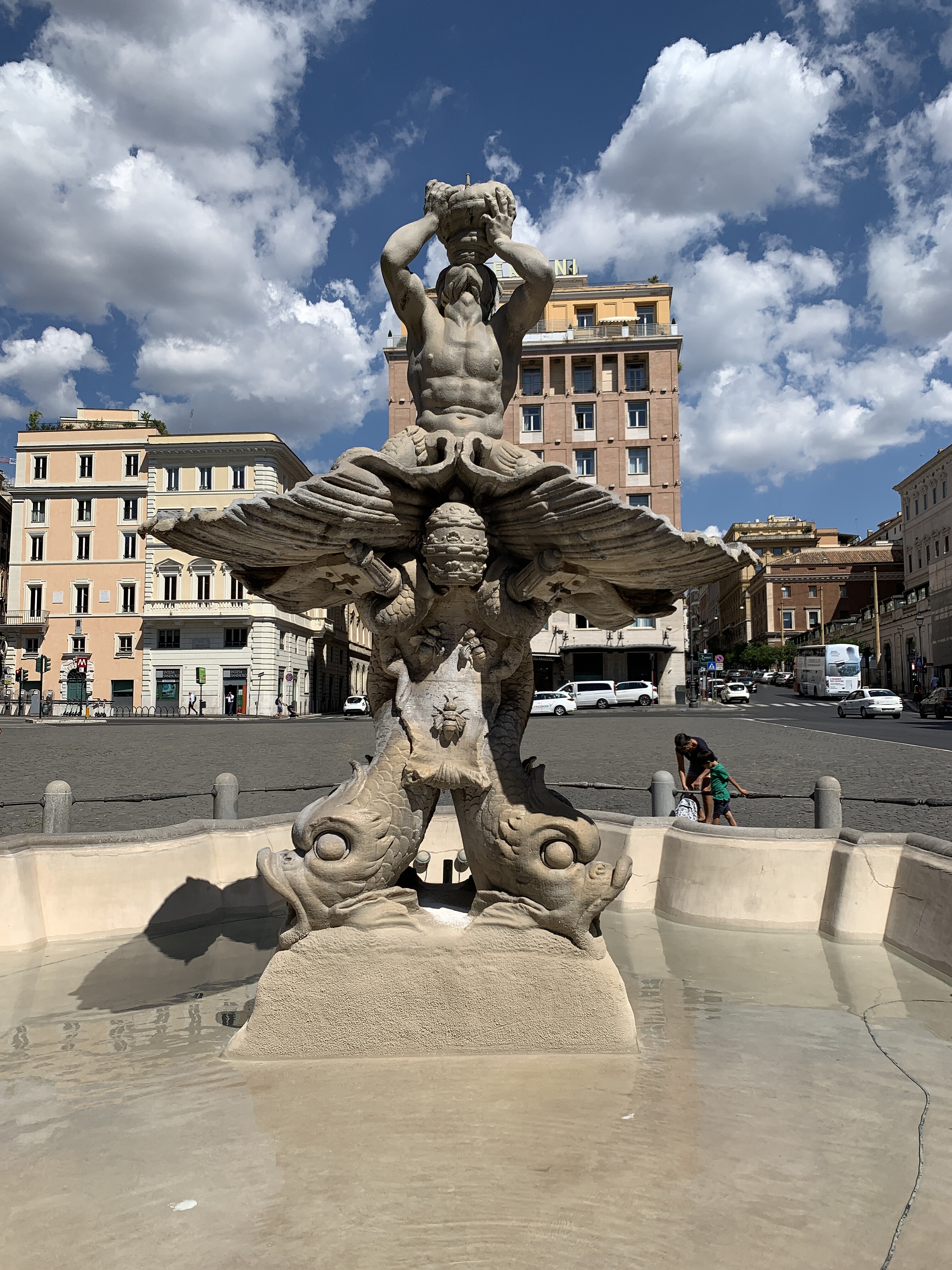
Fontana del Tritone – A Hidden Fountain Gem in Laviano, Campania
Discover the charm of a lesser‑known Italian fountain that captures the spirit of Campania’s historic villages.
Introduction
If you’ve wandered the bustling piazzas of Naples or the sun‑kissed cliffs of the Amalfi Coast, you’ve already tasted the magic of Campania. Yet, beyond the postcard‑perfect coastlines lies a network of quiet hamlets where everyday life flows around centuries‑old stone, water, and myth. One such treasure is Fontana del Tritone, a modest yet captivating fountain perched in the heart of Laviano, a tranquil town nestled in the province of Salerno.
The moment you step onto the cobblestones and hear the gentle splash of water, you’ll feel transported to a time when fountains were not just sources of drinking water but communal gathering spots, works of art, and symbols of local identity. In this guide, we’ll explore what makes Fontana del Tritone special, how to reach it, the best season to visit, and the nearby attractions that round out a perfect day trip in southern Italy.
About Fontana del Tritone
A Brief Description
Fontana del Tritone (literally “Triton Fountain”) is a stone fountain that takes its name from the mythological sea‑god Triton, often depicted blowing a conch shell. While the exact dimensions of the fountain are not recorded, its simple design—typically a basin fed by a central spout—reflects the functional elegance of many rural Italian fountains built during the late medieval to early modern periods.
The fountain sits at coordinates 40.785488, 15.306570, right in the historic center of Laviano. Surrounded by stone walls and shaded by ancient olive trees, it serves as a meeting point for locals and a quiet spot for travelers seeking an authentic slice of Italian village life.
Historical Context
Laviano’s history stretches back to the Norman era, and its architecture bears the imprint of successive cultures—Byzantine, Angevin, and Spanish. Public fountains like Fontana del Tritone were essential in these communities, providing fresh water for households, livestock, and the occasional traveler. Over time, many fountains acquired decorative elements that reflected local patronage or religious symbolism.
The choice of Triton as a namesake hints at the town’s historical connection to the sea, despite its inland position. In Italian folklore, Triton represents the power of water to sustain life—a fitting emblem for a fountain that has quenched the thirst of generations.
Cultural Significance
Today, Fontana del Tritone remains a living piece of Laviano’s cultural heritage. It appears in local festivals, especially those celebrating the patron saint of the town, where residents gather around the fountain for processions and communal prayers. Photographers are drawn to its timeless backdrop, and the gentle sound of flowing water offers a soothing counterpoint to the hum of modern life.
How to Get There
By Air
The closest major airports are Naples International Airport (Capodichino – NAP) and Salerno Costa d’Amalfi Airport (QSR). From either airport, you’ll need to rent a car or take a combination of train and bus services to reach Laviano.
By Train
The nearest railway station is Salerno Centrale, served by high‑speed Frecciarossa trains from Rome, Naples, and Milan. From Salerno, board a regional train to Cilento‑Vallo di Diano and alight at Vallo della Lucania.
By Bus
From Vallo della Lucania, regional bus lines (operated by SITA Sud) run to Laviano several times a day. Check the latest timetables on the SITA Sud website or ask at the Vallo bus station for the Laviano route.
By Car
Driving offers the most flexibility. From Salerno, follow the SS18 southward, then take the SS517 toward Vallo della Lucania. After passing Vallo, turn onto the SS517/SS517bis heading east to Laviano. The town center is signposted, and the fountain is a short walk from the main piazza.
Parking: Free municipal parking is available near the town hall; from there, the fountain is a 5‑minute stroll along the historic streets.
GPS Navigation
Enter the coordinates 40.785488, 15.306570 into your navigation app for a direct route to the fountain’s exact location.
Best Time to Visit
Spring (March – May)
Spring is arguably the most rewarding season. Mild temperatures (15‑22 °C) make wandering the narrow lanes comfortable, while the surrounding hills burst into a carpet of wildflowers. The fountain’s water flow is at its fullest after the winter rains, creating a lively sparkle.
Summer (June – August)
Summer brings hotter days (up to 30 °C) and a higher influx of tourists along the coast. However, Laviano remains relatively cool, especially in the evenings. Visiting early in the morning or late afternoon lets you avoid the midday heat and enjoy the golden light on the stonework.
Autumn (September – November)
Autumn offers a pleasant climate and the added bonus of local harvest festivals. The surrounding vineyards turn amber, and the fountain’s reflective surface mirrors the changing foliage—a perfect setting for photography.
Winter (December – February)
Winter is quiet, with fewer visitors and a more intimate atmosphere. While temperatures can dip to 5 °C, the fountain continues to run, and the surrounding town displays festive lights during the holiday season.
Overall recommendation: Late spring (late April to early May) provides the best combination of weather, scenery, and local activity.
What to Expect
Visual Experience
Approaching Fontana del Tritone, you’ll notice the stone’s weathered patina, a testament to centuries of exposure. The water emerges from a modest spout—often shaped like a conch shell or a simple lion’s head—cascading into a shallow basin. Sunlight filters through the canopy of olive trees, casting dappled reflections that dance across the water’s surface.
Sensory Details
- Sound: The gentle murmur of water creates a calming backdrop, perfect for a moment of contemplation or a brief pause during a walking tour.
- Smell: The air carries hints of rosemary, thyme, and the faint earthy aroma of the surrounding stone.
- Touch: If you’re lucky enough to see locals refilling bottles, you may be invited to taste the cool, fresh water—always a refreshing treat after a hike.
Social Atmosphere
The fountain doubles as a communal meeting point. You’ll often see elderly residents chatting over a glass of espresso, children playing tag, and tourists snapping photos. During religious festivals, the fountain may be adorned with ribbons or floral garlands, adding a splash of color to the scene.
Nearby Attractions
While Fontana del Tritone is a highlight, Laviano’s surrounding countryside offers several other points of interest within a short walk or drive.
| Distance | Attraction | Type | Why Visit |
|---|---|---|---|
| 0.3 km | Fontana XXIII Novembre | Fountain | A historic monument commemorating a local event; perfect for a quick photo stop. |
| 0.6 km | Unnamed Fountain | Fountain | A small, lesser‑known water source that adds to the town’s network of communal wells. |
| 2.9 km | Unnamed Fountain | Fountain | Located along a scenic walking trail, offering a quiet spot for reflection. |
| 3.5 km | Sorgente Acquafredda | Spring | A natural spring with crystal‑clear water, ideal for a short hike and a picnic. |
| 3.9 km | Unnamed Fountain | Fountain | Another charming village fountain, showcasing local stonework techniques. |
Tip: Combine a visit to Fontana del Tritone with a leisurely stroll to the Fontana XXIII Novembre—the two fountains are only a few minutes apart, allowing you to compare their styles and histories.
Travel Tips
- Wear Comfortable Shoes – The historic center’s streets are cobbled and uneven; sturdy walking shoes will keep you comfortable.
- Bring a Refillable Water Bottle – The fountain’s water is safe to drink, and staying hydrated is essential, especially in summer.
- Timing for Photos – Early morning or late afternoon provides soft, golden light that enhances the stone texture and water reflections.
- Respect Local Customs – If you see a local family gathering, keep a respectful distance. In small towns, personal space is valued.
- Language – While many Italians in tourist areas speak English, in Laviano a few basic Italian phrases (“Buongiorno,” “Grazie,” “Per favore”) go a long way.
- Cash for Small Purchases – Small cafés and souvenir stalls may prefer cash; carry a modest amount of euros.
- Parking – The municipal lot near the town hall fills quickly on market days (usually Saturday). Arrive early or use the peripheral street parking.
- Check Festival Calendars – Laviano hosts several religious and cultural festivals throughout the year; visiting during a celebration adds a vibrant layer to the experience.
Final Thoughts
Fontana del Tritone may not appear on the typical Italy travel itinerary, but that’s precisely why it’s worth the detour. It offers an authentic glimpse into the everyday rhythm of a Campanian village—where water, stone, and community intertwine. Whether you’re a history enthusiast, a photography lover, or simply a traveler seeking a peaceful spot off the beaten path, the fountain’s gentle splash welcomes you to pause, breathe, and savor the simple beauty of southern Italy.
Ready to add Laviano’s hidden gem to your itinerary? Pack your camera, hit the road, and let the sound of Fontana del Tritone guide you to a memorable Italian experience.
Keywords: Fontana del Tritone, Laviano, Campania, Italy travel, Italian fountain, hidden gems Italy, travel guide Campania, nearby attractions Laviano, Sorgente Acquafredda, Fontana XXIII Novembre, travel tips Italy.