Fontana del Nettuno – Naples’ Hidden Baroque Gem
If you wander the bustling streets of Napoli and stumble upon a graceful marble figure, you’ve just met the city’s most charismatic sea‑god. The Fontana del Nettuno (Neptune Fountain) may not be on every tourist checklist, but it’s a perfect example of why Naples is a living museum of art, history, and everyday life.
1. Introduction
There’s something magical about a fountain that has watched centuries of sailors, merchants, and locals pass by, each tossing a coin and making a silent wish. Nestled in the heart of Campania’s capital, the Fontana del Nettuno is a striking baroque masterpiece that captures the spirit of Naples: bold, lively, and undeniably beautiful. Whether you’re a history buff, a photography enthusiast, or simply looking for a quiet spot to pause amid the city’s vibrant chaos, this fountain offers a perfect slice of Neapolitan charm.
2. About Fontana del Nettuno
A Brief Description
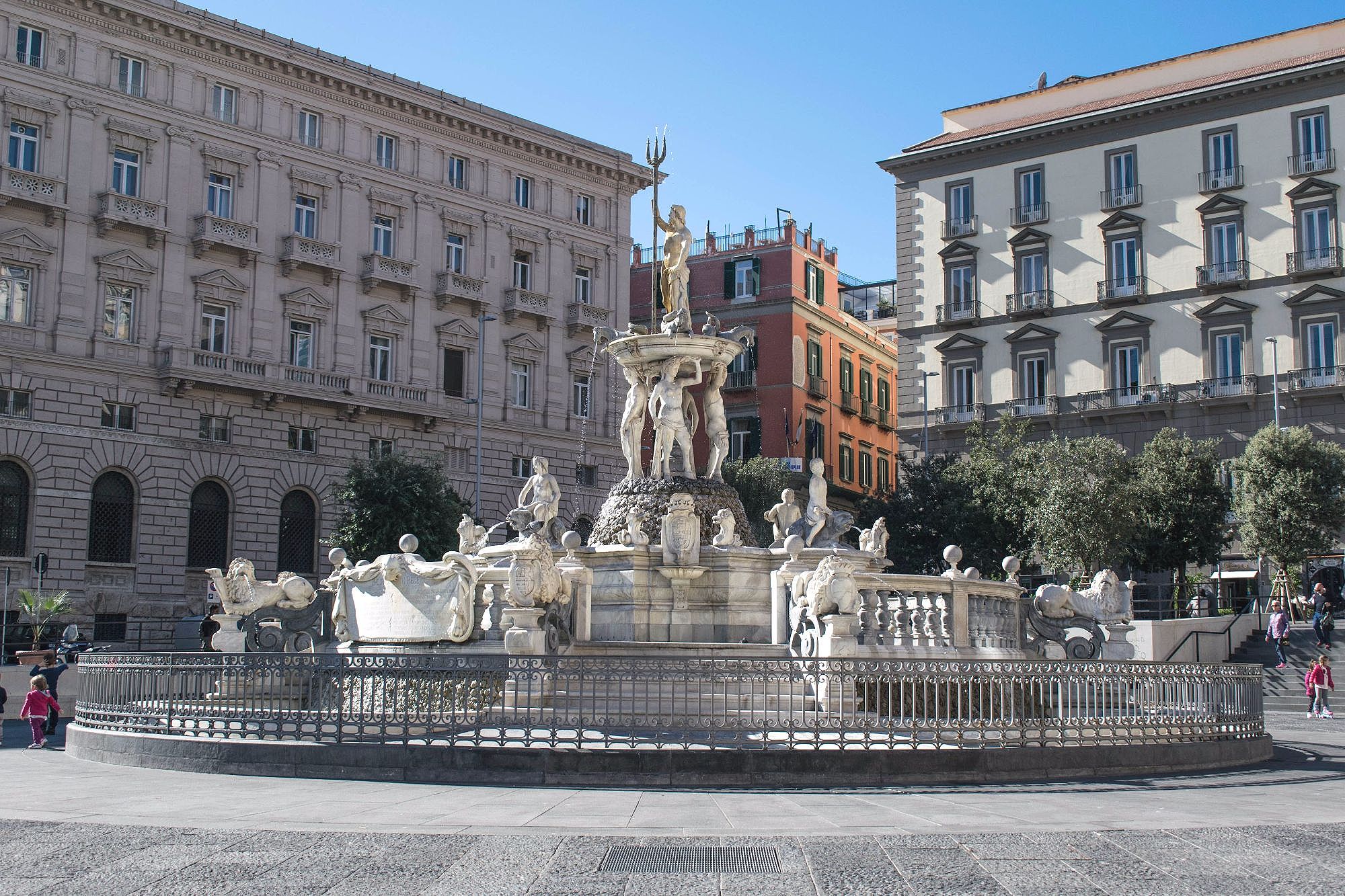
The Fontana del Nettuno is a marble fountain crowned by a powerful statue of Neptune, the Roman god of the sea. The figure stands tall, trident in hand, his flowing beard and muscular torso exuding the confidence of a deity who once ruled the Mediterranean. Water cascades from the trident’s tip, creating a gentle, soothing sound that contrasts with the bustling streets around it.
Historical Roots
While the exact construction date is not recorded in the public domain, the fountain belongs to the Baroque period, a time when Naples flourished under Spanish rule and embraced grand public works to showcase civic pride. Like many Neapolitan fountains, it was likely commissioned to provide a public water source and to celebrate the city’s maritime heritage. Over the centuries, the Fontana del Nettuno has survived wars, earthquakes, and the ever‑changing urban landscape, remaining a beloved landmark for locals and visitors alike.
Cultural Significance
Neptune has always been a potent symbol for Naples, a city built on the Bay of Naples and historically dependent on the sea for trade, fishing, and culture. The fountain stands as a reminder of that deep connection, and its presence in the city center makes it a natural gathering point for festivals, street performances, and spontaneous photo sessions.
3. How to Get There
| Mode of Transport | Details |
|---|---|
| Metro | Take Line 1 (the orange line) to Università or Toledo stations. Both stops are a 5‑minute walk to the fountain. |
| Bus | Several city buses stop near Piazza del Plebiscito and Via San Gregorio Armeno – both within a 300 m radius. Look for routes 6, 9, 10, 57. |
| Walking | If you’re staying in the historic centre (Spaccanapoli, the Spanish Quarter, or the waterfront), the fountain is easily reachable on foot. The coordinates are 40.840086, 14.251287. |
| Car / Taxi | Parking in the historic centre is limited. A short taxi ride from Naples Central Station (Stazione Napoli Centrale) takes about 10 minutes. Use the address “Piazza del Plebiscito, 80132 Napoli” as a reference point. |
Pro tip: The area around the fountain is largely pedestrian‑only, especially during peak tourist hours, so walking is the most pleasant way to arrive.
4. Best Time to Visit
| Season | Why It Works |
|---|---|
| Spring (April‑June) | Pleasant temperatures (15‑22 °C) and blooming street flowers make the surrounding piazza photogenic. |
| Early Autumn (September‑October) | The summer crowds thin out, but the weather stays mild, perfect for an evening stroll. |
| Evenings (May‑September) | The fountain is illuminated after dark, creating a romantic glow that’s ideal for night photography. |
| Winter (December‑February) | While cooler (8‑13 °C), the fountain is less crowded, and you can enjoy a warm espresso at a nearby café while watching locals pass by. |
Avoid the midday heat of July and August if you plan to linger outdoors for long periods; a quick visit works best during those peak summer hours.
5. What to Expect
- A Quiet Yet Lively Atmosphere: The fountain sits in a relatively calm corner of the historic centre, but you’ll still hear the hum of Neapolitan life—street musicians, the clatter of espresso cups, and the occasional chatter of tourists.
- Stunning Photo Opportunities: The marble statue, the gentle spray of water, and the surrounding architecture provide a perfect backdrop for both wide‑angle shots and close‑up details. Try shooting during the “golden hour” (just after sunrise or before sunset) for warm, soft lighting.
- A Taste of Local Life: You’ll often see locals gathering for a quick chat, tossing a coin into the basin, or simply pausing to admire the craftsmanship. It’s a great spot to practice a few Italian phrases—“Che bello!” (How beautiful!) usually earns a friendly smile.
- Accessibility: The fountain sits on a low‑lying platform, making it accessible for wheelchair users and families with strollers.
6. Nearby Attractions
While you’re in the area, consider adding these short‑walk destinations to your itinerary. All are within a 0.5‑0.6 km radius, meaning you can explore several highlights in under an hour.
| Attraction | Distance | Why Visit |
|---|---|---|
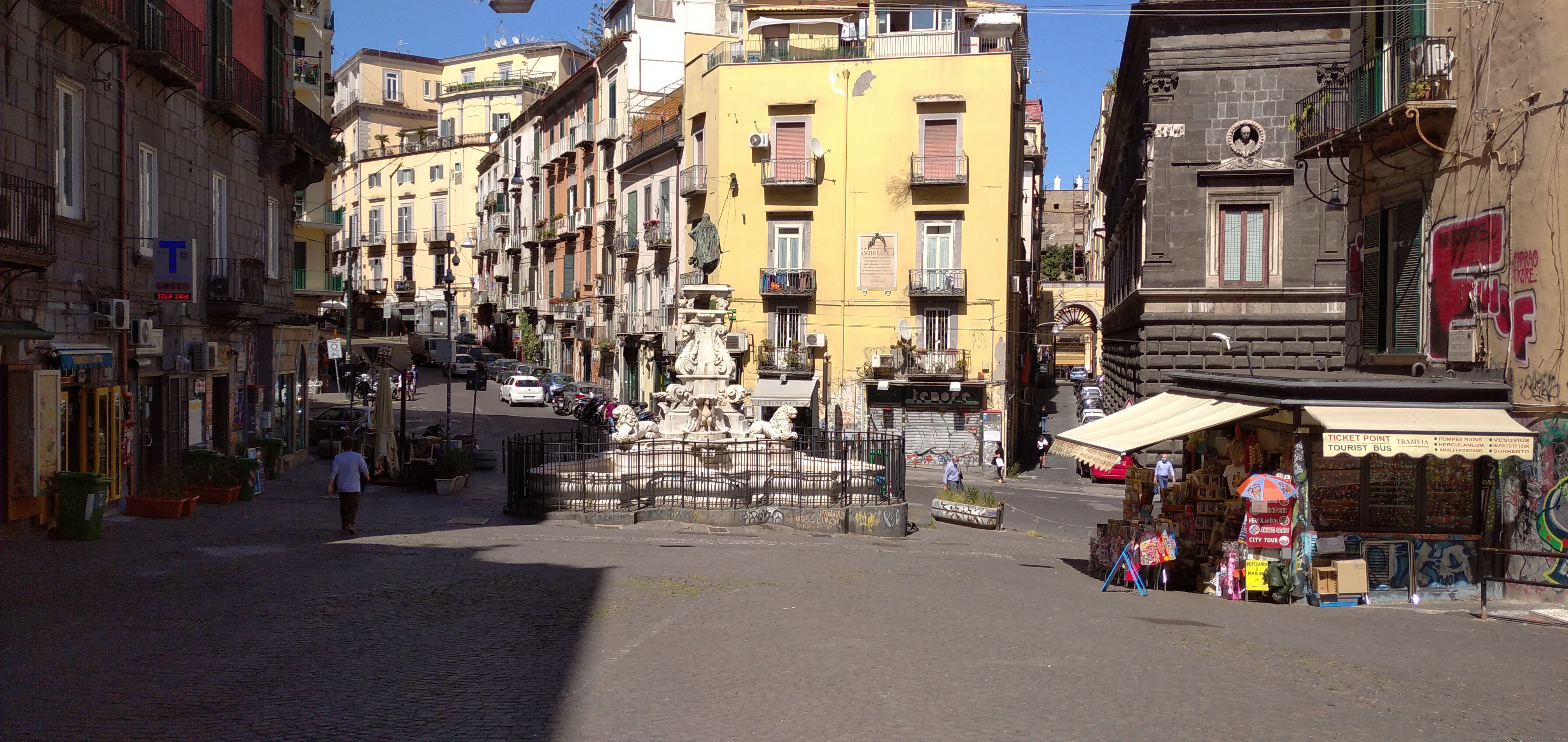
| Fontana di Monteoliveto | 0.6 km | Another elegant Baroque fountain featuring a dramatic marble sculpture. |
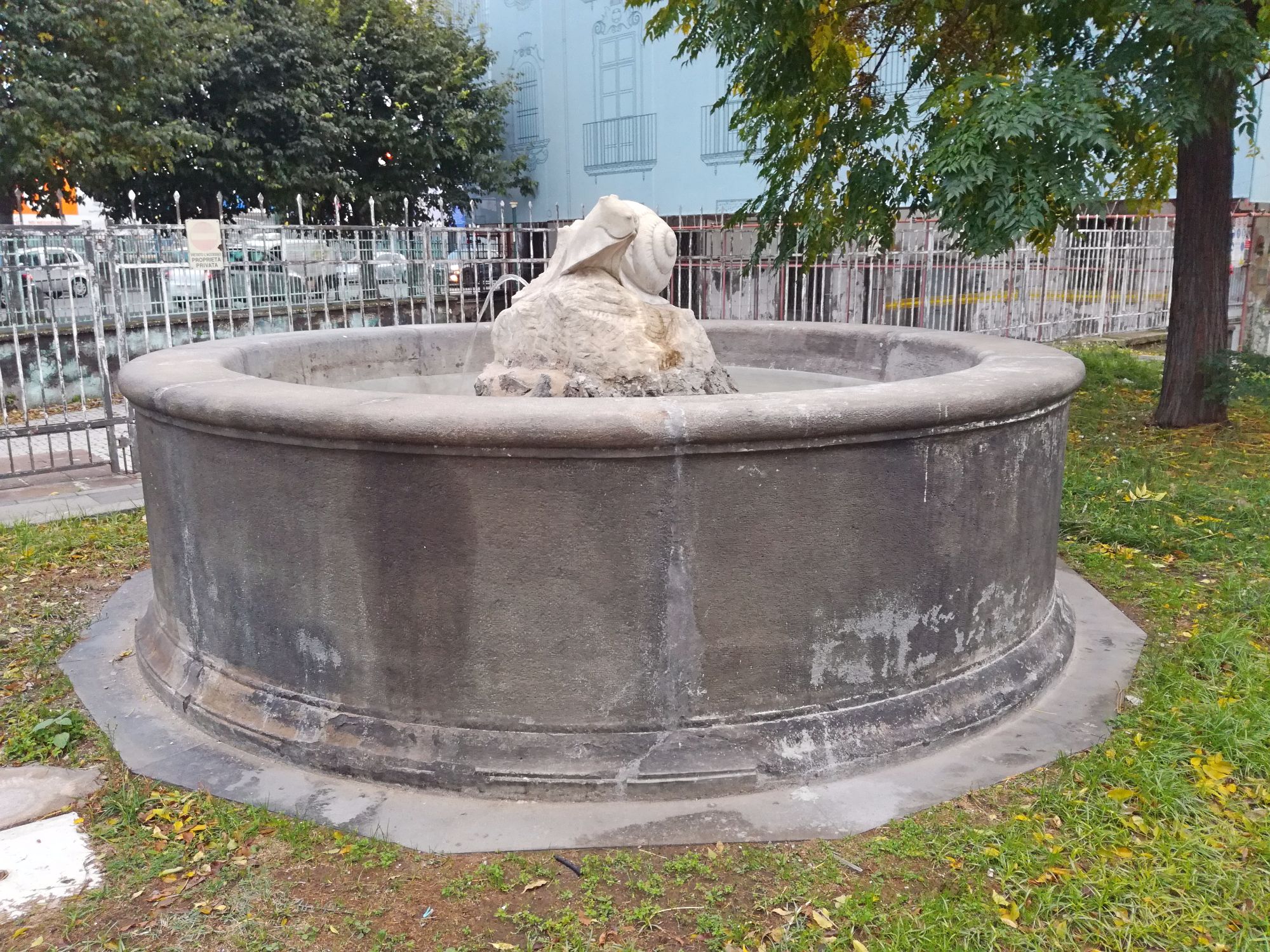
| Fontana della Maruzza | 0.6 km | A lesser‑known fountain with a charming, intimate setting—great for a quiet moment. |
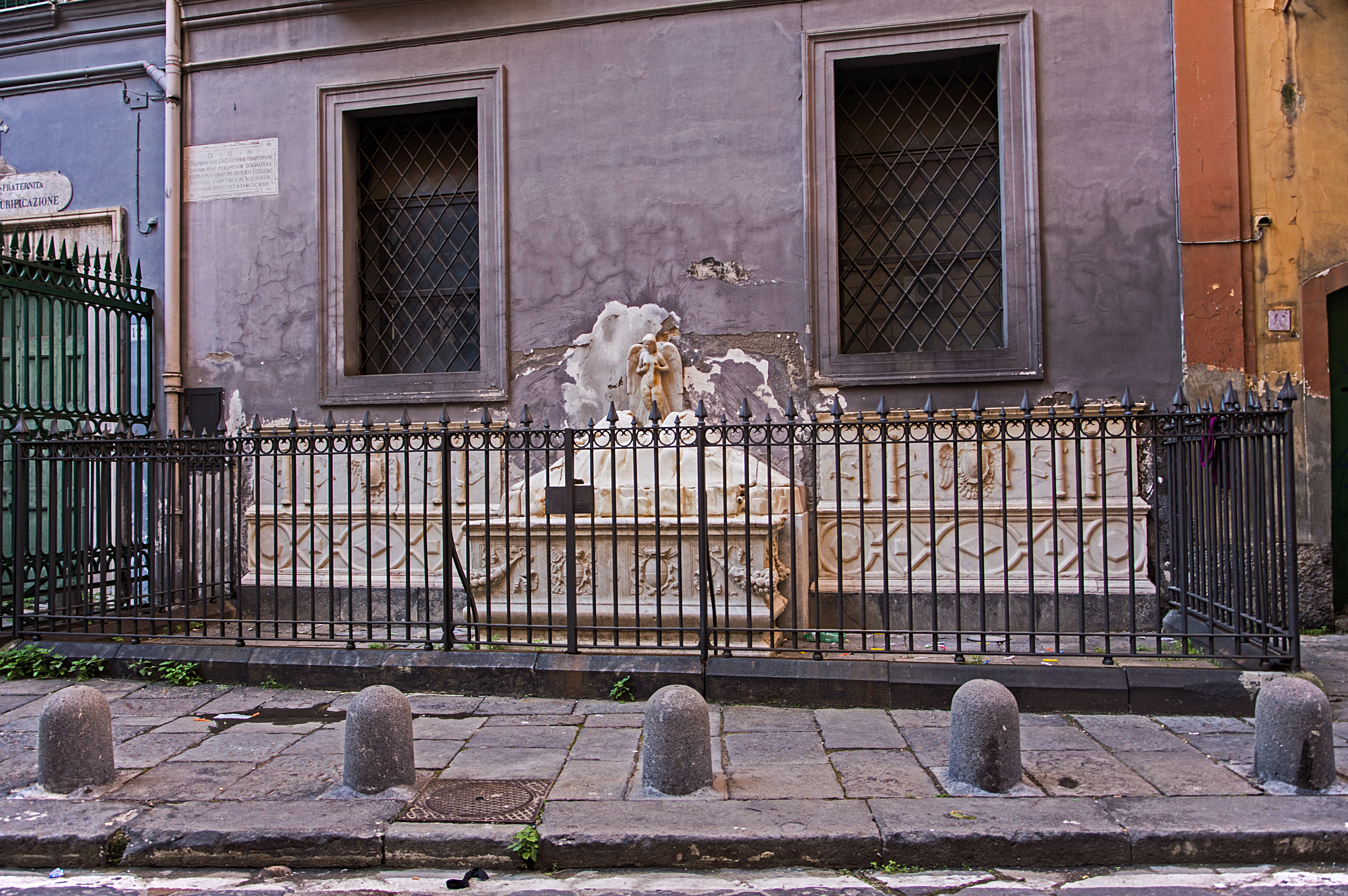
| Unnamed Fountain #1 | 0.5 km | A small historic water source that adds to the city’s network of public art. |
| Unnamed Fountain #2 | 0.5 km | Offers a glimpse into Naples’ 18th‑century urban planning. |
| Unnamed Fountain #3 | 0.5 km | Perfect for a quick photo stop while you wander the narrow alleys. |
| Piazza del Plebiscito | 0.3 km | Naples’ grandest square, home to the Royal Palace and the Church of San Francesco di Paola. |
| Via San Gregorio Armeno | 0.4 km | Famous for its nativity workshops and bustling market stalls. |
| Castel dell’Ovo | 0.8 km | The oldest standing fortification in Naples, offering panoramic sea views. |
Tip: Use a map app and search for “fountain near 40.840086, 14.251287” to discover the three unnamed fountains—they’re often hidden gems with unique local stories.
7. Travel Tips
- Dress Comfortably: Cobblestone streets can be uneven. Wear sturdy shoes and bring a light jacket if you’re visiting in spring or autumn.
- Stay Hydrated: Naples can be hot in summer. Carry a reusable water bottle; there are public drinking fountains throughout the city.
- Mind Your Belongings: Like any popular tourist area, keep an eye on your bags and wallets, especially in crowded squares.
- Respect the Fountain: While it’s tempting to climb or touch the statue, it’s protected heritage—keep a respectful distance.
- Photography Etiquette: If you’re using a tripod, be mindful of nearby pedestrians and cafés; a handheld setup works fine for most shots.
- Timing for Light: For the best natural lighting, aim for early morning (7‑9 am) or late afternoon (4‑6 pm). The fountain’s illumination after sunset adds a magical ambience if you prefer night photography.
- Combine with a Food Stop: A short walk to Caffè Gambrinus (just a few blocks away) lets you enjoy a classic Neapolitan espresso or sfogliatella while admiring the fountain from a café terrace.
- Language Pointers: While many locals speak basic English, a few Italian phrases go a long way: “Buongiorno” (Good morning), “Per favore” (Please), “Grazie” (Thank you).
Bottom Line
The Fontana del Nettuno may be modest in size, but it packs a powerful punch of history, artistry, and local flavor. Its central location makes it an ideal checkpoint on any walking tour of Naples, and its serene presence offers a brief respite from the city’s energetic rhythm. Whether you’re chasing Instagram-worthy shots, hunting for authentic Neapolitan experiences, or simply looking for a quiet place to reflect, this fountain deserves a spot on your itinerary.
Pack your camera, bring a curiosity for Baroque art, and let Neptune’s trident guide you through the heart of Napoli.
Keywords: Fontana del Nettuno, Naples fountain, things to do in Naples, historic fountains Italy, Campania attractions, Baroque fountain Naples, Napoli travel guide, nearby attractions Naples, best time to visit Naples, travel tips Naples.