Fontana del Formello – Naples’ Hidden Water Jewel
If you think you’ve seen every fountain in Italy, think again. Tucked away in the historic heart of Naples, the Fontana del Formello is a modest yet captivating piece of Baroque splendor that whispers stories of centuries past. Whether you’re a seasoned traveler, a photography enthusiast, or simply wandering the streets of Campania, this fountain deserves a spot on your itinerary.
About Fontana del Formello
The Fontana del Formello (Italian for “Fountain of the Little Form”) sits at the crossroads of Naples’ bustling urban tapestry, right at the coordinates 40.853839, 14.264675. Though its exact height and altitude remain undocumented, the fountain’s charm lies in its unpretentious design and the rich history that surrounds it.
A Brief History
The fountain dates back to the Baroque period, a time when Naples was a thriving hub of art, architecture, and civic pride. While precise construction dates are scarce, the structure reflects the typical 17th‑century Neapolitan approach to public waterworks: functional, ornamental, and deeply integrated into daily life.
Originally, the Fontana del Formello served as a communal water source for local residents, merchants, and travelers. Over the centuries, it has survived wars, urban redevelopment, and the ebb and flow of Naples’ vibrant neighborhoods, emerging today as a quiet testament to the city’s enduring relationship with water.
Cultural Significance
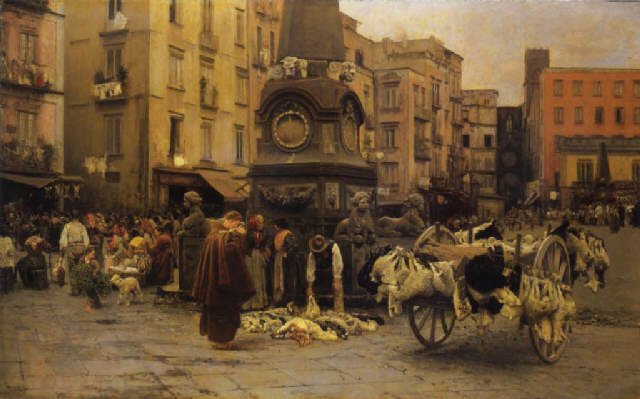
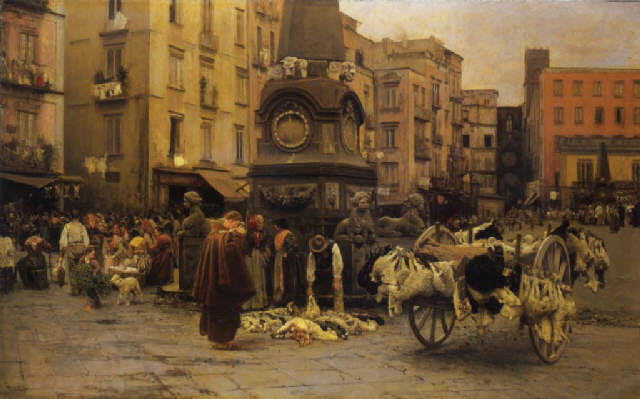
In Naples, fountains are more than decorative pieces—they’re social anchors. The Fontana del Formello once marked a meeting point for market vendors and a resting spot for weary pilgrims heading toward the historic center. Its name, “Formello,” is thought to reference the small, rounded stone basins (or “formelli”) that once collected water for the surrounding households.
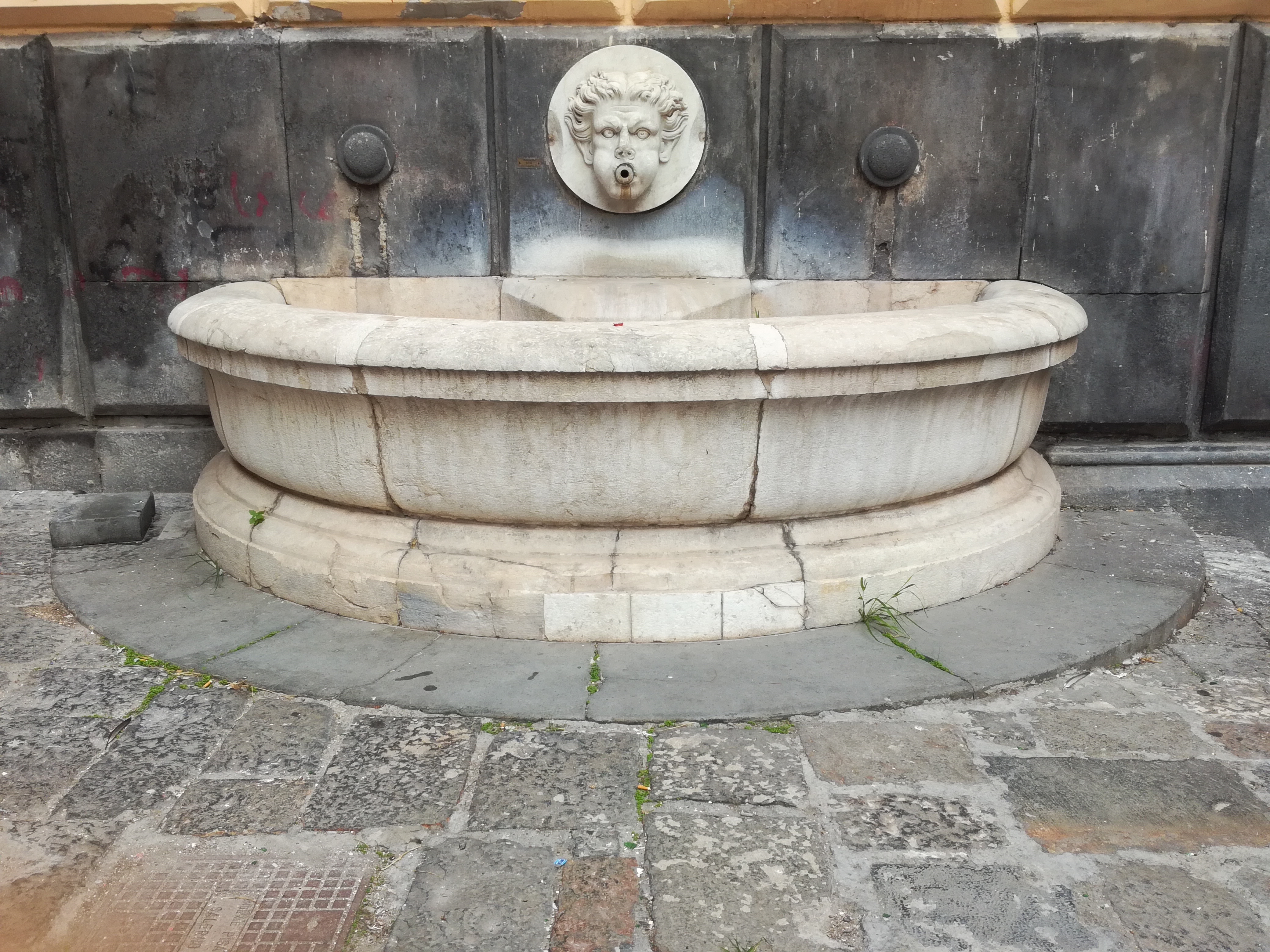
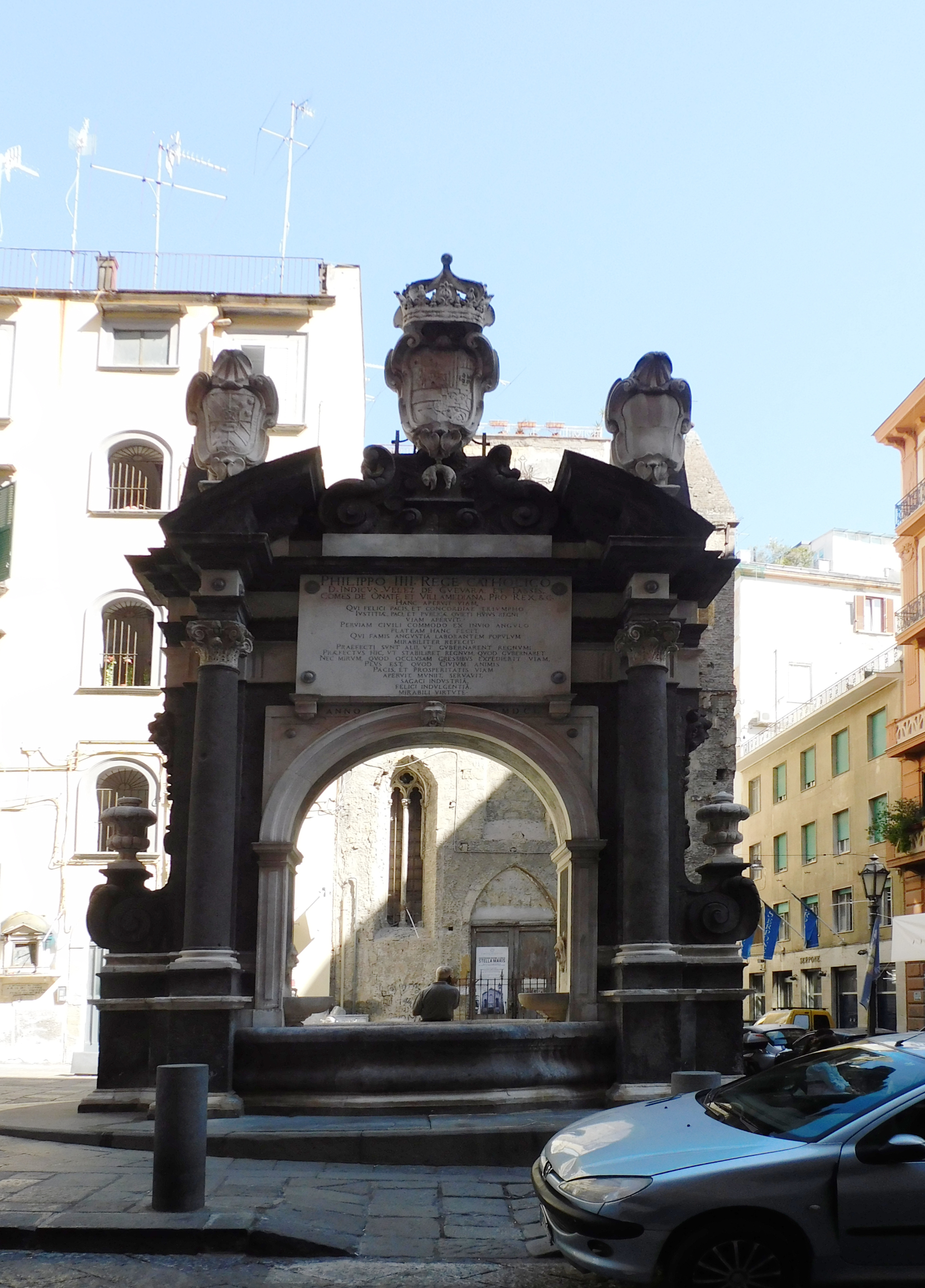
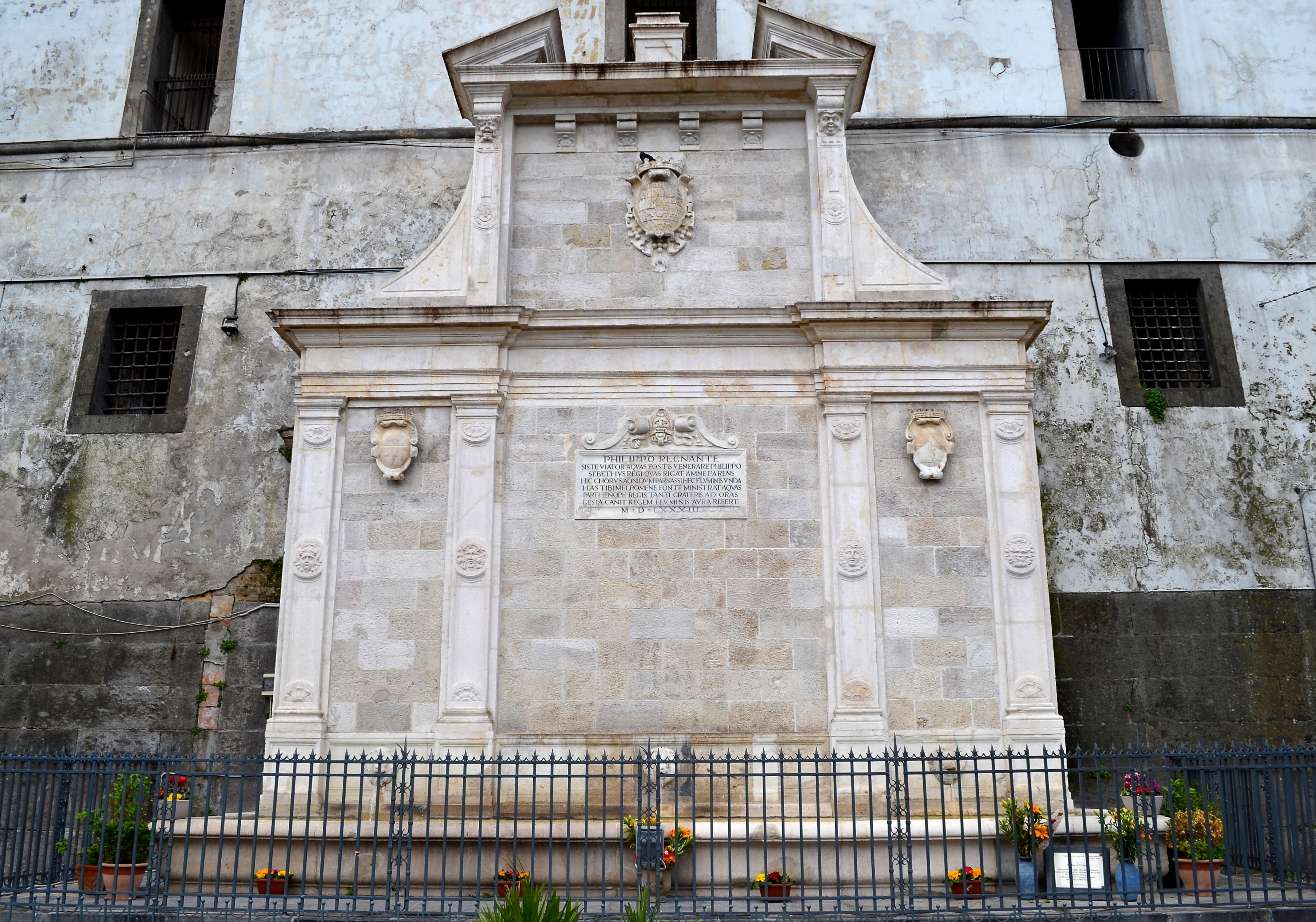
The fountain’s modest stonework, subtle bas-reliefs, and gracefully arched water channel embody the Neapolitan Baroque aesthetic: elegance without excess. For locals, it remains a nostalgic landmark; for visitors, it offers an authentic glimpse into the city’s everyday heritage.
For a deeper dive into the fountain’s history, see the Italian Wikipedia entry: Fontana del Formiello.
How to Get There
By Public Transport
- Metro: The nearest Metro Line 1 station is Università, just a 5‑minute walk from the fountain. Exit onto Via Università and follow the signs toward Via dei Tribunali.
- Bus: Several city buses (e.g., Line 140 and Line 151) stop at the Piazza del Gesù Nuovo stop, which is a short stroll to the fountain.
- Funicular: The Chiaia Funicular drops you off near Via Chiaia, from where you can walk northward through the historic center to reach the fountain.
By Car or Scooter
If you prefer to drive, park at one of the public parking garages near Via Medina or Via San Gregorio Armeno. From there, the Fontana del Formello is a 10‑minute walk through narrow, pedestrian‑friendly streets—perfect for soaking up the local atmosphere.
Walking & Biking
Naples’ historic center is a UNESCO World Heritage site, making it ideal for walking tours or bike rentals. The fountain is located within a compact area where you can explore other Baroque landmarks, churches, and piazzas on foot.
Best Time to Visit
| Season | Why It Works | Tips |
|---|---|---|
| Spring (Mar‑May) | Pleasant temperatures (15‑22 °C) and blooming street flowers create a photogenic backdrop. | Arrive early (8‑9 am) to avoid crowds and capture soft morning light. |
| Autumn (Sep‑Nov) | Mild weather and fewer tourists make for a relaxed stroll. | Evening visits are magical as nearby lanterns illuminate the stonework. |
| Winter (Dec‑Feb) | Fewer visitors and a cozy, local vibe; the fountain’s water may be calmer. | Dress warmly; some surrounding shops may close early. |
| Summer (Jun‑Aug) | Longer daylight hours, but heat can be intense (30 °C+). | Visit early morning or late afternoon; stay hydrated. |
Overall, spring and early autumn are the sweet spots for optimal weather, lighting, and a comfortable crowd level.
What to Expect
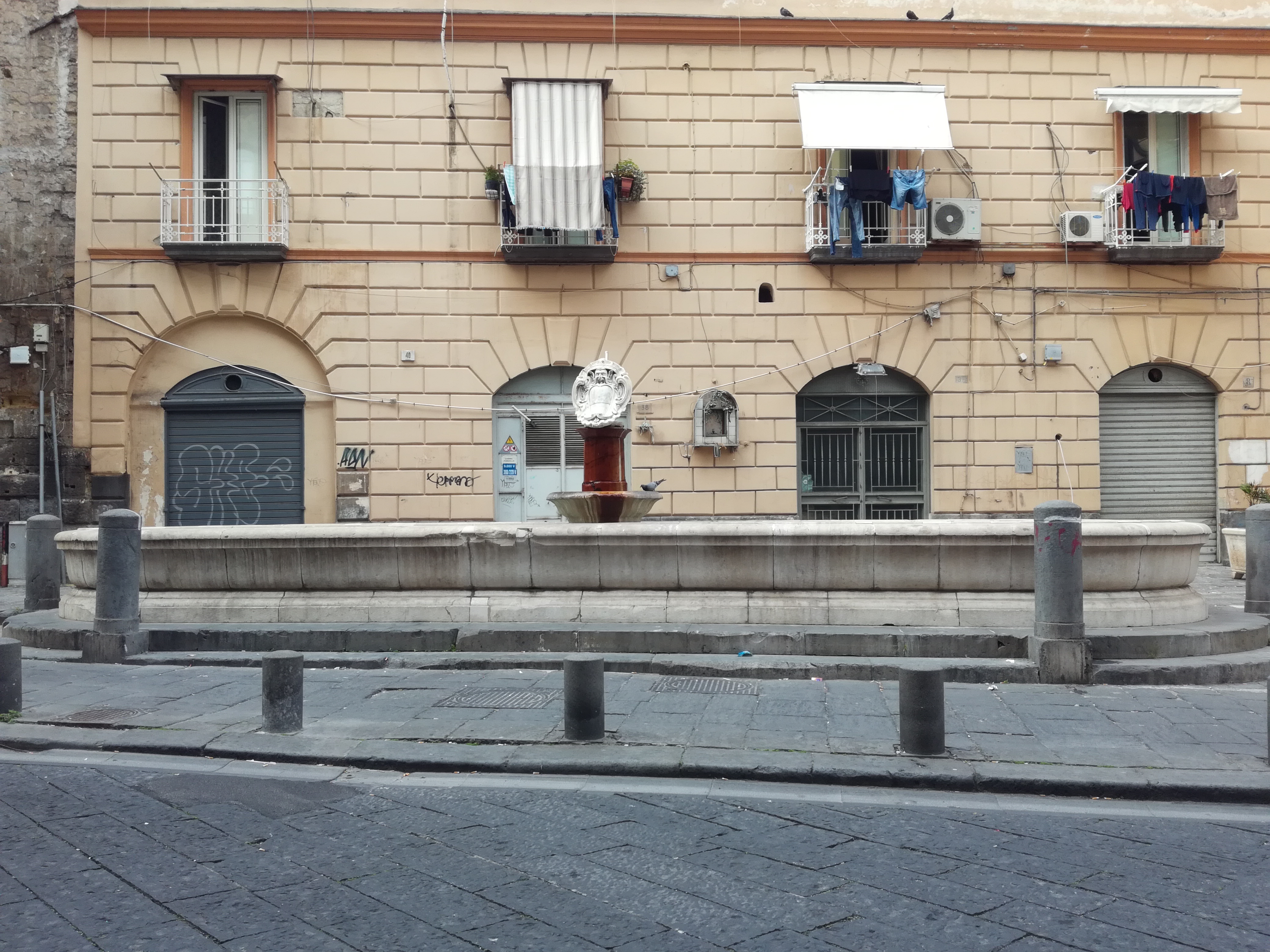
Approaching the Fontana del Formello, you’ll first notice its simple stone basin framed by a low, elegantly carved ledge. Water gently cascades from a modest spout, creating a soothing murmur that blends with the ambient chatter of nearby cafés and street vendors.
The surrounding area is a blend of historic architecture and everyday life: narrow cobblestone lanes, pastel‑colored facades, and the occasional scent of fresh pizza wafting from a trattoria. You’ll often see locals pausing for a quick drink, children playing, or artists sketching the scene.
Because the fountain is not heavily commercialized, you can enjoy a moment of quiet reflection or a spontaneous photo session without the usual tourist bustle. The stone’s patina, the subtle play of light on water, and the surrounding urban texture make for compelling Instagram content that feels both authentic and timeless.
Nearby Attractions
While you’re in the vicinity of the Fontana del Formello, make sure to explore these fellow fountains and historic sites—each just a short walk away:
- Fontana del Capone – 0.4 km
- Fontana della Scapigliata – 0.4 km
- Fontana della Sellaria – 0.7 km
In addition to these water features, the area brims with cultural gems:
- Spaccanapoli – the iconic straight street that slices through the historic center, lined with churches, artisan shops, and bustling markets.
- Piazza del Gesù Nuovo – home to the stunning Gesù Nuovo church and an excellent spot for a coffee break.
- Via San Gregorio Armeno – famous for its handcrafted nativity scenes, especially magical during the Christmas season.
Travel Tips
| Tip | Details |
|---|---|
| Dress Comfortably | Naples’ historic streets are uneven; wear sturdy shoes and bring a light scarf for sudden weather changes. |
| Stay Hydrated | Even though the fountain provides water, it’s best to carry a reusable bottle—many cafés will refill it for free. |
| Respect Local Customs | Avoid climbing on the fountain or littering; locals value these historic water sources as part of their heritage. |
| Timing for Photos | Early morning or golden hour (around 6‑7 pm) offers the softest light and fewer pedestrians. |
| Combine with a Food Tour | After visiting the fountain, try a classic Neapolitan pizza at a nearby pizzeria—many are just a few steps away. |
| Language | While many locals speak basic English, learning a few Italian phrases (“Buongiorno,” “Grazie”) goes a long way. |
| Safety | Naples is generally safe for tourists, but keep an eye on personal belongings, especially in crowded markets. |
| Cash | Small trattorias and street vendors often prefer cash; carry a modest amount of euros. |
Final Thought
The Fontana del Formello may not dominate guidebooks, but its quiet presence captures the soul of Naples—a city where history flows as freely as its water. By adding this modest fountain to your itinerary, you’ll discover a side of Campania that many travelers overlook: the everyday elegance of a community built around a simple, life‑giving spring.
So lace up your walking shoes, grab a map (or a smartphone GPS), and let the gentle sound of water lead you through the winding streets of Naples. Your next unforgettable Italian memory could be just a few steps from the Fontana del Formello.
Keywords: Fontana del Formello, Naples fountain, Campania travel guide, historic fountains Italy, things to do in Naples, hidden gems Naples, Baroque fountain Naples, travel tips Naples, nearby attractions Naples.