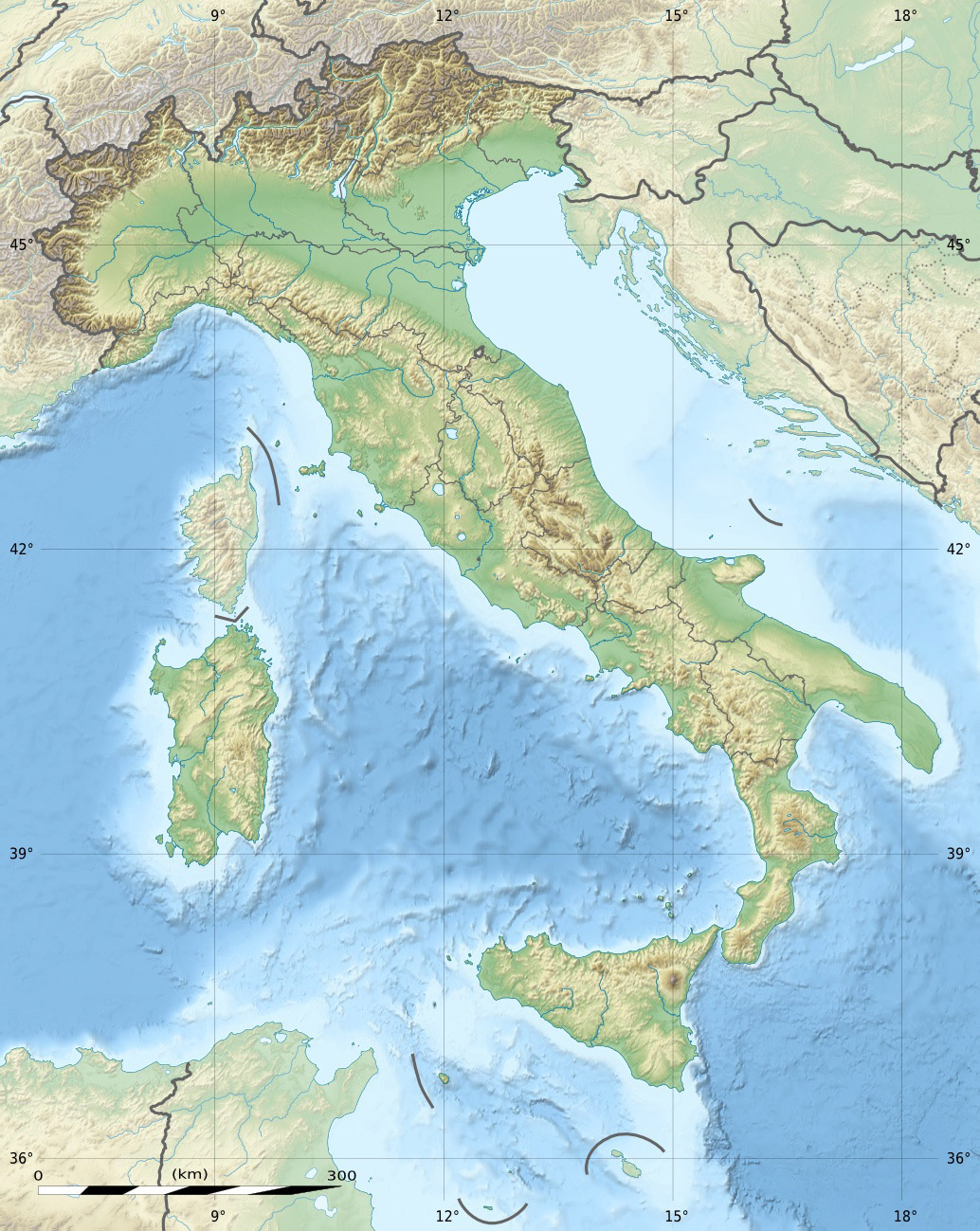
Diga dell'Alaco – A Hidden Gem in Calabria’s Rugged Landscape
If you’re looking for an off‑the‑beaten‑path destination that blends engineering marvels with untouched nature, the Diga dell'Alaco in Cardinale, Calabria, should be at the top of your itinerary.
1. Introduction
Nestled in the rolling hills of southern Italy, the Diga dell'Alaco (Alaco Dam) may not appear on the typical tourist map, but it offers a quiet, reflective experience that’s perfect for travelers who crave authenticity. Surrounded by crystal‑clear springs, verdant valleys, and a handful of spectacular waterfalls, this modest dam is a gateway to Calabria’s lesser‑known natural treasures. Whether you’re a photography enthusiast, a road‑trip adventurer, or simply someone who loves to explore Italy’s hidden corners, Diga dell'Alaco promises a serene escape from the bustling coastal resorts.
2. About Diga dell'Alaco
What Is It?
- Type: Dam (🏗️)
- Location: Cardinale, Calabria, Italy
- Coordinates: 38.596335 N, 16.425159 E
The dam sits in the municipality of Cardinale, a small town that epitomizes the rustic charm of Calabria’s interior. While the exact height and altitude of the structure remain undocumented, the dam’s presence is unmistakable: a concrete barrier that tames the flow of the local watercourse, creating a tranquil reservoir that mirrors the surrounding hills.
A Brief History
Although detailed historical records are scarce, the dam’s construction aligns with Italy’s mid‑20th‑century push to develop water infrastructure in the south. The primary goal was to regulate water for agricultural irrigation, protect downstream communities from flash floods, and generate modest hydro‑electric power. Over the decades, the reservoir has become an informal gathering spot for locals, especially during the hot summer months when the water’s cool surface offers much‑needed relief.
Why It Matters
- Environmental Stewardship: By controlling water flow, Diga dell'Alaco helps maintain the health of nearby ecosystems, including the springs and waterfalls that dot the landscape.
- Cultural Significance: The dam reflects Calabria’s ongoing relationship with its natural resources—a blend of tradition, resilience, and modern engineering.
- Scenic Value: The reservoir’s calm waters provide a perfect foreground for sunrise and sunset photography, especially with the distant Apennine foothills framing the view.
3. How to Get There
By Car
The most flexible way to reach Diga dell'Alaco is by renting a car in Reggio Calabria (the nearest major city, about 70 km away) or Catanzaro (approximately 90 km). From either hub, follow the SS106 (Ionian Highway) northward, then turn onto the SS517 toward Cardinale. Signage for “Diga dell’Alaco” appears after the town center; the final stretch is a short, well‑maintained rural road that leads directly to the dam’s parking area.
- Driving Time:
- From Reggio Calabria: ~1 hour 20 minutes
- From Catanzaro: ~1 hour 40 minutes
By Public Transport
While Calabria’s rural bus network is limited, you can catch a regional bus from Reggio Calabria to Cardinale (routes operated by Ferrotramviaria). Once in Cardinale, a short taxi ride (≈ 5 km) or a local walking trail will bring you to the dam. Check the latest timetables on the Ferrotramviaria website, as services may vary seasonally.
By Bike or Hiking
For the adventurous, the SS517 corridor offers a scenic cycling route. Expect moderate climbs and enjoy the occasional roadside vista of olive groves and vineyards. If you prefer to hike, the trail from Cardinale’s historic center to the dam takes roughly 45 minutes and is marked by local signposts.
4. Best Time to Visit
Spring (March–May)
- Why: The landscape bursts into color as wildflowers carpet the hillsides. Water levels are typically higher from winter rains, creating a fuller reservoir.
- What to Expect: Mild temperatures (15‑22 °C) and fewer crowds—ideal for photography and gentle walks.
Summer (June–August)
- Why: Warm, sunny days make the reservoir a natural cooling spot.
- What to Expect: Temperatures can climb above 30 °C, especially inland. Early mornings and late afternoons are the most comfortable times to explore.
Autumn (September–November)
- Why: Harvest season paints the countryside in gold and amber. The water remains clear, and the air is crisp.
- What to Expect: Pleasant weather (20‑25 °C) and the occasional local festival in nearby villages.
Winter (December–February)
- Why: While the dam’s surroundings are quieter, occasional fog adds a mystical atmosphere.
- What to Expect: Cooler temperatures (8‑13 °C) and reduced daylight. Some nearby attractions (e.g., waterfalls) may be less accessible due to weather conditions.
SEO tip: “Best time to visit Diga dell'Alaco” is a frequently searched phrase, so plan your trip according to the season that matches your interests—whether it’s spring blossoms or autumn harvests.
5. What to Expect
Visual Landscape
Approaching the dam, you’ll first notice the smooth, reflective surface of the reservoir, bordered by low stone walls and a modest spillway. The water’s turquoise hue shifts with the sky, creating a perfect mirror for the surrounding olive groves, chestnut trees, and distant limestone ridges. In the early morning, mist often rises from the water, offering a dreamlike backdrop for photos.
Activities
- Photography: Sunrise over the dam, long‑exposure shots of the water, and panoramic views of the Calabrian hills.
- Picnicking: Benches and a small shaded area near the parking lot make for a relaxed lunch spot. Bring local specialties—such as nduja or fresh mozzarella—from Cardinale’s market.
- Birdwatching: The reservoir attracts migratory birds during spring and autumn; keep an eye out for kingfishers and small raptors.
- Gentle Walks: A short trail loops around the reservoir, offering varied perspectives of the dam and the surrounding countryside.
Atmosphere
Unlike the bustling tourist centers of the Amalfi Coast or the historic streets of Naples, Diga dell'Alaco exudes peaceful solitude. Locals often use the site for community gatherings, especially during festivals that celebrate water and agriculture. You may hear the distant hum of a tractor or the occasional laughter of children playing near the water’s edge.
6. Nearby Attractions
While the dam itself is a highlight, the surrounding area is peppered with natural wonders that are perfect for a day‑trip itinerary. All distances are measured from Diga dell'Alaco.
| Attraction | Distance | What to See | Link |
|---|---|---|---|
| Fonte Acqua (Spring) | 2.6 km | A crystal‑clear spring that feeds local streams; ideal for a quick stop and photo. | Fonte Acqua |
| Fonte Schiminzi (Spring) | 4.1 km | A serene spring surrounded by limestone rocks; great for a short hike. | Fonte Schiminzi |
| Fontana S. Bruniedhu (Spring) | 6.2 km | A historic spring with a small stone fountain, reflecting local heritage. | Fontana S. Bruniedhu |
| Cascata di Pietracupa (Waterfall) | 6.5 km | A cascading waterfall that drops into a natural pool—perfect for a refreshing dip in summer. | Cascata di Pietracupa |
| (Unnamed) Dam | 6.4 km | Another modest dam offering a comparative look at regional water management. | Nearby Dam |
Pro tip: Combine a visit to Diga dell'Alaco with a “spring and waterfall tour”. Start at the dam, head north to Fonte Acqua, then continue to Cascata di Pietracupa for a satisfying blend of engineered and natural water features.
7. Travel Tips
| Tip | Details |
|---|---|
| Bring Cash | Small villages like Cardinale often prefer cash for market purchases and parking fees. |
| Dress in Layers | Even in summer, mornings can be cool near the water; a light jacket is useful. |
| Stay Hydrated | The Calabrian sun can be intense; carry a reusable water bottle. |
| Respect the Environment | The reservoir and nearby springs are delicate ecosystems—avoid littering and stay on marked paths. |
| Parking | A free public lot sits adjacent to the dam; it fills quickly in peak season, so arrive early. |
| Local Cuisine | Try the caciocavallo cheese and pasta alla 'nduja at a trattoria in Cardinale—both pair wonderfully with a glass of local Greco di Bianco wine. |
| Language | Basic Italian phrases go a long way. “Buongiorno” (good morning) and “Grazie” (thank you) are always appreciated. |
| Connectivity | Mobile signal can be spotty; download offline maps (Google Maps or MAPS.ME) before you set out. |
| Safety | While the dam’s waters are calm, swimming is not officially designated. Keep an eye on children near the edge. |
| Seasonal Events | Check Cardinale’s municipal website for festivals celebrating the harvest or local saints—these events add cultural depth to your visit. |
Final Thought
Diga dell'Alaco may not boast the towering height of the world’s famous dams, but its quiet charm, scenic surroundings, and proximity to authentic Calabrian experiences make it a standout destination for the curious traveler. By planning your journey with the practical tips above, you’ll discover a side of Italy that most guidebooks overlook—a place where engineering meets nature, and where every ripple tells a story.
Pack your camera, your sense of adventure, and let the hidden waters of Calabria welcome you.