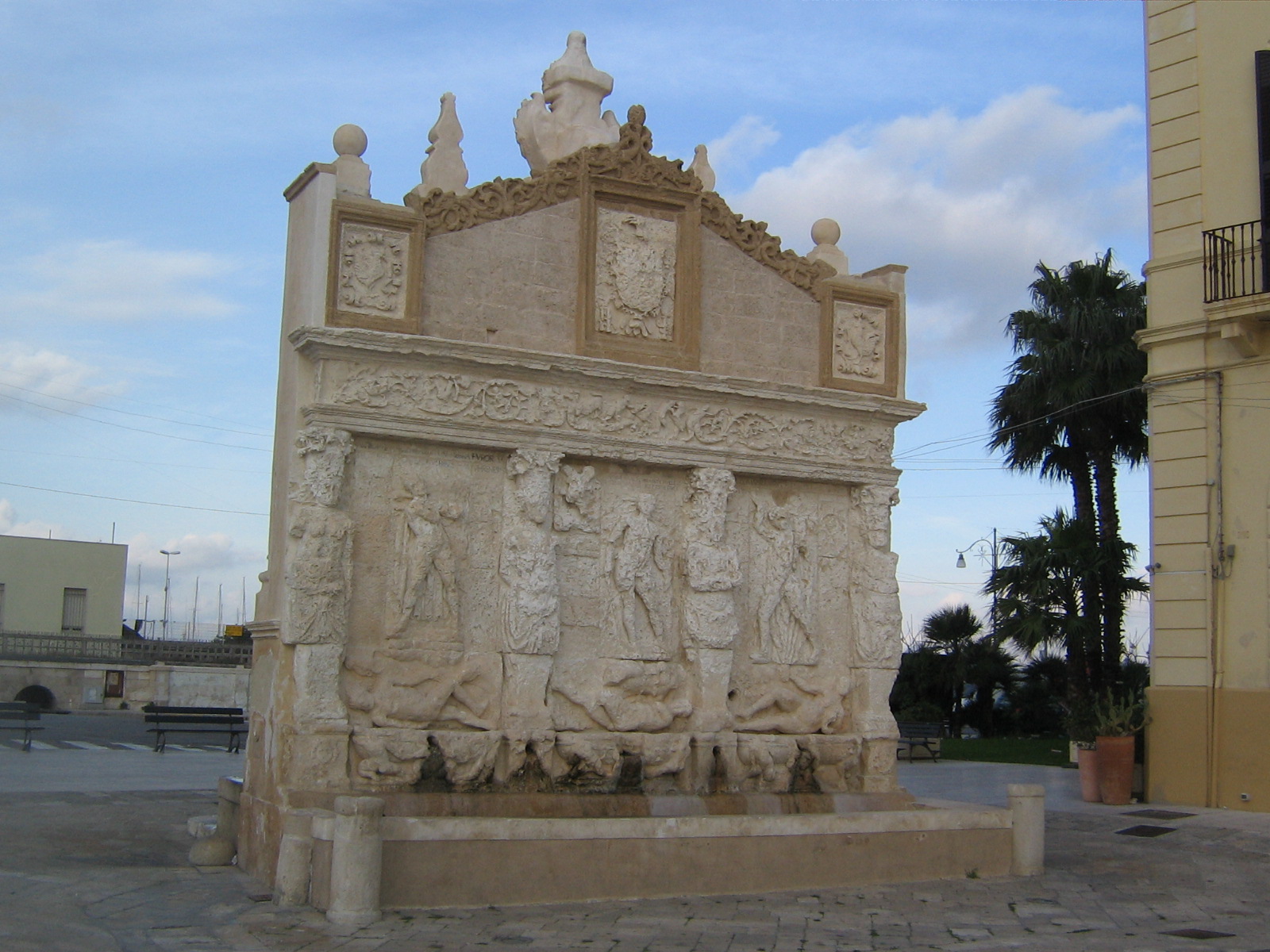
Fontana Greca – The Hidden Jewel of Gallipoli, Apulia
Discover the charm of a centuries‑old fountain that quietly anchors the historic heart of Gallipoli, Italy.
Introduction
If you picture the sun‑kissed coastline of Apulia, you probably imagine white‑washed houses, turquoise waters, and bustling piazzas. Yet tucked away in the narrow lanes of Gallipoli’s old town lies a modest yet mesmerizing landmark that often escapes the typical tourist itinerary: Fontana Greca. This elegant stone fountain, perched at the crossroads of history and everyday life, offers travelers a moment of serenity, a splash of local culture, and a perfect photo‑op that captures the soul of southern Italy.
Whether you’re a history buff, a photography enthusiast, or simply wandering through the streets of Gallipoli with a gelato in hand, Fontana Greca is a must‑see stop that adds depth to any travel guide to Gallipoli. In this article, we’ll explore everything you need to know—its story, how to reach it, the best time to visit, and what else you can discover nearby.
About Fontana Greca
A Brief Description
Fontana Greca is a stone fountain located in the historic centre of Gallipoli, a coastal town in the Apulia (Puglia) region of Italy. Its exact dimensions and altitude remain undocumented, but the fountain’s graceful arches and smooth basins reflect the classic Mediterranean design that has long supplied water to residents and travellers alike. The name “Greca” (Italian for “Greek”) hints at an architectural influence that dates back to the region’s ancient Greek settlements, although the fountain itself is a later addition to the urban fabric.
Historical Context
While precise records of Fontana Greca’s construction are scarce, the fountain is an integral part of Gallipoli’s civic heritage. In many Italian towns, public fountains were erected during the Renaissance and Baroque periods to provide clean water and serve as gathering points. Fontana Greca likely followed this tradition, becoming a focal point for daily life and a symbol of the town’s commitment to communal wellbeing.
The fountain’s Greek‑style motifs—simple yet elegant columns and a symmetrical layout—pay homage to the Greek colonisation of southern Italy (Magna Graecia) that began around the 8th century BC. Even though the fountain itself is not ancient, its design deliberately evokes that classical legacy, making it a living bridge between Gallipoli’s past and present.
Cultural Significance
Today, Fontana Greca is more than a source of water; it is a cultural landmark featured on local postcards, travel blogs, and the official Gallipoli tourism website. Locals often pause here to chat, sip espresso, or simply admire the gentle trickle of water—a reminder of the slower pace of life that defines Apulian hospitality. For visitors, the fountain offers a genuine glimpse into everyday Italian life, far from the crowded tourist hotspots.
How to Get There
By Air
- Nearest airports:
- Bari Karol Wojtyła Airport (BRI) – ~115 km north of Gallipoli.
- Brindisi–Salento Airport (BDS) – ~80 km east.
From either airport, rent a car or take a regional train to Gallipoli (see below). The drive along the Adriatic coast is scenic, with rolling olive groves and sparkling sea views.
By Train
- Main rail line: The Ferrovie del Sud Est (FSE) network connects Bari and Brindisi to Gallipoli.
- Station: Gallipoli railway station is located about 2 km from the historic centre. From the station, you can walk (≈25 minutes) or catch a local bus (Line 1) toward the old town.
By Car
- From Bari: Take the SS16 Adriatica southbound, then follow signs for Gallipoli via the SS613. Parking is limited in the historic centre, but several paid lots (e.g., “Parcheggio Piazza Duomo”) are within a short walk of Fontana Greca.
- From Brindisi: Follow the SS16 north, then turn onto the SS613 toward Gallipoli.
On Foot
If you’re staying in Gallipoli’s old town (Centro Storico), Fontana Greca is easily reachable on foot. The fountain sits near the intersection of Via Roma and Via San Francesco, just a few minutes’ stroll from the Cathedral of Gallipoli and the bustling Piazza Duomo.
Coordinates: 40.055912, 17.981079 – plug these into your GPS for pinpoint accuracy.
Best Time to Visit
Spring (March–May)
- Why go: Mild temperatures (15‑22 °C) and blooming bougainvillea make the historic streets picture‑perfect.
- What to expect: Fewer crowds, and the fountain’s water flow is at its freshest after the winter rains.
Summer (June–August)
- Why go: Long daylight hours and vibrant festivals (e.g., Festa di San Agata).
- What to expect: Higher foot traffic; the fountain provides a refreshing backdrop for a quick cool‑down. Early mornings (before 9 am) are ideal for a quieter experience.
Autumn (September–November)
- Why go: Warm yet comfortable weather (20‑25 °C) and a harvest atmosphere.
- What to expect: The sea remains warm enough for a dip, and the surrounding piazzas host local food markets.
Winter (December–February)
- Why go: The fountain is still functional, and the historic centre takes on a tranquil, almost magical vibe.
- What to expect: Some shops may close early, but you’ll enjoy the peaceful ambiance and fewer tourists.
Overall recommendation: Late spring (late April to early May) offers the perfect balance of pleasant weather, blooming scenery, and manageable crowds.
What to Expect
Visual Experience
Approaching Fontana Greca, you’ll notice its clean, white stone contrasting with the warm ochre of Gallipoli’s historic walls. The fountain’s central basin catches sunlight, creating a shimmering play of light on the water’s surface. The surrounding arches frame the scene, making it an ideal spot for Instagram‑ready photos or simply a moment of quiet reflection.
Sensory Details
- Sound: The gentle murmur of water provides a soothing soundtrack that drowns out city noise.
- Touch: If you’re lucky, you can dip your fingers into the cool water—a tradition locals still enjoy on hot summer days.
- Smell: In spring, the air carries the sweet fragrance of orange blossoms and rosemary from nearby gardens.
Social Atmosphere
Locals often gather around the fountain for casual conversations, a quick espresso, or to watch children play. You’ll hear snippets of Apulian dialect, laughter, and the occasional street musician. It’s a living piece of community life—perfect for cultural immersion.
Nearby Attractions
While Fontana Greca is a highlight in itself, the surrounding area is peppered with additional points of interest that can easily fill a half‑day itinerary. Below are the closest attractions (all within a 1 km radius) with quick links for further reading:
| Distance | Attraction | Type | Quick Link |
|---|---|---|---|
| 0.0 km | Fontana Greca | Fountain | Fontana Greca – Wikipedia (it) |
| 0.4 km | Fountain of the Sea | Fountain | Fountain of the Sea |
| 0.6 km | Fountain of the Saints | Fountain | Fountain of the Saints |
| 0.6 km | Fountain of the Market | Fountain | Fountain of the Market |
| 1.0 km | Fountain of the Castle | Fountain | Fountain of the Castle |
Pro tip: Combine these stops with a leisurely walk through the Piazza Duomo, visit the Cathedral of Gallipoli, and explore the Città Vecchia (Old Town) walls for a full cultural experience.
Travel Tips
| Tip | Details |
|---|---|
| Dress comfortably | Cobblestone streets can be uneven. Wear sturdy shoes and bring a light scarf for sun protection. |
| Stay hydrated | Even though the fountain offers fresh water, carry a reusable bottle for convenience, especially in summer. |
| Timing | Arrive early (7–8 am) to avoid peak crowds and capture the best lighting for photos. |
| Cash & Cards | Most cafés accept cards, but small vendors or street sellers may prefer cash (euros). |
| Local etiquette | It’s polite to ask before touching the water, as some locals consider the fountain a shared resource. |
| Photography | The fountain looks spectacular at golden hour (just before sunset). Use a wide‑angle lens to capture the arches. |
| Language | Basic Italian phrases (e.g., “Buongiorno,” “Grazie”) go a long way. Many locals speak some English, especially in tourist areas. |
| Safety | The area is safe day and night, but keep an eye on personal belongings in busy piazzas. |
| Public transport | If you’re staying outside the historic centre, the local bus line 1 runs every 15 minutes from the main station to the old town. |
| Nearby dining | After visiting the fountain, try a plate of orecchiette con cime di rapa at a trattoria on Via Roma for an authentic Apulian meal. |
Final Thoughts
Fontana Greca may not boast the grandeur of Rome’s Trevi Fountain, but its understated elegance, historical resonance, and vibrant community life make it a must‑see gem for any traveler exploring Gallipoli, Apulia. By following this guide—arriving at the right time, soaking in the atmosphere, and venturing to nearby attractions—you’ll experience a slice of authentic Italian culture that many guidebooks overlook.
So, pack your camera, lace up those walking shoes, and let the gentle splash of Fontana Greca welcome you to the heart of southern Italy. Safe travels! 🌊🏛️