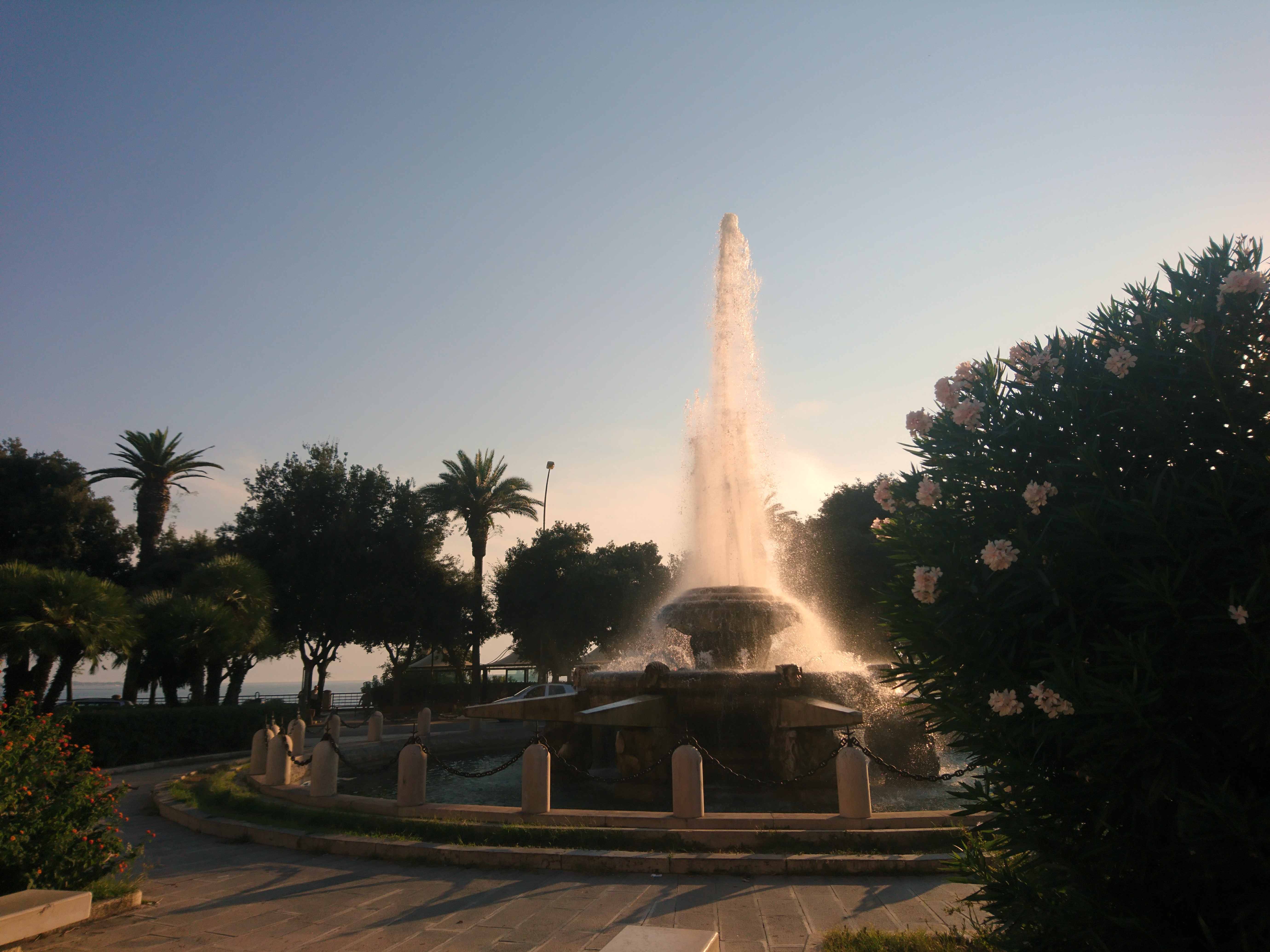
Fontana della Rosa dei Venti – Taranto’s Hidden Jewel in Apulia, Italy
Discover the romance of a historic fountain, the charm of Taranto’s old town, and the sun‑kissed beauty of the heel of Italy—all in one unforgettable stop.
1. Introduction
If you think the most iconic Italian sights are limited to the Colosseum, the Leaning Tower of Pisa, or the canals of Venice, think again. Tucked away in the bustling port city of Taranto, in the sun‑drenched region of Apulia, lies a modest yet mesmerizing water feature that has been whispering stories of the sea and the wind for generations: Fontana della Rosa dei Venti.
At first glance, this fountain may seem like any other stone basin, but a closer look reveals an elegant rose‑shaped compass rose—the Rosa dei Venti—carved into its heart, symbolizing the ancient mariners who once navigated the Ionian Sea. Whether you’re a history buff, a photography enthusiast, or simply a traveler craving an off‑the‑beaten‑path experience, this fountain offers a perfect blend of art, history, and Mediterranean atmosphere.
2. About Fontana della Rosa dei Venti
A Brief Description
Fontana della Rosa dei Venti is a historic fountain located in the historic centre of Taranto, at coordinates 40.467600, 17.242056. The fountain’s most striking feature is its central rose‑shaped compass, a nod to the city’s maritime heritage. Water gently cascades from the rose’s points, creating a soothing soundscape that blends with the hum of the surrounding streets.
History & Significance
According to the Italian Wikipedia entry, the fountain was erected during a period when Taranto was expanding its public spaces to celebrate civic pride and maritime prowess. While exact construction dates are not widely documented, the design reflects the Baroque influence that swept through southern Italy in the 17th and 18th centuries.
The Rosa dei Venti (wind rose) is more than decorative art; it historically guided sailors, indicating the direction of prevailing winds. By embedding this symbol into a public fountain, the city paid homage to its identity as a crucial naval hub and a gateway between the Adriatic and the Mediterranean.
Today, the fountain stands as a living reminder of Taranto’s connection to the sea, offering locals and visitors alike a place to pause, reflect, and appreciate the blend of nature and craftsmanship that defines Apulian public art.
3. How to Get There
By Air
The nearest major airport is Bari Karol Wojtyła Airport (BRI), approximately 120 km north of Taranto. From Bari, you can rent a car, take a regional train, or hop on a direct bus to Taranto. The drive along the A14 highway takes about 1 hour and 30 minutes, with scenic coastal views along the way.
By Train
Taranto Railway Station (Stazione di Taranto) is well‑connected to major Italian cities such as Rome, Naples, and Bari. High‑speed services (Frecciargento) and regional trains stop here regularly. From the station, the fountain is a 10‑minute walk through the historic centre.
By Car
If you prefer the freedom of a road trip, follow the A14/E55 highway south from Bari or the A16 from Naples. Parking in the city centre can be limited, but several paid parking lots (e.g., Parcheggio Piazza del Ferrarese) are within walking distance of the fountain.
Public Transport & Walking
Taranto’s local bus network (AT) offers routes that pass near the historic centre. Look for lines 1, 3, or 5, which stop at “Piazza Castello,” a short stroll from the fountain. The old town’s narrow streets are pedestrian‑friendly, making walking the most enjoyable way to soak up the atmosphere.
4. Best Time to Visit
Spring (March – May)
The weather is mild, and the city’s gardens burst into bloom. Early mornings are quiet, providing perfect lighting for photography of the fountain’s intricate rose‑compass.
Summer (June – August)
Taranto enjoys long, sunny days, but the heat can be intense. Visit early in the morning or late in the afternoon to avoid the midday scorch. Evening strolls are magical as the fountain is often illuminated, casting a soft glow on the surrounding stone façades.
Autumn (September – November)
Temperatures drop to comfortable levels, and the tourist crowds thin out. This is an ideal time for relaxed sightseeing and sampling local Apulian cuisine at nearby trattorias.
Winter (December – February)
While some attractions may have reduced hours, the fountain remains accessible. The quiet streets and occasional mist create a romantic, almost ethereal backdrop—perfect for those seeking a tranquil, off‑season experience.
5. What to Expect
Arriving at Fontana della Rosa dei Venti, you’ll be greeted by the gentle murmur of water and the scent of nearby lemon trees. The fountain sits amidst a modest piazza framed by historic stone buildings, many of which house cafés, artisan shops, and small museums.
Sensory Highlights
- Visual: The rose‑shaped compass, carved in stone, catches sunlight, highlighting each directional point. The water’s sparkle adds dynamic movement to the static sculpture.
- Auditory: The soft splash of water provides a soothing soundtrack that drowns out city traffic.
- Taste & Smell: A short walk brings you to local cafés where you can sip a caffè espresso or enjoy a glass of Primitivo di Manduria, a robust Apulian red wine.
Cultural Vibe
Locals often gather here for informal meetings, and you may witness street musicians performing traditional pizzica (folk dance music). The fountain serves as a social hub, reflecting the communal spirit of Taranto’s residents.
Photography Tips
- Golden Hour: Capture the fountain’s details when the sun is low (around sunrise or sunset). The warm light accentuates the stone’s texture.
- Night Shots: If the fountain is illuminated, use a tripod and a low ISO to capture the subtle glow without noise.
- Angles: Try low‑angle shots to emphasize the rose‑compass against the sky, and wide‑angle frames to include the surrounding historic architecture.
6. Nearby Attractions
While the Fontana della Rosa dei Vienti is a highlight, the surrounding area offers several other points of interest—most of them charming fountains and historic sites within walking distance.
| Distance | Attraction | Description | Link |
|---|---|---|---|
| 0.0 km | Fontana della Rosa dei Venti | The star of the show—historic rose‑compass fountain. | — |
| 0.4 km | Fountain A | A small stone fountain with Baroque details. | Learn more |
| 0.8 km | Fountain B | Known for its intricate marble basins. | Learn more |
| 0.9 km | Fontanella | A quaint, lesser‑known fountain tucked in a narrow alley. | Learn more |
| 1.6 km | Fountain C | Features a sculpted lion spouting water, popular with kids. | Learn more |
Tip: Combine these stops into a relaxed “Fountain Walk”—a 30‑minute self‑guided tour that lets you admire Taranto’s public art while discovering hidden cafés and boutique shops.
7. Travel Tips
| Tip | Details |
|---|---|
| Dress Comfortably | Cobblestone streets can be uneven; wear supportive shoes. |
| Stay Hydrated | Apulian summers are hot; carry a reusable water bottle. |
| Cash for Small Purchases | Many local vendors prefer cash, especially for coffee or gelato. |
| Learn a Few Italian Phrases | Simple greetings like “Buongiorno” and “Grazie” go a long way. |
| Check Opening Hours | While the fountain is public, nearby museums or cafés may close early in winter. |
| Respect Local Customs | Keep noise levels moderate, especially during early mornings. |
| Use a Map App | GPS works well, but offline maps are handy in case of spotty signal in narrow alleys. |
| Try Local Cuisine | Near the fountain, you’ll find trattorias serving orecchiette alle cime di rapa, fresh seafood, and pasticiotti (Apulian custard pastries). |
| Safety | Taranto is generally safe, but keep an eye on personal belongings in crowded areas. |
| Photography Etiquette | Ask permission before photographing locals, especially street performers. |
Final Thoughts
Fontana della Rosa dei Venti may not appear on every “top 10 Italy” list, but that’s precisely why it’s a treasure for the discerning traveler. It captures the soul of Taranto—a city where the sea, history, and daily life intertwine seamlessly.
So, the next time you plan a trip to Apulia, carve out a few hours to wander the historic centre of Taranto, let the water’s gentle rhythm guide you, and let the rose‑shaped compass point you toward unforgettable memories.
Happy travels, and may the winds of the Rosa dei Venti always steer you toward new adventures!