Fontana del Pisciarello – A Hidden Fountain Gem in Scanno, Abruzzo
Discover the charm of a lesser‑known stone fountain perched in the heart of the Abruzzo mountains, and learn how to make the most of your visit to this tranquil spot.
1. Introduction
If you think Italy’s most famous sights are limited to the Colosseum, the Leaning Tower of Pisa, or the Amalfi Coast, think again. Tucked away in the medieval village of Scanno, deep in the Abruzzo region, lies Fontana del Pisciarello – a modest yet captivating stone fountain that whispers stories of centuries‑old village life. Whether you’re a seasoned backpacker hunting off‑the‑beaten‑path treasures or a family on a cultural road‑trip, this fountain offers a quiet pause amid dramatic mountain scenery, crystal‑clear water, and authentic local atmosphere.
“A fountain is not just a source of water; it’s a living piece of history that reflects the soul of the town it serves.”
In this guide we’ll dive into everything you need to know: the fountain’s background, how to reach it, the best visiting windows, what you’ll experience on site, nearby attractions, and practical travel tips to keep your Abruzzo adventure smooth and memorable.
2. About Fontana del Pisciarello
Description
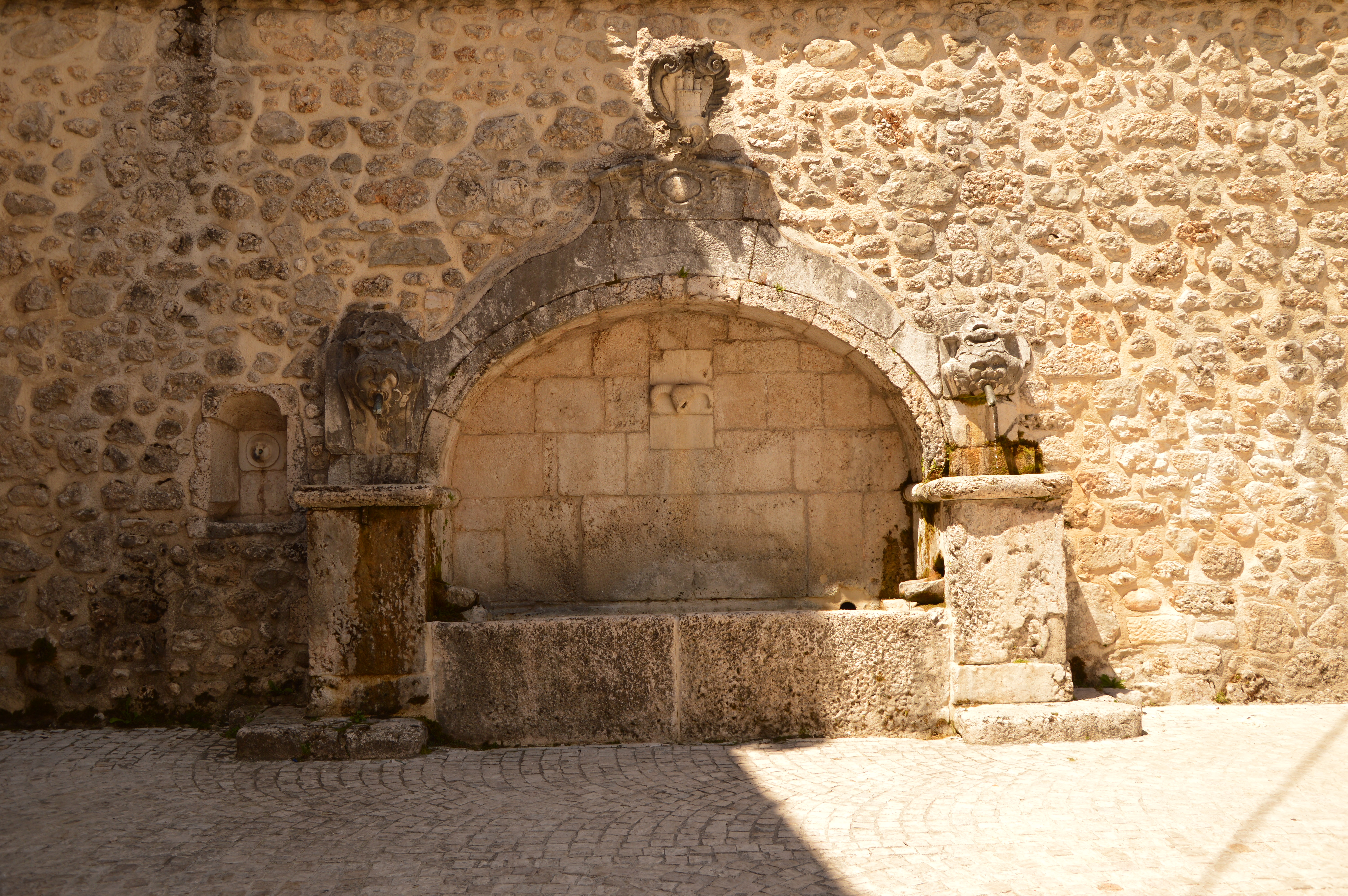
Fontana del Pisciarello (Italian for “the little spout fountain”) is a stone water source located at 41.903706 N, 13.879406 E in the historic centre of Scanno. The fountain is built from locally quarried limestone, typical of Abruzzo’s vernacular architecture, and features a simple, rounded basin topped by a modest stone spout that gently pours fresh mountain water into the basin below. Its rustic design blends seamlessly with the narrow cobblestone streets and pastel façades that characterize Scanno’s medieval layout.
History & Significance
Exact archival records on the fountain’s construction are scarce, but like many village fountains in central Italy, it likely dates back to the late Middle Ages or early Renaissance, when communal water sources were essential for daily life, livestock, and local agriculture. In an era before indoor plumbing, a fountain such as Pisciarello served as a social hub where residents gathered to fetch water, exchange news, and celebrate festivals.
Scanno itself has a rich cultural heritage: it was a strategic stop along trans‑Apennine trade routes and later became famous for its hand‑woven wool blankets (Scanno’s “cappelli”) and traditional folk music. The fountain, therefore, is more than a decorative element—it is a living reminder of the village’s self‑sufficiency and communal spirit.
Today, Fontana del Pisciarello remains functional, delivering cool, clear water that locals still use for drinking and cooking. Tourists are welcomed to admire its stonework, snap a photo, and, where permitted, taste the fresh water—a simple pleasure that connects you directly to centuries of Abruzzese tradition.
3. How to Get There
By Air
The nearest major airports are Abruzzo Airport (PSR) in Pescara (≈ 120 km) and Rome‑Fiumicino (FCO) (≈ 200 km). From either airport, rent a car or catch a regional train to L’Aquila and then a bus to Scanno.
By Train
- From Rome: Take a Trenitalia Intercity train to L’Aquila (≈ 2 h).
- From Pescara: Direct regional trains run to L’Aquila (≈ 1 h 30 min).
From L’Aquila, board the SITA bus line toward Scanno (about 1 h 30 min). Buses run several times a day, especially in the high season (May‑September).
By Car
Driving gives you the most flexibility to explore the surrounding mountains. From A24/E80 (the highway connecting Rome and Pescara), take the SS17 exit toward L’Aquila, then follow signs for Scanno via SS653. The journey from Rome is roughly 180 km (≈ 2 h 30 min), while from Pescara it’s about 130 km (≈ 2 h).
Parking: Scanno’s historic centre is mostly pedestrian‑only. Look for the municipal parking lot on Via Garibaldi (just outside the old walls); a short 5‑minute walk brings you to the fountain.
Public Transport Summary
| Mode | From | Approx. Time | Frequency |
|---|---|---|---|
| Train + Bus | Rome → L’Aquila → Scanno | 4–5 h (incl. transfers) | 3–4 buses/day |
| Train + Bus | Pescara → L’Aquila → Scanno | 3–4 h | 4–5 buses/day |
| Car | Rome or Pescara | 2–2.5 h | N/A (self‑drive) |
4. Best Time to Visit
Spring (April‑June) – The valley bursts into wildflower bloom, temperatures hover between 15‑22 °C, and the water flow is abundant from melting snow. This is the most photogenic period, with soft light and fewer crowds.
Early Autumn (September‑October) – Harvest festivals light up Scanno, and the surrounding hills glow amber. The weather remains pleasant (20‑25 °C) and the fountain’s water is still crisp.
Summer (July‑August) – While the region can get warm (up to 30 °C), the fountain’s cool water offers a refreshing respite. Expect more tourists, especially on weekends, but the lively atmosphere may appeal to those who enjoy bustling village life.
Winter (November‑March) – The fountain may run slower, and occasional snowfall can give the stone a magical, frosted look. However, some services (e.g., bus routes) run less frequently, so plan accordingly.
Overall recommendation: Aim for late spring or early autumn to enjoy optimal weather, vibrant scenery, and a tranquil visitor count.
5. What to Expect
Visual & Sensory Experience
- Stone Elegance: Rough‑hewn limestone walls contrast with the smooth basin, showcasing centuries‑old masonry techniques.
- Gentle Murmur: The water’s soft trickle creates a soothing soundscape that blends with distant church bells and village chatter.
- Cool Water: In summer, the spring‑fed water feels remarkably cold—perfect for a quick sip or a brief hand‑wash.
- Surrounding Views: The fountain sits at the crossroads of narrow alleys, offering glimpses of terracotta rooftops, ivy‑clad façades, and the distant Maiella mountain range.
Visitor Flow
During peak daylight hours (10 am–4 pm) you’ll encounter a mix of locals refilling bottles, families strolling, and photographers capturing the stone’s texture. The atmosphere is relaxed, with no entrance fee or formal opening hours—simply respect the space, keep noise low, and avoid littering.
Photo Opportunities
- Framed by Arches: Position yourself under the stone arch that partially shelters the basin for a classic “fountain in the village” shot.
- Reflections: Early morning light creates beautiful reflections on the water’s surface—ideal for artistic compositions.
- Nighttime Glow: If you stay after sunset, the fountain is softly illuminated by nearby lanterns, offering a romantic, low‑key vibe.
6. Nearby Attractions
Scanno’s compact historic centre makes it easy to explore several other points of interest within a short walk or bike ride. Below are the top nearby sites, each offering a different slice of Abruzzo’s natural and cultural heritage.
| Attraction | Distance from Fontana del Pisciarello | Description | Link |
|---|---|---|---|
| Fontana Sarracco | 0.1 km | Another historic stone fountain, known for its ornate stone carvings and a popular spot for locals to gather. | Fontana Sarracco |
| [Weir] (local dam) | 1.4 km | A small weir that regulates water flow in the surrounding valleys; great for a short hike and bird‑watching. | Weir |
| Sorg. Giardini (Spring) | 2.3 km | A natural spring surrounded by a lush garden, perfect for picnics and a cool dip in summer. | Sorg. Giardini |
| Fonte Malvascione (Spring) | 2.4 km | Known for its mineral‑rich waters and a legend about healing properties. | Fonte Malvascione |
| Fonte delle Bregnere (Spring) | 2.7 km | A secluded spring set amidst pine forests, ideal for hikers seeking tranquility. | Fonte delle Bregnere |
Tip: Rent a bicycle from the local shop on Via Garibaldi; the short distances make for an easy, eco‑friendly way to hop between these sites.
7. Travel Tips
| Tip | Details |
|---|---|
| Bring a reusable water bottle | The fountain’s water is safe to drink; refill to stay hydrated and reduce plastic waste. |
| Wear comfortable shoes | Cobblestone streets can be uneven; sturdy walking shoes or sandals with good grip are recommended. |
| Check bus schedules in advance | Seasonal changes may affect frequency, especially in winter. Download the SITA Abruzzo app for real‑time updates. |
| Respect local customs | When the fountain is in use by residents, keep conversations low and avoid blocking the flow. |
| Try local cuisine | After visiting the fountain, head to Trattoria da Maria (Via San Francesco) for homemade arrosticini and pecorino cheese. |
| Photography etiquette | Flash can disturb the serene atmosphere; use natural light and avoid intrusive angles that block foot traffic. |
| Weather preparedness | Even in summer, mountain weather can shift quickly. Pack a light rain jacket and sunscreen. |
| Language | Basic Italian phrases (“Per favore, posso riempire la bottiglia?”) go a long way in interacting with locals. |
| Cash | Small shops and fountains may not accept cards; keep some euros on hand. |
| Safety | The water can be slippery near the basin; watch your step, especially after rain. |
Final Thought
Fontana del Pisciarello may not appear on the typical Italy travel checklist, but that’s precisely why it shines. It offers an authentic slice of Abruzzo life—stone, water, and centuries‑old community spirit—all set against the breathtaking backdrop of the Apennine mountains. Add it to your itinerary, wander the surrounding alleys, sip the cool spring water, and let the quiet rhythm of Scanno remind you why the heart of travel lies in discovering the places that locals cherish.
Happy exploring! 🌍✨